
Five Biggest Mysteries in The Universe

The lesson explores five of the most significant mysteries in the universe, including dark matter and dark energy, antimatter, the vastness of the universe, black holes, and the origins of the universe. It highlights how dark matter and dark energy make up the majority of the universe yet remain largely unexplained, while the imbalance between matter and antimatter poses fundamental questions about the universe’s formation. Additionally, the lesson delves into the nature of black holes and the Big Bang, emphasizing that as we uncover more about these cosmic enigmas, we are also confronted with deeper questions about existence itself.
Scientists Find The Most Massive Stellar Black Hole Ever Detected in The Milky Way Galaxy

Astronomers have discovered Gaia BH3, the most massive stellar black hole in the Milky Way, located about 2,000 light-years away in the constellation Aquila. This black hole, with a mass 33 times that of the Sun, was identified through data from the European Space Agency’s Gaia mission, which detected the gravitational effects on a nearby companion star. While Gaia BH3 is a significant find, it poses no threat to Earth, and researchers hope this discovery will lead to further insights into the nature and formation of black holes in our galaxy.
Are We Alone In The Galaxy?

The lesson explores the intriguing question of whether intelligent life exists beyond Earth, focusing on the Milky Way galaxy. A recent study estimates that there could be around 36 intelligent alien civilizations within our galaxy, based on conditions similar to those on Earth, while highlighting promising exoplanets like Proxima Centauri b and Kepler-62e as potential hosts for life. The vastness of the universe, with an estimated 2 trillion galaxies, encourages reflection on humanity’s place in the cosmos and the possibility of countless civilizations existing beyond our own.
The Devastating True Scale of Nuclear Weapons
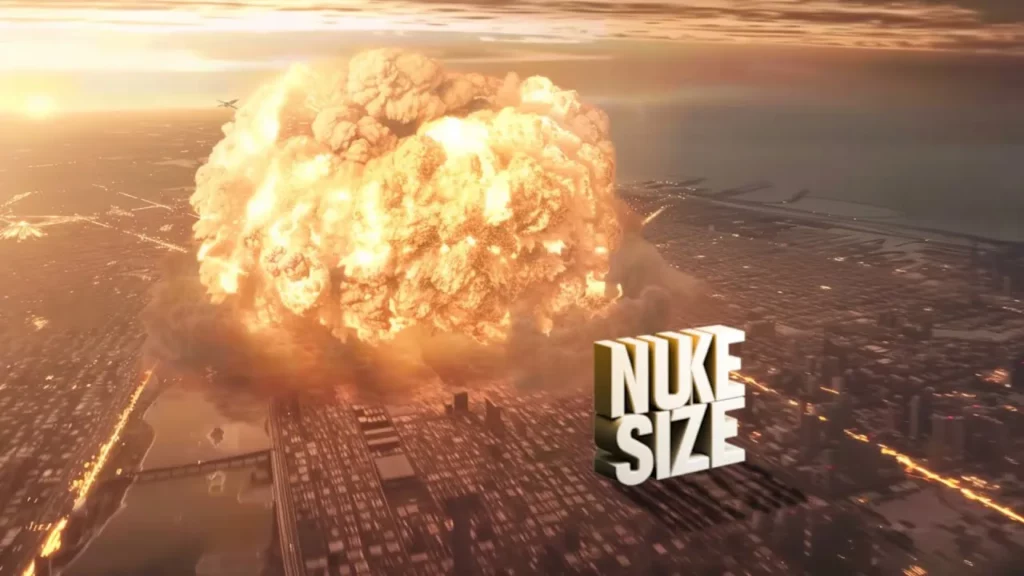
The lesson outlines the historical context and devastating impact of nuclear weapons, beginning with their use in World War II through the bombings of Hiroshima and Nagasaki, which resulted in significant civilian casualties and Japan’s surrender. It highlights the subsequent nuclear arms race between the U.S. and the Soviet Union, marked by the development of increasingly powerful bombs, such as the B83 and Tsar Bomba, and the doctrine of mutual assured destruction (MAD) that emerged to deter nuclear conflict. Ultimately, the lesson emphasizes the ongoing threat posed by nuclear weapons and the critical need for global peace to prevent their catastrophic use.
The Atomic Bombings of Hiroshima And Nagasaki – Part 1
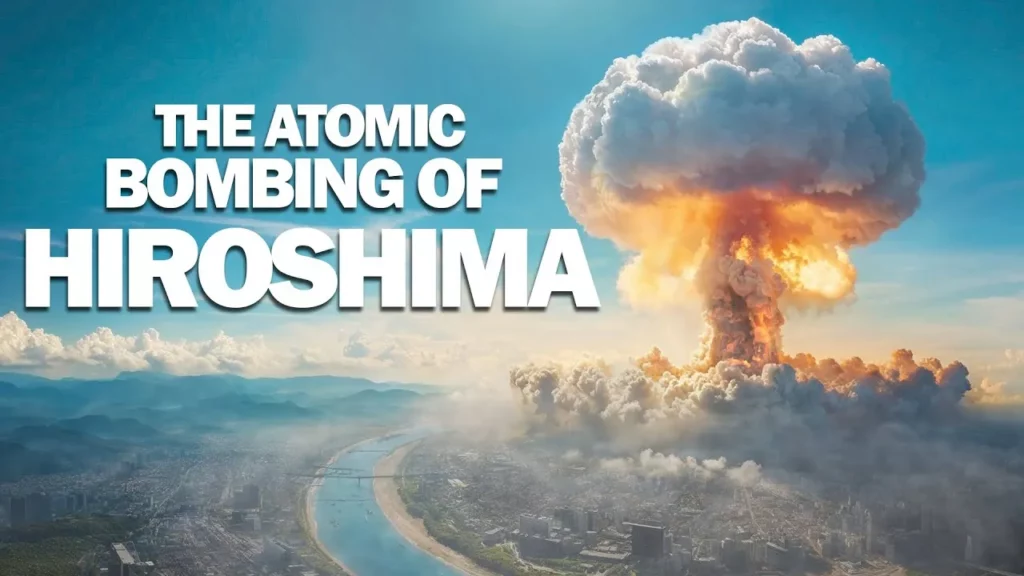
The lesson discusses the Manhattan Project, a secret U.S. initiative during World War II aimed at developing nuclear weapons, which culminated in the atomic bombings of Hiroshima and Nagasaki. Led by Major General Leslie Groves and physicist J. Robert Oppenheimer, the project resulted in the successful test of the first nuclear bomb in July 1945, influencing global politics and the Potsdam Declaration that demanded Japan’s surrender. The bombing of Hiroshima on August 6, 1945, marked a pivotal moment in history, showcasing the devastating power of nuclear weapons and prompting significant discussions within the Japanese government regarding their response.
The Atomic Bombings of Hiroshima And Nagasaki – Part 2
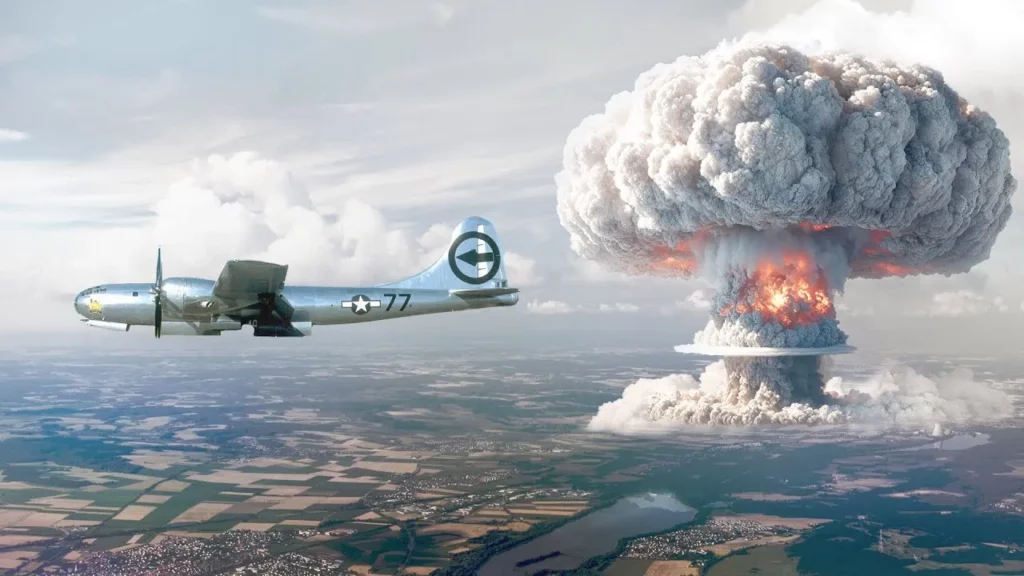
The lesson on the atomic bombings of Hiroshima and Nagasaki details the events leading up to and following the bombings, emphasizing the military rationale behind President Truman’s decision to use atomic weapons to force Japan’s surrender during World War II. The bombings resulted in catastrophic destruction and significant loss of life, with Nagasaki’s bombing occurring shortly after Hiroshima due to operational challenges. The aftermath saw Japan’s eventual surrender and raised ongoing ethical debates about the necessity and consequences of using atomic bombs, leaving a lasting legacy on survivors and international relations.
These Are The Events That Will Happen Before 2045 (Singularity)

The lesson explores the potential advancements in technology leading up to the year 2045, particularly focusing on the rise of artificial intelligence (AI) and the concept of the Singularity. It highlights historical revolutions that have shaped human progress and emphasizes the exponential growth of computing power, which could lead to the development of Artificial General Intelligence (AGI) capable of surpassing human intelligence. The implications of AGI, including societal changes, economic challenges, and the necessity for alignment with human interests, are discussed, underscoring the importance of addressing these issues to navigate a future potentially dominated by advanced technology.
Why It’s Impossible To Escape North Korea

The lesson explores the harsh realities of life in North Korea, a country ruled by a strict dictatorship under Kim Jong-un, where propaganda and information control keep the population subdued. It outlines the historical context of Korea’s division and the rise of an oppressive regime that has led to severe economic challenges and famine, making escape attempts perilous. Despite some successful defections, the current situation is marked by increased border controls and surveillance, making it extremely difficult for North Koreans to flee their oppressive environment.
The Evolution & Scale of Nuclear Weapons
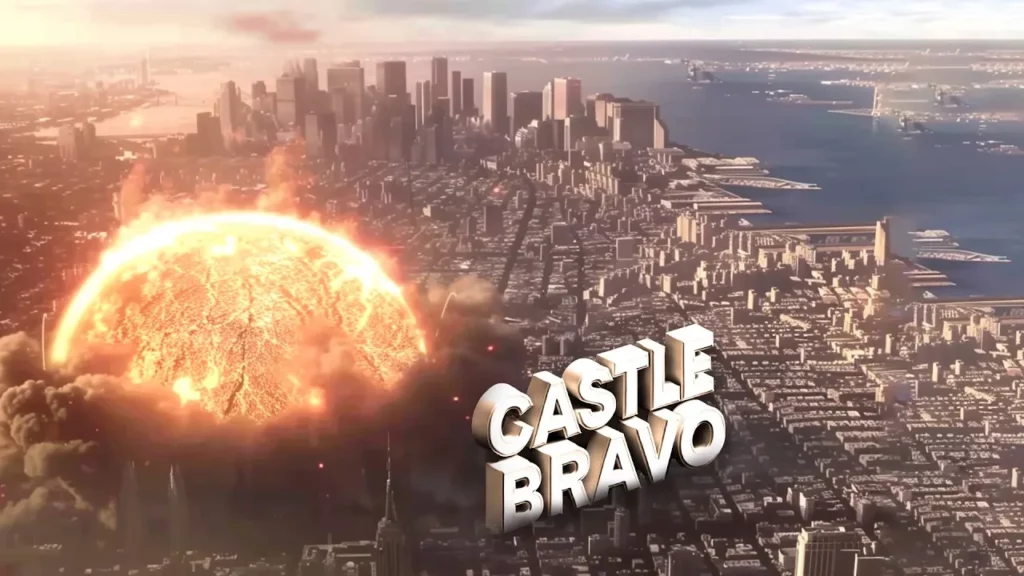
The lesson on “The Evolution & Scale of Nuclear Weapons” outlines the historical development and impact of nuclear weapons, beginning with the discovery of nuclear fission in the late 1930s and culminating in their first use during World War II. It highlights the significant advancements in nuclear technology, particularly during the Cold War, and the ongoing global tensions stemming from nuclear proliferation. The lesson emphasizes the importance of understanding this history to address the contemporary challenges and threats posed by nuclear weapons to global security.
What If A Nuclear Weapon Hits New York Tomorrow?
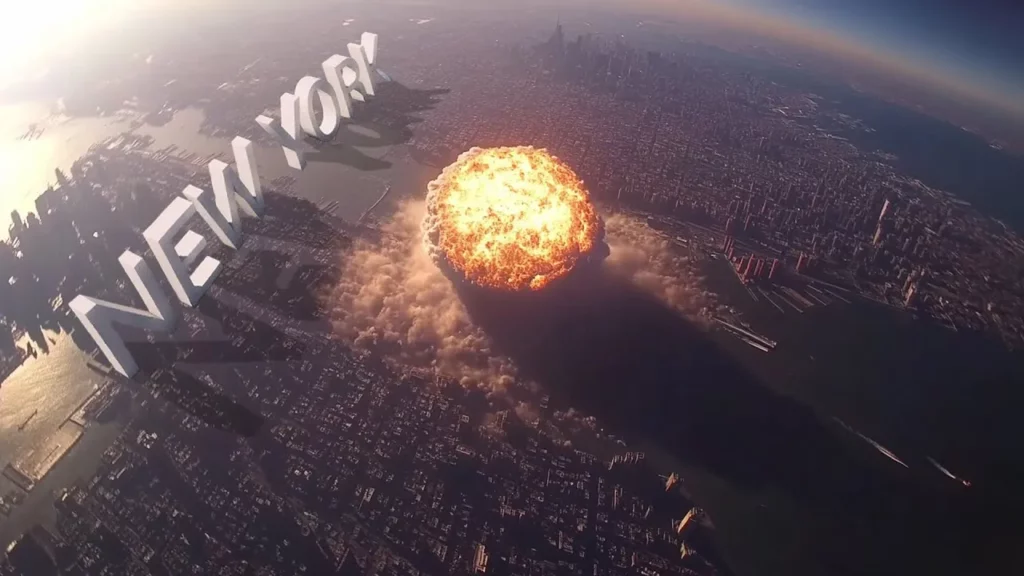
The lesson explores the catastrophic consequences of a nuclear weapon striking New York, highlighting the immediate destruction, radiation fallout, and long-term societal impacts. It emphasizes the importance of preparedness measures for individuals and communities, as well as the role of international efforts in preventing nuclear conflict. Ultimately, while the scenario is distressing, being informed and proactive can help mitigate risks and promote a safer future.