
???? Kids Read Aloud: IF YOU TAKE A MOUSE TO SCHOOL Mouse’s first day at school by L Numeroff F Bond
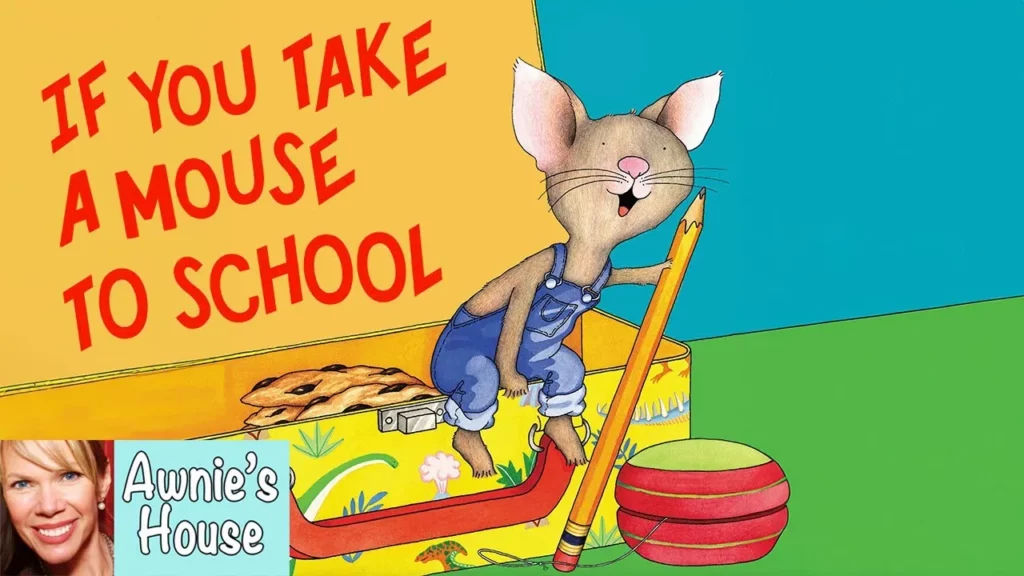
In this lesson, we explore the delightful story “If You Take a Mouse to School” by Laura Numeroff, which follows a mouse’s whimsical adventures in a school setting. As the mouse engages in various activities like eating snacks, playing, and learning, children are encouraged to join in the fun and discover the joys of reading and learning together. The lesson emphasizes the excitement of school and the importance of curiosity and exploration.
✂️ Kids Read Aloud: DeFlocked FairyTale TOUSLED Finding Joy in Giving Rooney Lennon & Andy Catling
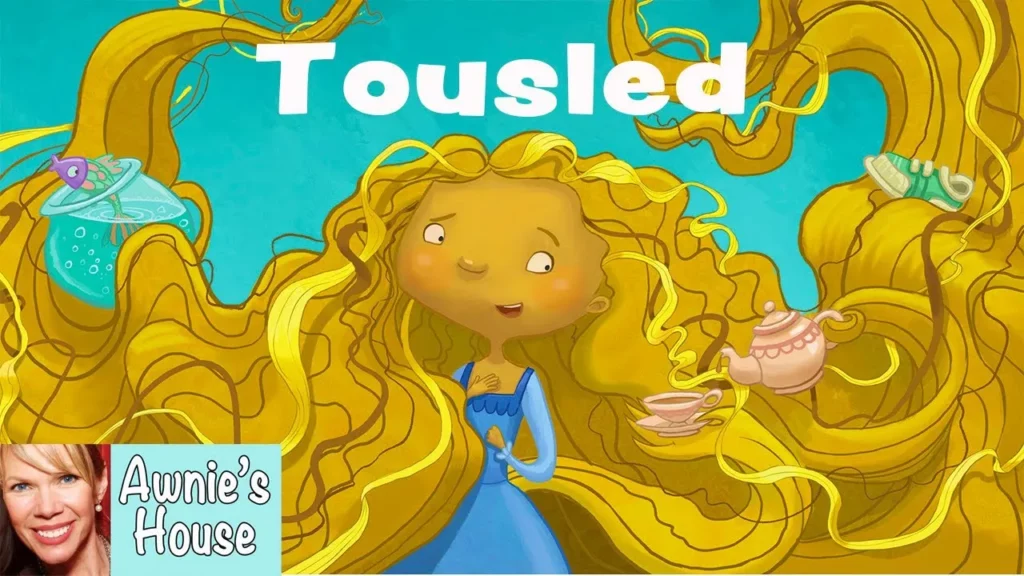
In the lesson “Kids Read Aloud: Finding Joy in Giving,” we follow the cheerful girl Sunny, who embraces her wild hair and learns the importance of sharing. After discovering a way to donate her hair to children in need, Sunny realizes that true beauty comes from the heart and that giving brings happiness to both the giver and the receiver. The story emphasizes the joy of caring for others and the impact of selflessness.
The Physics of Black hole | Why light cannot escape
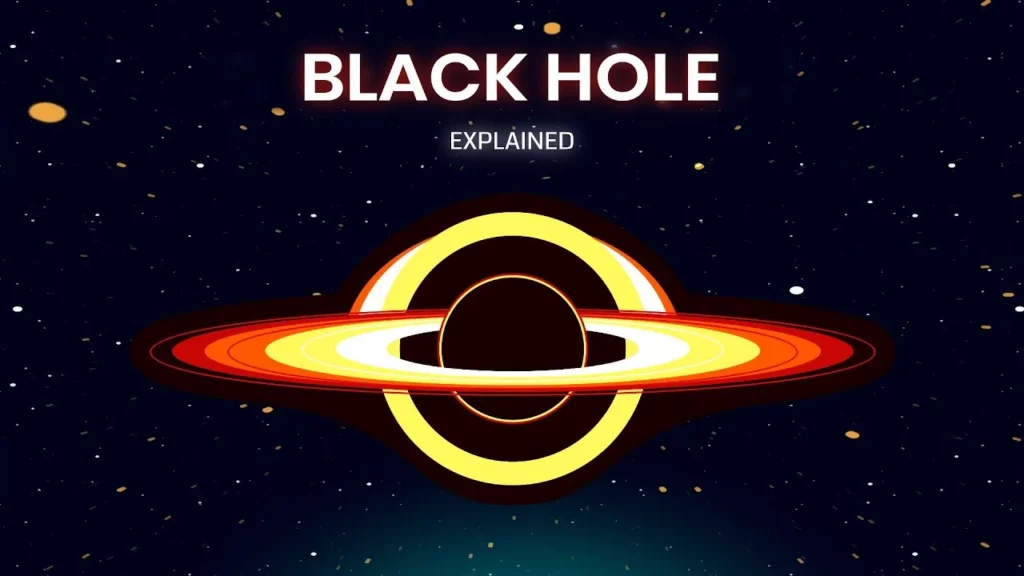
The lesson on “The Physics of Black Holes” explores the concept of escape velocity, introduced by John Michell, which explains why light cannot escape from black holes. It details the formation of black holes from massive stars that collapse after exhausting their nuclear fuel, leading to extreme densities and the creation of an event horizon where escape velocity exceeds the speed of light. The lesson also highlights Einstein’s theory of relativity, which describes gravity as the curvature of spacetime, and discusses the ongoing mysteries surrounding black holes, including their singularities and the implications for our understanding of the universe.
Everything about Solar System Explained | Planets information
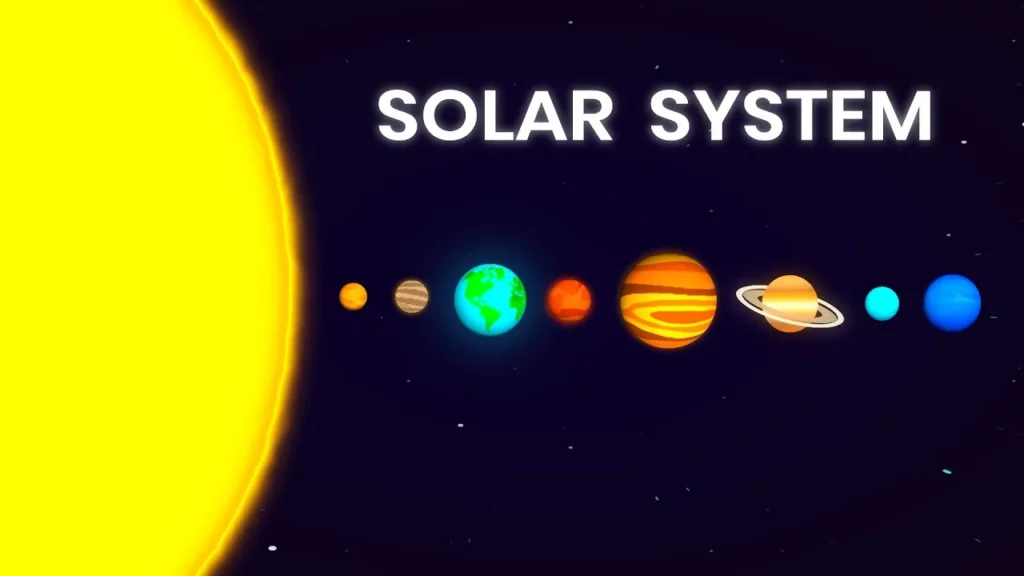
This lesson provides a comprehensive overview of the solar system, detailing its formation, structure, and the characteristics of its celestial bodies. It explains the vastness of the Milky Way galaxy, our solar system’s position within it, and the sun’s critical role as its anchor. Additionally, it explores the eight planets, their unique features, and the regions beyond Neptune, highlighting the immense scale and complexity of our cosmic neighborhood.
A Brief History Of Atom | Democritus to Quantum | Atomic Models
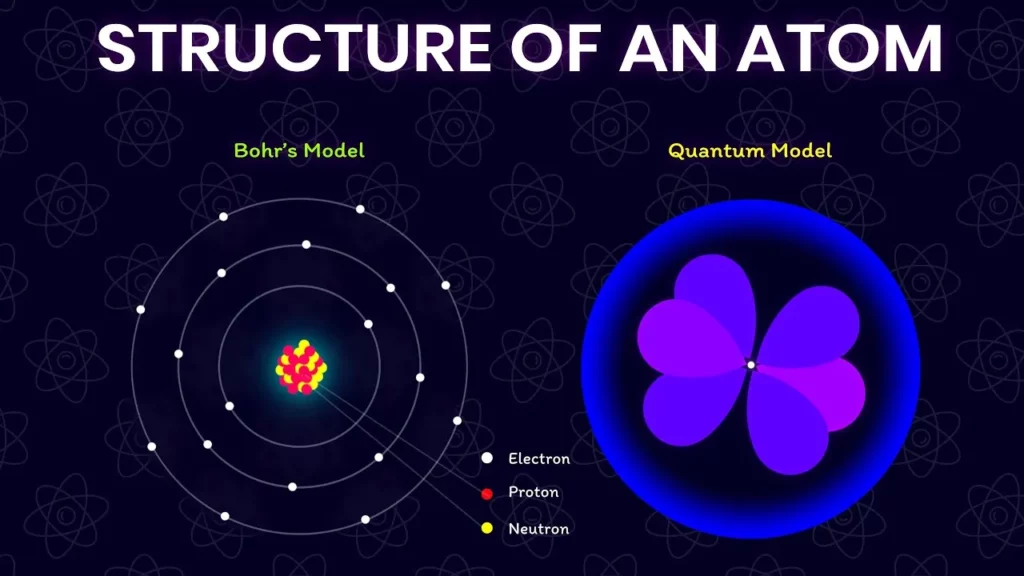
The lesson outlines the historical development of atomic theory, beginning with ancient philosophers like Democritus and Acharya Kanad, who proposed the existence of indivisible particles called atoms. It progresses through key scientific advancements, including John Dalton’s formulation of atomic theory, J.J. Thomson’s discovery of electrons, Rutherford’s nuclear model, and Bohr’s quantized orbits, ultimately leading to the emergence of quantum mechanics, which describes the complex behavior of subatomic particles and their probabilistic nature. This evolution highlights the transition from philosophical concepts to a scientifically rigorous understanding of matter.
Largest Creature ever Existed on Earth
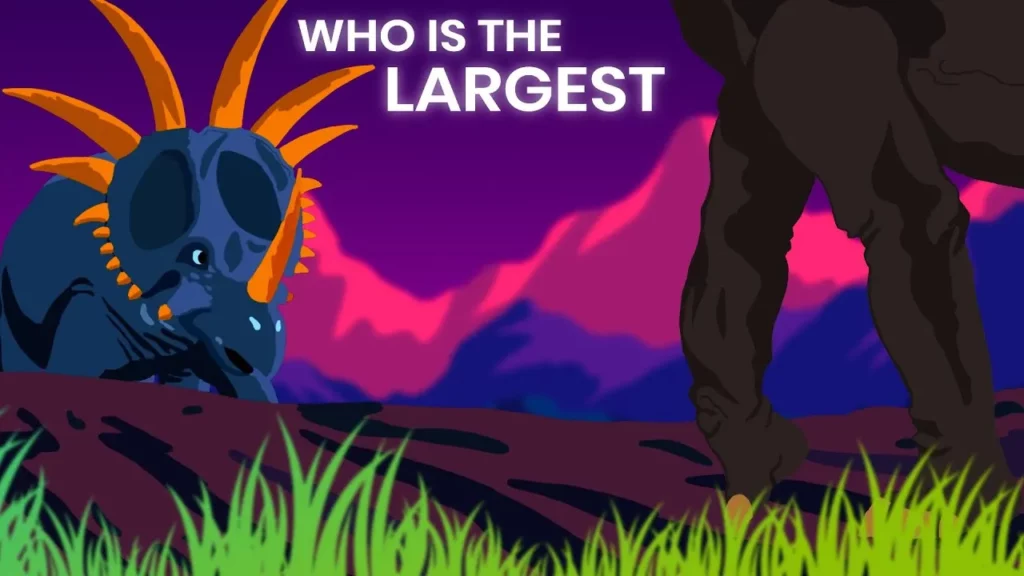
The lesson discusses the largest creatures that have ever existed on Earth, highlighting significant dinosaurs like Spinosaurus, Brachiosaurus, and Titanosaurus, as well as the modern blue whale, which is the largest animal alive today. It emphasizes the evolutionary journey of life on Earth, the discovery of these magnificent creatures through fossils, and the impact of human activity on species survival. Ultimately, it underscores the importance of conservation efforts to protect remaining species from extinction.
How Colonizing Space can Save Earth and Humans
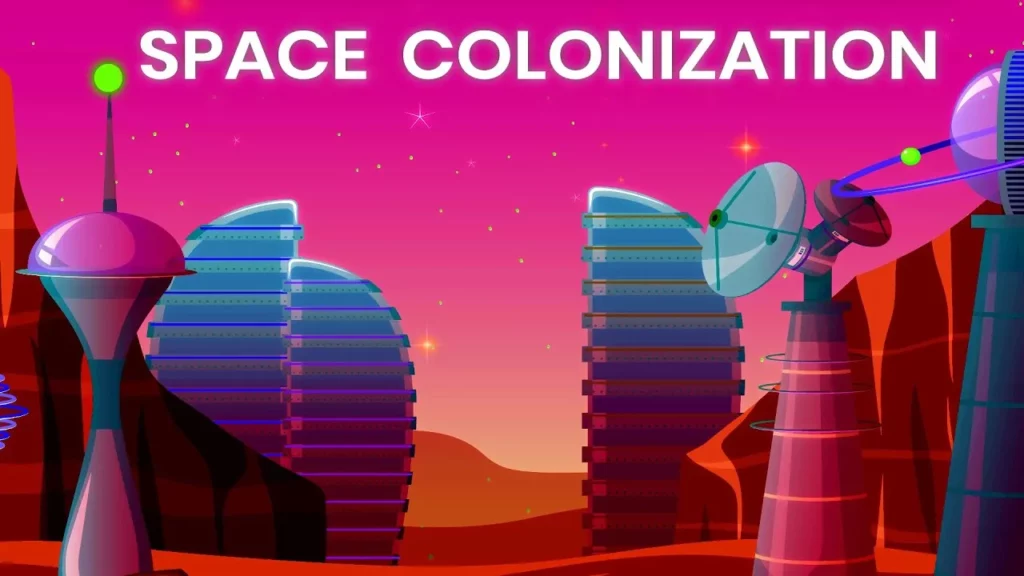
The lesson discusses the potential benefits of space colonization as a means to safeguard both Earth and humanity. It highlights the risks we face, such as asteroids, human conflicts, and environmental degradation, emphasizing the need for cooperation and innovation to explore and utilize resources beyond our planet. Ultimately, the lesson posits that while space colonization may seem far-fetched, it could be essential for our survival and the continuation of life as we know it.
Have we found parallel universe? | Evidence for Parallel and Multiverse
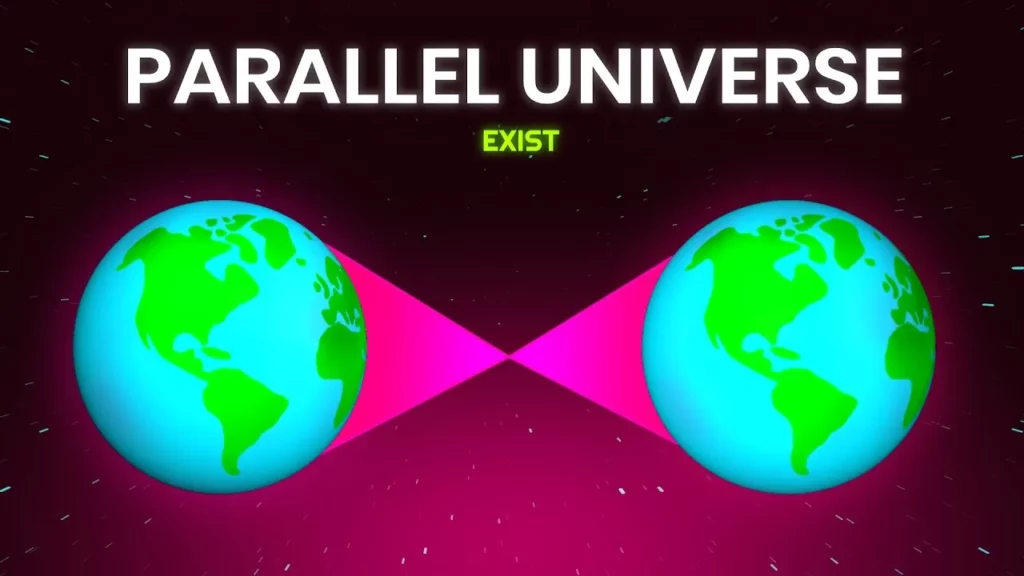
The lesson explores the intriguing concept of parallel universes and multiverse theories, suggesting that our experiences of déjà vu and familiarity may hint at the existence of multiple realities. It discusses various scientific theories, including eternal inflation, quantum mechanics, infinite space, mirror image universes, and string theory, which propose that our universe could be one of many, each with distinct properties and outcomes. While definitive proof of these theories remains elusive, ongoing advancements in quantum physics may eventually provide insights into the nature of our universe and the possibility of parallel existences.
How Did The Universe Begin? | What happened after the Big Bang
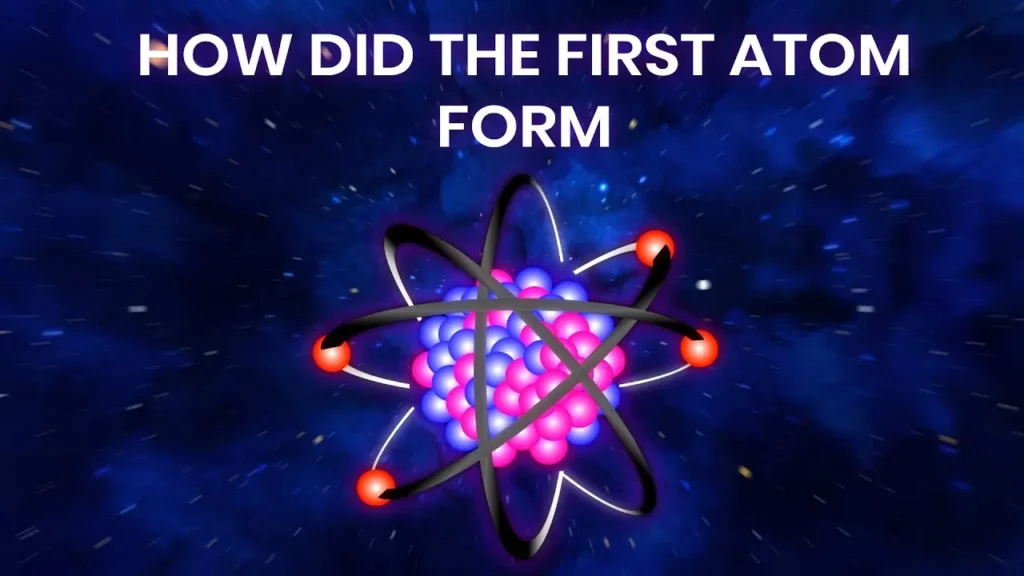
The lesson explores the origins and evolution of the universe, beginning with the Big Bang approximately 13.8 billion years ago, which marked the universe’s expansion from a singularity point. It details the subsequent phases, including the Grand Unification Era, cosmic inflation, and the formation of matter and atoms, leading to the creation of stars and galaxies. Ultimately, it highlights humanity’s ongoing quest to understand the universe’s mysteries and our place within it.
How Electricity Works | Electricity Explained Simply | Current vs Voltage |
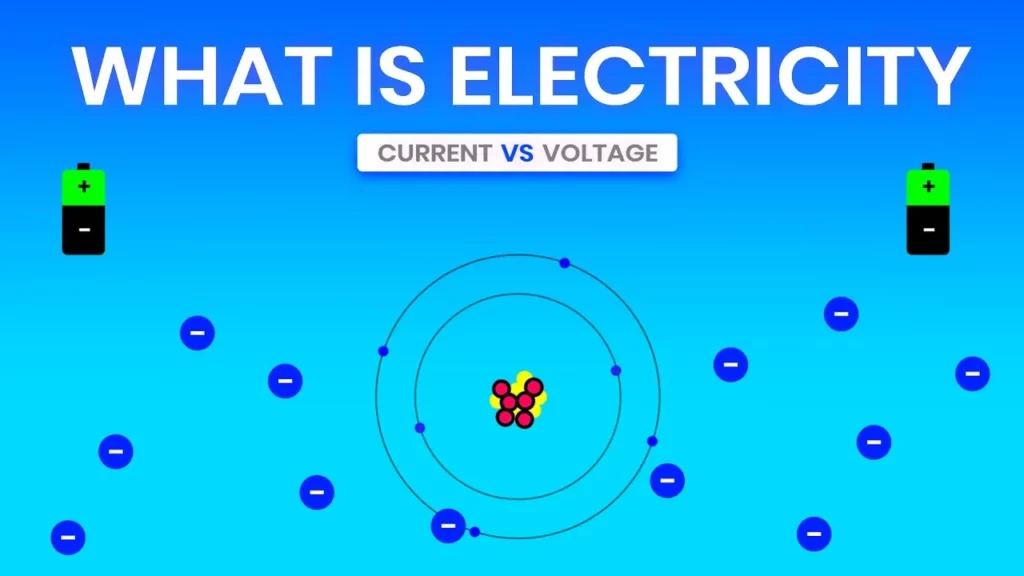
The lesson “Understanding Electricity: A Simple Guide” explains the fundamental concepts of electricity, including the structure of atoms, the role of charged particles, and the distinction between conductors and insulators. It highlights how electric current, measured in amperes, is the flow of electrons driven by voltage, which acts as the force pushing them through a circuit. Additionally, the lesson emphasizes the importance of safety when handling electricity to prevent accidents.