
Dumb Ways to Die – Celebrity Edition

The lesson “Dumb Ways to Die – Celebrity Edition” explores the unusual and often tragic circumstances surrounding the deaths of various celebrities, highlighting that fame does not shield individuals from bizarre accidents or unfortunate events. It covers a range of incidents, from ancient playwright Aeschylus being struck by a tortoise to modern figures like Steve Jobs facing health complications due to personal choices. The article serves as a reminder of the unpredictability of life, even for those in the spotlight.
YOU vs PSYCHO – Could You Defeat and Survive Norman Bates the Psycho Killer

In this lesson, you navigate a suspenseful scenario where you must survive a stay at the infamous Bates Motel, run by the seemingly polite yet dangerous Norman Bates. To ensure your safety, you must engage cautiously with Norman, avoid triggering his temper, and cleverly plan your escape while being resourceful in defending yourself if necessary. Ultimately, the lesson emphasizes the importance of quick thinking, adaptability, and maintaining composure in a life-threatening situation.
Weirdest Wars Where Nobody Was Killed
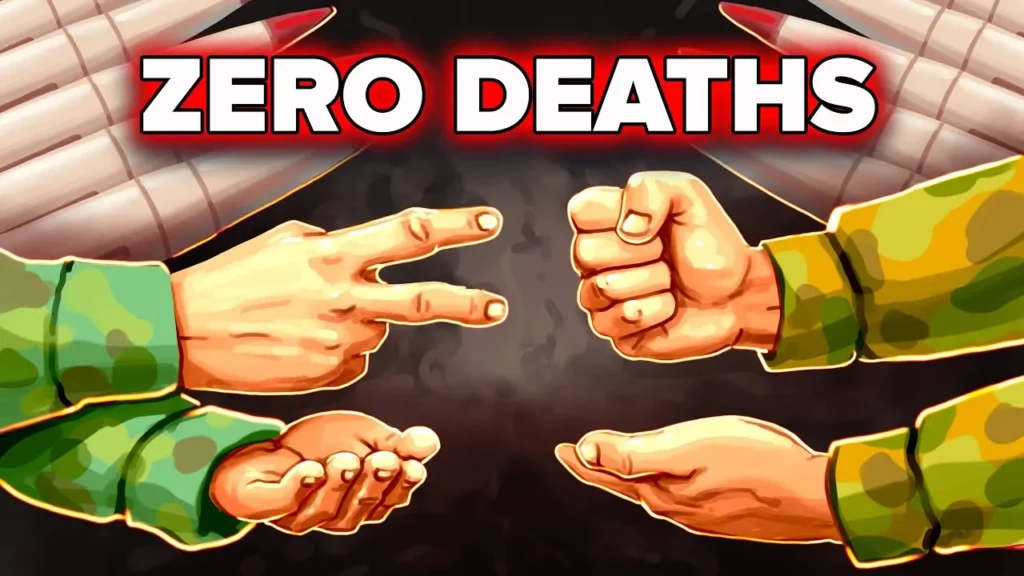
The lesson explores a series of bizarre historical conflicts known as “bloodless wars,” where no casualties occurred despite declarations of war. Examples include the Three Hundred and Thirty-Five Year War, which lasted over three centuries without any fighting, and the Honey War, where a border dispute resulted in no violence but some damaged trees and bees. These intriguing cases highlight that not all wars are violent; some end in treaties, celebrations, or even humorous misunderstandings.
What If Hitler Won World War 2 (1950s)

The lesson explores an alternate history where Adolf Hitler and the Axis powers won World War II, examining the potential political, social, cultural, technological, and economic ramifications of such an outcome. It suggests that Nazi dominance could have led to widespread oppression, altered global power dynamics, and significant changes in scientific progress and economic structures. Ultimately, this thought experiment emphasizes the importance of understanding historical events to appreciate the current global landscape and the need to safeguard democratic values and human rights.
Most Terrifying Greek Monsters (Ranked)

This lesson explores some of the most terrifying monsters from Greek mythology, highlighting their unique characteristics and the legendary heroes who confronted them. From the multi-headed Hydra to the fearsome Typhon, each creature embodies a blend of horror and intrigue, showcasing the rich tapestry of myths that continue to captivate audiences today. The lesson emphasizes the enduring impact of these monsters on storytelling and cultural imagination.
Weird Facts About the Anus

This lesson explores the anatomy and function of the anus, emphasizing its crucial role in the digestive system and overall health. It highlights the importance of understanding this often-overlooked part of the body, discusses its muscular structure and control mechanisms, and underscores the significance of maintaining good hygiene. Additionally, it dispels common misconceptions about the anus, revealing surprising facts about its cleanliness and development.
Which Mythology Has the Most Powerful Gods

The lesson explores the powers of gods from various mythologies, comparing their strengths and abilities in a hypothetical showdown. It highlights the Greek gods’ elemental mastery, the Norse gods’ warrior spirit tempered by their fate, the Egyptian gods’ guardianship of order, and the supreme powers of the Hindu Trimurti. Ultimately, the Trimurti is suggested to rank highest in power, inviting readers to consider the strengths of different mythological figures and engage further with the topic.
Top 5 Most Expensive Human Organs on the Black Market
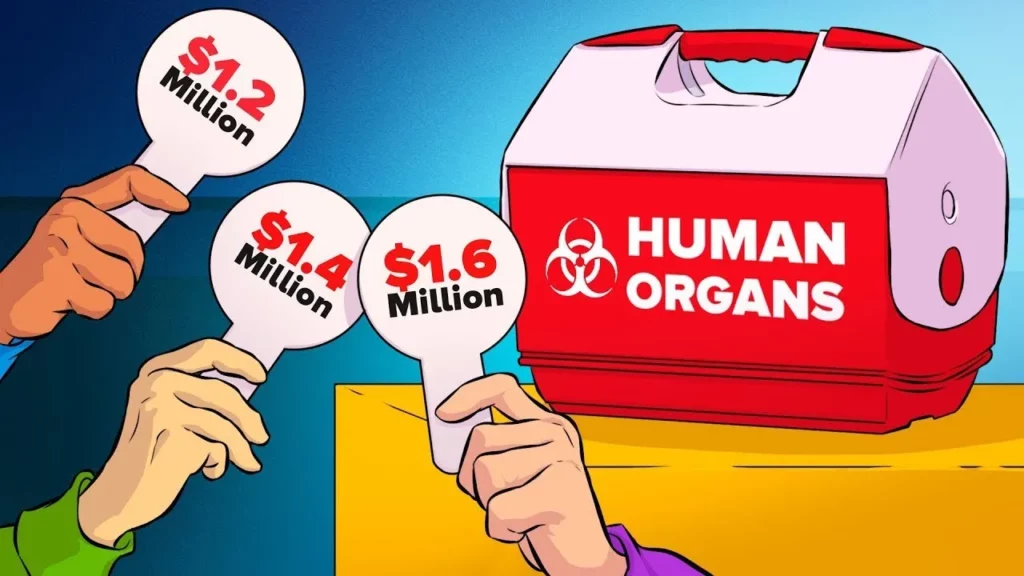
The lesson explores the complex value of human organs, emphasizing their biological importance and the troubling demand in illegal markets due to a significant shortage for transplantation. It highlights the varying values of organs like kidneys, livers, hearts, lungs, and pancreases, driven by factors such as scarcity and medical necessity, while also addressing the ethical and legal implications of the black market trade that exploits vulnerable populations. Efforts to combat organ shortages through legal means, such as promoting organ donation and improving transplant technologies, are crucial for fostering ethical practices and reducing the need for illegal organ trade.
MOST WANTED FBI Criminals 2024 Edition

The lesson on the FBI’s Most Wanted list emphasizes its critical role in enlisting public assistance to capture dangerous criminals who evade law enforcement. It outlines the criteria for inclusion on the list, profiles notorious fugitives, and highlights the impact of technology in crime fighting. Ultimately, the lesson encourages public vigilance and participation in the pursuit of justice, reinforcing that even small pieces of information can significantly aid in solving cases.
What If a Squad of Navy SEALS Time Traveled to The Revolutionary War

The lesson explores the hypothetical scenario of a squad of Navy SEALs time-traveling to the Revolutionary War to assist George Washington and the Continental Army. It discusses the historical context of the war, including the financial strains on Britain, colonial unrest due to taxation, and the challenges faced by American forces. The lesson concludes that the advanced training and technology of the SEALs could have significantly altered the course of the war, potentially leading to a quicker victory for American independence.