
USA vs CHINA – Military / Army Weapons Technology Comparison
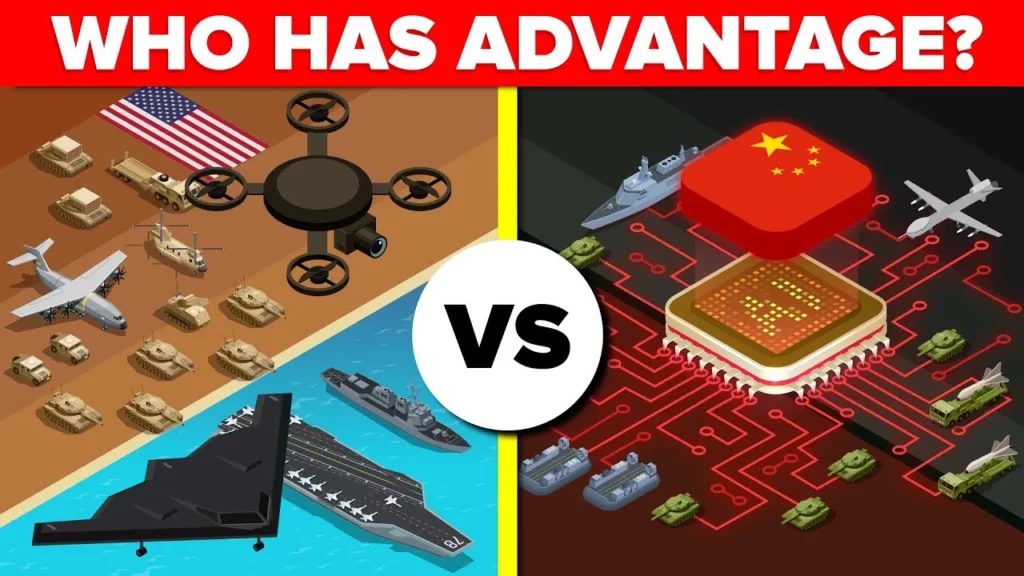
The lesson compares the military technologies of the United States and China, highlighting the shifting power dynamics between the two nations. It emphasizes the critical role of semiconductors in military advancements and the ongoing “chip war,” while also noting China’s rapid technological growth, particularly in artificial intelligence and autonomous systems. Despite the US’s current technological advantages, the lesson underscores the importance of adaptability and innovation as both countries continue to evolve their military capabilities.
What Happens to All the Bodies After Major World Wars

The lesson explores the historical and modern practices surrounding the treatment of soldiers’ bodies after major world wars, highlighting the evolution from mass graves and battlefield burials to more respectful and structured processes. It discusses how cultural customs and military policies have changed over time, particularly during significant conflicts like the American Civil War and World Wars I and II, leading to the establishment of systems that prioritize the dignified handling of remains. Today, Mortuary Affairs Specialists play a vital role in ensuring that fallen service members are returned to their families with respect, even as challenges persist in contemporary conflict zones.
Why Do the Taliban and ISIS Hate Each Other (Compilation)
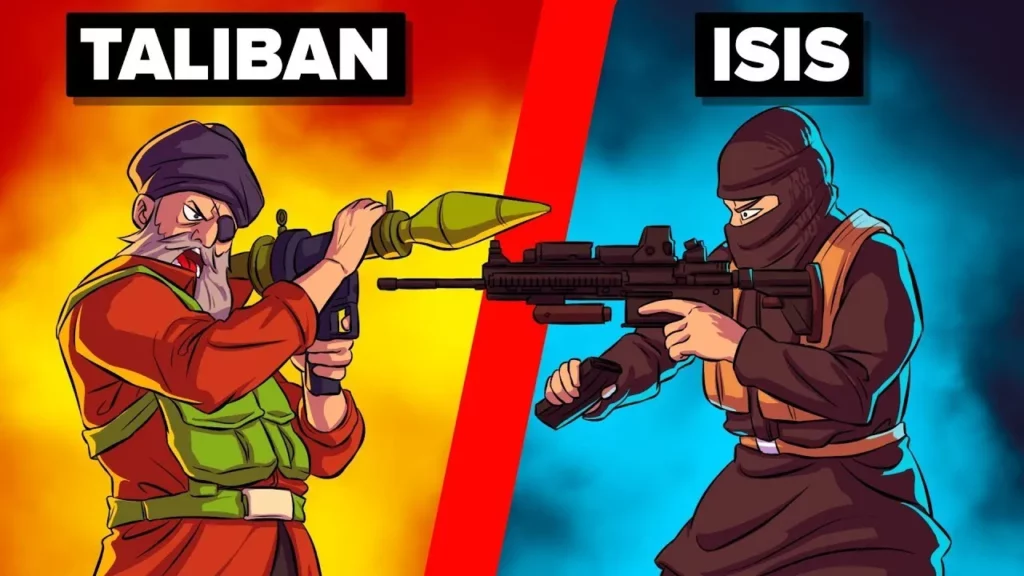
The lesson explores the complex relationship between the Taliban and ISIS, highlighting their ideological differences and strategic conflicts. While the Taliban focuses on establishing an Islamic state within Afghanistan based on Deobandism, ISIS pursues a more radical, global caliphate vision rooted in Salafism. Their rivalry not only leads to violent confrontations but also poses significant challenges for regional stability and international counterterrorism efforts.
Craziest Political Assassinations in History
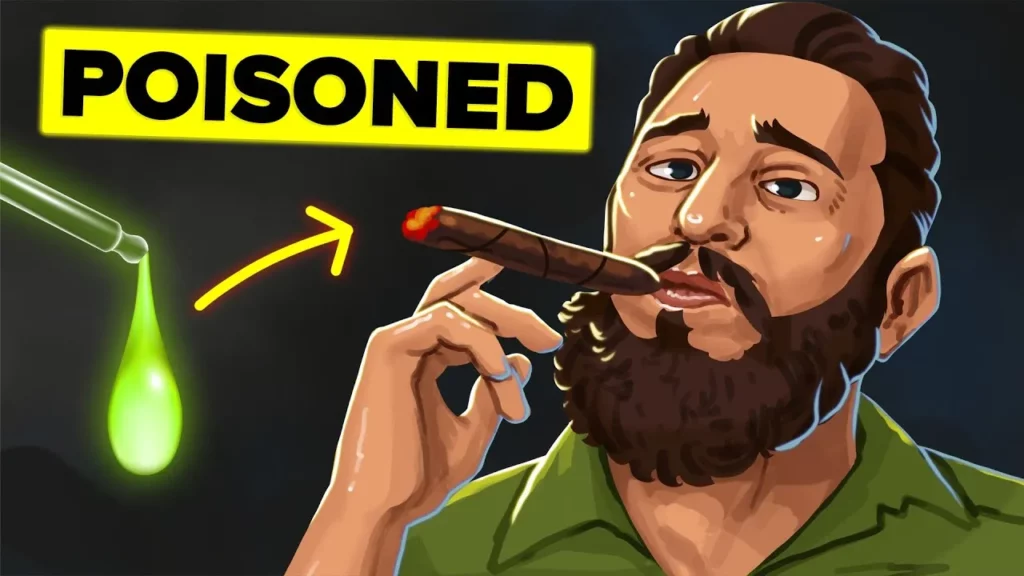
The lesson explores notable political assassinations throughout history, highlighting the intrigue and complexity surrounding these events. It examines cases such as Fidel Castro’s numerous survival attempts, Indira Gandhi’s tragic assassination by her bodyguards, and the dramatic methods used in various plots, including poisoned cigars and disguised attackers. The lesson underscores the themes of trust, power struggles, and the personal motives that often drive political violence.
Why The US Navy Wants BATTLESHIPS Again (Compilation)
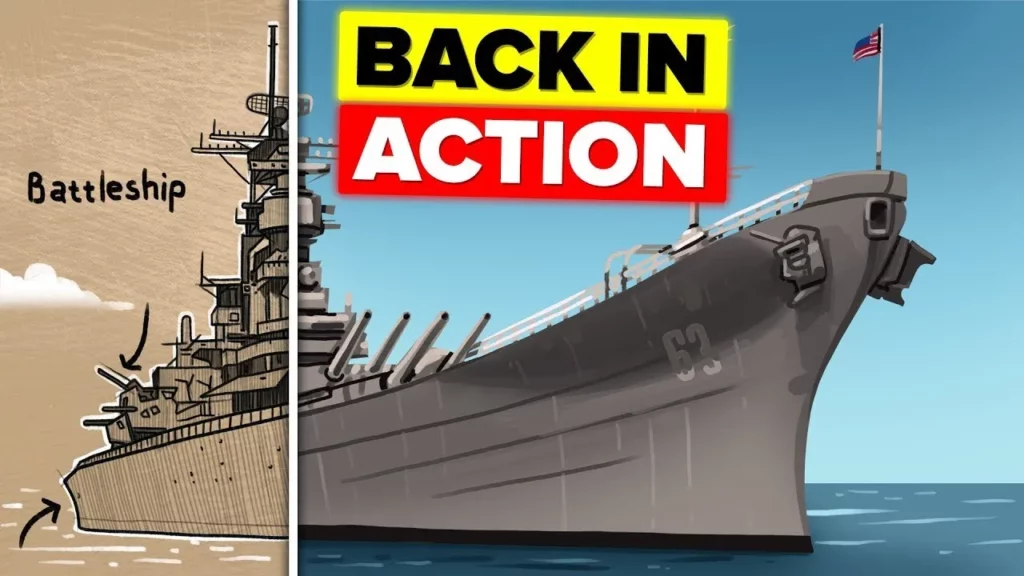
The lesson explores the historical significance of battleships in naval warfare and the renewed interest in their potential role in modern naval strategy. While battleships once dominated the seas, their decline was marked by the rise of aircraft carriers; however, advancements in technology and changing naval challenges have sparked a debate about reintroducing battleships, which could offer resilience and powerful offensive capabilities in contested waters. The discussion emphasizes the need for innovative solutions in adapting naval strategies to address contemporary threats.
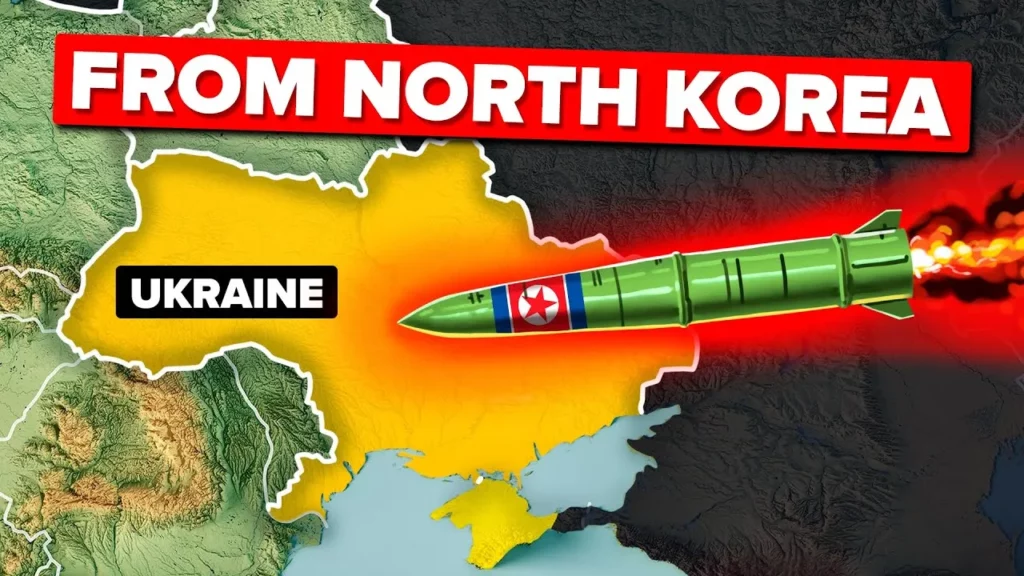
Why North Korea is Testing Nuclear Weapons in Ukraine
The lesson emphasizes the importance of setting boundaries and recognizing limitations in providing assistance. It highlights the need for clear communication when one is unable to fulfill a request, ensuring that expectations are managed effectively. Ultimately, it teaches that it’s okay to say no and prioritize one’s own capabilities and well-being.
YOU vs PIKACHU – Could You Defeat and Survive the Most Famous Pokémon

In this lesson, we explore the challenges of facing Pikachu, the iconic electric mouse Pokémon, and how to survive an encounter with it. By understanding Pikachu’s abilities, such as its powerful electric attacks and potential evolutions, as well as employing defensive strategies like using a Faraday cage or finding cover, you can increase your chances of survival. Ultimately, the lesson emphasizes that knowledge and preparation are key, and sometimes the best option is to avoid confrontation altogether.
ARMY vs MARINES – What’s the Real Difference? (Compilation)
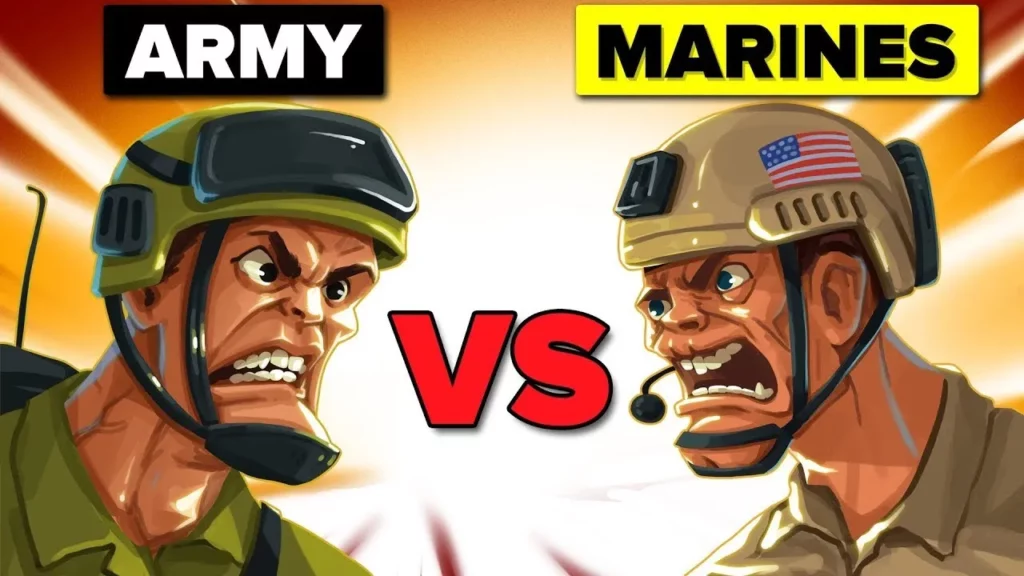
The lesson highlights the key differences between the U.S. Army and the Marines, focusing on their distinct missions, training, and cultures. The Army is primarily responsible for sustained ground operations and large-scale troop deployments, while the Marines specialize in rapid response and amphibious assaults. Understanding these differences enhances appreciation for the unique roles each branch plays in national defense.
Can Ukraine Survive Another Year of War Against Russia
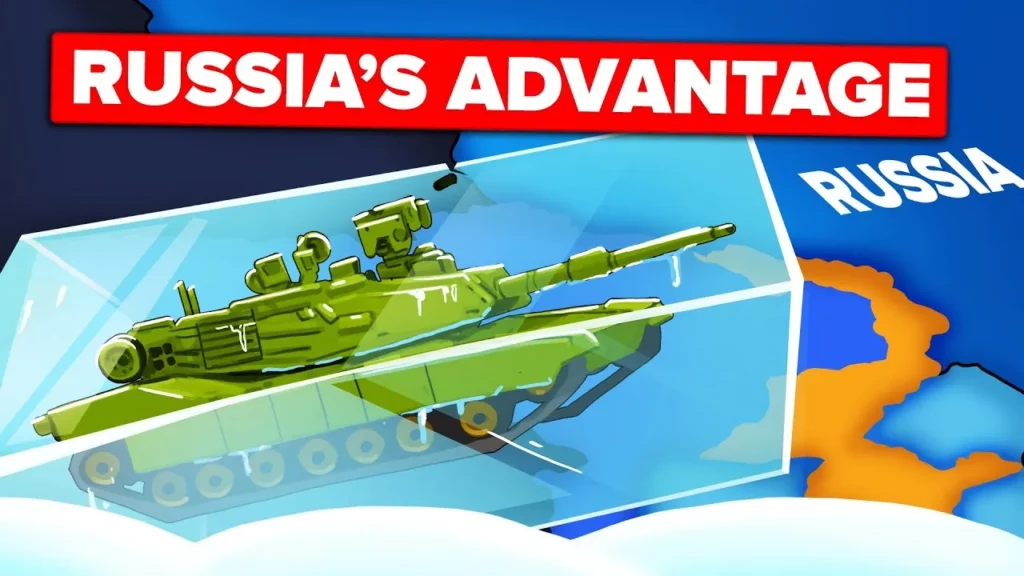
The lesson discusses Ukraine’s ongoing military challenges and successes in its 2023 offensive against Russia, emphasizing the need for a long-term strategy as winter approaches. Despite facing significant obstacles, including insufficient Western support and political deadlock in the U.S., Ukraine is preparing to continue its offensive operations and is set to receive F-16 fighter jets, which will enhance its defense capabilities. Ultimately, Ukraine’s survival through the winter and the potential resolution of the conflict hinge on sustained and increased support from Western allies.
Weird Facts About the Prostate
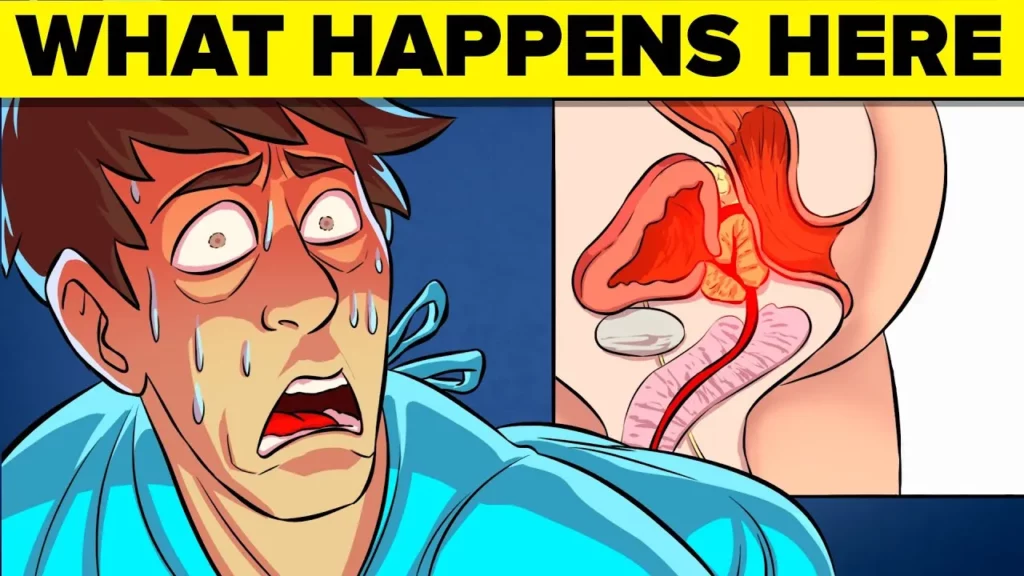
The lesson emphasizes the importance of understanding the prostate, a walnut-sized gland crucial for men’s health, particularly in relation to urinary and reproductive functions. It highlights common prostate issues, including benign prostatic hyperplasia and prostate cancer, stressing the need for regular check-ups and a healthy lifestyle to maintain prostate health. Awareness of symptoms and proactive healthcare can significantly impact overall well-being.