
Which Country is Next on Putin’s Invasion List
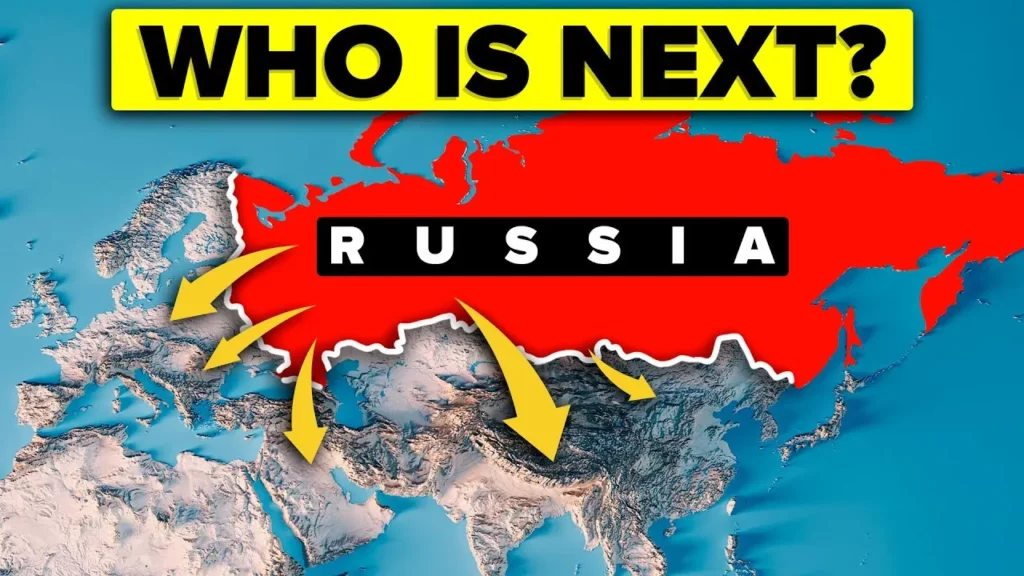
The lesson explores the complexities of global geopolitics with a focus on Russia’s strategic maneuvers under President Vladimir Putin. It emphasizes the historical and geographical factors that shape Russia’s desire to maintain influence over neighboring regions, particularly in Eastern Europe and the Arctic, while also considering the implications of its military actions and international alliances. Understanding these dynamics is essential for anticipating Russia’s future moves and their impact on global relations.
Terrifying Apocalyptic Predictions You Won’t Survive (Compilation)

The lesson on apocalyptic predictions explores their historical, cultural, and psychological significance, revealing how they reflect humanity’s fears and hopes for the future. While often rooted in religious and scientific contexts, these predictions highlight human resilience and adaptability in the face of potential disasters. Ultimately, they serve as a call to action, encouraging us to address pressing global issues and work towards a sustainable and hopeful future.
Roman VS Ottoman Empire – Who Would Win?
The lesson explores the historical significance and military prowess of the Roman and Ottoman Empires, which, despite never coexisting, were two of the most powerful empires in history. It highlights their expansion, methods of maintaining power, and eventual decline, while posing a hypothetical question about which empire would prevail in a direct confrontation, noting the Ottomans’ advanced weaponry and the Romans’ tactical military discipline. Ultimately, both empires had distinct strengths and weaknesses that shaped their legacies.
CHINA vs UNITED STATES – Military/Army Base Comparison (Compilation)
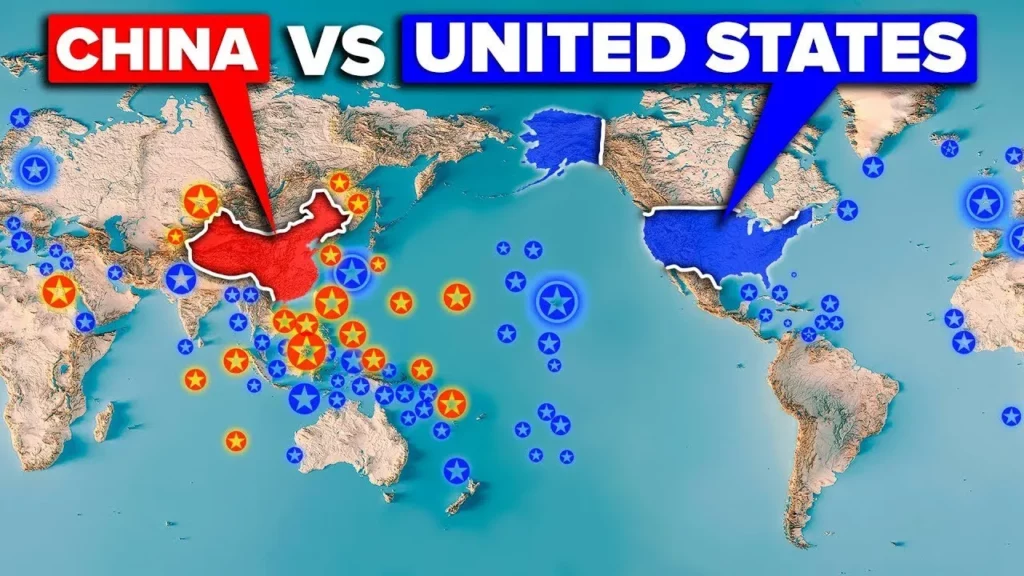
The lesson compares the military bases of China and the United States, highlighting their strategic importance in projecting power and ensuring national security. While the U.S. operates a vast network of technologically advanced bases worldwide, China is rapidly expanding its military presence, particularly in the Asia-Pacific region, to enhance its influence and protect economic interests. The ongoing modernization efforts of both countries reflect their commitment to maintaining and advancing their military capabilities in a changing geopolitical landscape.
16 NAVY SEAL Squads vs 1,000 MONGOL WARRIORS – Who Would Win? Military / Army Comparison

The lesson explores a hypothetical battle between Navy SEALs and Mongol warriors, highlighting the strengths and tactics of each group. While the SEALs possess advanced technology and superior firepower, the Mongols excel in mobility, adaptability, and hand-to-hand combat skills. Ultimately, the scenario illustrates how different eras and combat styles could influence the outcome of such a confrontation.
INDIA vs CHINA – 2024 Military/Army Comparison (Compilation)
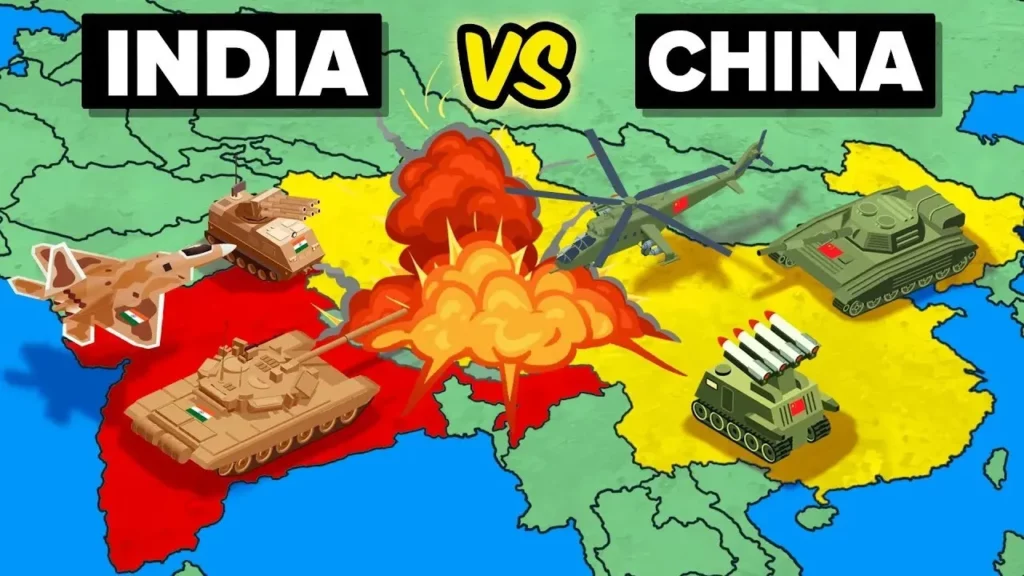
The lesson compares the military capabilities of India and China as of 2024, highlighting their respective strengths, personnel, defense budgets, and technological advancements. While China leads with a larger military budget and advanced weaponry, India focuses on self-reliance and indigenous production, maintaining a significant defense force. Understanding these dynamics is crucial for grasping the geopolitical landscape in Asia and the broader implications for international relations and security.
US Congressman Warns of New Russian DOOMSDAY Weapon
The lesson discusses concerns raised by US Congressman Mike Turner regarding a new Russian anti-satellite weapon that could threaten US military operations reliant on satellite technology. The weapon, which may utilize a massive electromagnetic pulse (EMP), poses risks not only to satellite functionality but also to international relations and space safety, potentially leading to space debris and further escalation of tensions. While the actual deployment of such a weapon remains uncertain, the situation underscores the need for vigilance and collaboration among allies to address emerging threats in space.
Terrifying Reasons Why North Korea is the Most Dangerous Place on Earth (Compilation)

The lesson on North Korea highlights the complexities of the Democratic People’s Republic of Korea (DPRK), focusing on its totalitarian political structure, military capabilities, and severe human rights violations. It emphasizes the challenges posed by North Korea’s nuclear ambitions and economic struggles, while also suggesting that diplomatic engagement and dialogue could pave the way for a more stable future. Understanding these intricacies is essential for addressing the global implications of North Korea’s actions and fostering potential pathways for positive change.
Terrifying Planets That Will Literally Tear You to Pieces

The lesson explores a variety of extreme exoplanets that exhibit terrifying conditions, highlighting their unique characteristics and the dangers they pose to potential visitors. From the scorching heat of Kepler-70b to the glass rain of HD 189733 b, each planet showcases the incredible diversity and harshness of worlds beyond our own. These fascinating celestial bodies serve as a reminder of the vast and often inhospitable universe we inhabit.
WW2 Rifles vs Vietnam War Rifles – Military Gun Comparison
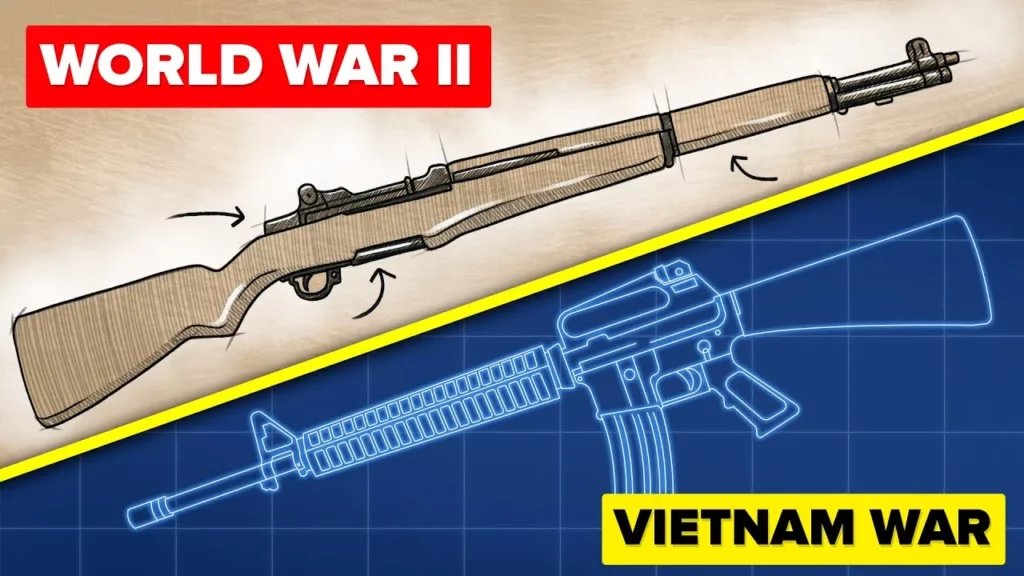
This lesson compares the rifles used in World War II and the Vietnam War, highlighting their significance in determining battle outcomes. It details six key rifles from World War II, such as the M1 Garand and the Lee-Enfield, and five from the Vietnam War, including the M16 and AK-47, illustrating the evolution from bolt-action and semiautomatic designs to fully automatic weapons. The discussion emphasizes the technological advancements and tactical shifts in military firearms across these two pivotal conflicts.