
50 Insane Declassified CIA Secrets You Aren’t Supposed to Know
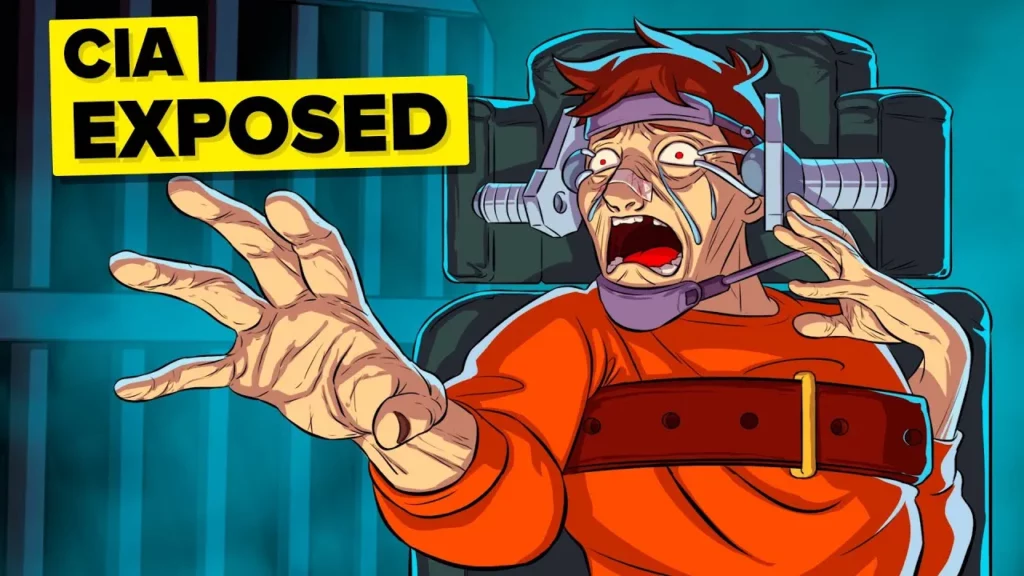
The lesson explores the intriguing and often controversial declassified secrets of the CIA, shedding light on its innovative espionage techniques, such as using animal spies and conducting mind control experiments under the MK-Ultra program. It also highlights significant covert operations, like the 1953 Iranian coup, and the agency’s technological advancements, including the U-2 spy plane and Corona satellite program, while emphasizing the ongoing discussions about transparency and ethics in intelligence work. Overall, these revelations provide a deeper understanding of the CIA’s complex role in global affairs and the implications of its actions.
Why Japanese Soldiers NEVER Used Shields

The lesson explores the historical context of why Japanese soldiers, particularly samurai, did not commonly use shields in warfare. Initially, shields like the *tedate* were utilized, but as warfare evolved towards the samurai era, the emphasis on speed, mobility, and the use of two-handed weapons made shields impractical. Instead, alternative forms of protection, such as the *jingasa* and stationary shields like the *tate*, emerged, reflecting the changing dynamics of battle and the advancements in armor and weaponry.
Next World War Will Begin Because of THIS Country – Nuclear War Compilation
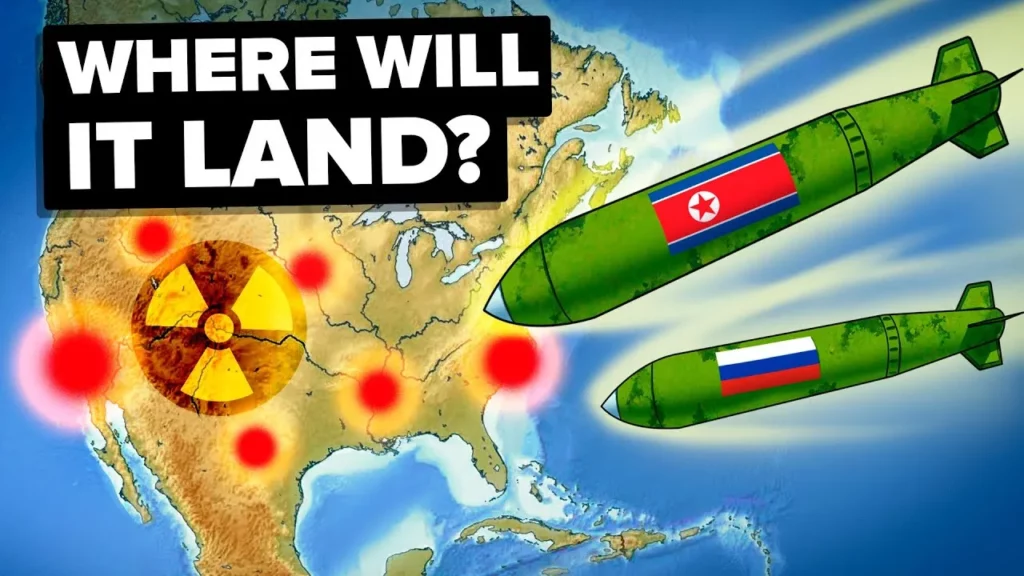
The lesson emphasizes the importance of understanding the complex relationships between key nations, such as the U.S., China, and Russia, in shaping global peace and security. It highlights how geopolitical dynamics, regional conflicts, and nuclear capabilities can lead to potential tensions and conflicts, stressing the need for diplomacy and international cooperation to mitigate these risks. Ultimately, the article underscores that a nuanced comprehension of these factors is vital for anticipating and preventing future international conflicts.
What Ukraine Needs to Win War Against Russia
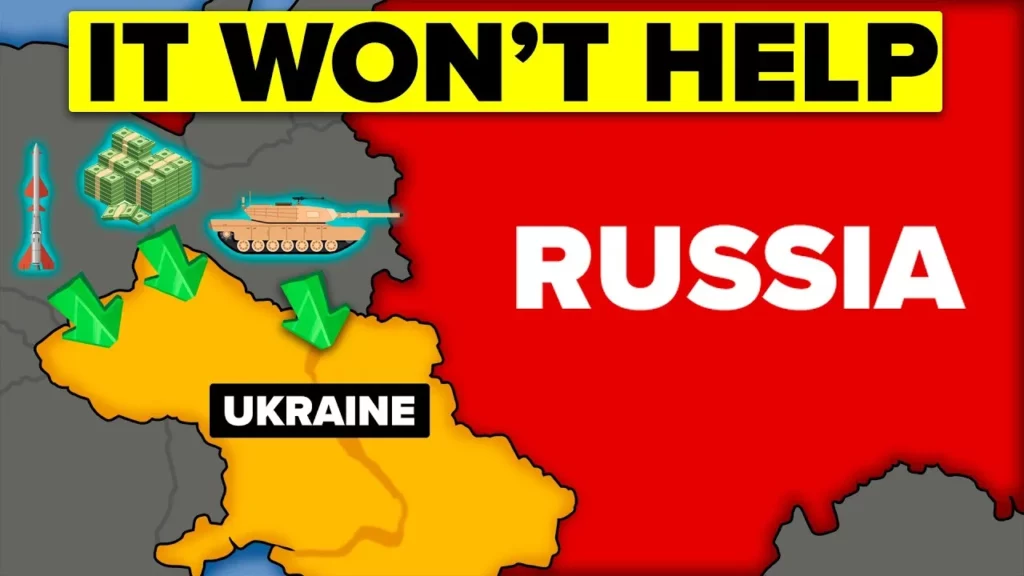
The lesson discusses Ukraine’s recent military successes against Russia, highlighting the importance of continued Western support, particularly in terms of military aid, to maintain momentum in the conflict. Key military needs include air defense systems, artillery, and advanced fighter jets, while effective leadership from President Zelensky is crucial for rallying international support. The future of Ukraine’s sovereignty and potential EU membership hinges on sustained global backing and the resilience of its people amidst ongoing challenges and geopolitical factors.
50 Insane Facts About the Nazis

This lesson explores 50 fascinating and lesser-known facts about the Nazi Party, shedding light on their bizarre interests, propaganda tactics, and the dark realities of their regime. It covers a range of topics, from the origins of the party and controversial decisions made by its leaders to the exploitation of marginalized groups and the use of propaganda in various forms. Through these facts, the lesson aims to provide a deeper understanding of the complexities and atrocities associated with the Nazis.
Terrifying Space Stories That Keep Scientists Awake at Night (Compilation)
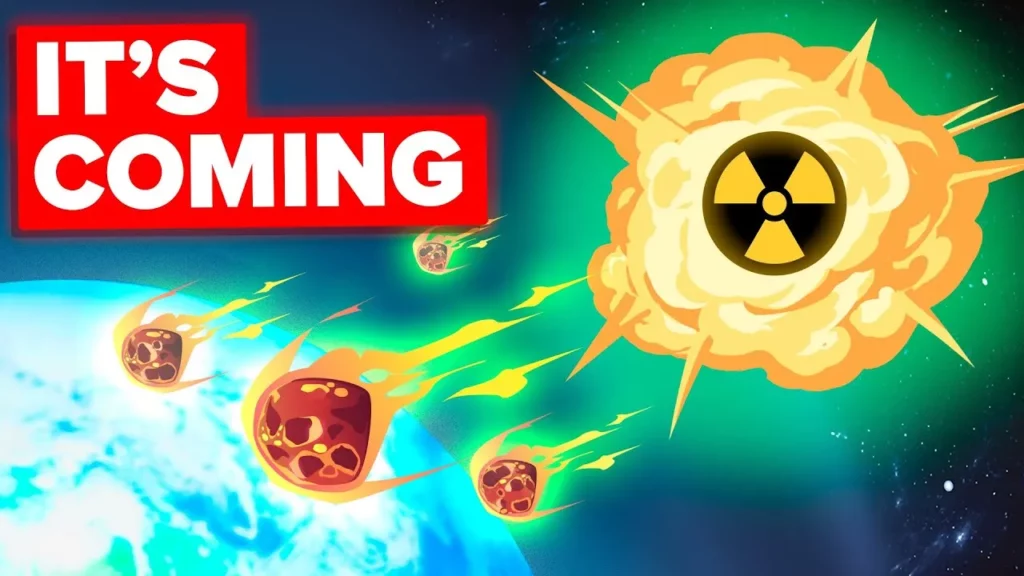
The lesson explores the intriguing and often terrifying phenomena in space that challenge our understanding of the universe, such as black holes, dark matter, gamma-ray bursts, the Fermi Paradox, and rogue planets. Each of these topics highlights the mysteries that keep scientists awake at night, prompting ongoing research and debate about the fundamental laws of physics and the nature of existence. Ultimately, these cosmic enigmas inspire a deeper appreciation for the complexity and beauty of the universe.
How Does Tank Armor Actually Work
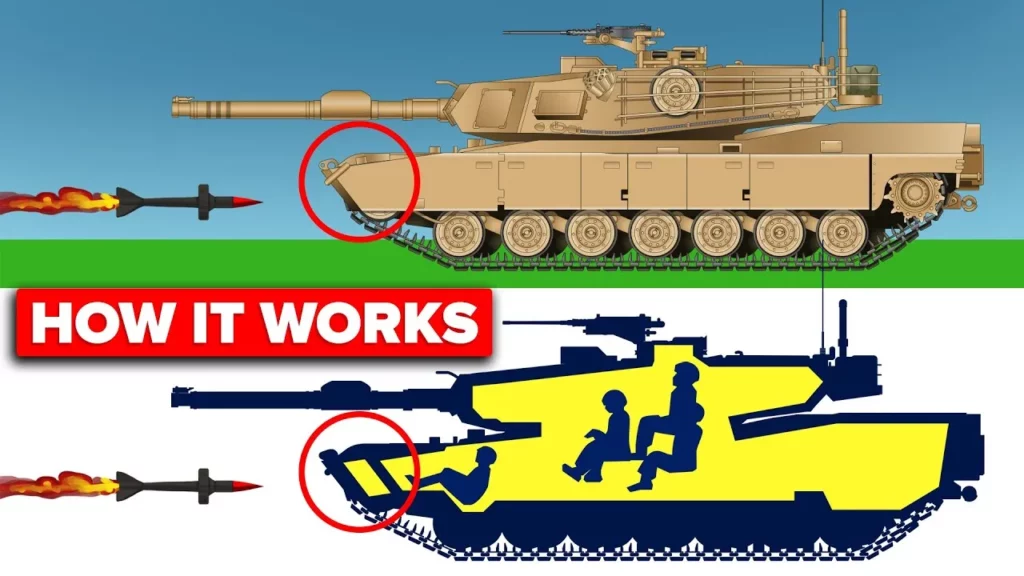
The lesson explores the evolution of tank armor from its inception during World War I to modern advancements, highlighting key developments such as sloped armor, composite materials, and reactive armor. It discusses how different nations, particularly during the Cold War, competed to enhance tank protection, leading to innovations like Chobham armor and the M1 Abrams’ upgrades. The lesson concludes by emphasizing the integration of advanced technologies, such as active protection systems, to improve tank survivability in contemporary warfare.
What Countries Would Look Like After WW3 (Compilation)
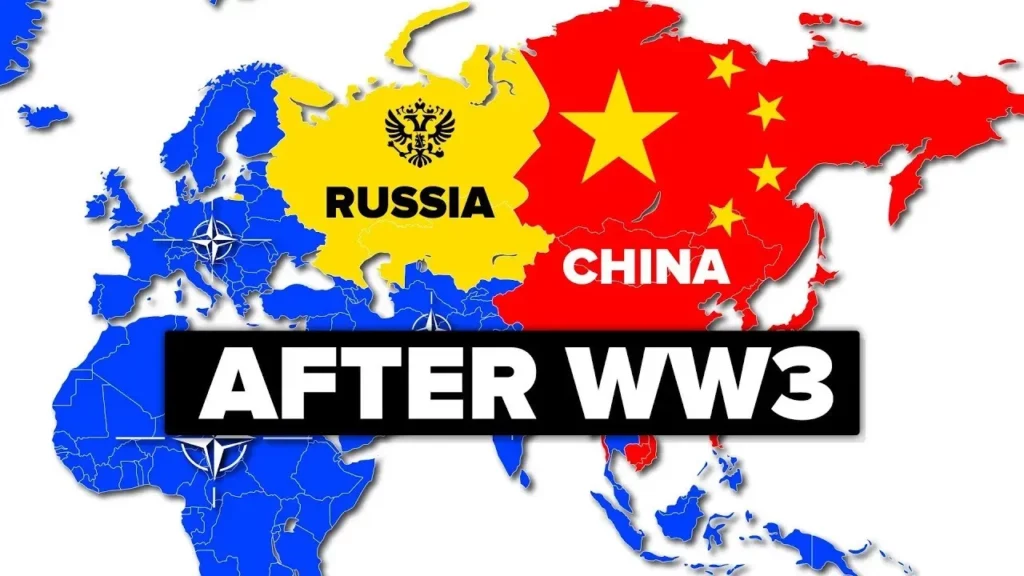
The lesson explores the hypothetical aftermath of a global conflict, emphasizing the potential geopolitical, economic, and social changes that could arise. It highlights how alliances may shift, economies could face downturns yet spur innovation, and societies might experience demographic changes that foster global unity. Ultimately, the article underscores the importance of diplomacy and cooperation in maintaining peace and stability in the international arena.
These Counties Will Arrest Putin When He Tries to Flee Russia
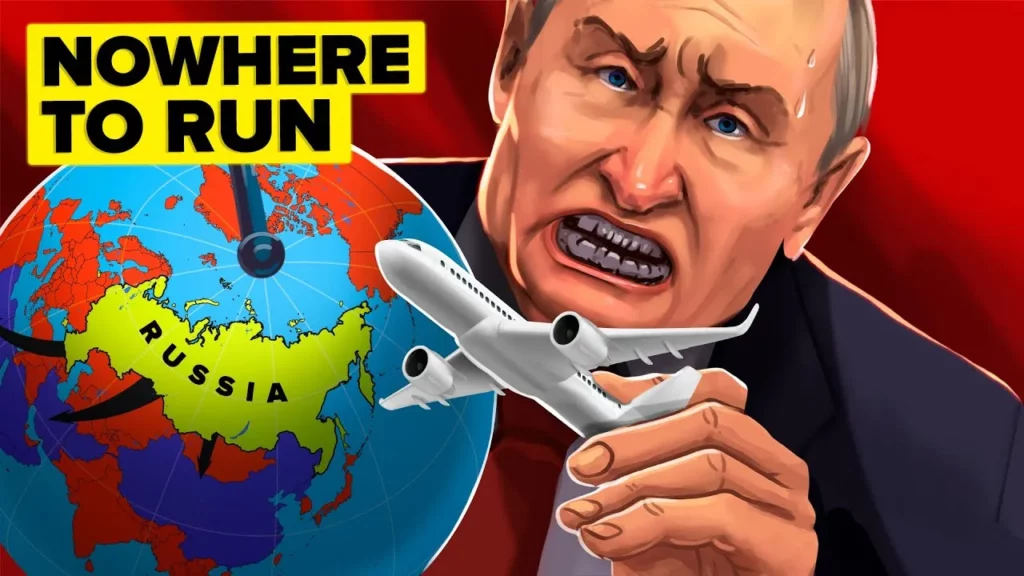
The lesson discusses the extensive travel restrictions facing Russian leader Vladimir Putin due to an arrest warrant issued by the International Criminal Court (ICC) related to war crimes in the context of the Ukraine conflict. With 123 countries obligated to detain him if he travels there, Putin has largely remained in Russia, as many popular destinations are off-limits. While some nations support the ICC’s warrant, others maintain good relations with Russia, complicating the enforcement of the warrant and limiting Putin’s travel options.
Why You Wouldn’t Last 24 Hours in World War I

The lesson explores the extreme challenges faced by soldiers during World War I, highlighting the deadly arsenal of weapons, including machine guns and chemical warfare, that made survival nearly impossible. It also delves into the harsh realities of trench warfare, where unsanitary conditions led to disease, and the broader impact of the war on civilians and society. Overall, the lesson emphasizes the brutal nature of the conflict and the significant sacrifices made by those involved.