
What if Hitler Won World War 2 (1980s)

The lesson explores the hypothetical scenario of a world where Adolf Hitler and the Axis powers won World War II, examining the profound political, social, and economic changes that might have ensued. It suggests that Europe could have been dominated by Nazi ideology, leading to increased oppression and a significant shift in global power dynamics, particularly affecting the United States and its alliances. Additionally, the lesson highlights potential alterations in technological advancements and economic structures, emphasizing the lasting impact of World War II on contemporary society.
Terrifying Plane Accidents That Will Make You Never Want to Fly Again (Compilation)
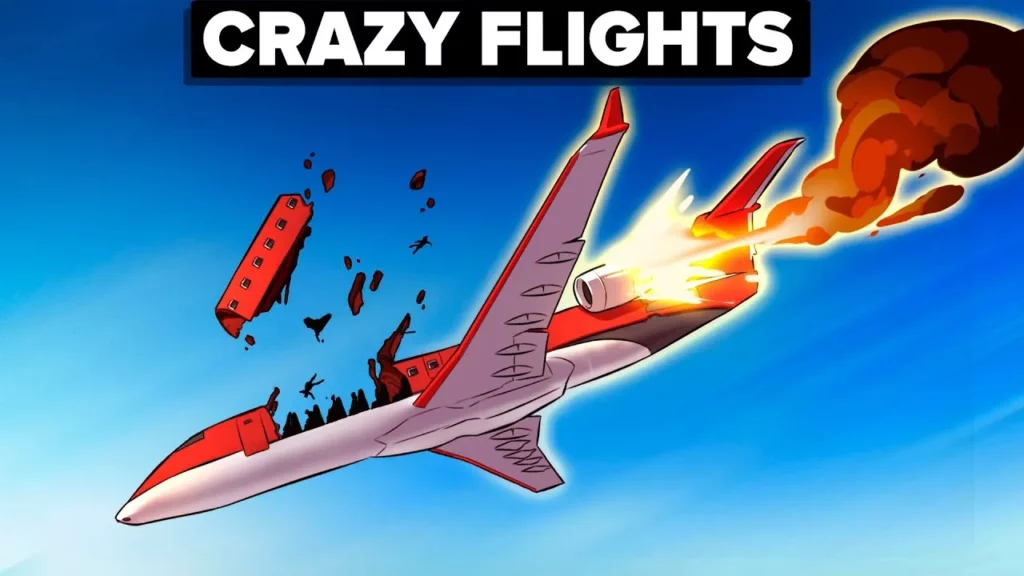
The lesson on “Understanding Aviation Safety: Lessons from Plane Accidents” emphasizes the importance of learning from past incidents to enhance air travel safety. Key takeaways include the critical role of pilot training and decision-making, advancements in aircraft technology, the essential function of air traffic control, and the significance of passenger preparedness. By examining these elements, the aviation industry continually improves safety standards and minimizes risks associated with flying.
What If India and Pakistan Went to Nuclear War (Minute by Minute)
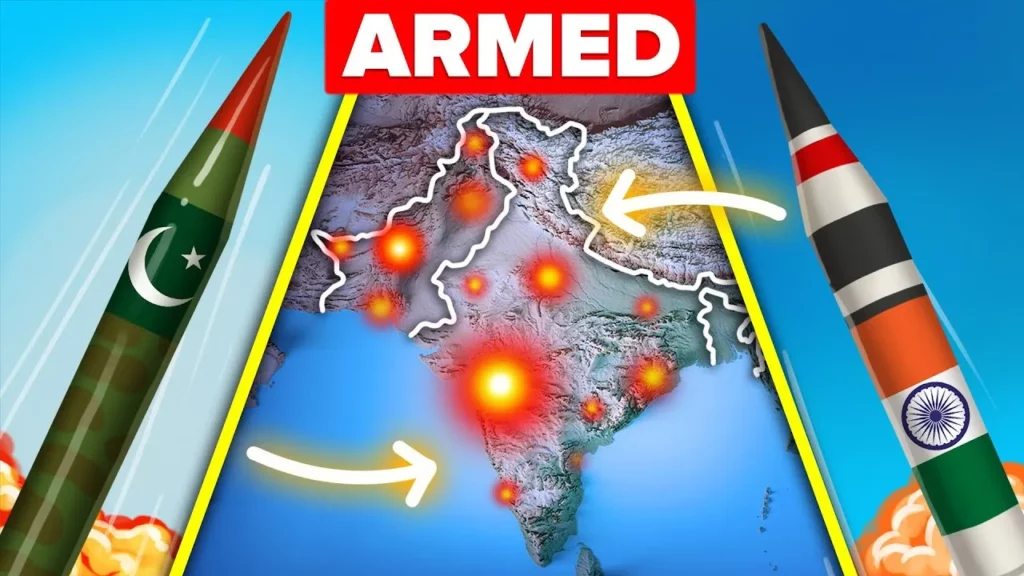
The lesson emphasizes the grave consequences of a potential nuclear conflict between India and Pakistan, highlighting the immediate devastation, humanitarian crises, and long-term environmental and economic repercussions that could ensue. It underscores the importance of diplomatic efforts, international cooperation, and public awareness in preventing such a catastrophic scenario. Ultimately, the lesson advocates for sustained dialogue and peace initiatives to ensure a safer future for both nations and the world.
Crazy Ways They Tried to Assassinate Castro

The lesson explores the bizarre and numerous assassination attempts on Cuban leader Fidel Castro by the CIA, highlighting over 600 failed plots that included unconventional methods like poisoned cigars and explosive seashells. The U.S. government’s motivation stemmed from Castro’s alignment with the Soviet Union and his establishment of a communist regime in Cuba, which raised significant concerns during the Cold War. Ultimately, Castro’s survival was attributed to his strong security measures and the ineptitude of the assassination efforts, leading to a ban on political assassinations by President Gerald Ford.
The Stupid Mistakes That Lead to Chernobyl Nuclear Disaster
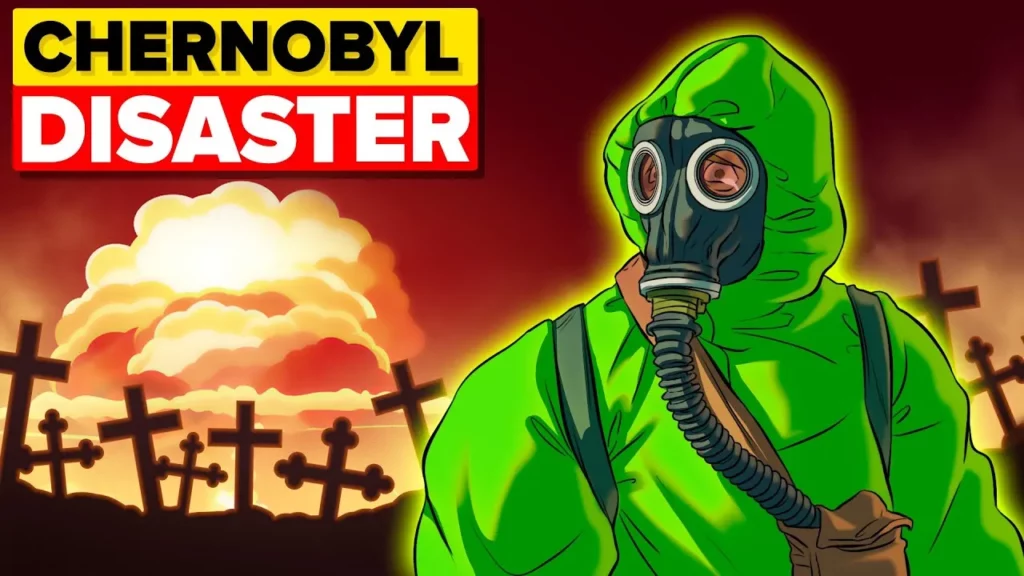
The Chernobyl disaster of 1986, the worst nuclear accident in history, was primarily caused by a combination of human errors, flawed reactor design, and systemic failures within the Soviet nuclear program, which prioritized secrecy over safety. The lack of adequate safety protocols and a culture that discouraged reporting issues contributed to the catastrophic chain reaction that led to the explosion. The aftermath not only resulted in immediate loss of life and the evacuation of Pripyat but also had long-term health impacts, highlighting the critical importance of transparency and rigorous safety measures in nuclear energy management.
Why Vaping is So BAD For You (Compilation)
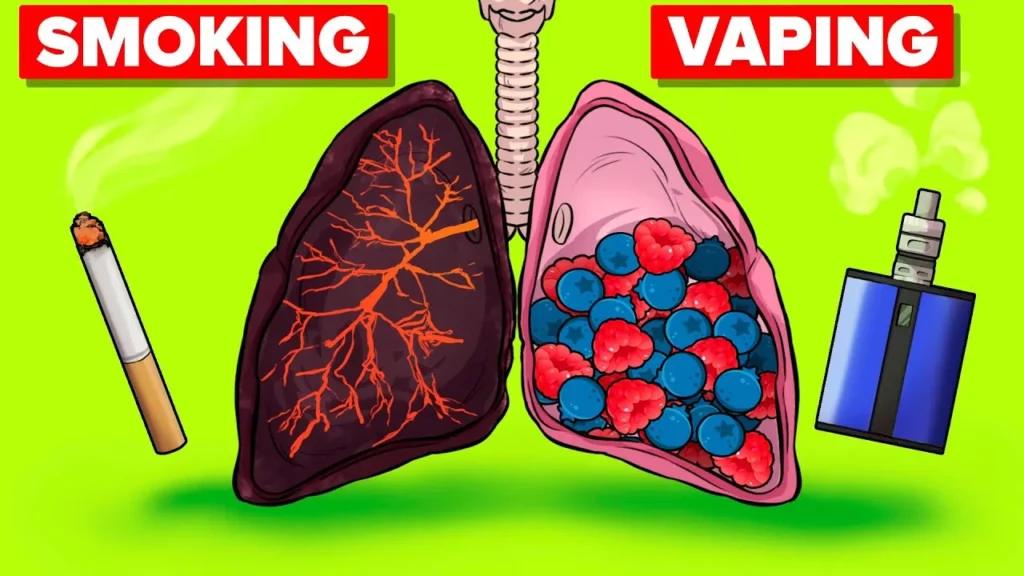
The lesson emphasizes the significant health risks associated with vaping, particularly for young people. Despite being marketed as a safer alternative to traditional smoking, vaping exposes users to harmful substances, including nicotine, which can lead to addiction and negatively impact brain development. Understanding these dangers is essential for making informed health decisions, especially given the potential long-term consequences of vaping.
This is What Will Happen When the Panama Canal Dries Up
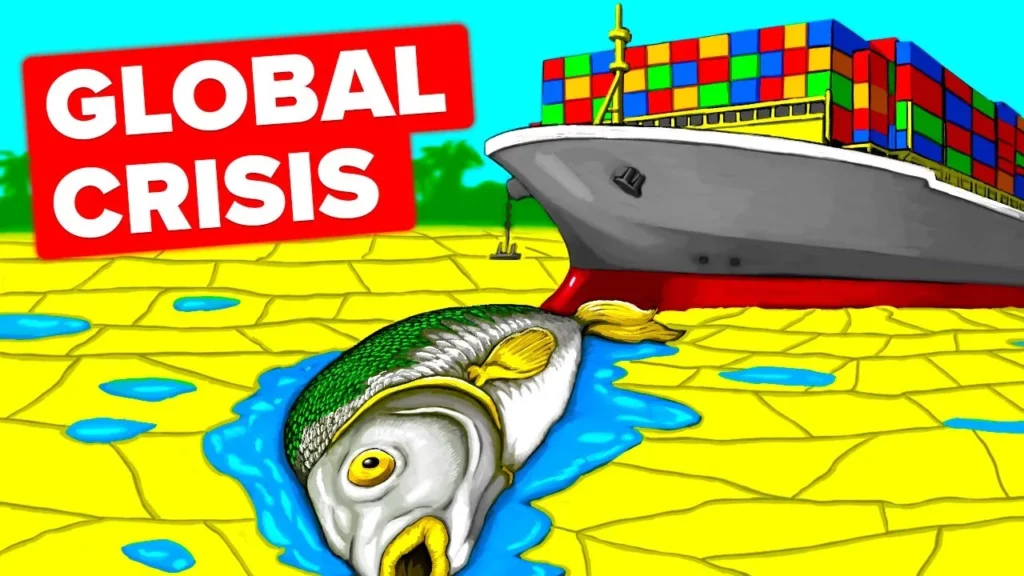
The lesson discusses the critical role of the Panama Canal in global trade and the significant challenges it faces due to its reliance on freshwater and climate change. With record-low rainfall threatening its water supply, the canal’s operations could be severely impacted, leading to economic disruptions not only for Panama but also for the U.S., which depends on the canal for a substantial portion of its goods. The situation underscores the interconnectedness of global supply chains and the broader implications of climate change on trade and the environment.
The Taliban’s Plan To Rule the World
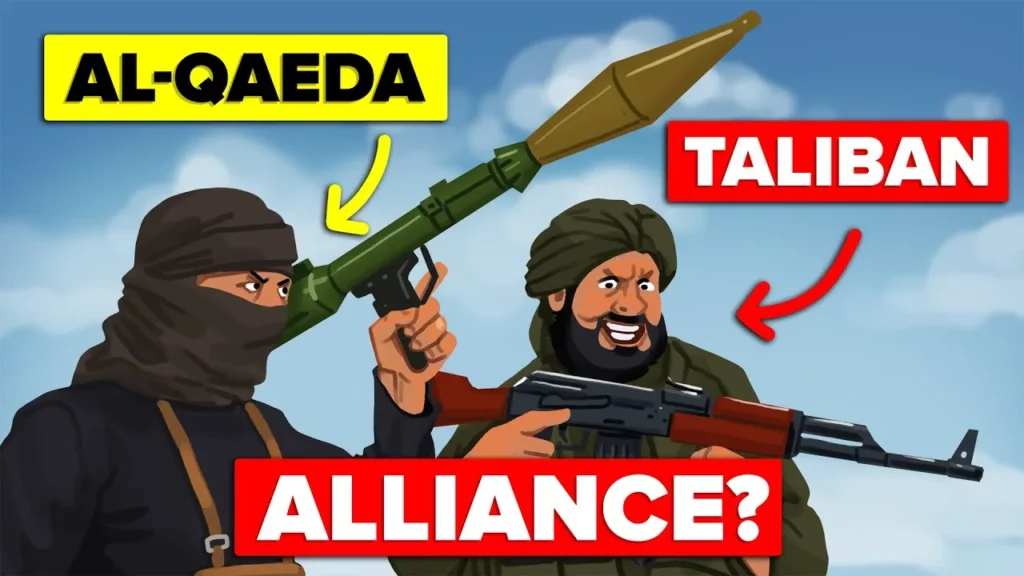
The lesson explores the Taliban’s ideology, historical rise to power, and current ambitions to establish an Islamic Emirate while expanding their influence beyond Afghanistan. It highlights the challenges they face, including internal divisions and international opposition, and emphasizes the importance of understanding the cultural and political context of their actions. Ultimately, the lesson underscores the complexities of global geopolitics and the need for critical thinking in addressing international conflicts.
What if Hitler Won World War 2 (1990s)
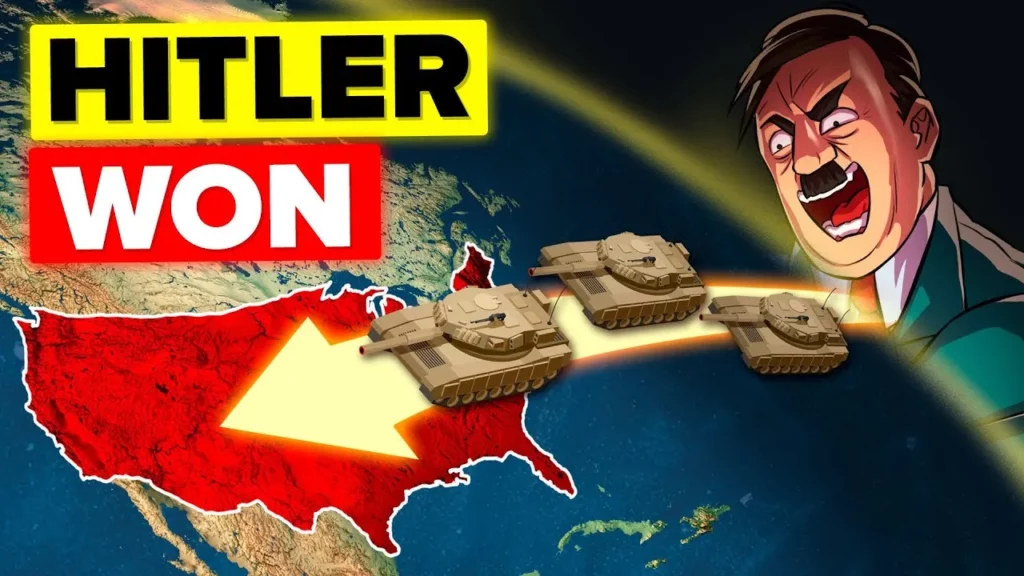
The lesson explores the hypothetical scenario of a world where Hitler won World War II, examining the profound changes that could have occurred in the geopolitical landscape, technological advancements, and cultural dynamics. It suggests that Europe might have been dominated by Nazi ideology, leading to oppression and the suppression of diversity, while the United States and Soviet Union’s global influence would have been diminished. Ultimately, this alternate history serves as a reminder of the significance of the Allied victory and its role in shaping a world that values human rights and cultural diversity.
INSANE WILD ANIMAL STORIES (Compilation)
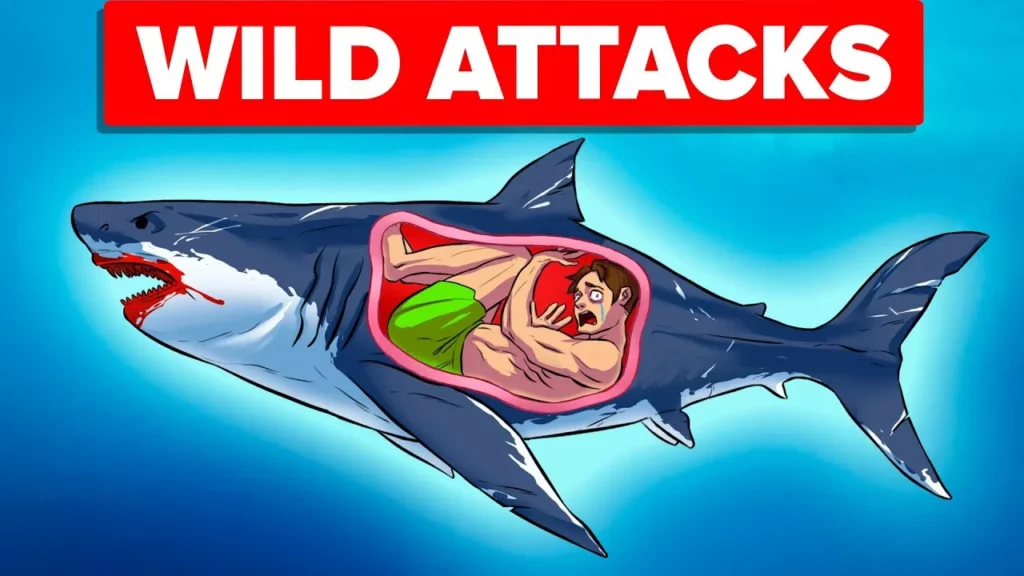
The lesson highlights remarkable stories from the animal kingdom that showcase the intelligence, empathy, and adaptability of various wild animals, including crows, elephants, dolphins, and octopuses. These captivating tales illustrate the complex behaviors and social structures of these creatures, emphasizing the importance of understanding and conserving wildlife. Ultimately, the lesson encourages a deeper appreciation for the interconnectedness of all living beings and the need for harmonious coexistence with nature.