
Why the World Economy Has No Need for Russia
The lesson discusses the significant shift in the global economy’s reliance on Russian resources, highlighting how, by 2024, many countries have successfully adapted to function without them. Following the 2022 invasion of Ukraine, Western nations united to find alternative energy sources, drastically reducing Europe’s dependence on Russian gas and oil. As a result, Russia’s influence in global markets is diminishing, facing challenges in redirecting exports and dealing with economic instability, suggesting a long-term decline in its economic power.
Insane Way US Will Respond if China Invades Taiwan
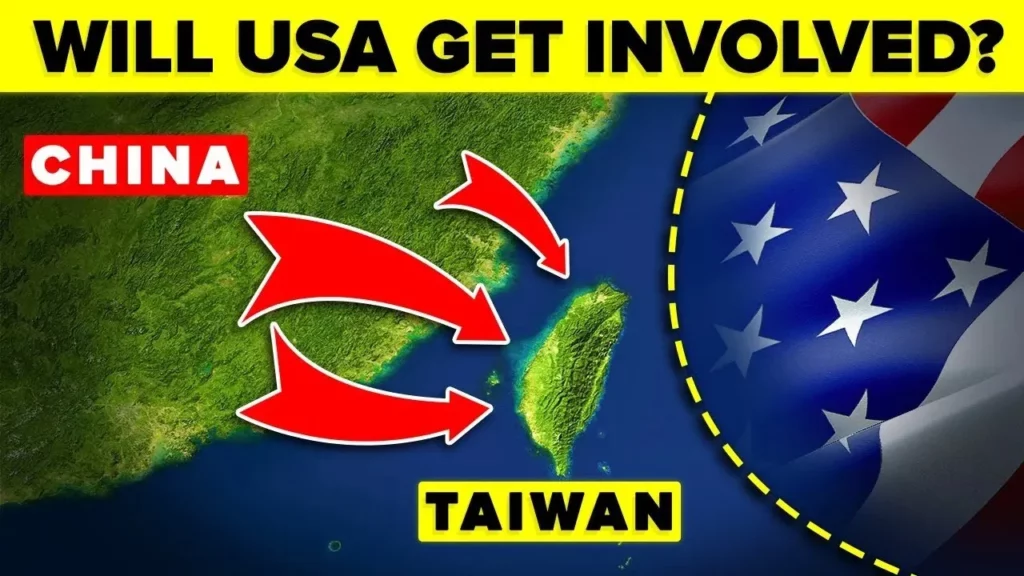
The lesson explores the potential U.S. response to a hypothetical Chinese invasion of Taiwan, emphasizing the region’s strategic importance and the complexities of international relations. It highlights the U.S. policy of strategic ambiguity, its economic and military interests in Taiwan, and the likelihood of a multifaceted response involving diplomatic efforts, economic sanctions, and military actions in coordination with allies. Ultimately, the situation underscores Taiwan’s critical role in maintaining stability and balance of power in the Asia-Pacific region.
Weird Weapons of the Vietnam War
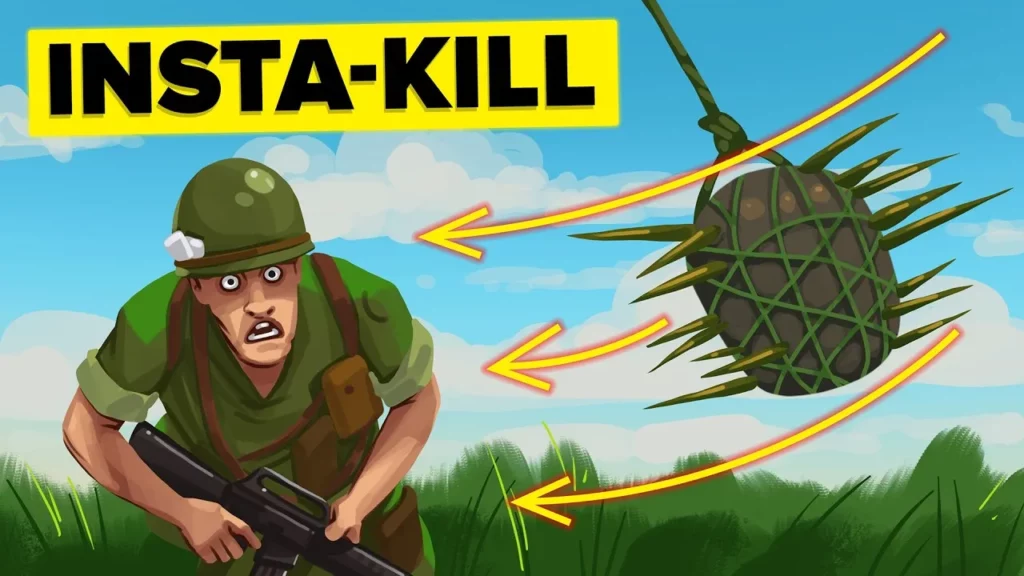
The lesson on “Weird Weapons of the Vietnam War” explores the unconventional tools and strategies developed during this complex conflict, highlighting innovations such as the bat bomb, tunnel rats, the Daisy Cutter, and pungi sticks. These examples illustrate the creativity and resourcefulness of both the U.S. military and the Viet Cong, showcasing how necessity drives innovation in warfare. By examining these unique weapons, we gain a deeper understanding of the Vietnam War’s complexities and the evolution of military tactics.
What Really Happened When US Military Encountered a Giant in Afghanistan
The lesson explores the myth of a giant encountered by U.S. Special Forces in Afghanistan in 2002, which gained traction in 2016 through various accounts and a short film by L.A. Marzulli. Despite the captivating narrative, investigations by fact-checkers like Snopes revealed no evidence supporting the existence of such an encounter, suggesting the story was likely a fabrication born from soldiers’ coping mechanisms during the stress of war. Ultimately, the tale reflects humanity’s fascination with the unknown and serves as a reminder of the complex realities faced by military personnel.
Why Hiroshima and Nagasaki Don’t Resemble Chernobyl
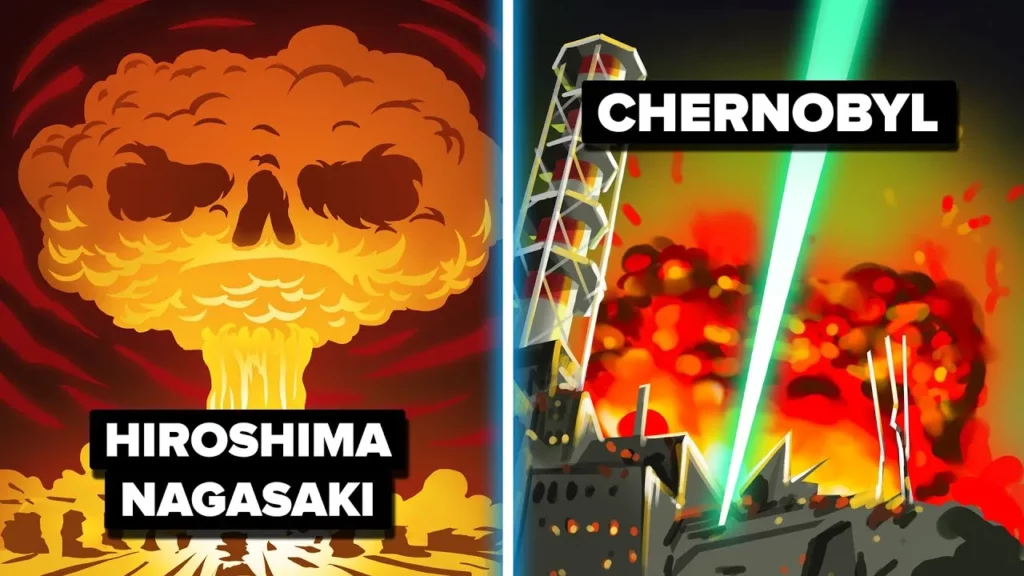
The lesson explores the contrasting fates of Hiroshima and Nagasaki, which have thrived since the atomic bombings in 1945, and Chernobyl, which remains largely uninhabited after the 1986 nuclear disaster. Key differences include the height and location of the explosions, the immediate versus prolonged release of radiation, and the types of radioactive materials involved, all of which influenced the long-term safety and recovery of the affected areas. Understanding these factors highlights the complexities surrounding nuclear events and their lasting impacts on society and the environment.
Study Reveals Cardio vs. Weightlifting: Which One Is Best for You?
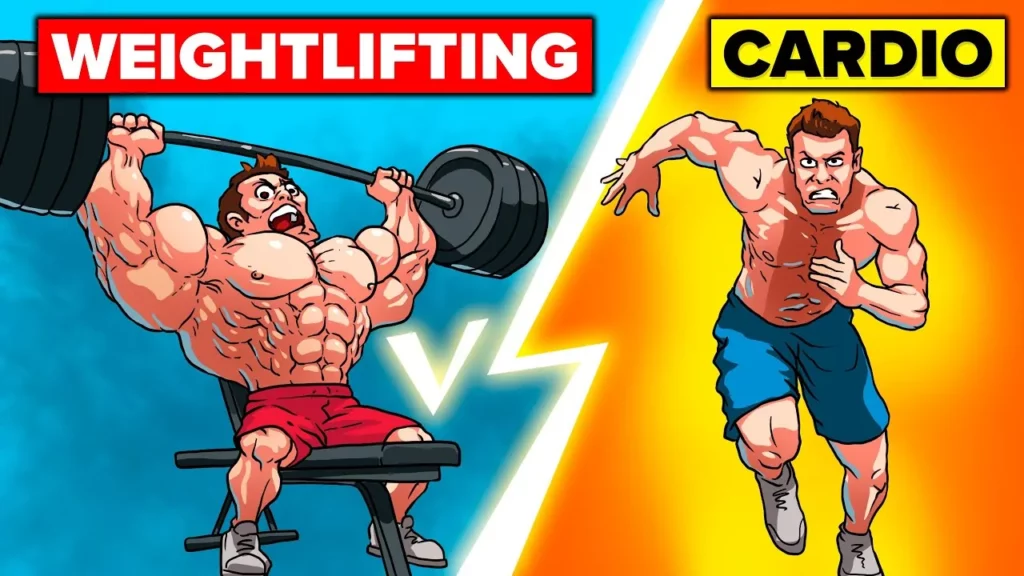
The lesson discusses the benefits and differences between cardio and weightlifting, two popular forms of exercise, in the context of improving health and fitness. While both are valuable, weightlifting is recommended for its superior ability to build muscle mass and strength, which contributes to overall health and longevity. Ultimately, a balanced fitness routine that includes both cardio and weightlifting is ideal for maximizing health benefits.
Why Ukraine is Fighting Russia in Africa
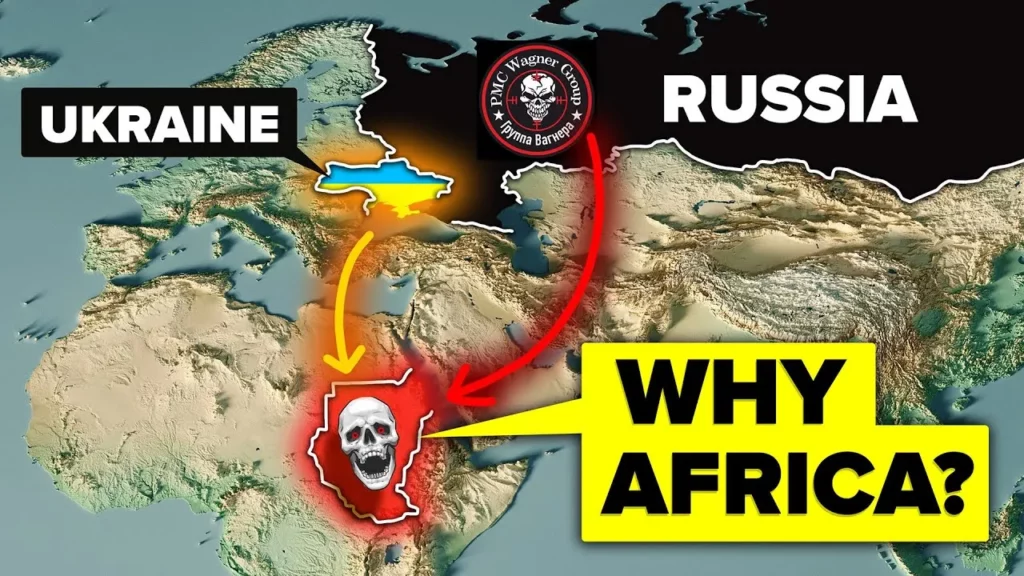
The lesson discusses Ukraine’s strategic engagement with Africa as a means to secure economic resources, build political alliances, and counter Russian influence in the region. By tapping into Africa’s rich natural resources and fostering educational and cultural exchanges, Ukraine aims to enhance its global standing while contributing to the development of African nations. This multifaceted approach reflects Ukraine’s proactive stance in the shifting geopolitical landscape.
What Made Spartans So Much Better At Fighting
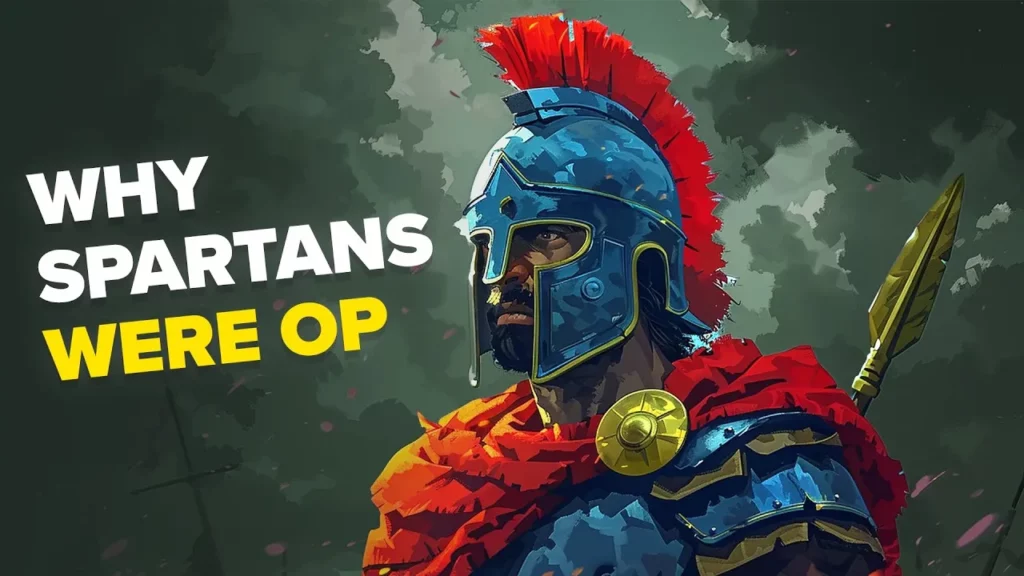
The lesson explores what made the Spartan army one of the most formidable fighting forces in ancient Greece, emphasizing their unique military-focused society and rigorous training system known as the agoge. From birth, Spartan boys underwent strict evaluations and training to develop discipline, physical fitness, and combat skills, which contributed to their legendary status as warriors. Despite their military prowess, the lesson also highlights the societal challenges and reliance on enslaved Helots that characterized Spartan life.
How Strong is US Military in 2024?
The lesson explores the strength of the U.S. military in 2024, highlighting its continued dominance as the leading military power globally. Key factors contributing to this status include significant financial investment, advanced technology, and operational efficiency, with a defense budget of approximately $886 billion. Despite a decrease in active-duty personnel, the U.S. military maintains a formidable presence and capability across its branches, ensuring its strategic advantage in global geopolitics.
Insane Secrets the Government Doesn’t Want You to Know About UFOs (Compilation)
The lesson explores the enduring intrigue surrounding UFOs, highlighting their historical context, government investigations, and recent declassifications that have reignited public interest. It emphasizes the cautious approach of the scientific community towards UFO phenomena, while also acknowledging the role of technology in enhancing research and the cultural impact of UFOs on society. Ultimately, the quest for understanding these mysterious sightings continues, fueled by curiosity and the hope of uncovering extraordinary truths.