
The Pi Song 2.0 (Memorize 200 Digits Of π)
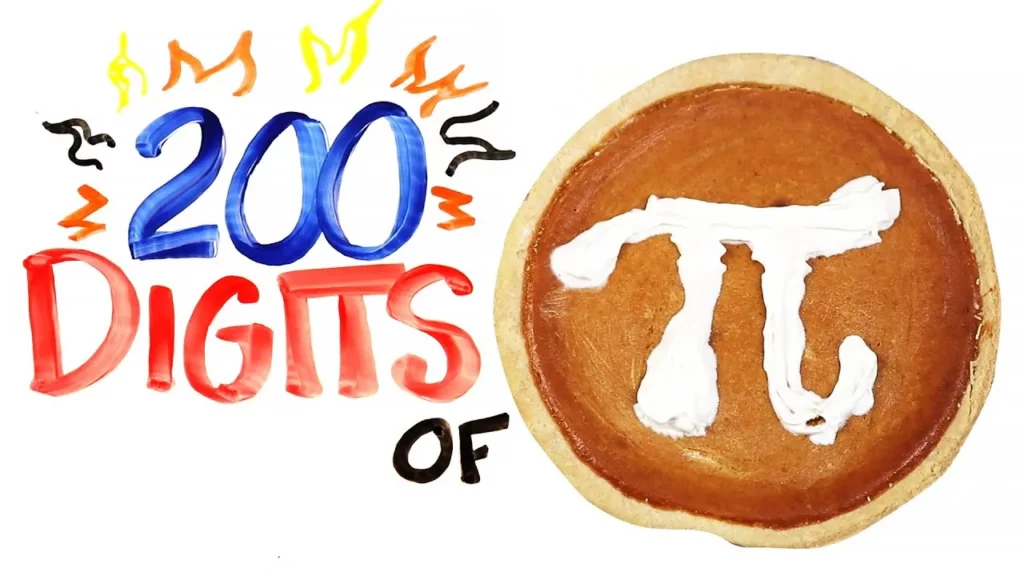
In “The Pi Song 2.0,” learners are introduced to the concept of pi (π) and its infinite, non-repeating nature, while engaging in a fun and memorable way to memorize its first 200 digits through a catchy song. The lesson is structured into two sections, each covering 100 digits, and incorporates playful rhymes and imaginative imagery to enhance retention. By the end, participants are encouraged to continue exploring numbers and science, with the possibility of learning even more digits in the future.
How To Cram For Your Exam (Scientific Tips)
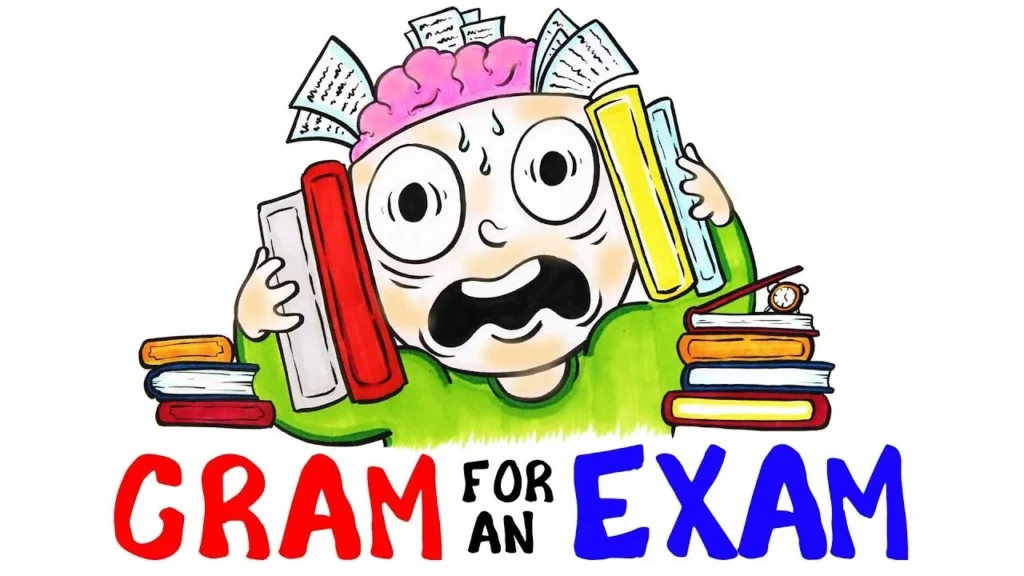
The lesson provides scientifically-backed strategies for effective cramming before exams, emphasizing techniques such as the Memory Palace method and mnemonic devices to enhance memory retention. It also highlights the importance of practice testing, managing stress through relaxation techniques, and prioritizing sleep for optimal memory performance. By understanding personal study habits and incorporating short exercise sessions, students can improve their focus and recall, ultimately boosting their chances of success in exams.
What If You Only Drank Energy Drinks?
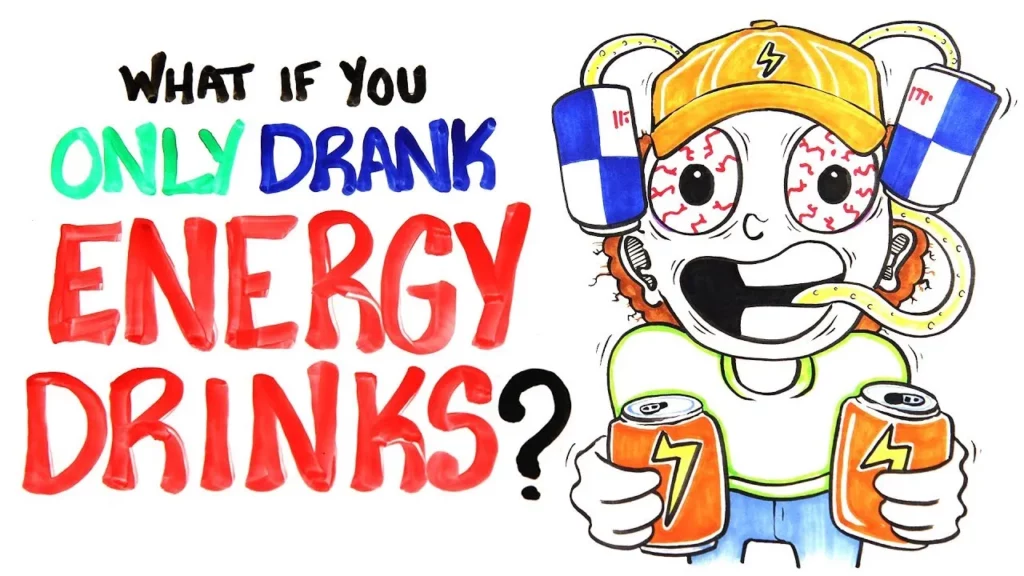
The lesson explores the potential consequences of exclusively consuming energy drinks instead of water, highlighting the immediate effects of sugar and caffeine on the body, such as increased heart rate and blood pressure. It emphasizes the health risks associated with excessive intake, including dehydration, obesity, and serious medical issues like seizures and heart problems. Ultimately, while energy drinks can provide a temporary boost, they should be consumed in moderation to avoid negative health impacts.
It's way different than you think
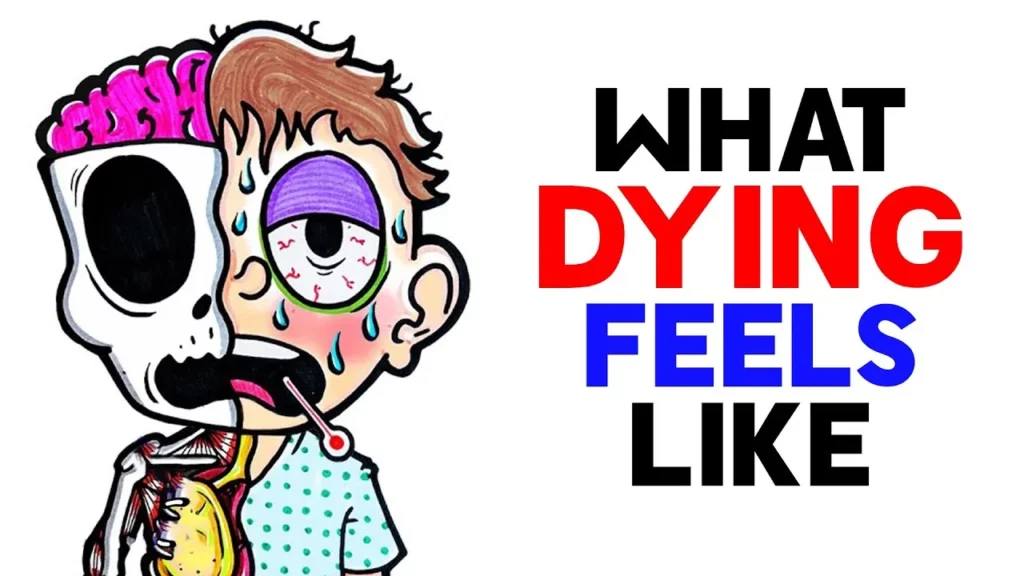
The lesson “Understanding the Dying Process: A Scientific Perspective” explores the stages of dying through recent scientific research, shedding light on the physiological and psychological experiences individuals face as they approach death. It outlines key phases, including relaxation, extreme fatigue, visual phenomena, changes in breathing, and surges in brain activity, revealing insights into the profound experiences reported by those nearing the end of life. Ultimately, the lesson encourages reflection on the cognitive aspects of dying and the common emotions and regrets that may arise during this significant transition.
What If You Only Ate Meat?
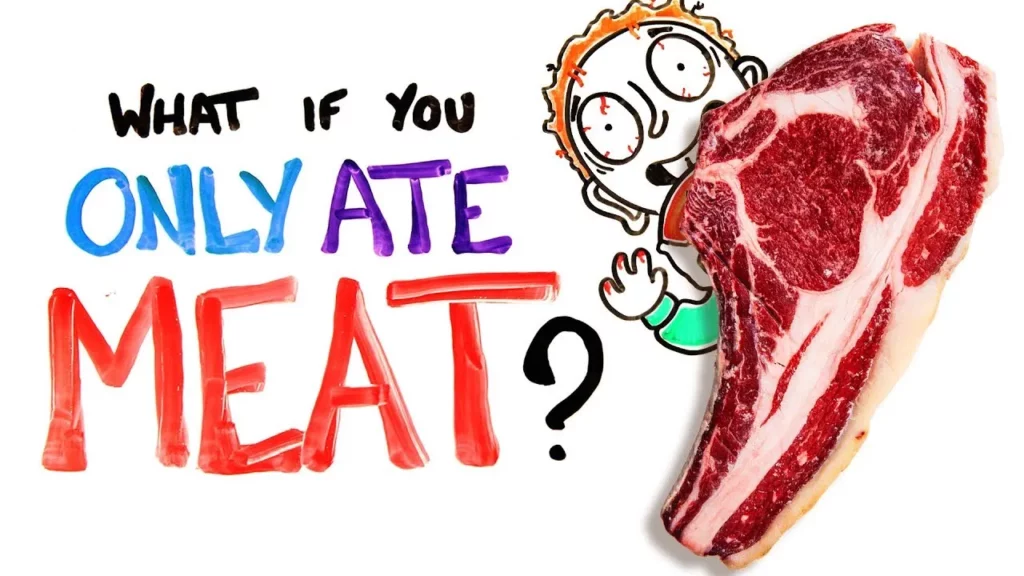
The lesson explores the implications of a meat-only diet, highlighting the historical shift of our ancestors from plant-based diets to incorporating meat. It discusses potential health issues such as constipation, malnutrition, and Vitamin C deficiency that can arise from eliminating fiber-rich foods, while also examining the unique dietary adaptations of the Inuit, who thrive on a high-fat diet with minimal plant intake. Ultimately, the lesson emphasizes the importance of a balanced diet for optimal health and nutrient intake.
The Evolution of Life on Earth
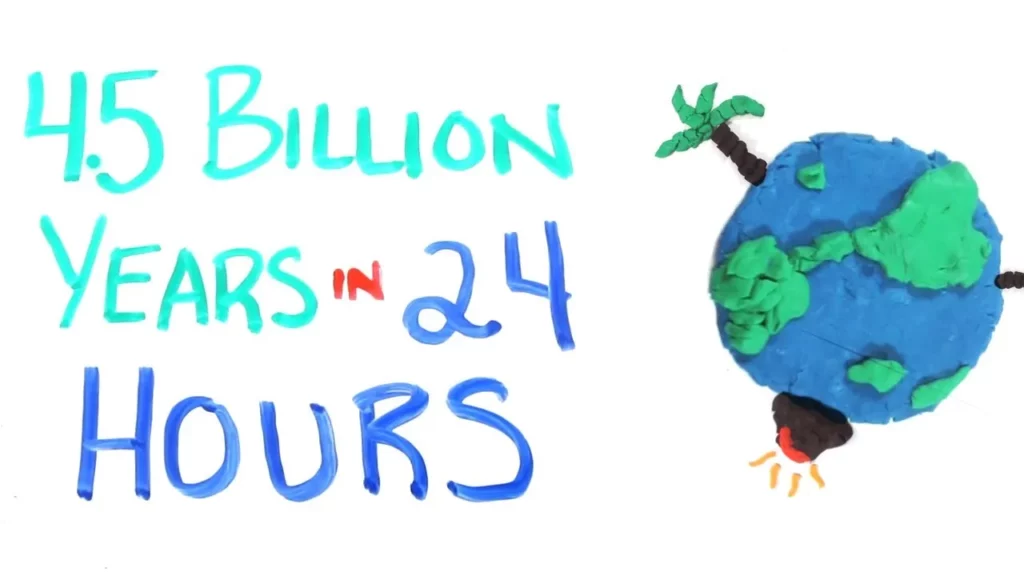
The lesson “The Evolution of Life on Earth” outlines the extensive timeline of life, illustrating how it has evolved over approximately 3.8 billion years. It begins with the emergence of simple single-celled organisms in the early morning and progresses through significant milestones such as the development of eukaryotic cells, multicellular life, and the rise of plants and animals, culminating in the appearance of humans just seconds before midnight in this metaphorical day. This journey emphasizes the relatively brief span of human existence compared to the vast history of life on Earth.
What Happens When You Quit Sugar?
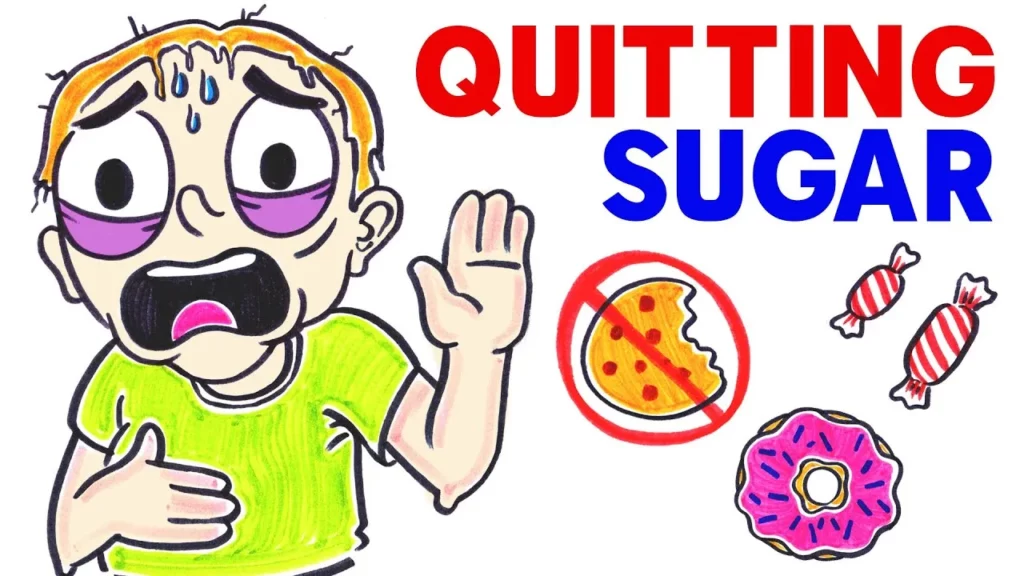
The lesson explores the effects of quitting sugar on the body and mind, detailing the changes that occur from the first day to several years after reducing sugar intake. Initially, individuals may experience water weight loss and cravings, followed by fatigue and changes in taste. Over time, benefits such as improved digestion, better skin health, enhanced sleep quality, and reduced health risks become evident, highlighting the significant impact of lowering sugar consumption on overall well-being.
Mitosis vs Meiosis Rap Battle! | SCIENCE SONGS
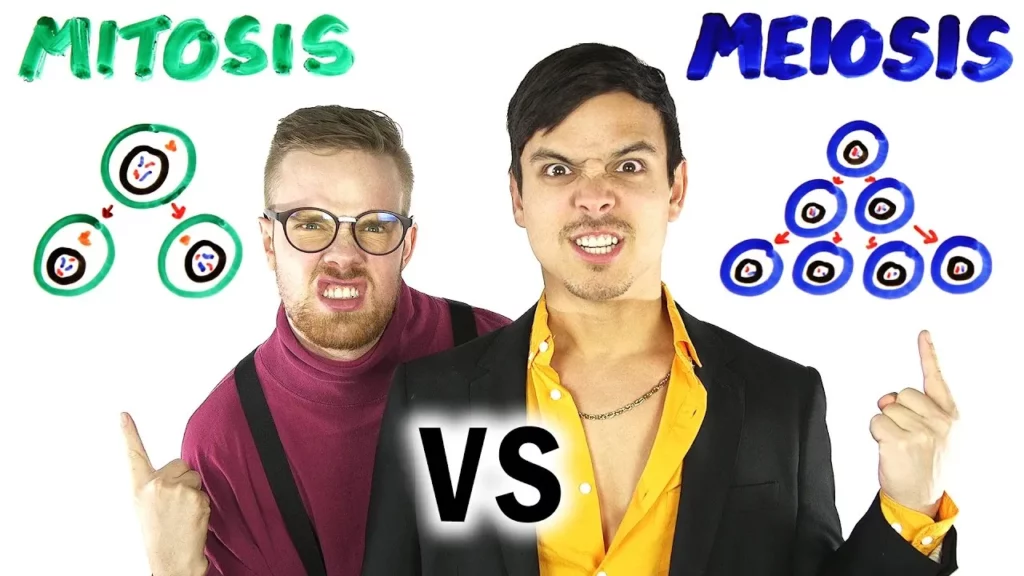
In the lesson “Mitosis vs Meiosis Rap Battle,” students explore the distinct roles and processes of mitosis and meiosis through an engaging rap format. Mitosis is highlighted as a precise method of cell division that produces two identical daughter cells for growth and repair, while meiosis is presented as a creative process that generates genetic diversity by producing four unique sex cells with half the chromosome number. Both processes are essential for life, contributing to growth, repair, and evolution.
Can Video Games Make You Smarter?
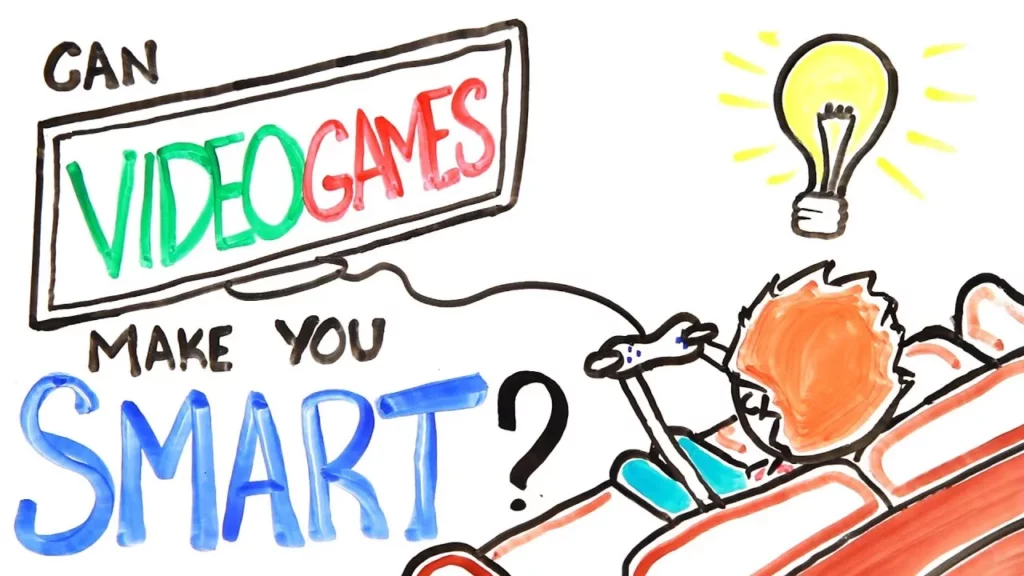
The lesson explores the potential cognitive benefits of video games, highlighting research that suggests they can enhance brain functions such as memory, attention to detail, and even reading skills in children with dyslexia. While video games can improve eyesight and may aid in medical training, the lesson emphasizes the importance of moderation and balancing gaming with other life activities to fully harness these benefits.
Should You Trust Your Gut Instinct?
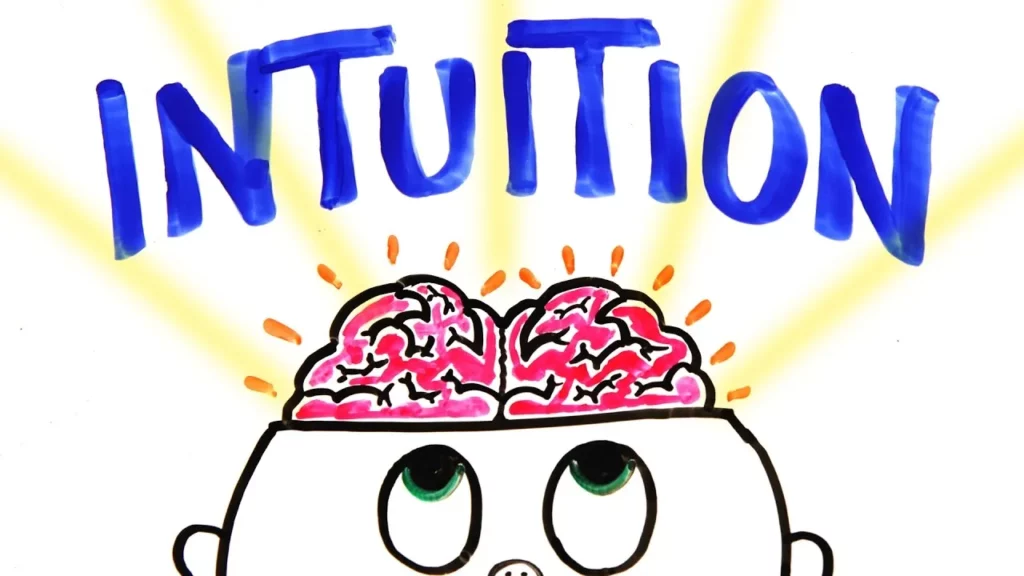
The lesson explores the concept of intuition, emphasizing that it is rooted in recognizing patterns from past experiences rather than predicting the future. It highlights the effectiveness of gut instincts in complex decision-making, supported by examples from chess and Shogi, while also noting that intuition can be unreliable in understanding emotions. Ultimately, it suggests that a balanced approach using both fast and slow thinking is essential for making informed decisions.