
What are alloys?

Alloys are materials formed by combining two or more metals, or metals with non-metals, resulting in substances with enhanced properties such as increased strength and resistance to corrosion. Common examples include steel, made from iron and carbon, and bronze, created from copper and tin, both of which have been essential in various applications throughout history. Understanding alloys is crucial as they play a significant role in improving the durability and versatility of materials used in everyday life.
Life Cycle of a Butterfly
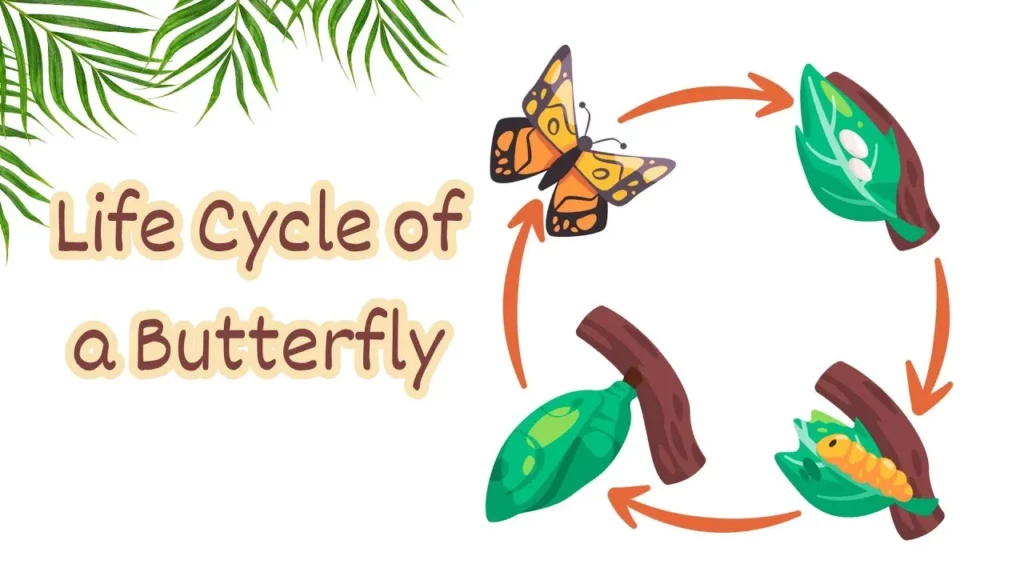
The lesson on the life cycle of a butterfly explains the four distinct stages: egg, caterpillar, pupa, and adult butterfly. Each stage plays a crucial role in the butterfly’s development, from the mother laying eggs to the caterpillar’s growth and transformation inside a chrysalis, culminating in the emergence of a beautiful butterfly ready to continue the cycle by laying eggs. This fascinating process highlights the intricate changes butterflies undergo to become the colorful insects we admire.
Vitamins | Types of Vitamins and their functions | water soluble vitamins | fat soluble vitamins
Vitamins are essential nutrients that our bodies cannot produce on their own, requiring us to obtain them from food sources such as fruits, vegetables, nuts, eggs, meat, and fish. They are categorized into two types: fat-soluble vitamins, which are stored in the body’s fat, and water-soluble vitamins, which are carried in the blood and excreted when not needed. Each vitamin plays a crucial role in maintaining health, supporting functions like vision, bone strength, energy production, skin health, and blood clotting, emphasizing the importance of a varied diet to ensure adequate vitamin intake.
Osmosis | Science for Kids | Semipermeable membrane | Video + Audio
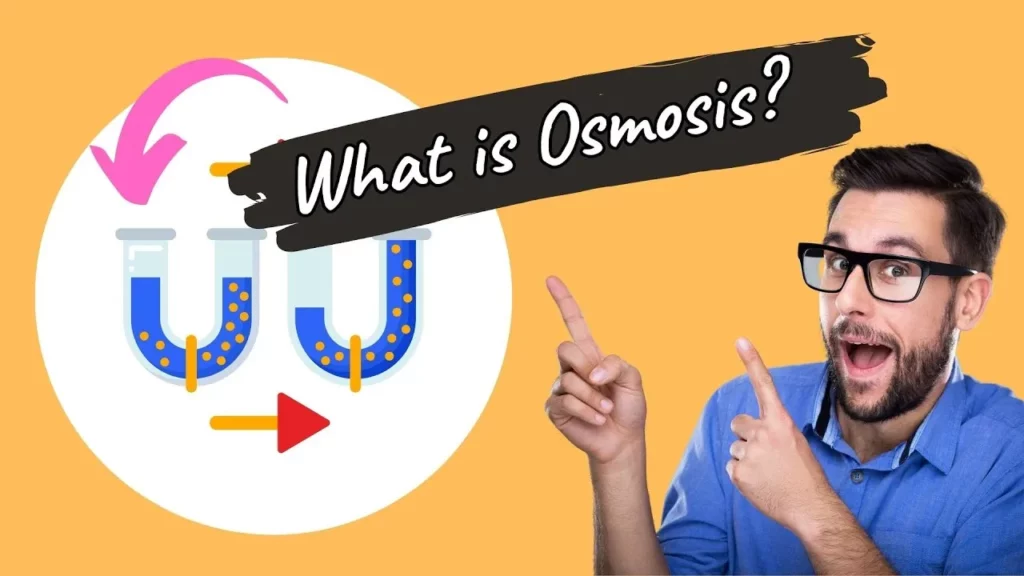
Osmosis is the natural movement of water molecules from an area of higher concentration to an area of lower concentration through a semipermeable membrane, which selectively allows certain substances to pass. This process is crucial for the survival of living organisms, as it enables plants to absorb water from the soil and helps maintain hydration in animals, including humans. Understanding osmosis highlights the importance of water movement in sustaining life and the fascinating mechanisms behind it.
Human Skeleton | Skeletal System | Types of Bones | Science for kids
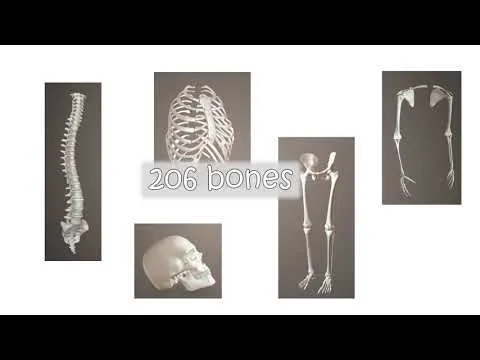
The lesson on the human skeleton highlights the crucial role bones play in providing structure, enabling movement, and protecting vital organs. It explains the different parts of the skeleton, including the skull, backbone, rib cage, and bones of the upper and lower limbs, each serving specific functions. Additionally, it shares an interesting fact about the number of bones in babies compared to adults, emphasizing the importance of our skeletal framework in everyday activities.
How to Draw Desserts | Ice Creams and Cakes | Easy Drawing for Kids
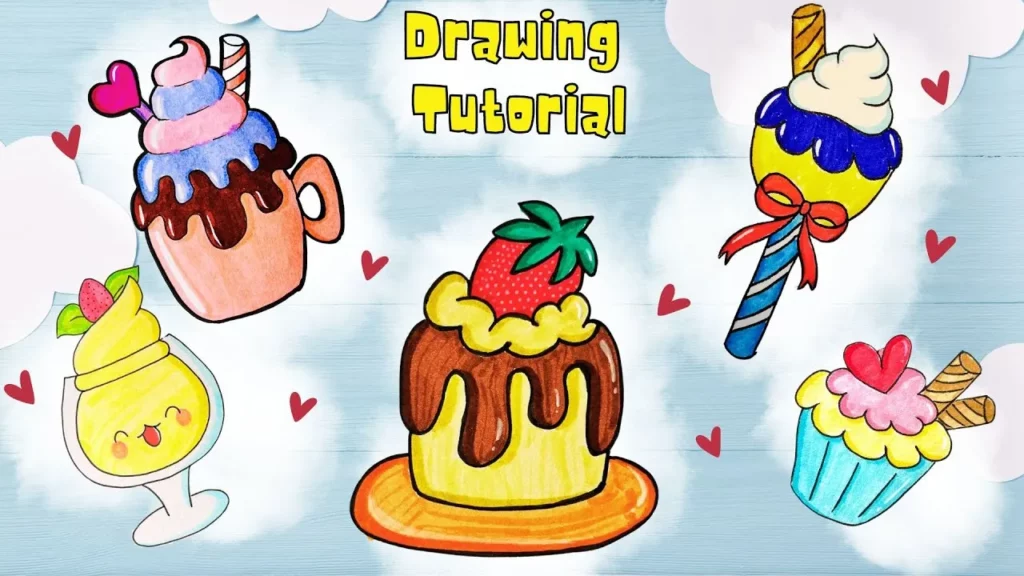
In this lesson, students learn how to draw delicious desserts, specifically ice cream and cake, using simple step-by-step instructions. They start by creating an ice cream cone with scoops and fun details, followed by drawing a layered cake with decorations. Finally, students are encouraged to color their creations and share their artwork with others, fostering creativity and enjoyment in drawing.
Easy cow drawing tutorial for kids
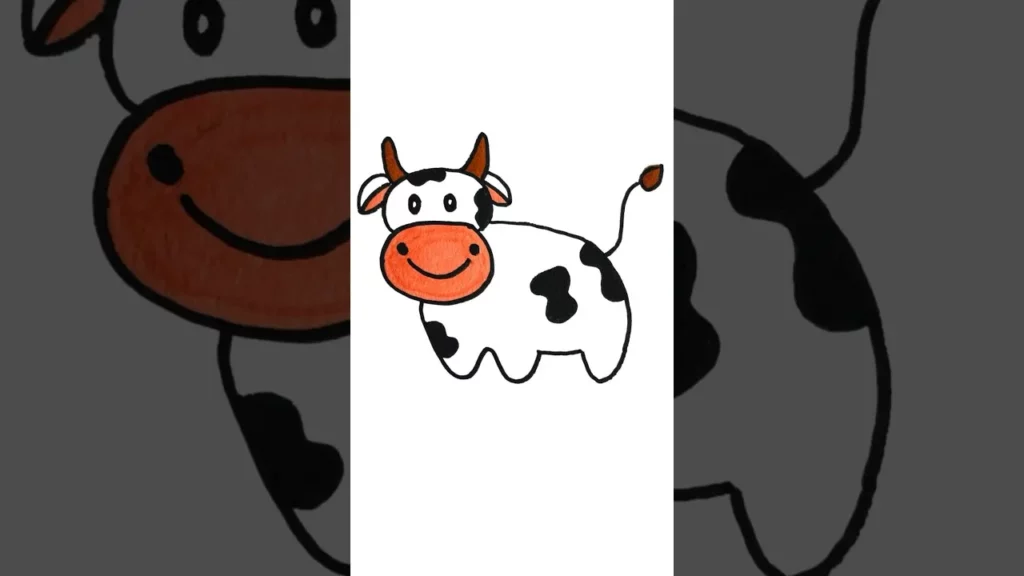
In this lesson, kids learn how to draw a cute cow step by step, starting with the head and progressing to the body, legs, and tail. The tutorial encourages creativity by allowing children to decorate their cow with spots and color it in any way they like. Additionally, fun facts about cows are shared to enhance their understanding of these friendly animals.
What is evolution?

The lesson on evolution explains how living organisms change over time through a natural process that enhances their survival in changing environments. It illustrates this concept with examples, such as the adaptation of peppered moths to pollution, and emphasizes the importance of evolution in maintaining biodiversity and enabling species to cope with new challenges. Ultimately, it highlights the ongoing nature of evolution, including the evolution of humans from their ancestors.
AI | Artificial Intelligence
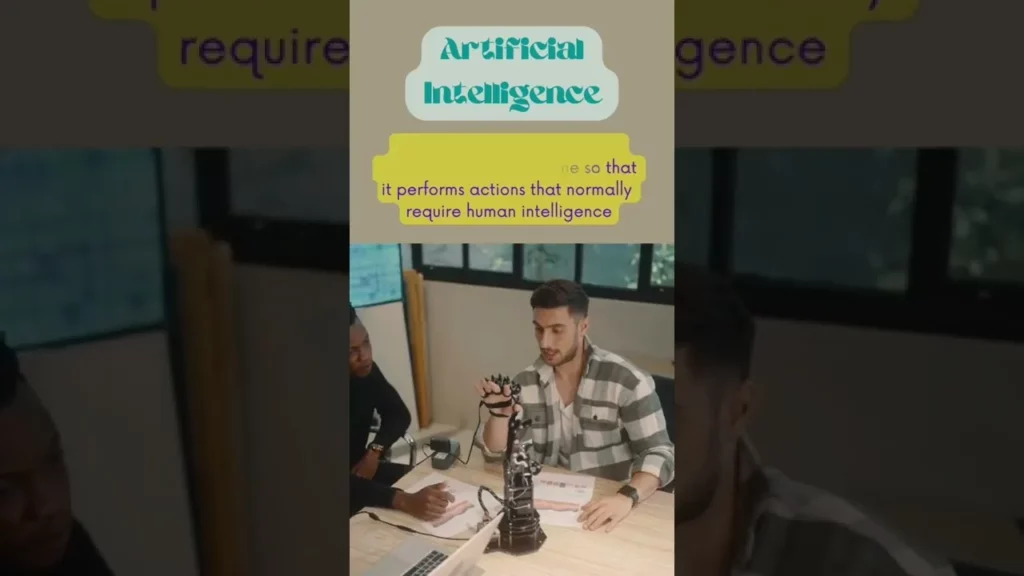
The lesson on “Understanding Artificial Intelligence” explains that AI refers to machines designed to mimic human thinking and decision-making, performing tasks that require human intelligence. It highlights how AI operates by analyzing data to improve its performance over time and illustrates its presence in everyday applications such as navigation, social media, facial recognition, text editing, and e-payments. The lesson concludes by emphasizing the potential of AI to transform various industries in the future, underscoring the importance of understanding this technology.
How to draw an aeroplane
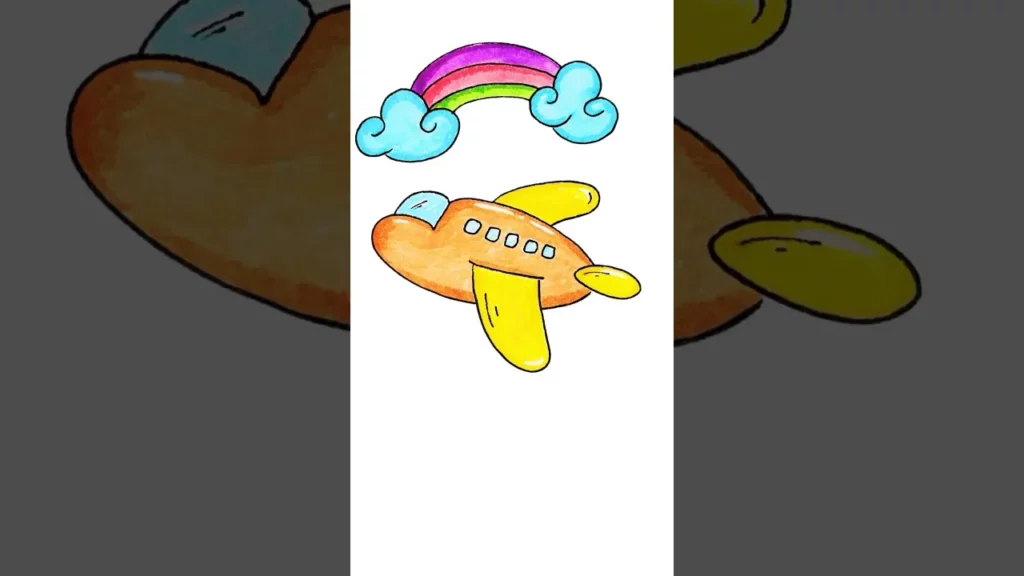
In this lesson, students learn how to draw an airplane by following a series of simple steps, starting with the body and adding wings, a tail, windows, and details. The lesson encourages creativity by allowing students to personalize their airplanes with colors and unique features. By the end, students are motivated to practice and create multiple versions of their drawings.