
Frank William Abagnale: Doctor, Lawyer, Pilot… (Not)
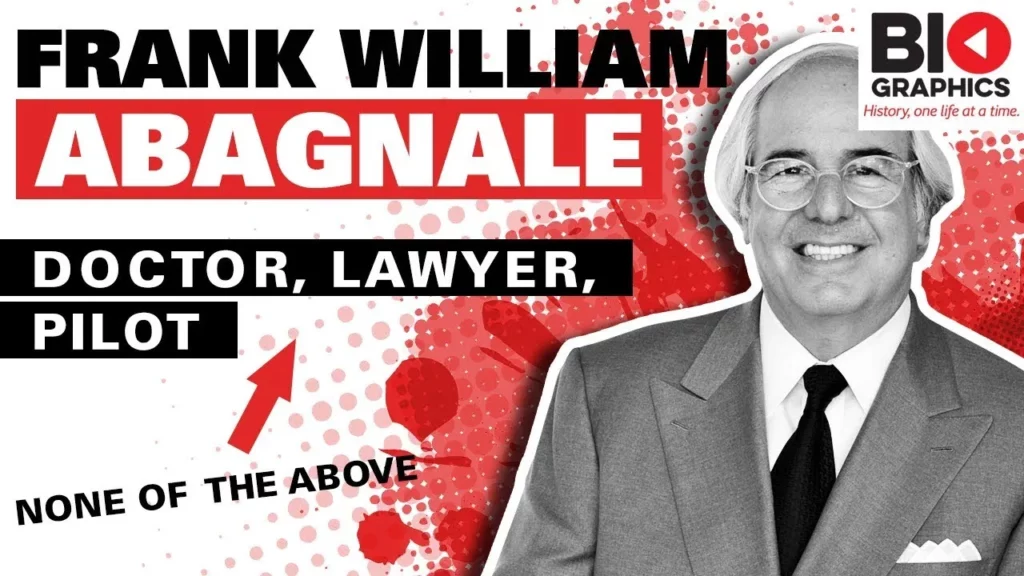
Frank William Abagnale is a notorious con artist who, by the age of 21, successfully impersonated a pilot, a pediatric doctor, and a lawyer, all while cashing fake checks globally. His early life was marked by family turmoil, leading him to a life of deception and crime, which ultimately resulted in his arrest and imprisonment. After serving time, Abagnale turned his life around, becoming a security consultant and advising the FBI on fraud prevention, showcasing a remarkable transformation from a life of crime to one of integrity.
Alfred Nobel: The Merchant of Death
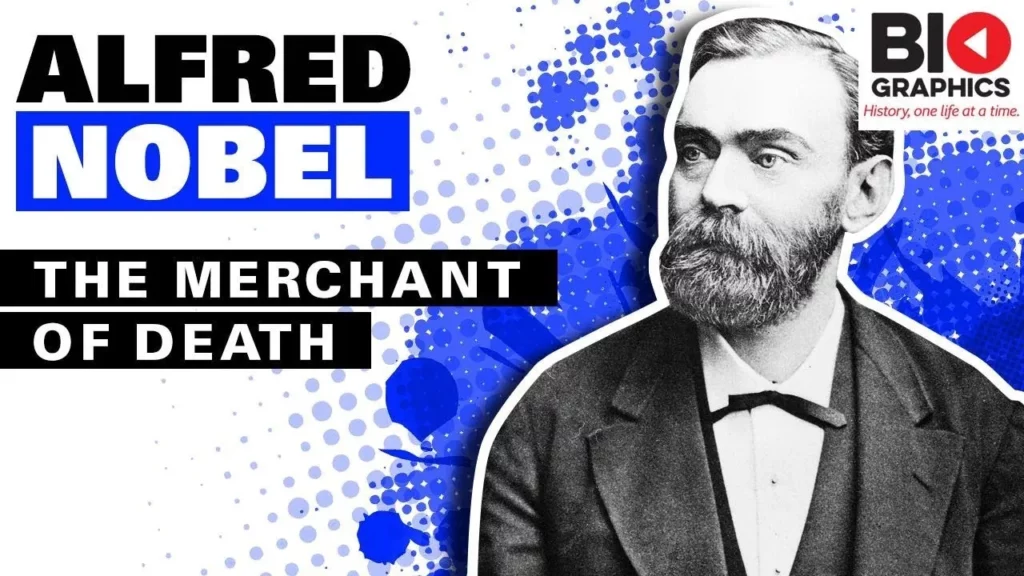
The lesson explores the complex life of Alfred Nobel, who is best known for establishing the Nobel Prizes but also gained wealth and notoriety through his inventions of explosives like dynamite. Despite his success, Nobel grappled with the moral implications of his creations, especially after a tragic accident claimed the life of his brother, leading him to dedicate his fortune to honoring those who contribute positively to humanity. His legacy is a testament to the duality of innovation and responsibility, as reflected in the ongoing impact of the Nobel Prizes.
Leopold II of Belgium: The Biggest Coverup In European History
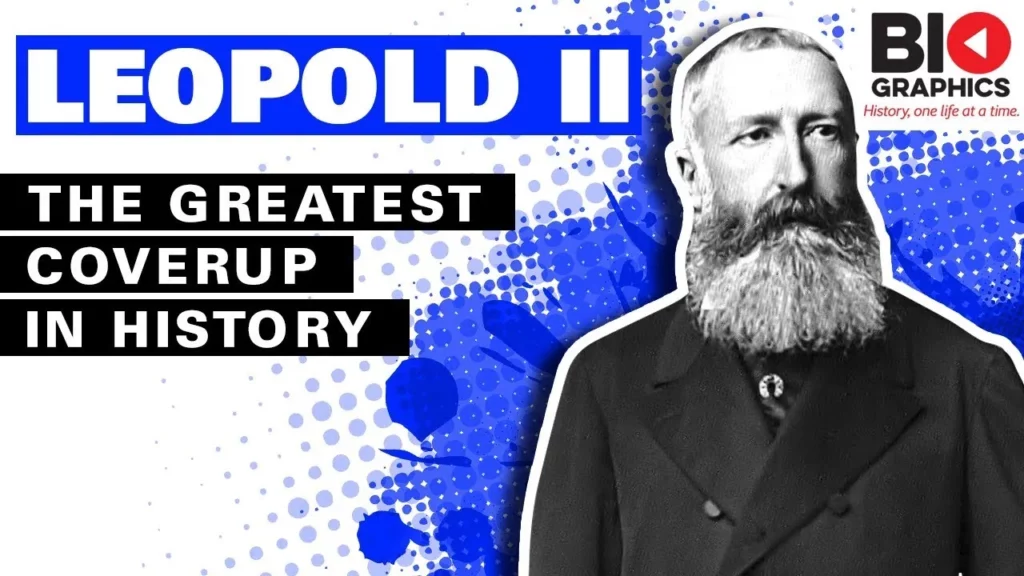
The lesson on King Leopold II of Belgium highlights the stark contrast between his perceived humanitarian efforts in the Congo and the brutal realities of his colonial rule, which resulted in the suffering and deaths of millions of Congolese people. Despite his claims of spreading civilization, Leopold’s administration was marked by severe human rights abuses and exploitation for profit, leading to a significant cover-up of these atrocities in Belgian history. Recent efforts to confront this dark legacy emphasize the importance of acknowledging the impact of colonialism and the need for a truthful reckoning with the past.
Mao Zedong: The Chairman of Communist China
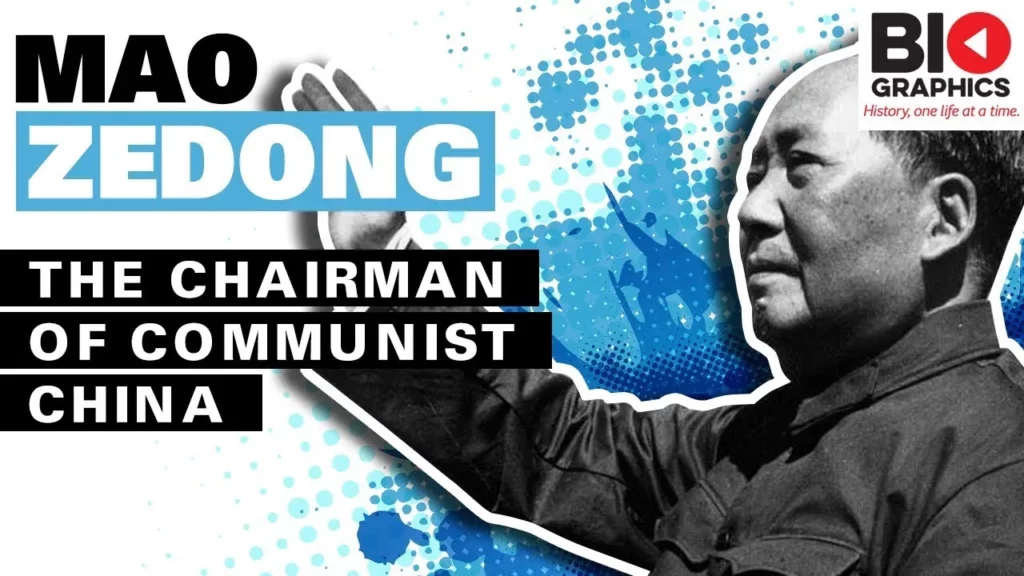
Mao Zedong, the Chairman of Communist China, is a polarizing figure whose legacy encompasses both revolutionary achievements and significant hardships. Born in 1883, he rose to prominence through his involvement in the Communist Party, leading pivotal events such as the Long March and the establishment of the People’s Republic of China in 1949. However, his policies, including the Great Leap Forward and the Cultural Revolution, resulted in widespread suffering and chaos, leaving a complex and debated legacy that continues to influence China today.
Heinrich Muller: The Head of the Gestapo
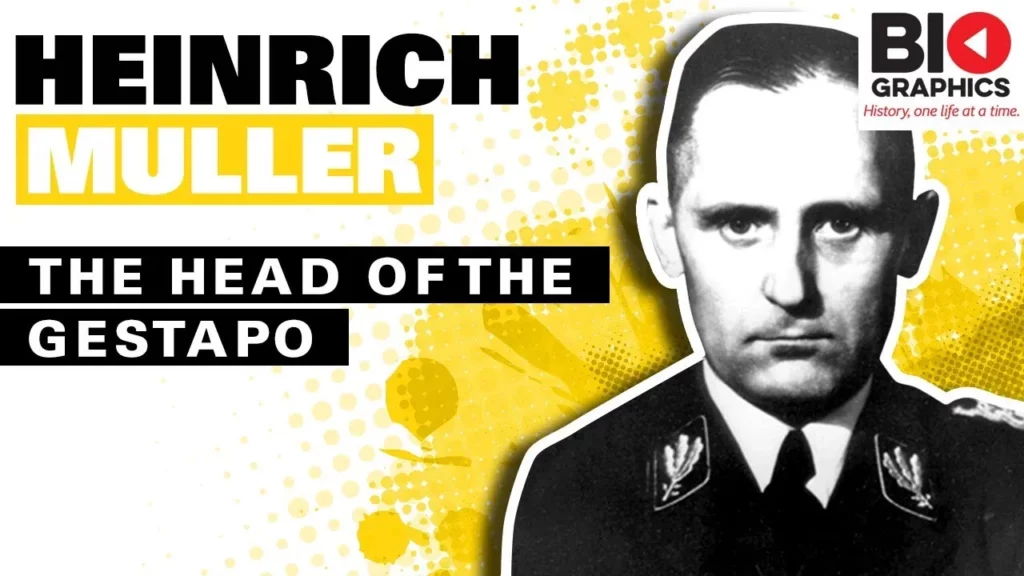
Heinrich Müller, the head of the Gestapo, was a pivotal yet enigmatic figure in Nazi Germany, known for his cold efficiency and strict obedience to orders rather than fervent ideology. Rising through the ranks from a police officer to the chief of the Gestapo, he played a crucial role in the regime’s oppressive actions, including the Holocaust. Following the fall of the Nazi regime, Müller vanished without a trace, sparking enduring speculation about his fate, with some theories suggesting he may have escaped to South America, while more recent research indicates he likely died in Berlin in 1945.
Admiral Yamamoto: The Man Behind Pearl Harbour
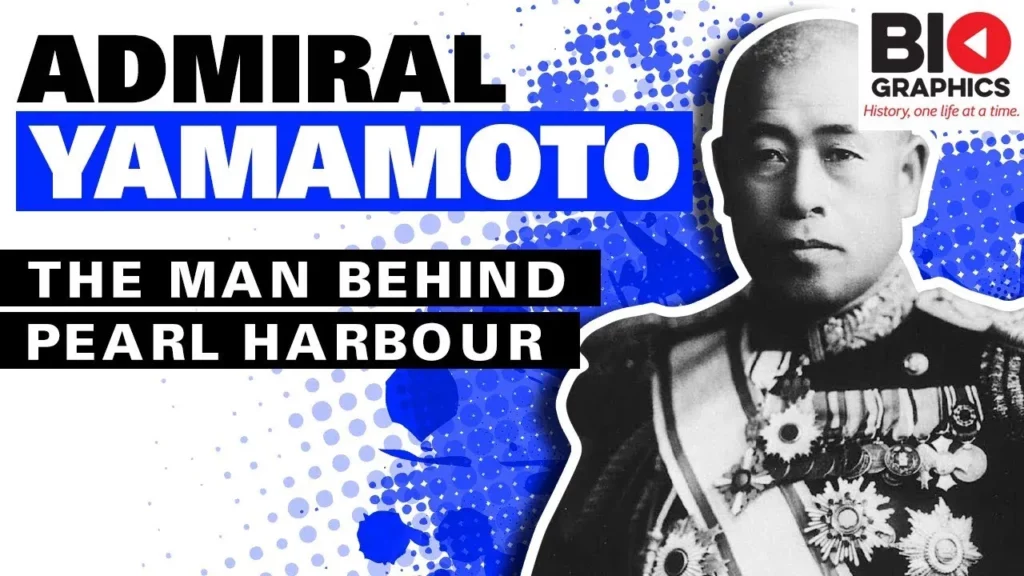
Admiral Isoroku Yamamoto, a pivotal figure in World War II, is best known for orchestrating the attack on Pearl Harbor, which prompted the United States to enter the war against Japan. His early life was marked by academic excellence and a distinguished naval career, culminating in his role as commander-in-chief of the Imperial Fleet. Despite his strategic brilliance, the attack ultimately galvanized American resolve, and Yamamoto’s life ended in a secretive assassination, leaving a complex legacy in military history.
Lavrentiy Beria: Stalin’s Architect of Terror
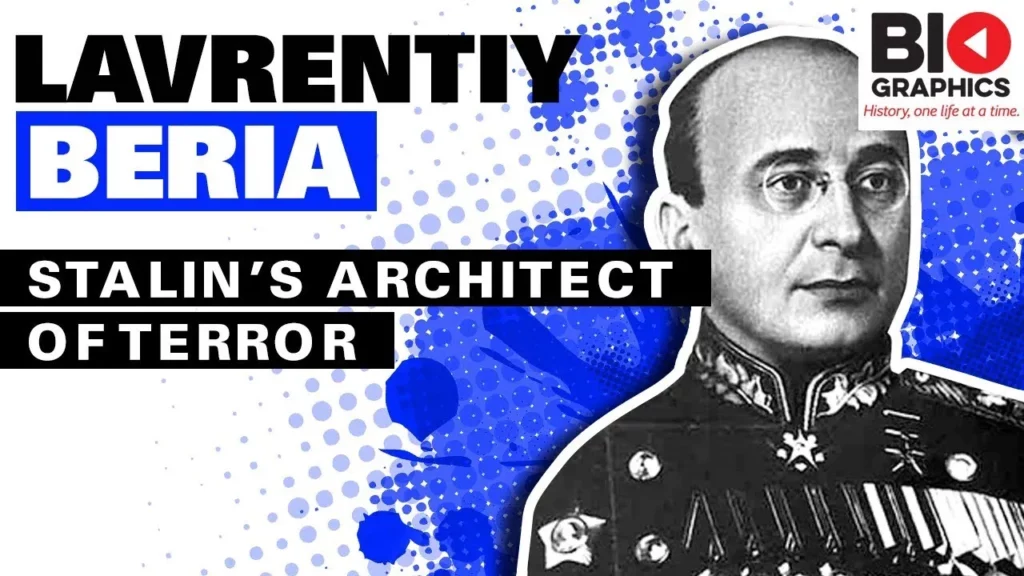
The lesson on Lavrentiy Beria highlights his role as a key figure in the Soviet Union and the architect of terror during Stalin’s regime, particularly through his leadership of the NKVD and involvement in the Great Terror and the Katyn Massacre. Despite his initial rise to power and later attempts at reform following Stalin’s death, Beria’s legacy is marked by immense suffering and brutality, serving as a stark reminder of the dangers of tyranny and the complexities of historical figures. Ultimately, Beria’s story underscores the importance of remembering and learning from the darker aspects of history to promote a more just future.
Lizzie Borden: A Real-Life Axe Murderer
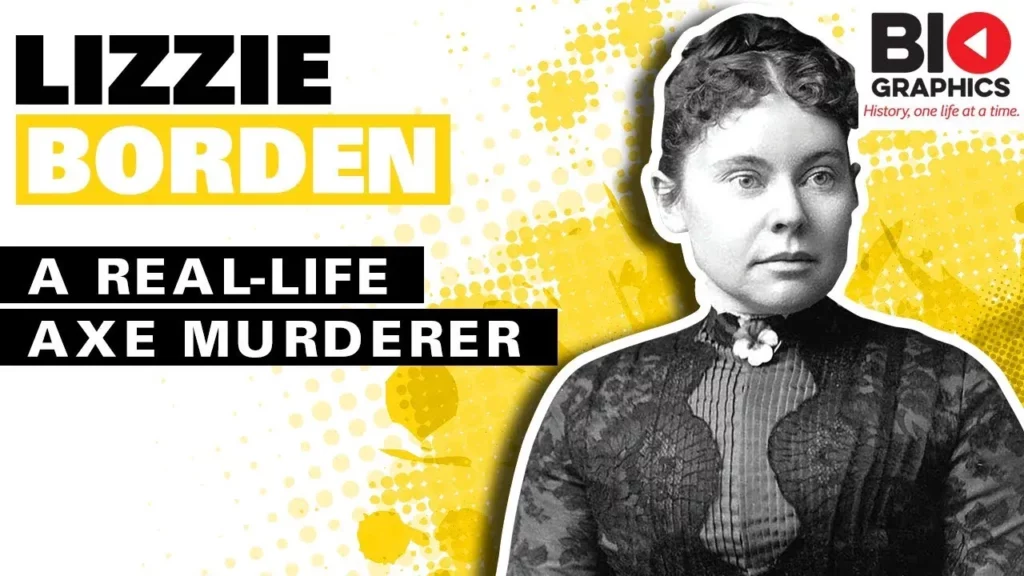
The lesson explores the infamous unsolved mystery of the Borden murders, where Andrew and Abby Borden were brutally killed in their home in 1892, with their daughter Lizzie as the primary suspect. Despite her acquittal due to a lack of evidence, Lizzie’s strained family relationships and societal pressures, coupled with her inheritance of a substantial fortune, have kept the case shrouded in intrigue and speculation for over a century. The lesson highlights the complexities of Lizzie’s life, including her childhood, adult tensions, and the trial that ultimately left her free yet forever linked to the notorious crime.
Toussaint L’Ouverture: the Black Napoleon who Freed Haiti’s Slaves
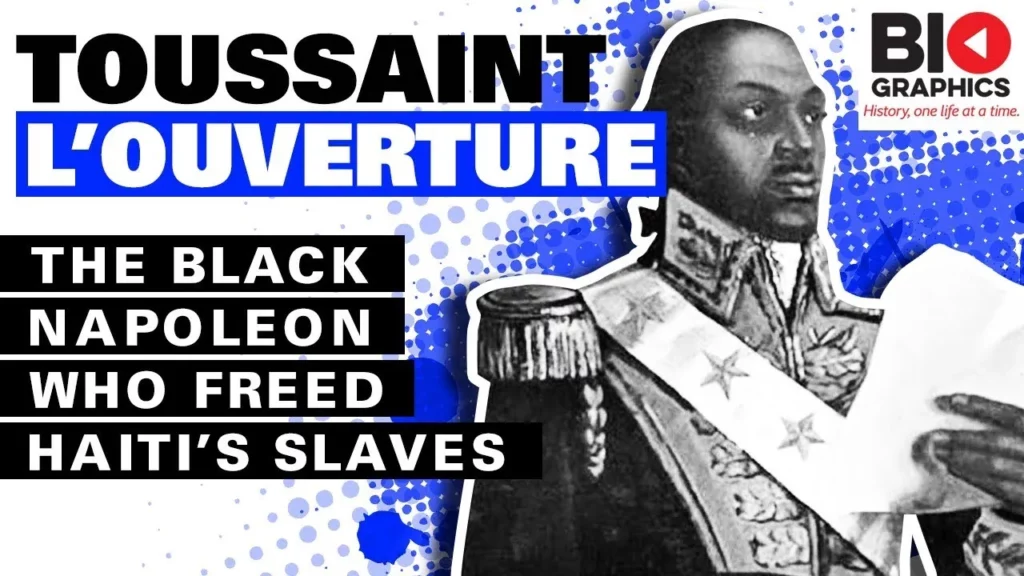
The lesson highlights the remarkable life and achievements of Toussaint Louverture, a former slave who became a pivotal figure in the Haitian Revolution, leading the only successful large-scale slave revolt in history. Born in 1741 in Saint-Domingue, Louverture rose to prominence as a military leader and strategist, ultimately freeing Haiti from colonial rule and laying the foundation for its independence in 1804. His legacy as the “Black Napoleon” endures, symbolizing the struggle for freedom and equality.
Gilles de Rais: Serial-Killing Nobleman, Or Witch Hunt Victim?
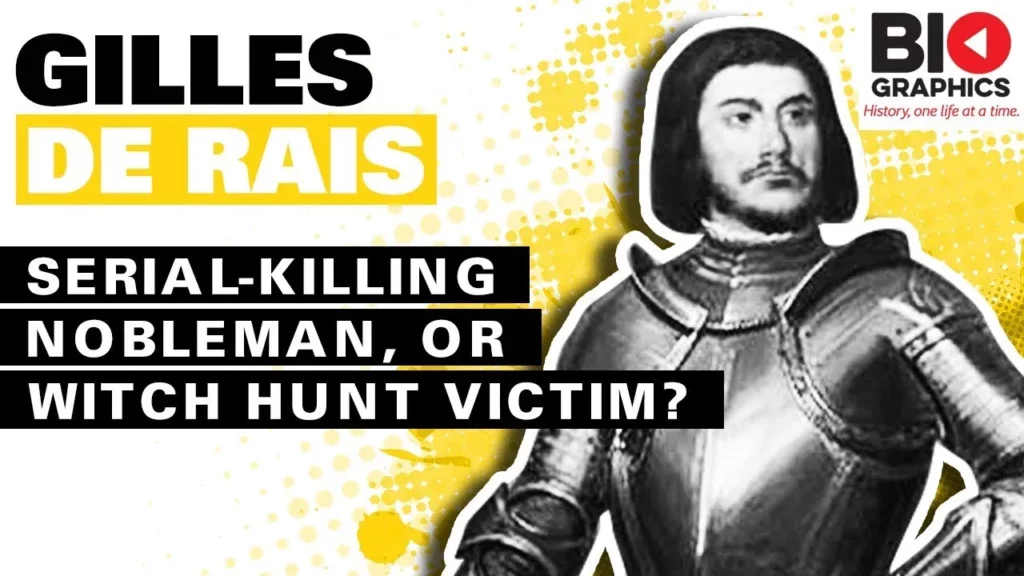
The lesson explores the complex legacy of Gilles de Rais, a 15th-century nobleman who gained fame as a military leader alongside Joan of Arc but later faced accusations of horrific crimes, including the murder of children. While he was executed for these alleged acts, modern historians debate the validity of the charges, suggesting he may have been a victim of a politically motivated witch hunt rather than a serial killer. This ongoing debate highlights the challenges of interpreting historical narratives and the impact of societal context on perceptions of guilt and innocence.