
Ho Chi Minh – The Leader of North Vietnam
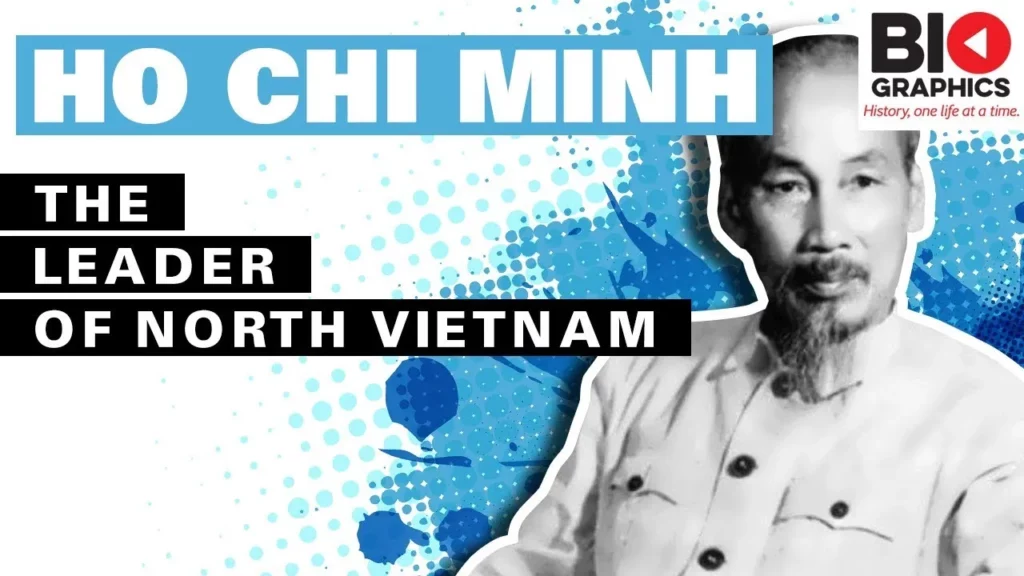
The lesson on Ho Chi Minh explores the complexities of his legacy as the father of independent Vietnam, highlighting the contradictions in his character and leadership. Born into a privileged family in French Indochina, he evolved from a curious youth into a revolutionary figure who fought against colonial oppression, ultimately leading Vietnam to independence. Despite being revered by many as a liberator, his regime’s harshness and alignment with communism sparked controversy, making him a polarizing figure in history.
Chris Gardner – From Homelessness to Happiness

Chris Gardner’s inspiring journey from homelessness to success illustrates the power of resilience and determination in the face of adversity. Raised in a challenging environment, he overcame numerous obstacles, including financial struggles and homelessness, to become a successful stockbroker and entrepreneur. His story emphasizes that with hard work and perseverance, it is possible to achieve one’s dreams, regardless of the circumstances.
Alan Turing: The Enigma
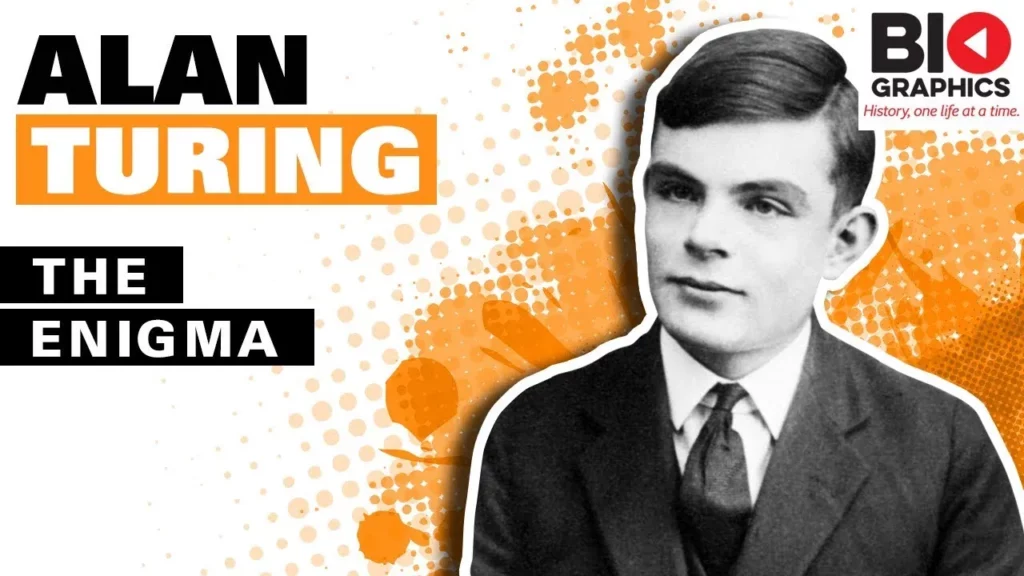
The lesson on Alan Turing highlights his profound impact on modern computing and artificial intelligence, detailing his early life, the invention of the Turing Machine, and his crucial role in breaking the Enigma code during World War II. Turing’s pioneering work laid the foundation for computer science and sparked philosophical discussions about machine learning and consciousness, cementing his legacy as a key figure in technology and mathematics. His story serves as an inspiration, illustrating the power of innovation and the importance of perseverance in the face of adversity.
Carl Sagan: Astronomer of the People
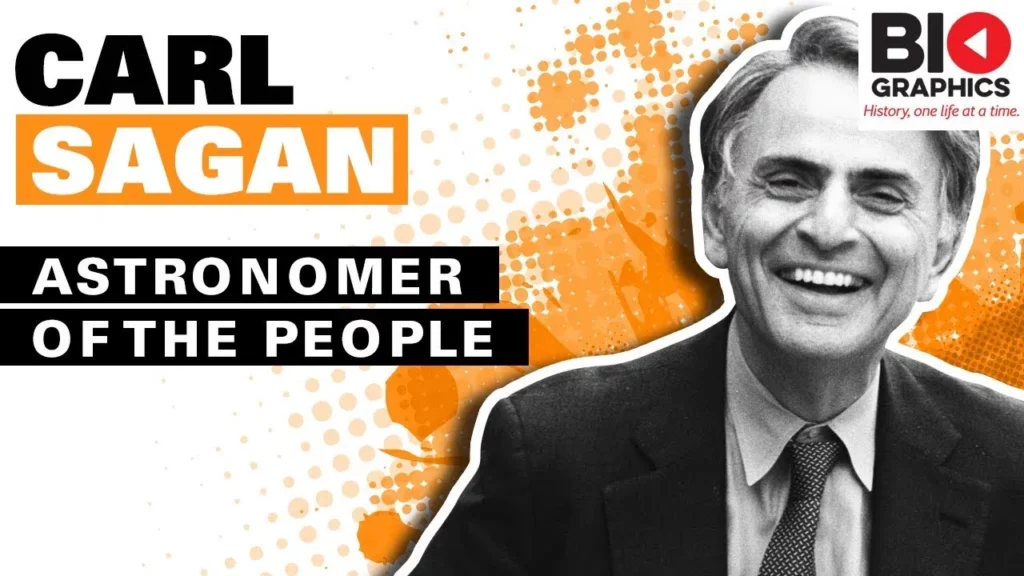
The lesson highlights the life and contributions of Carl Sagan, a prominent astrophysicist and science communicator who inspired a generation through his work with NASA and the iconic PBS series “Cosmos.” Sagan’s early curiosity about the universe led him to significant scientific achievements, including the Voyager Golden Record and the Pioneer plaques, which aimed to communicate humanity’s existence to potential extraterrestrial life. His legacy extends beyond science, as he advocated for environmental awareness and the peaceful use of scientific knowledge, leaving an enduring impact on both the scientific community and the public.
Junio Valerio Borghese – The Black Prince of World War II
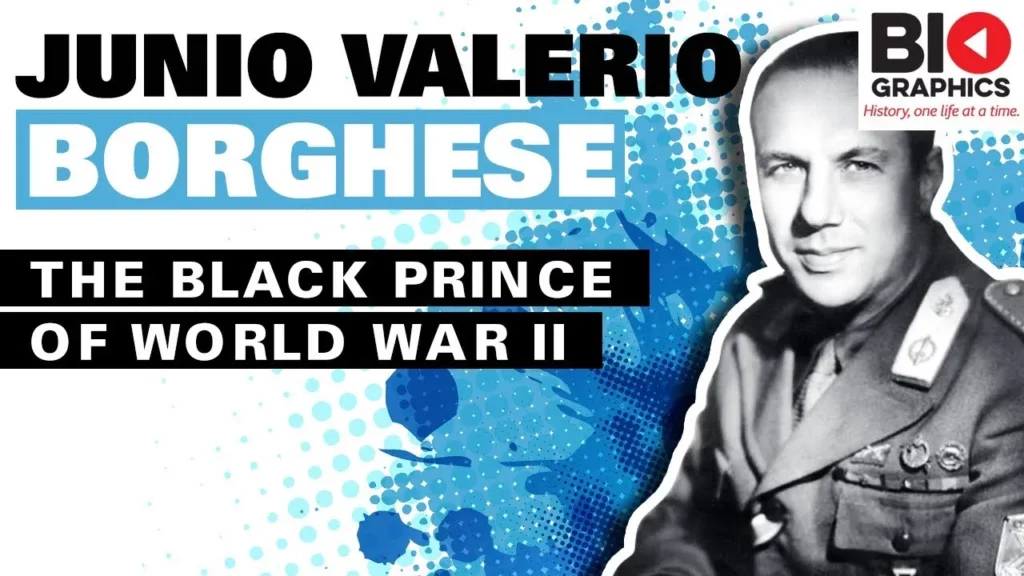
The lesson explores the life of Junio Valerio Borghese, an Italian aristocrat and military leader known as the “Black Prince” for his daring exploits during World War II. It details his innovative tactics, including the use of human torpedoes, his alignment with German forces during Italy’s civil war, and his post-war political ambitions, culminating in a failed coup attempt in the 1970s. Borghese’s legacy remains controversial, reflecting the complexities of his actions and their impact on Italian history.
Caligula – Rome’s Mad Emperor
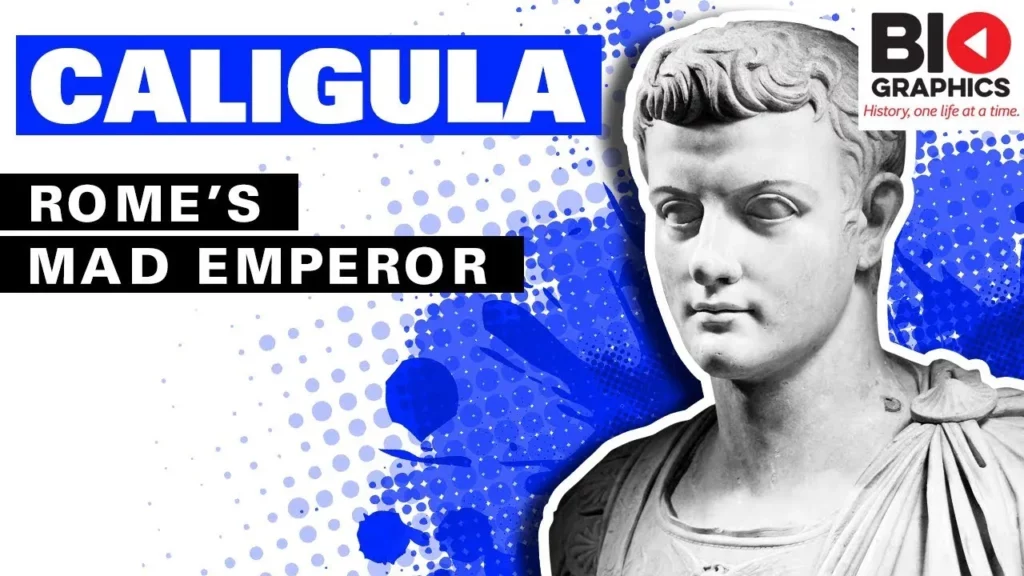
The lesson on Caligula, Rome’s third emperor, explores the complexities of power and its potential to corrupt. Initially welcomed for his reforms after the oppressive rule of Tiberius, Caligula’s reign quickly devolved into tyranny marked by cruelty and excess following a severe illness. His story serves as a cautionary tale about the dangers of absolute power and the ease with which good intentions can lead to tyranny.
Empress Sisi – The 19th Century Princess Diana
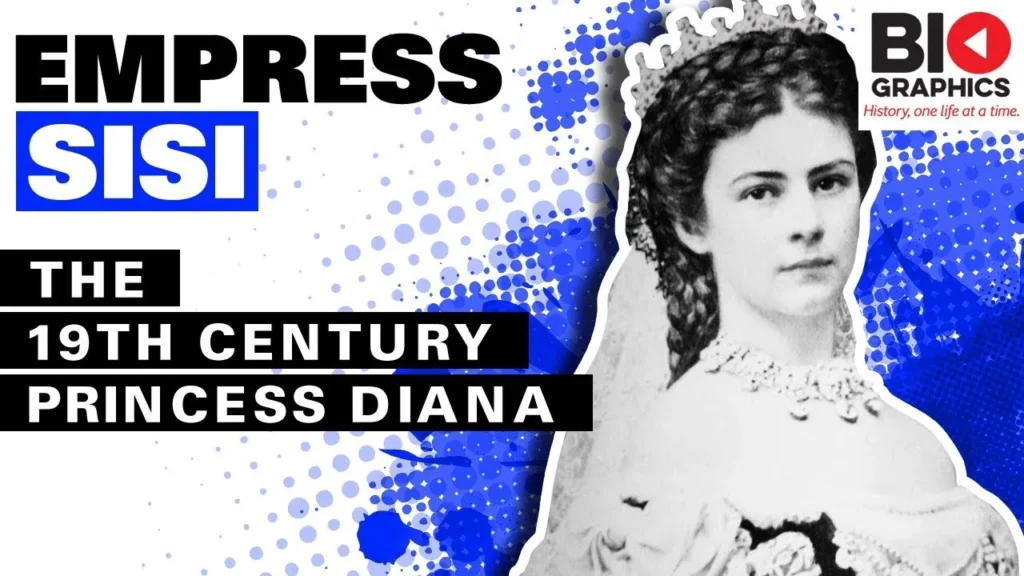
Empress Elisabeth of Austria, known as Sisi, was a complex royal figure who defied traditional expectations, favoring the company of common people and dedicating herself to charitable causes. Despite her beauty and influence, Sisi faced immense personal struggles, including mental health issues and family tragedies, which ultimately led to her tragic death at the hands of an anarchist in 1898. Her life story, marked by longing and resilience, parallels that of Princess Diana, highlighting the challenges faced by women in the royal spotlight.
Pocahontas: The Tragic True Story
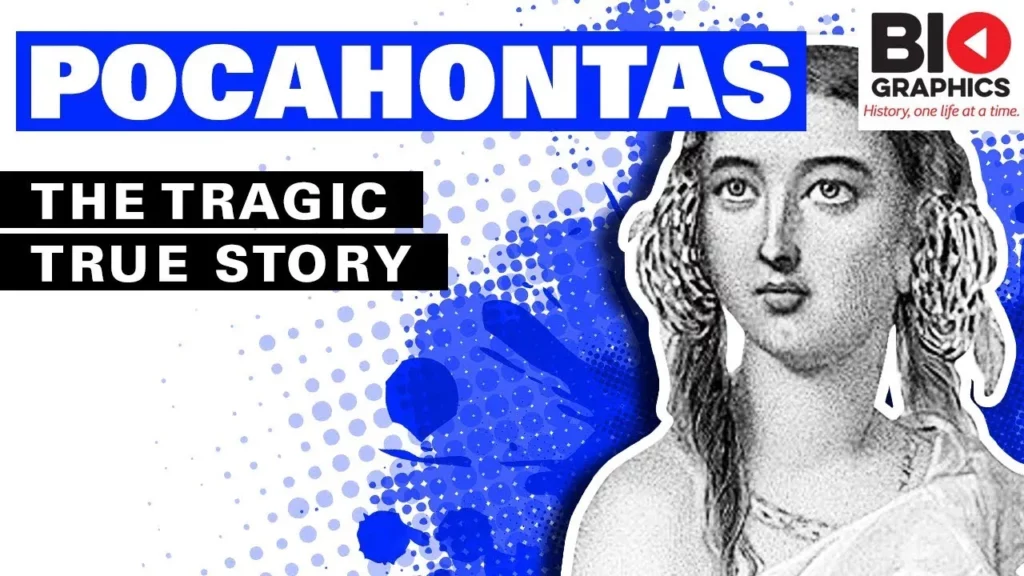
The lesson on Pocahontas reveals the stark contrast between her true story and the popularized Disney version, highlighting her life as a member of the Powhatan tribe and the tragic consequences of colonization. It details her early life, marriage, captivity, and eventual death, emphasizing her role as a symbol of peace and the complexities of her relationships with both her people and the English colonists. Ultimately, Pocahontas’s legacy serves as a reminder of the importance of understanding and respecting Native American culture and history.
Corrie Ten Boom – Saved estimated 800 lives during the Nazi occupation of the Netherlands.

The lesson highlights the remarkable life of Corrie ten Boom, a Dutch woman who, along with her family, courageously saved around 800 Jews during the Holocaust, earning her the title of Righteous Among the Nations. Despite facing imprisonment and the loss of loved ones, Corrie’s unwavering faith and commitment to forgiveness allowed her to promote healing and reconciliation after the war, leaving a lasting legacy through her story and her book, “The Hiding Place.” Her life serves as a powerful reminder of the strength of the human spirit and the importance of compassion in the face of adversity.
Metternich: A dandy, womanizer, pompous fop and great diplomat
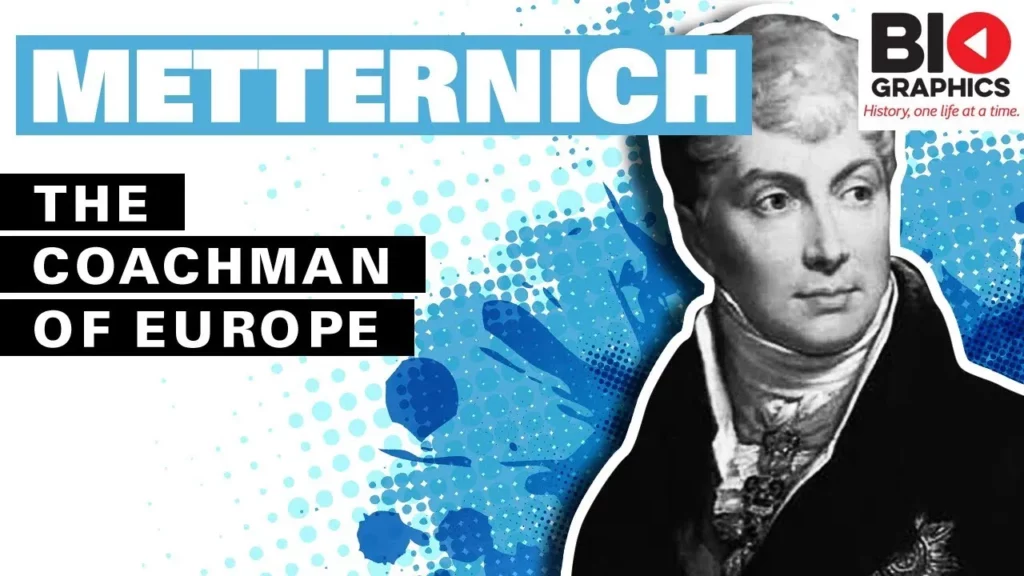
The lesson explores the life and influence of Klemens von Metternich, the Austrian foreign minister who played a pivotal role in reshaping Europe after Napoleon’s fall. Through his diplomatic efforts, particularly during the Congress of Vienna, Metternich established a conservative order that maintained relative peace in Europe for nearly a century, despite facing challenges from rising nationalism. Ultimately, his legacy is marked by both his successes in diplomacy and the eventual upheaval that led to his resignation in 1848.