
Ivan the Terrible: The First Stalin
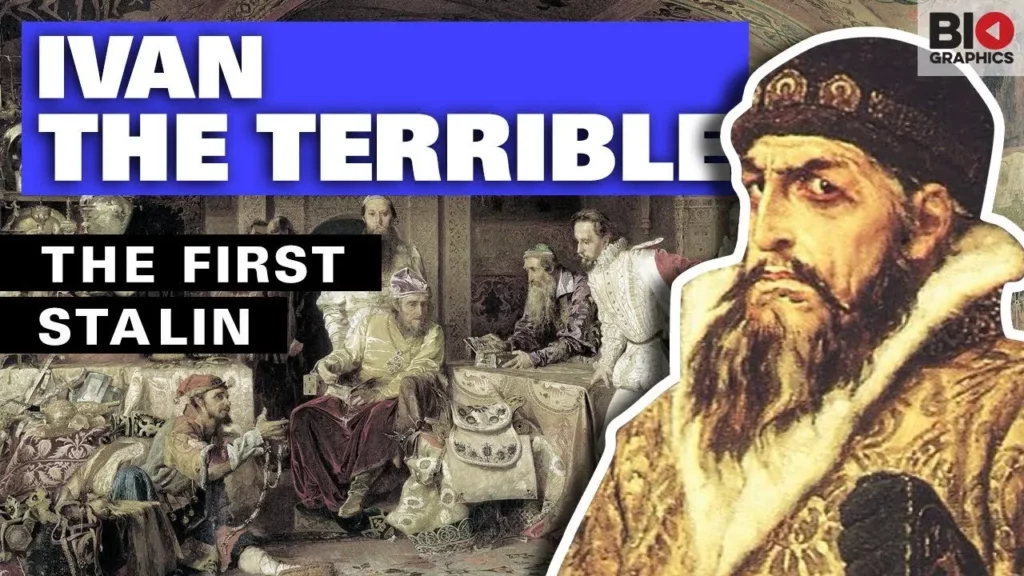
The lesson on Ivan the Terrible explores the complex legacy of Ivan IV, the first tsar of Russia, who is often remembered for his brutality but also for his significant contributions to Russian history, such as the construction of St. Basil’s Cathedral and the defense of Moscow. Born into a tumultuous environment, Ivan’s early experiences shaped his character and leadership style, leading to both reforms and violent outbursts during his reign. Ultimately, his story serves as a cautionary tale about the perils of unchecked power and the lasting impact of fear-based governance.
Sigmund Freud: The Father of Psychoanalysis
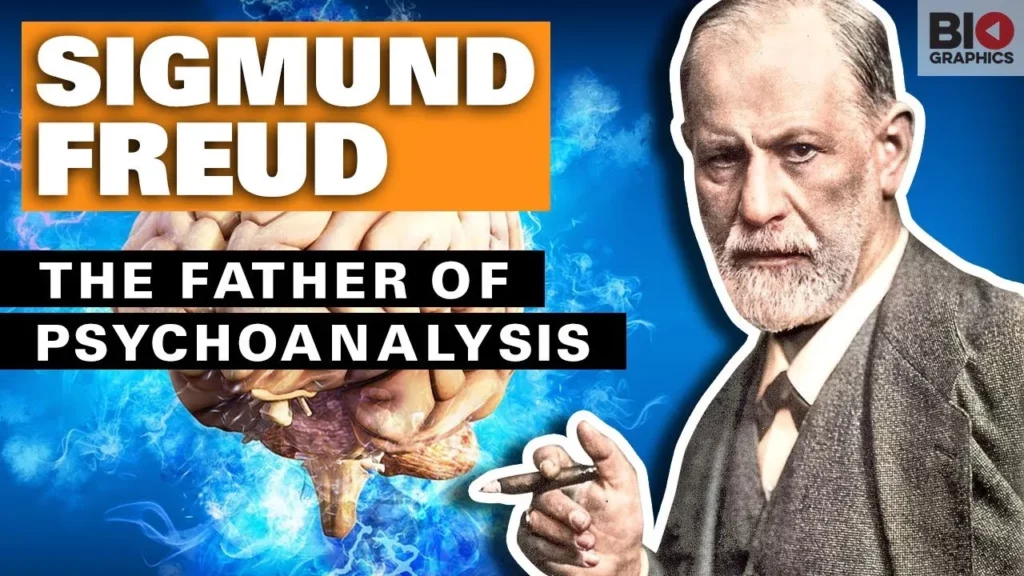
The lesson highlights Sigmund Freud’s pivotal role in the development of psychoanalysis, detailing his early life, academic pursuits, and the groundbreaking theories he introduced, such as the Id, Superego, and the Oedipus Complex. Despite facing criticism and personal challenges, Freud’s innovative approach to understanding the human psyche through methods like the “talking cure” laid the foundation for modern psychology. His enduring legacy continues to influence various fields, affirming his status as the father of psychoanalysis.
Francisco Franco: The Rise of the Generalisimo
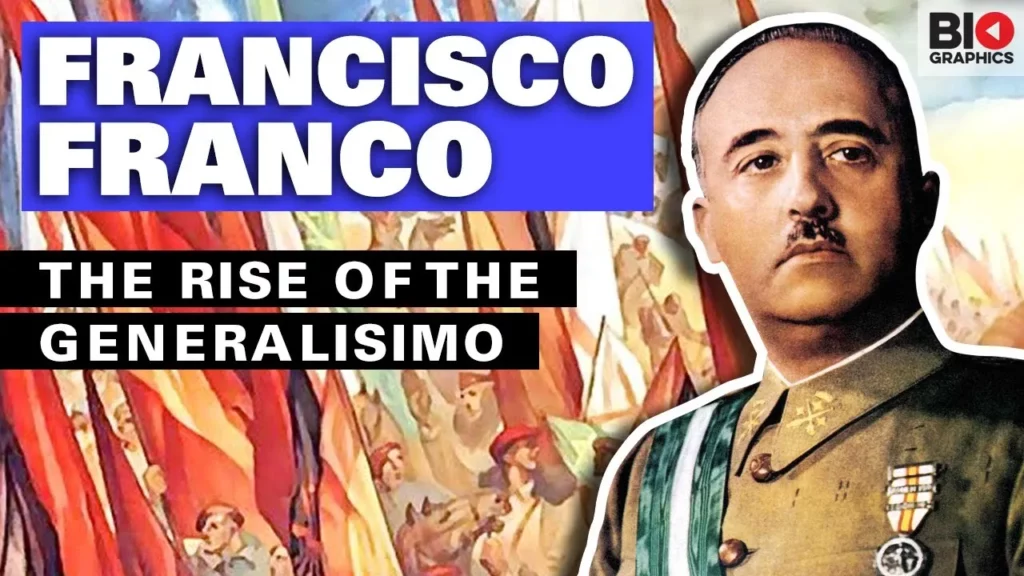
The lesson on Francisco Franco examines his rise to power and the establishment of his long-lasting dictatorship in Spain from 1939 to 1975. It highlights his early life, military career, and pivotal role in the Spanish Civil War, where he led the Nationalist faction to victory, ultimately shaping Spain’s political landscape through authoritarian rule and strategic diplomacy. Franco’s legacy is complex, reflecting both his repressive governance and the significant historical impact he had on the nation.
Puyi: The Last Emperor of China
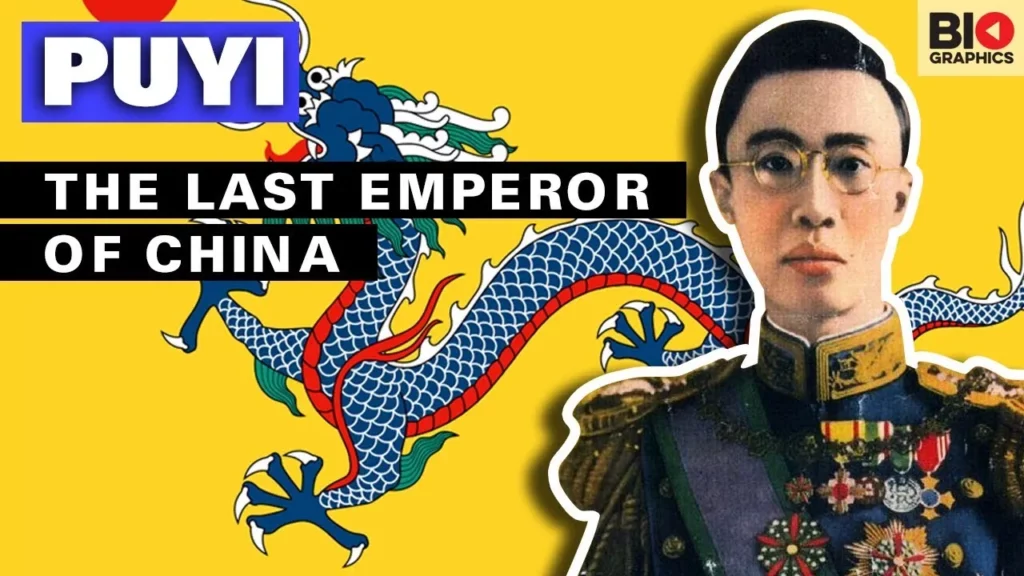
The lesson on Puyi, the last emperor of China, explores the dramatic transition from Imperial China to a republic, highlighting Puyi’s rise to power at a young age and his subsequent abdication amid national upheaval. It details his tumultuous life, including his brief return to the throne, his role as a puppet ruler under Japanese control, and his eventual capture and imprisonment after World War II. Ultimately, Puyi’s story reflects the complexities of privilege, loss, and the impact of historical forces on individual lives.
Baron Amedeo Guillet: The Private War of the Devil Commander
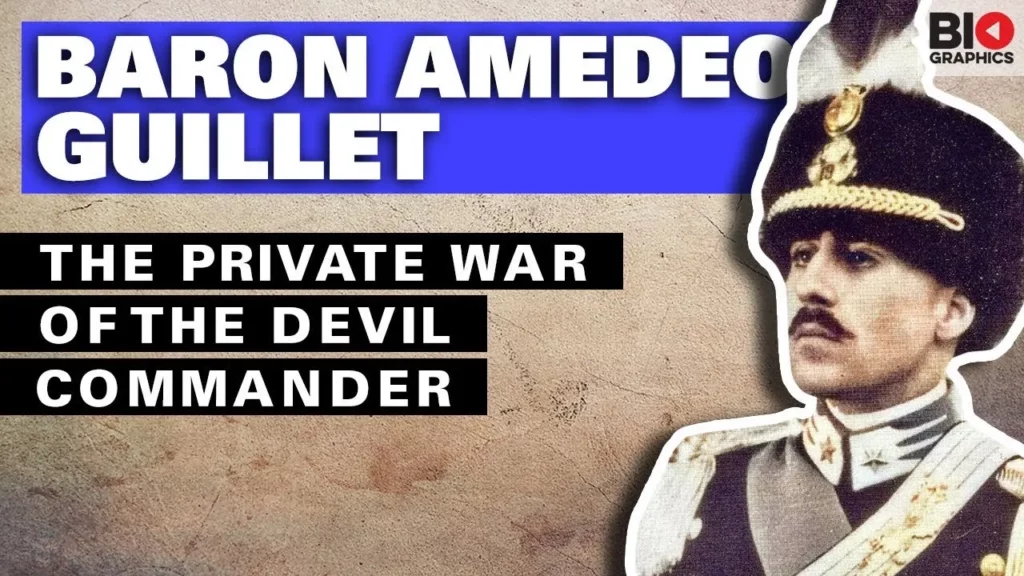
The lesson introduces Baron Amedeo Guillet, an Italian military figure known as the ‘Devil Commander’ for his charismatic leadership and guerrilla tactics during WWII in East Africa. Born into an aristocratic family, Guillet’s military career spanned multiple conflicts, where he demonstrated a commitment to honor in warfare and a disillusionment with Mussolini’s regime. His legacy is marked by his daring actions against British forces and his later contributions to diplomacy and community service, culminating in a life celebrated for bravery and adventure.
Otto Skorzeny: The Most Dangerous Man in Europe
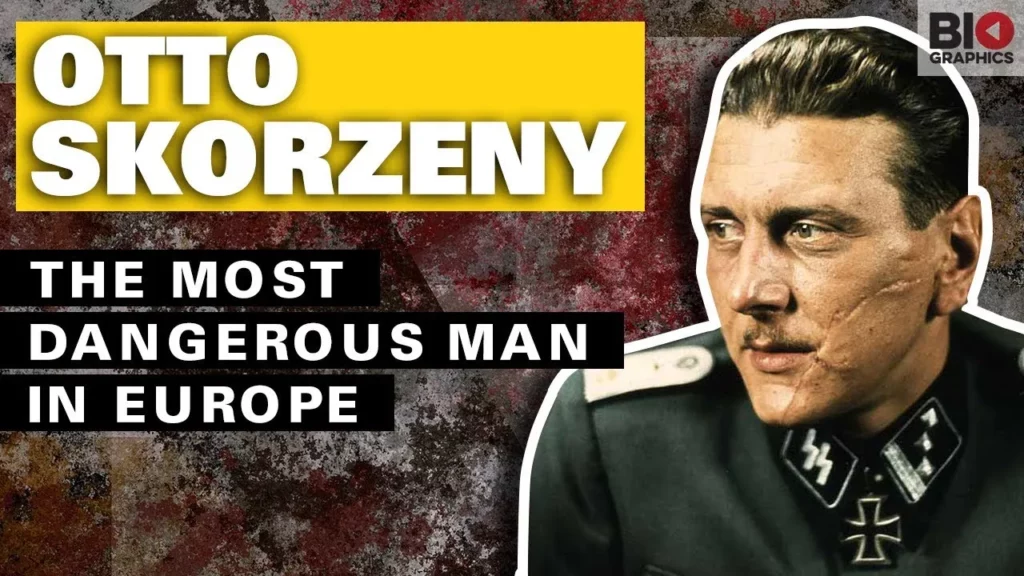
Otto Skorzeny was a notorious figure during World War II, renowned for his audacious commando missions and leadership in special operations, which earned him the title “the most dangerous man in Europe.” His early involvement with the Nazi Party and subsequent rise through the ranks of the SS led to significant operations, including the dramatic rescue of Mussolini and attempts to disrupt Allied efforts. After the war, Skorzeny’s controversial legacy continued as he lived in Spain, engaged in business, and interacted with various political groups, ultimately passing away in 1975.
Pat Garrett: The Lawman Who Shot Billy the Kid
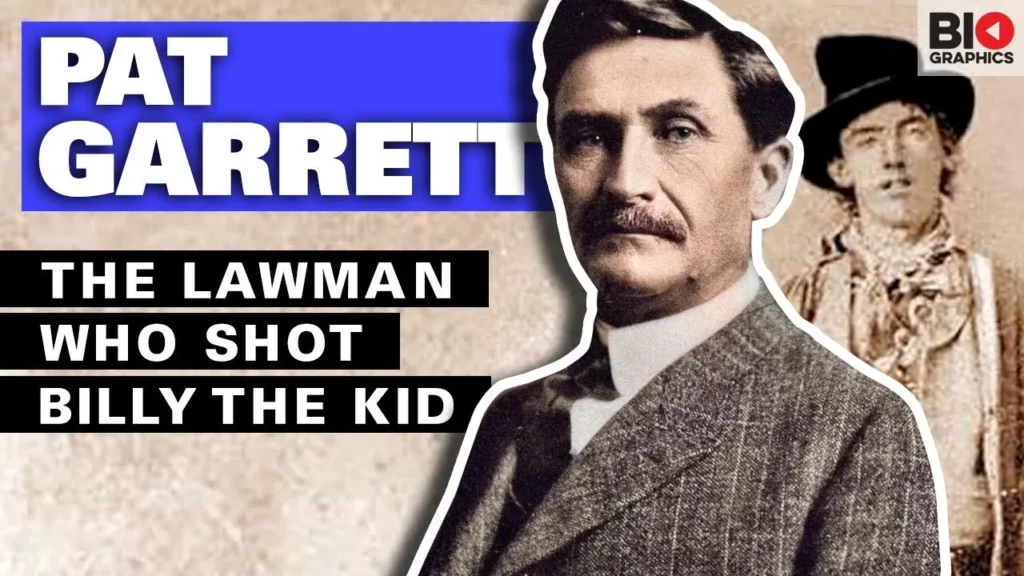
The lesson explores the complex legacy of Pat Garrett, the lawman best known for killing the infamous outlaw Billy the Kid. While Garrett’s actions defined his life and career, leading to a mix of admiration and criticism, the narrative highlights how public perception has romanticized Billy the Kid, often casting Garrett as the villain for his ambush-style shooting. Ultimately, Garrett’s life story, marked by personal tragedy and mystery, reflects the tumultuous nature of the Wild West and continues to intrigue historians and enthusiasts alike.
Tiberius: The Reluctant Emperor
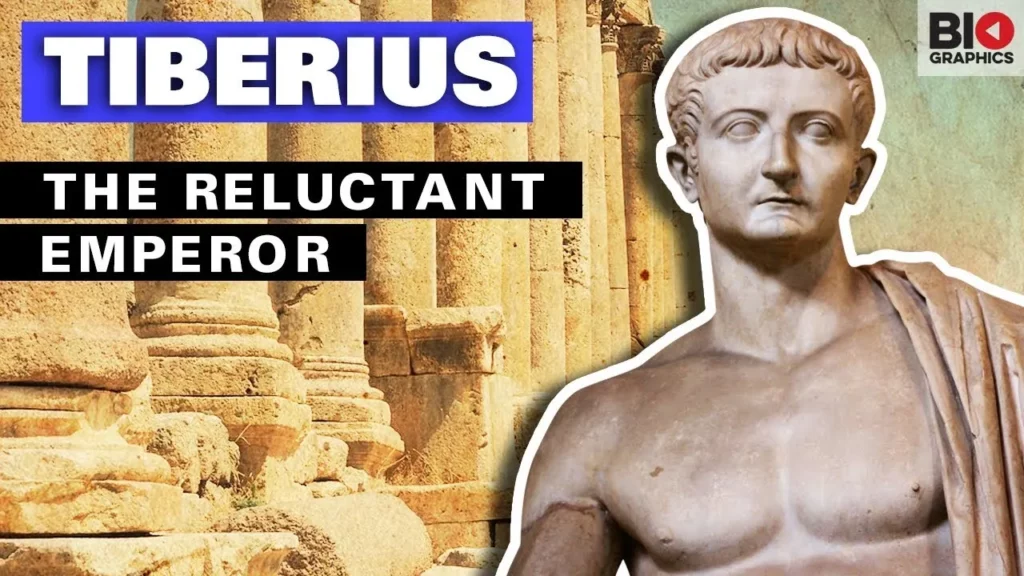
The lesson explores the life of Tiberius, the second Roman Emperor, who was reluctant to embrace his role in leadership despite his military prowess and strategic mind. Born into a tumultuous period, Tiberius faced numerous personal and political challenges, including a forced marriage and family betrayals, which ultimately led him to retreat into seclusion on the island of Capri. His reign, marked by suspicion and tragedy, reflects the complexities of power and the burdens of leadership, leaving a legacy that continues to captivate historians.
WT Stead: The Father of Investigative Journalism
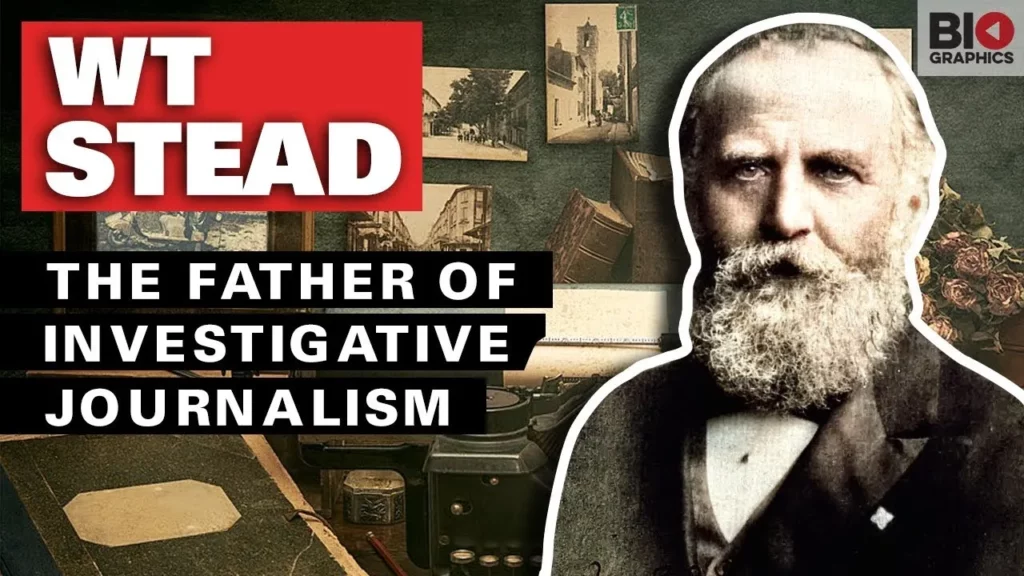
The lesson highlights the life and contributions of WT Stead, a pioneering figure in investigative journalism during the Victorian era in Britain. Stead utilized the power of newspapers to advocate for social change, notably exposing issues like child prostitution and poverty, which led to significant legislative reforms. Despite facing criticism and personal controversies, his legacy endures as a testament to the transformative potential of journalism in addressing societal issues.
Franz Kafka: Chronicler of Darkness
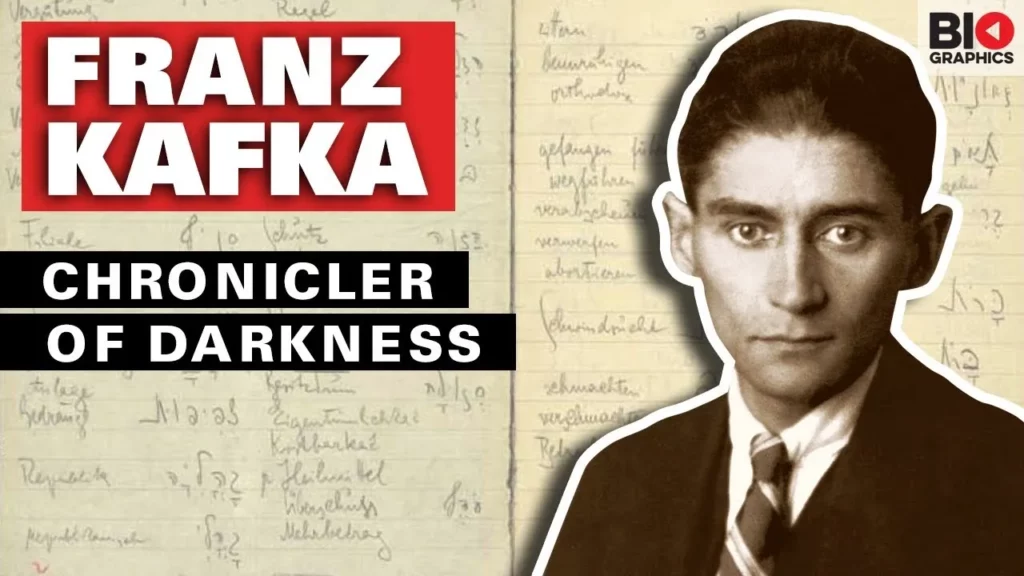
Franz Kafka, a Czech-Jewish writer born in 1883, transformed his struggles with alienation and existential dread into groundbreaking literature that profoundly influenced the 20th century. Despite a challenging upbringing and a career as an insurance lawyer, Kafka’s night-time writing produced iconic works like “The Metamorphosis” and “The Trial,” which explore themes of absurdity and isolation. Although he requested that his unpublished manuscripts be destroyed, his friend Max Brod defied this wish, ensuring Kafka’s legacy as a pivotal figure in modern literature.