
Alexander Fleming: The Father of Antibiotics
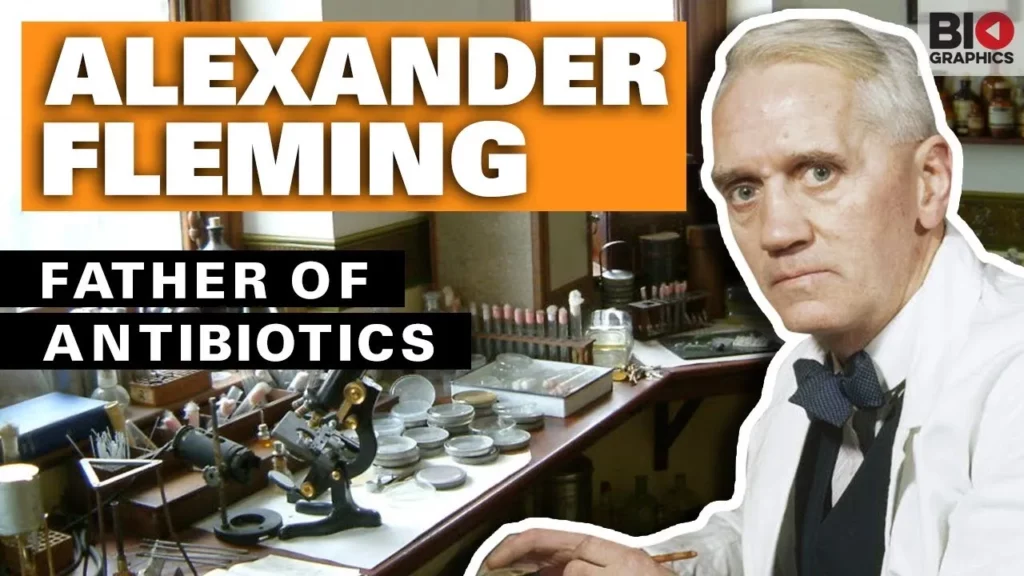
The lesson highlights the life and contributions of Alexander Fleming, who is celebrated as the father of antibiotics for his accidental discovery of penicillin in 1928. Fleming’s journey from a farming background in Scotland to a distinguished medical career illustrates his dedication to science, culminating in a groundbreaking finding that revolutionized medicine and paved the way for modern antibiotics, despite the collaborative efforts of many scientists in its development. His legacy continues to impact healthcare, emphasizing the importance of addressing antibiotic resistance.
Peter the Great: Founder of the Russian Empire
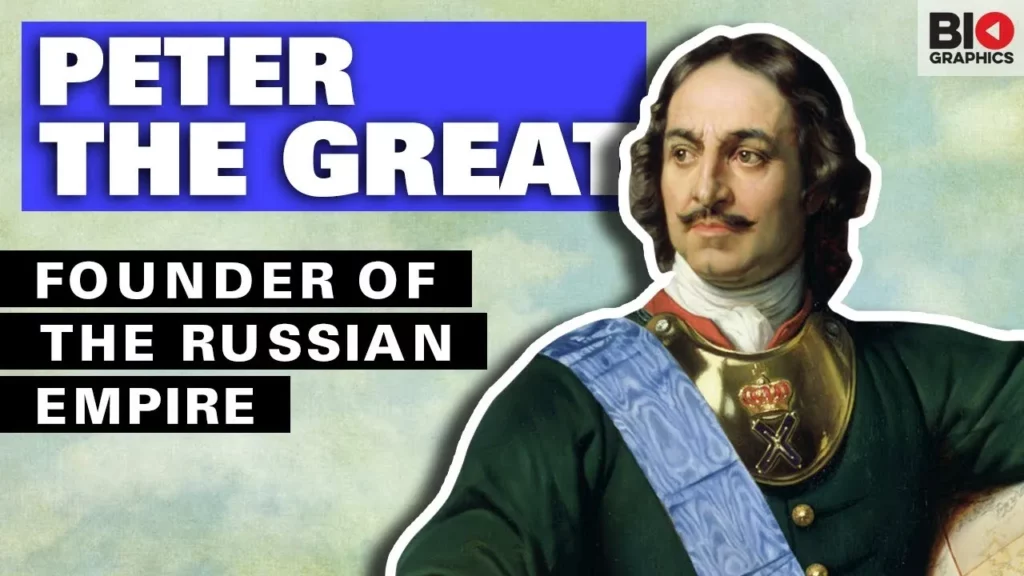
Peter the Great was a transformative ruler who modernized Russia, turning it into a powerful empire influenced by Western European ideas in various fields, including military, science, and culture. His reign was marked by significant reforms, military campaigns, and the establishment of Russia as a maritime power, particularly through the Great Northern War against Sweden. Despite facing personal and political challenges, Peter’s legacy profoundly shaped both Russian and European history.
Enzo Ferrari: Speed, Passion, and Rivalry
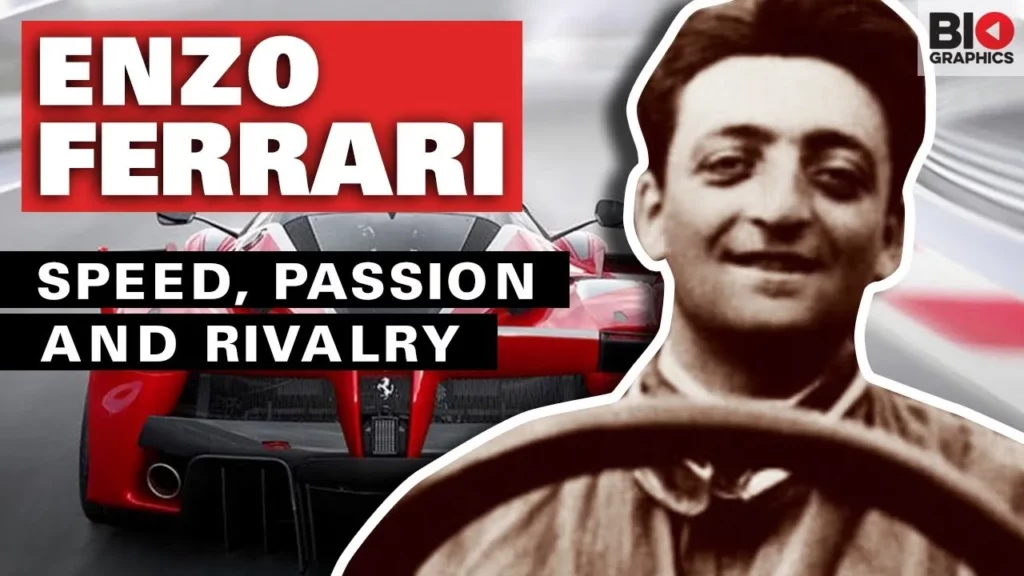
The lesson on Enzo Ferrari explores his relentless pursuit of speed and passion for racing, highlighting his journey from a young boy fascinated by cars to the founder of one of the most iconic automotive brands in history. It details his early life, the challenges he faced during World War I and II, and his fierce rivalries with competitors like Maserati, all while emphasizing his philosophy of thinking and acting as a winner. Ultimately, Ferrari’s legacy is marked by his innovative spirit and the establishment of a racing dynasty that continues to inspire enthusiasts today.
Vespasian: Savior of Rome & Father of the Colosseum
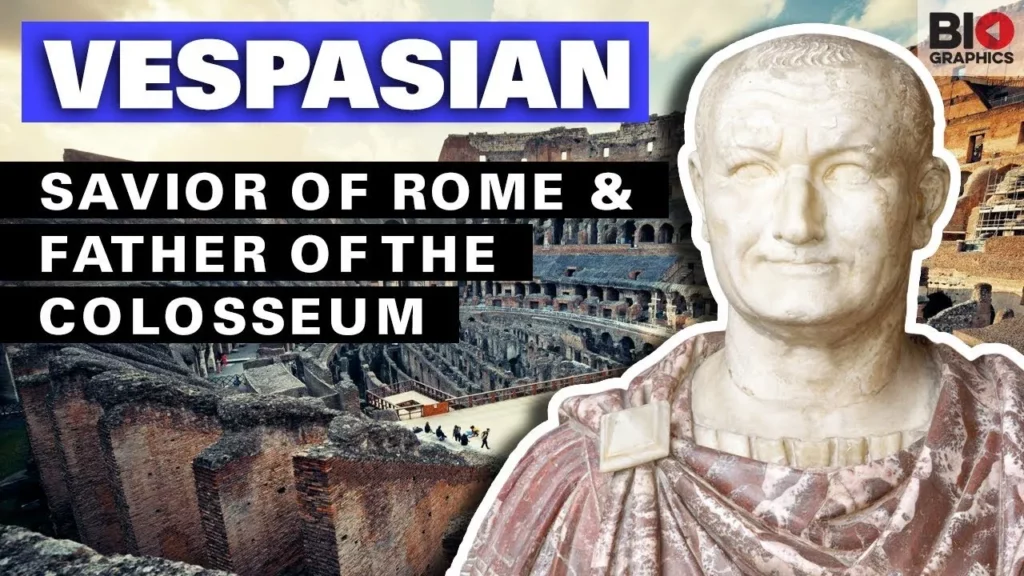
The lesson on Vespasian highlights his rise to power during the tumultuous Year of the Four Emperors, where he established the Flavian Dynasty and restored stability to Rome following Emperor Nero’s suicide. His reign was characterized by significant infrastructure projects, including the construction of the Colosseum, and efforts to rebuild the economy after the Great Fire of 64 AD. Vespasian’s legacy is marked by his ability to navigate political chaos and his contributions to Roman architecture and governance.
Franz Ferdinand: The Man Whose Death Caused WWI
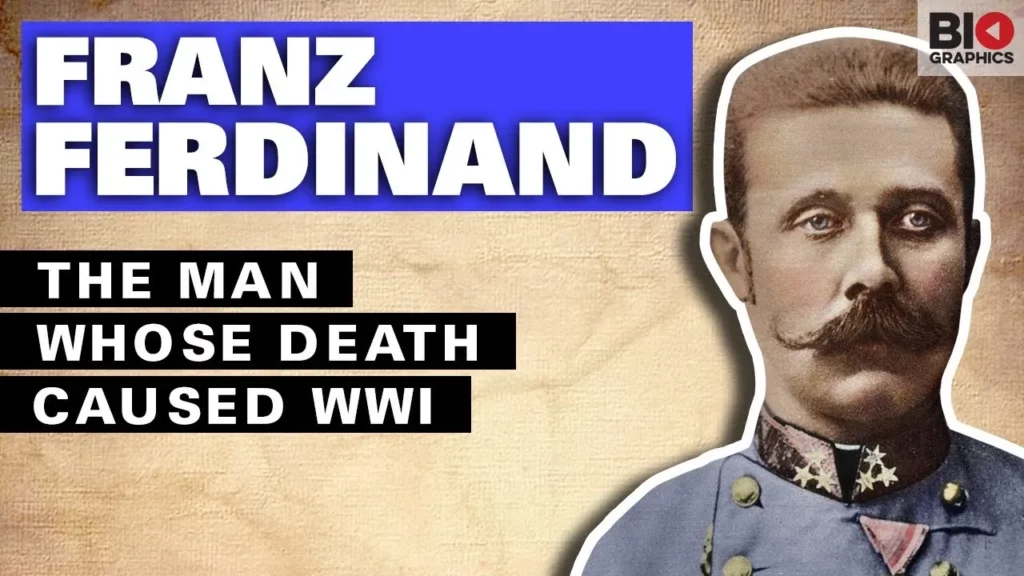
The lesson explores the life and significance of Archduke Franz Ferdinand, whose assassination on June 28, 1914, in Sarajevo ignited World War I. Despite his potential for reform within the Austro-Hungarian Empire, his untimely death led to a catastrophic conflict that reshaped the world and resulted in millions of casualties. The lesson emphasizes the importance of understanding the personal stories behind historical events and how individual actions can have profound global consequences.
Maximilian I: The Austrian Dictator of Mexico
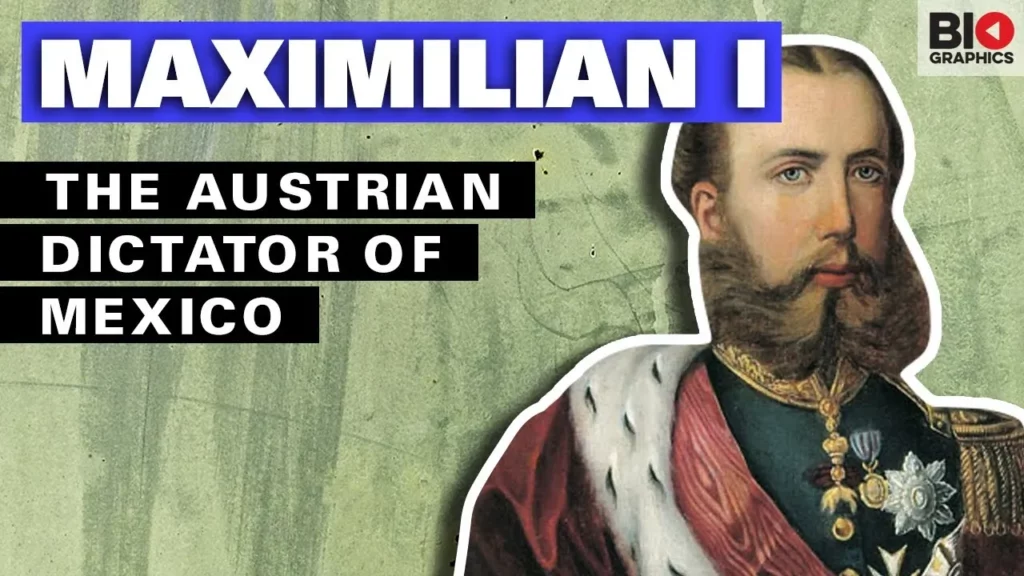
The lesson on Maximilian I explores his unexpected rise to power as the Austrian emperor of Mexico amidst the country’s political turmoil in the 1860s. Initially sought by Mexican aristocrats to stabilize the nation, Maximilian’s governance was marked by a clash between his liberal reforms and the expectations of his conservative supporters, ultimately leading to his downfall. His execution in 1867 underscores the complexities of ambition and the influence of geopolitical forces in shaping historical events.
Eddie Chapman: World War II’s Most Unlikely Double Agent
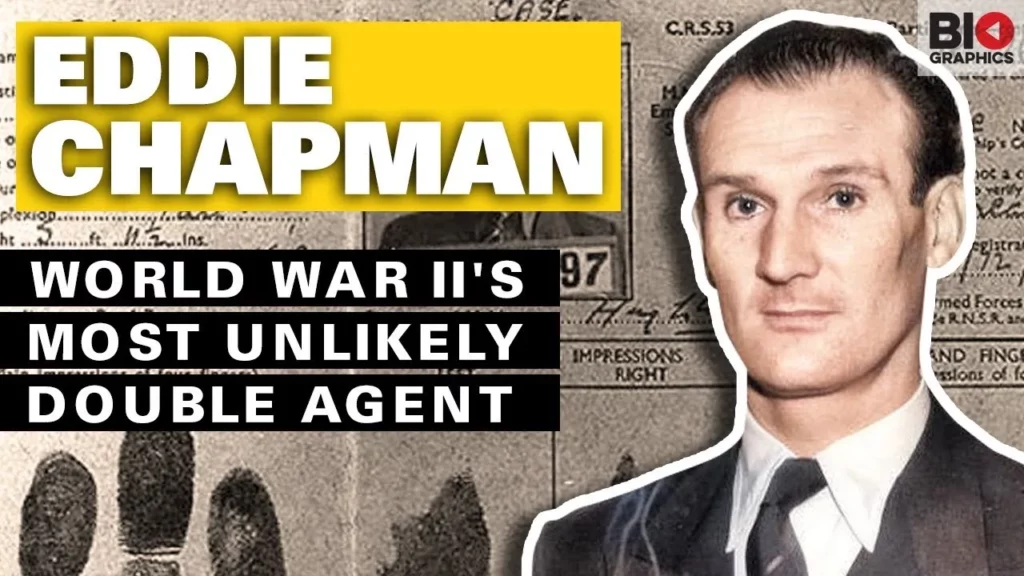
Eddie Chapman, an unlikely double agent during World War II, transformed from a troubled youth and criminal into a pivotal figure in espionage. After serving in the military and becoming entangled in crime, he seized the opportunity presented by the war to offer his services to both British and German intelligence, ultimately becoming a double agent for MI5 under the codename “ZigZag.” His complex legacy includes acts of bravery, deception, and a tumultuous lifestyle, culminating in a post-war life that oscillated between legitimate business and black market dealings.
Vincent Van Gogh: The Humble Genius
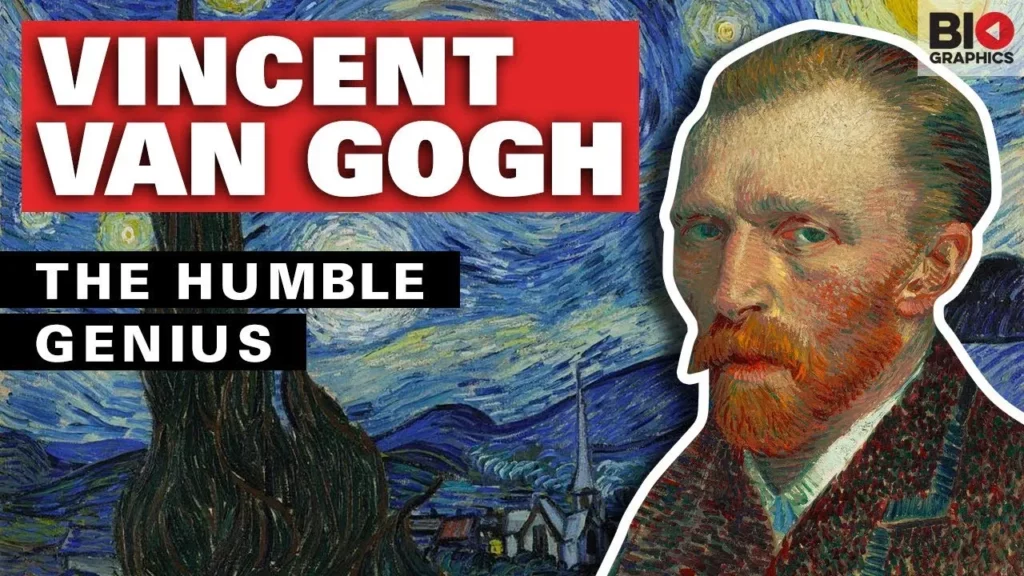
The lesson explores the life and struggles of Vincent van Gogh, highlighting his journey from a troubled upbringing to becoming one of the most celebrated artists in history. Despite facing mental health challenges and personal crises, van Gogh’s passion for art flourished, leading to iconic works like “The Starry Night.” His legacy, marked by posthumous recognition and appreciation, continues to inspire many, illustrating the profound impact of his artistic genius.
Karl I: The Last Emperor of Austria
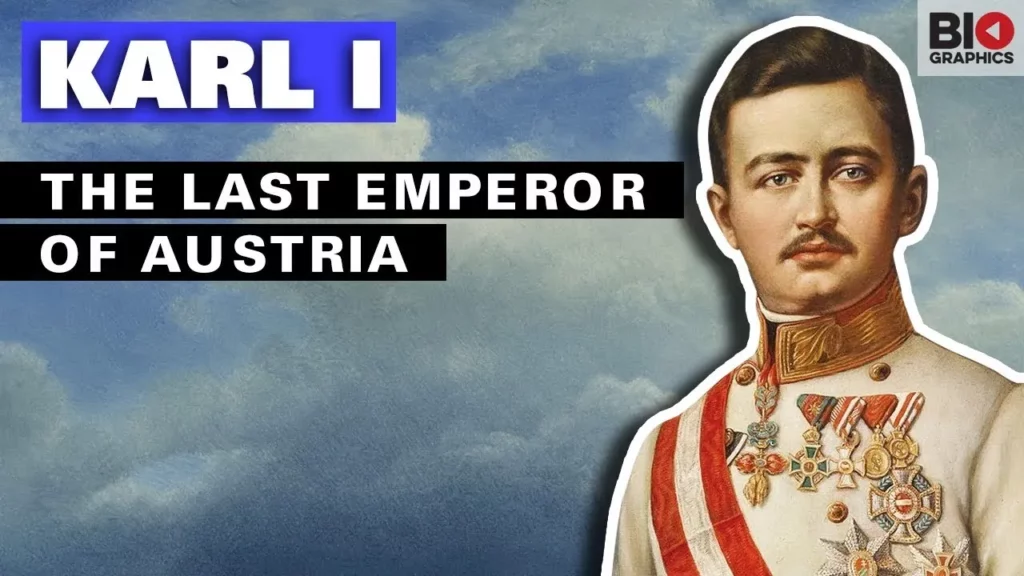
The lesson on Karl I, the last emperor of Austria, explores his rise to power amid the collapse of the Austro-Hungarian Empire during World War I. Despite his noble intentions to promote peace and reform, Karl’s efforts were insufficient to stabilize the empire, leading to his abdication and eventual exile. His legacy is complex; while initially viewed as a weak leader, he is now recognized for his peacemaking attempts, highlighting the challenges leaders face in times of crisis.
Ludwig Wittgenstein: The 20th Century’s Greatest Philosopher
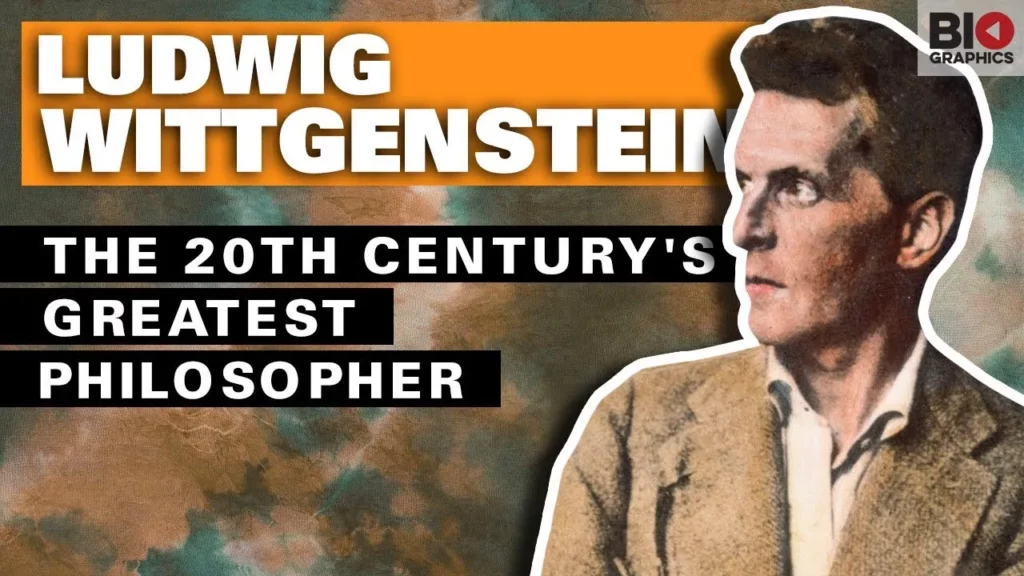
Ludwig Wittgenstein, recognized as one of the 20th century’s most influential philosophers, initially believed he had resolved all philosophical issues with his 1922 work, *Tractatus Logico-Philosophicus*, prompting a brief departure from academia. His complex life, marked by personal loss, a wealthy upbringing, and struggles with identity and mental health, deeply influenced his philosophical inquiries and legacy. Despite his challenges, Wittgenstein’s exploration of language, reality, and the human condition continues to inspire and provoke thought across various disciplines.