
Geniuses That Shaped The World We Live In
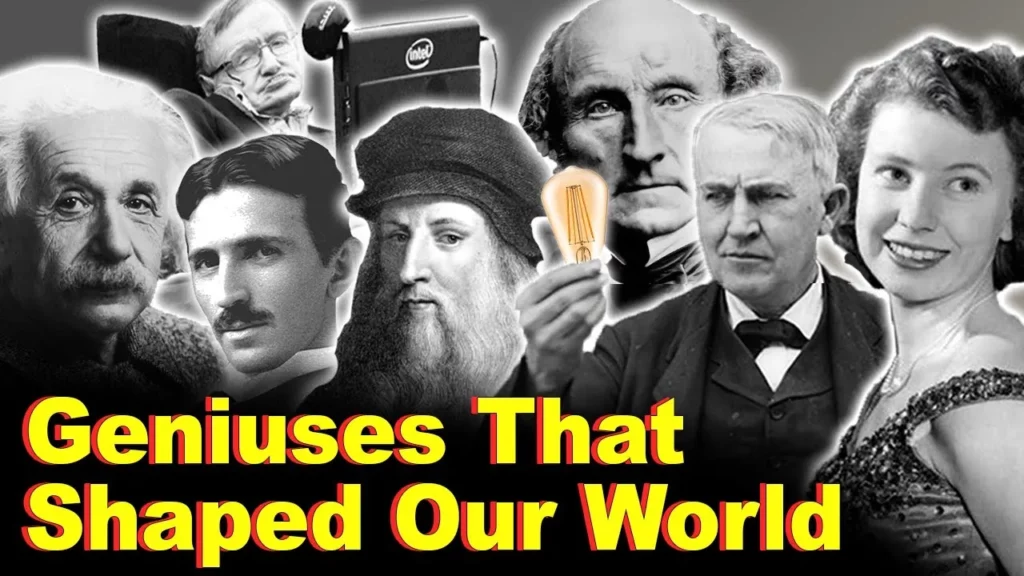
The lesson “Geniuses That Shaped The World We Live In” explores the multifaceted nature of intelligence, emphasizing that it cannot be solely defined by traditional measures like IQ tests. It highlights the contributions of remarkable figures such as Albert Einstein, Marie Curie, and Leonardo da Vinci, while also addressing the cultural biases inherent in intelligence assessments and the importance of creativity in defining true genius. Ultimately, the lesson encourages individuals to embrace their unique ideas and potential for innovation.
How Old is Chinese Civilization?
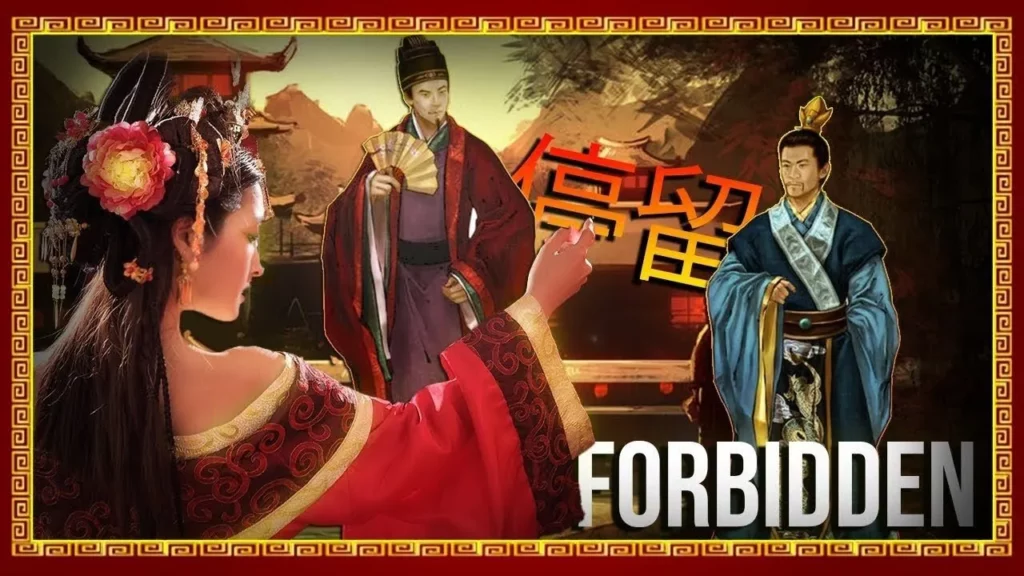
The lesson explores the ancient roots of Chinese civilization, focusing on the early Shang and Zhou dynasties, and highlights the significance of legendary figures like Yu the Great and the discovery of Oracle bones, which provided crucial insights into early Chinese society and governance. It emphasizes the cultural and political developments during these dynasties, particularly the introduction of the Mandate of Heaven by the Zhou, which transformed the justification for rule and shaped the moral framework of Chinese governance. Ultimately, the lesson underscores the complexity and continuity of Chinese civilization, tracing its evolution from ancient times to the present.
The Time Rome Trained Their Slaves To Be Their Enemy
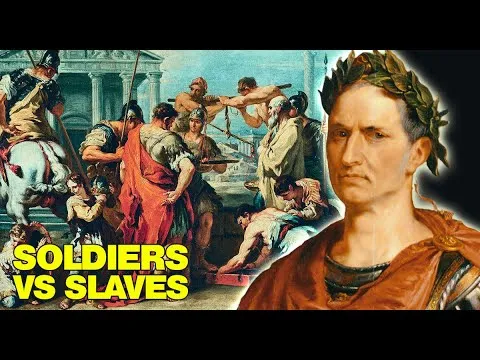
The lesson explores the story of Spartacus, a gladiator who led a significant rebellion against the Roman Empire, highlighting his journey from a captive gladiator to the leader of an army of escaped slaves. Despite his initial goal of seeking freedom and returning home, Spartacus’s rebellion grew into a formidable threat to Rome, prompting a strong military response. Ultimately, Spartacus’s defeat and the harsh consequences faced by his followers have cemented his legacy as a symbol of resistance and inspiration for future movements against oppression.
Most Deadly Jobs

The lesson highlights the perilous roles individuals undertook during the First World War, showcasing how advancements in warfare technology created new dangers on the battlefield. Key jobs such as message runners, combat engineers, submarine divers, and pilots exemplified the bravery required to navigate the treacherous conditions of trench warfare and emerging combat strategies. These roles were crucial in ensuring communication, troop movement, and operational success, despite the high risks involved.
CREEPY Things that were "Normal" in Feudal Japan

The lesson explores the darker aspects of life in feudal Japan, particularly during the Edo period, where the samurai’s elevated status masked significant societal challenges. It highlights the grim realities of arranged marriages, the tragic phenomenon of “shinju” among lovers, the harsh conditions of prostitution, and the struggles faced by farmers and marginalized groups like the burakumin. Additionally, the Tokugawa shogunate’s isolationist policies further complicated these issues, leading to persecution and a lack of foreign influence.
The War on Narcos and Drugs
The lesson explores the complex world of drug cartels, focusing on notorious figures like El Chapo and the innovative methods they used to smuggle drugs, such as elaborate tunnel systems. It highlights the rise of other cartels, including the Beltrán Leyva and Jalisco New Generation cartels, and the violent power struggles that ensued as they adapted to law enforcement efforts. Ultimately, the lesson illustrates the ongoing battle between these powerful illegal organizations and authorities, emphasizing the cunning and resilience of the cartels.
Creepy Things Kept Secret about The Queens of Israel
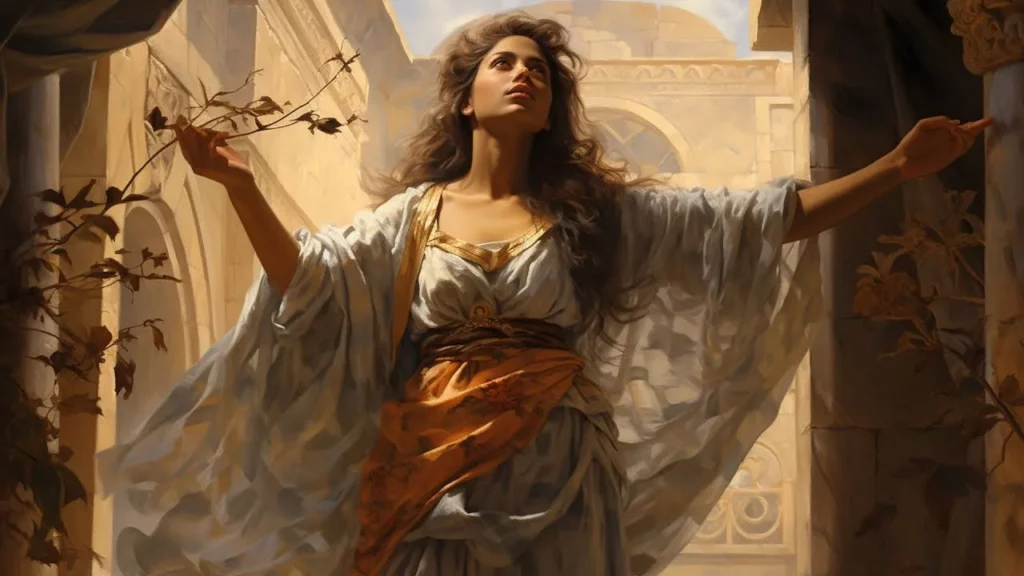
The lesson explores the significant yet often overlooked roles of the queens of Israel, highlighting figures like Jezebel and Esther, who influenced the course of history through their actions and decisions. It delves into the complexities of their stories, including Jezebel’s controversial reign and Esther’s courageous efforts to save her people, illustrating how these women navigated power struggles and societal challenges. Ultimately, the lesson emphasizes the lasting impact of these queens on the narratives and faith of the Hebrew tribes.
The Forgotten of the Vietnam War

The lesson highlights the significant yet often overlooked contributions of Native Americans during the Vietnam War, noting that over 42,000 Native Americans and Alaska Natives served in the military, driven by limited job opportunities and a deep connection to their land. Despite facing stereotypes and being assigned to dangerous roles, many viewed military service as an extension of their cultural values and a way to honor treaty alliances with the U.S. Their bravery and dedication, reflected in their high volunteer rates and the sacrifices made, underscore the importance of recognizing their role in this chapter of American history.
The Scary Untold Story of "Buffalo Bill” of the Wild West

The lesson explores the life and legacy of Buffalo Bill, a pivotal figure in shaping the romanticized image of the Wild West through his popular traveling show. While he contributed to the heroic portrayal of cowboys and celebrated diversity by employing Native Americans and supporting women’s rights, his performances often perpetuated negative stereotypes of Native Americans and simplified complex historical narratives. Ultimately, Buffalo Bill’s life reflects a blend of contradictions, highlighting both his influence on American culture and the problematic aspects of his legacy.
What Drugs were Like
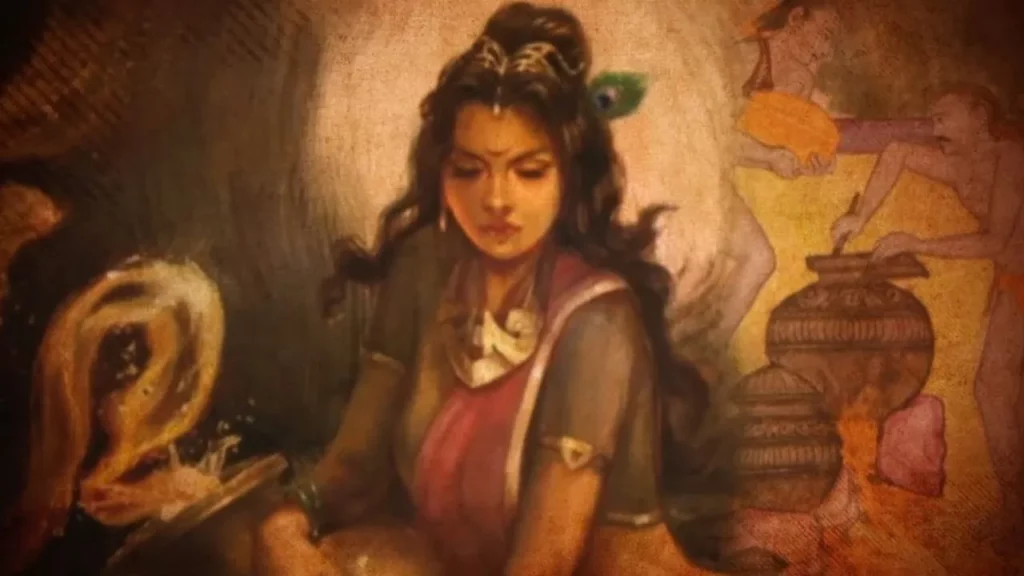
The lesson explores the resurgence of interest in psychedelics, driven by public figures and a growing acceptance of these substances, which have deep historical and shamanic roots. It highlights various uncommon psychedelics found in everyday items, the mythical elixir “Soma,” and traditional substances like bhang and Ayahuasca, emphasizing their spiritual and healing roles across cultures. The lesson also touches on the ecological concerns surrounding certain psychedelics and their potential therapeutic applications in modern medicine.