
The Wright Brothers: First in Flight and Family
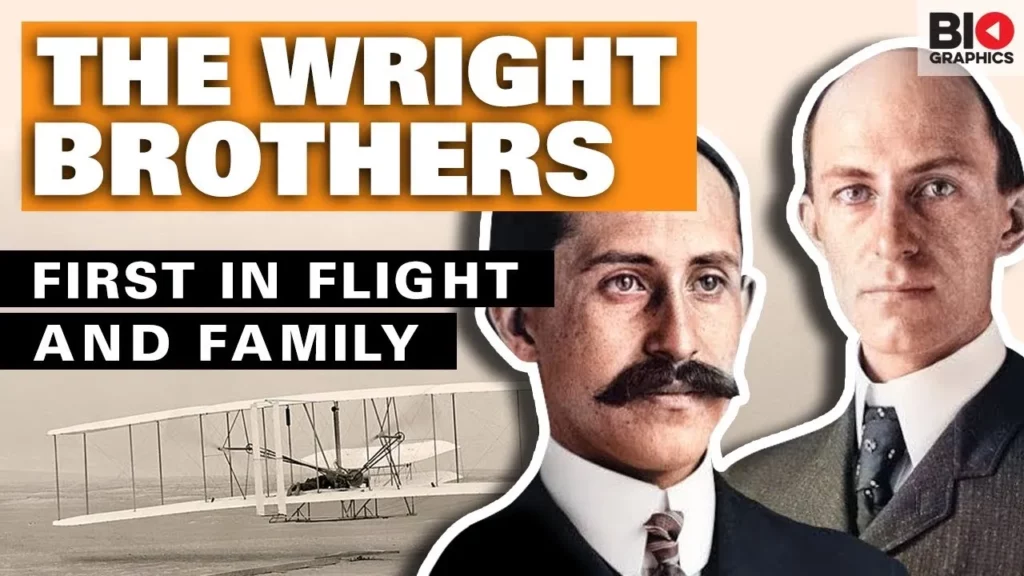
The lesson on the Wright Brothers highlights their humble beginnings and the significant role their family played in their journey to becoming pioneers of flight. Despite facing challenges such as financial struggles and personal tragedies, Wilbur and Orville Wright’s passion for innovation and their close-knit family support propelled them to achieve powered, controlled flight, ultimately transforming the world of travel and warfare. Their story serves as a testament to the impact of perseverance, curiosity, and familial encouragement in achieving extraordinary goals.
Musa I of Mali: The Real Life King Midas
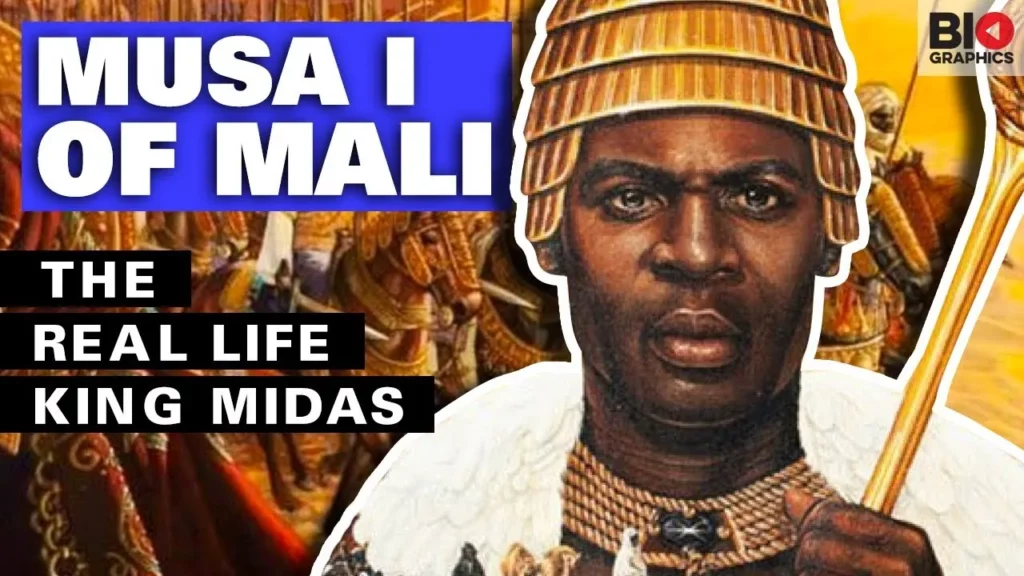
The lesson on Musa I of Mali highlights the extraordinary wealth and influence of this historical figure, often referred to as the “real-life King Midas.” Ruling from 1312 to 1337, Musa I transformed the Mali Empire into a dominant power in West Africa, renowned for its vast gold reserves and cultural achievements, particularly in Timbuktu. His legendary pilgrimage to Mecca showcased his wealth and generosity, but also inadvertently caused economic disruption in Cairo, illustrating the profound impact of his riches on the broader world.
Olive Oatman: Life among the Mohave
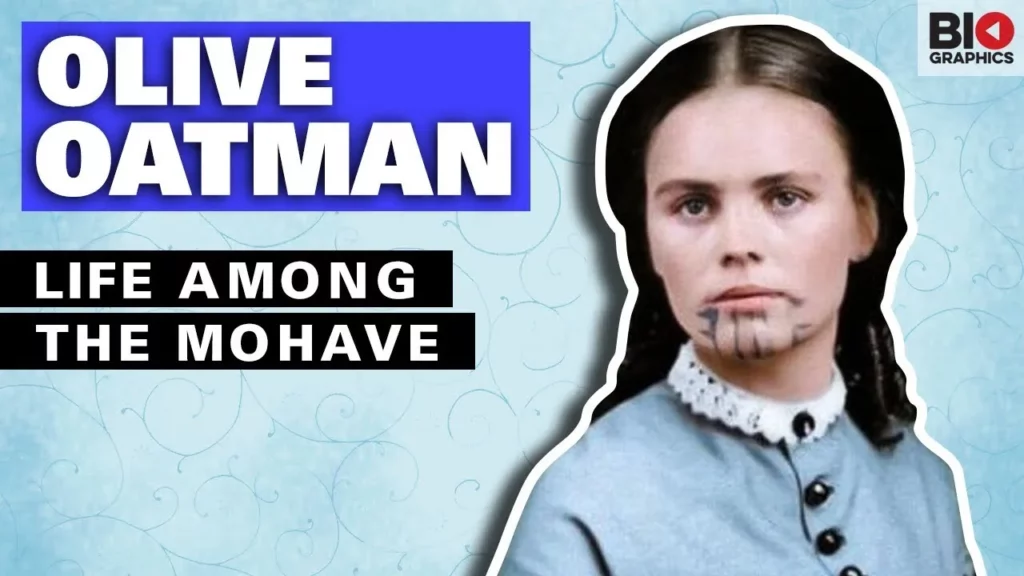
The lesson on Olive Oatman explores her harrowing journey from a pioneer family to captivity among the Mohave tribe during America’s Westward Expansion in the mid-1800s. After surviving a tragic attack that claimed most of her family, Olive and her sister were taken captive, but she eventually found kindness and a sense of belonging with the Mohave people. Her story highlights themes of resilience, cultural exchange, and the complexities of pioneer life, as she later honored her captors by sharing their kindness after her reunion with her brother and return to her previous life.
Porfirio Diaz: Mexico’s Gentleman Dictator
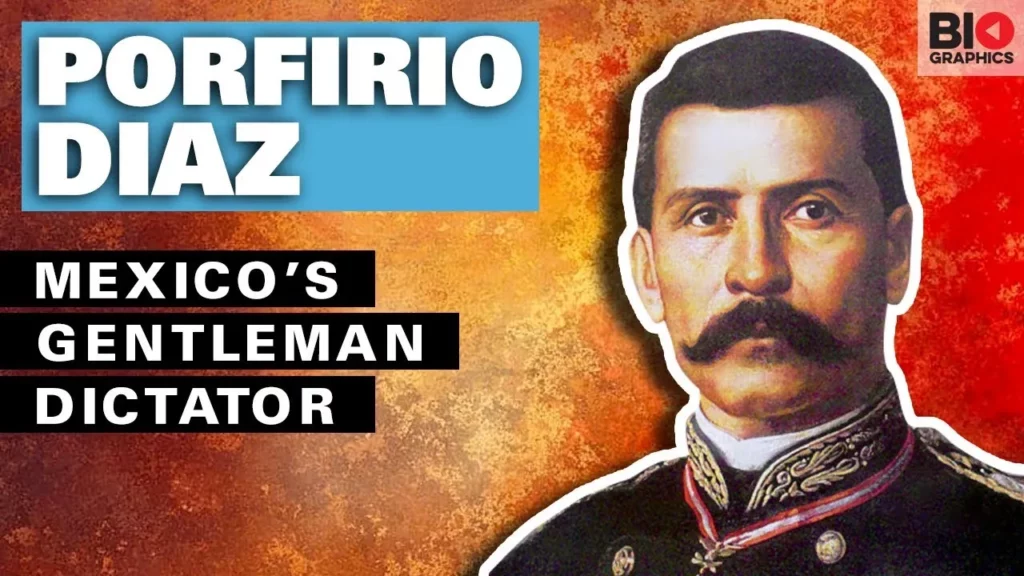
The lesson explores the life and impact of Porfirio Diaz, who ruled Mexico for over 30 years and became known as “Mexico’s Gentleman Dictator.” His presidency, marked by economic modernization and stability, was overshadowed by repression of civil liberties and growing inequality, ultimately leading to the Mexican Revolution in 1910. Diaz’s legacy remains contentious, as he is both credited with progress and criticized for the hardships faced by many during his rule.
The 47 Ronin: Japan’s Greatest Tale of Vengeance

The lesson on the 47 Ronin recounts the legendary tale of samurai loyalty and honor in Japan, centered around the revenge plot of Asano Naganori’s retainers after their master’s unjust death. Following Asano’s forced seppuku due to a confrontation with the arrogant official Kira Yoshinaka, 47 loyal ronin, led by Ōishi Kuranosuke, meticulously planned and executed their revenge, ultimately fulfilling their duty to their fallen master. Their actions, culminating in their own honorable deaths, have inspired a rich cultural legacy celebrated annually at Sengaku-ji Temple.
Tutankhamun: The Boy King of Egypt
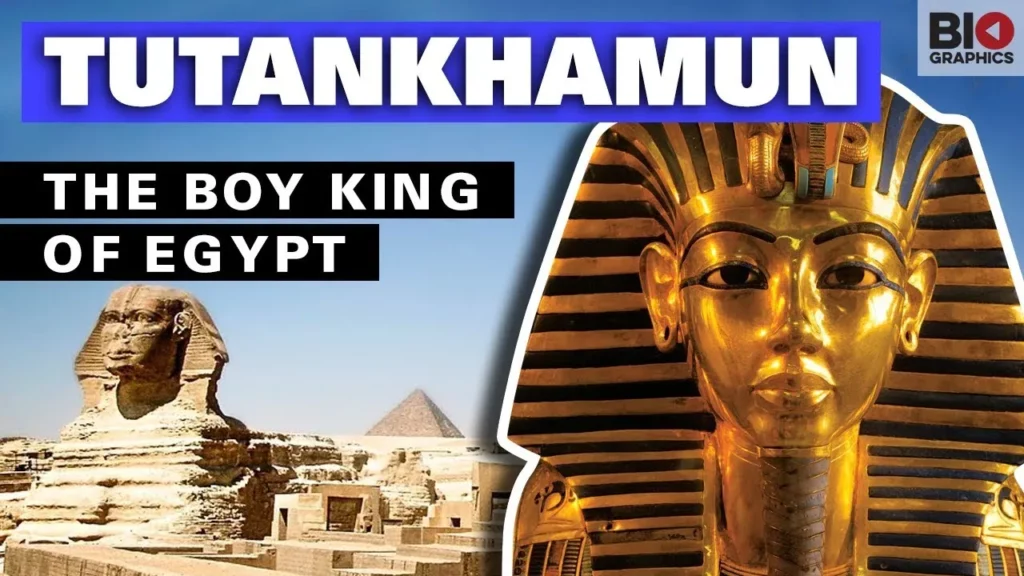
The lesson on Tutankhamun, the Boy King of Egypt, explores the remarkable discovery of his nearly intact tomb by Howard Carter in 1922, which provided invaluable insights into ancient Egyptian culture and history. Despite his short reign and the obscurity of his life, Tutankhamun’s legacy was cemented through the treasures found in his tomb, including a wealth of artifacts and his well-preserved mummy, which reveal much about his health and the era’s royal practices. The lesson also delves into the complexities of his lineage, reign, and the enduring mystery surrounding his untimely death.
Melita Norwood: The Soviet Union’s Longest-Serving British Spy

The lesson explores the life of Melita Norwood, a British spy who secretly passed nuclear secrets to the Soviet Union for decades while maintaining a facade as a devoted grandmother. Influenced by her communist upbringing, she began her espionage career in her twenties and played a crucial role in advancing the Soviet nuclear program during World War II. Despite her eventual retirement and the revelation of her activities in 1999, Norwood remained unapologetic, asserting that her actions were motivated by ideology rather than financial gain.
Isambard Kingdom Brunel: The Genius of the Industrial Revolution
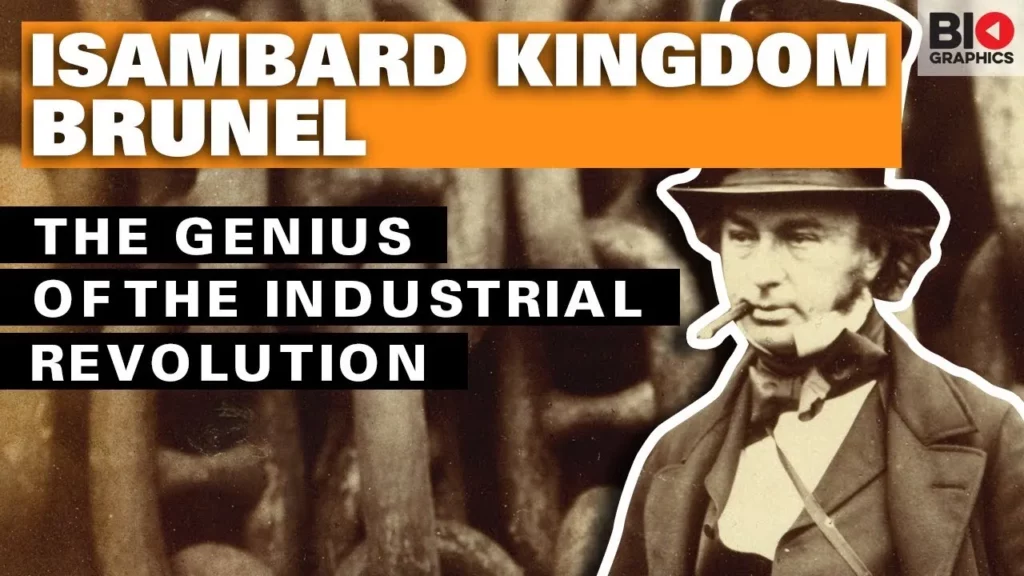
Isambard Kingdom Brunel is recognized as a pioneering engineer of the Industrial Revolution, whose innovative projects, including railways, bridges, and modern ships, transformed Britain into a global leader in engineering. Born to a French refugee father, Brunel faced numerous challenges throughout his life but ultimately became a symbol of Victorian innovation and entrepreneurship. His legacy, marked by both triumphs and setbacks, is celebrated today as a testament to human ingenuity and determination, solidifying his place among history’s greatest figures.
Jimi Hendrix: Life and Death of an Electric Alchemist

The lesson explores the life and legacy of Jimi Hendrix, a groundbreaking electric guitarist who rose from a challenging childhood to become a global music icon. Despite facing personal struggles, including addiction, Hendrix’s innovative style and unique sound revolutionized the music scene of the 20th century, leaving an indelible mark on future generations of musicians. His story highlights the transformative power of music and the lasting impact one individual can have on the world.
Carl Linnaeus: The Father of Taxonomy
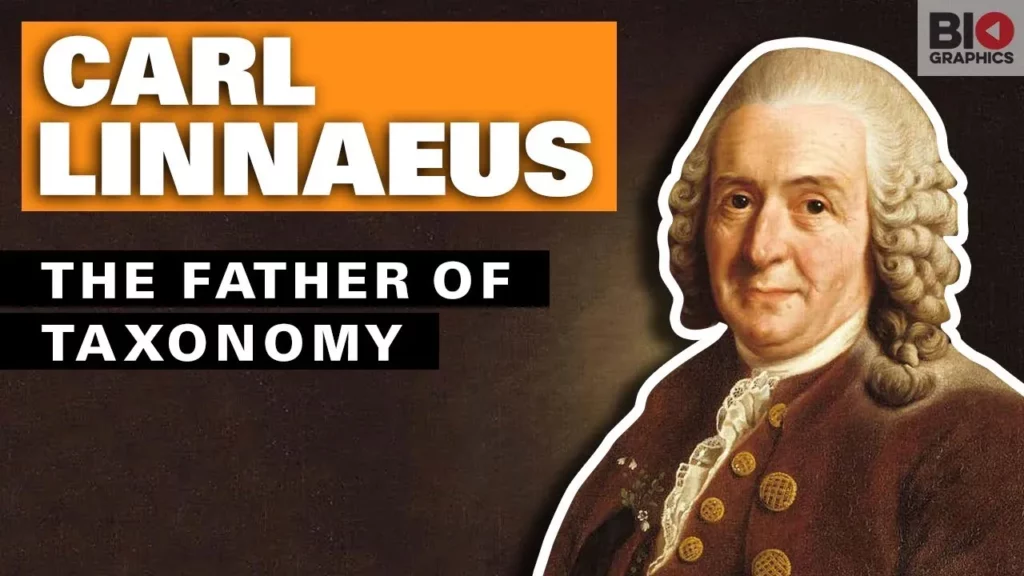
Carl Linnaeus, known as the “Father of Taxonomy,” revolutionized the classification of living organisms through his development of the binomial nomenclature system, which standardized species naming with a two-term format. His extensive research and publications, particularly in his seminal work *Systema Naturae*, laid the foundation for modern taxonomy and influenced generations of scientists. Linnaeus’s legacy continues to shape biological classification, highlighting his significant contributions to the field.