
The Three Lives of Andy Warhol
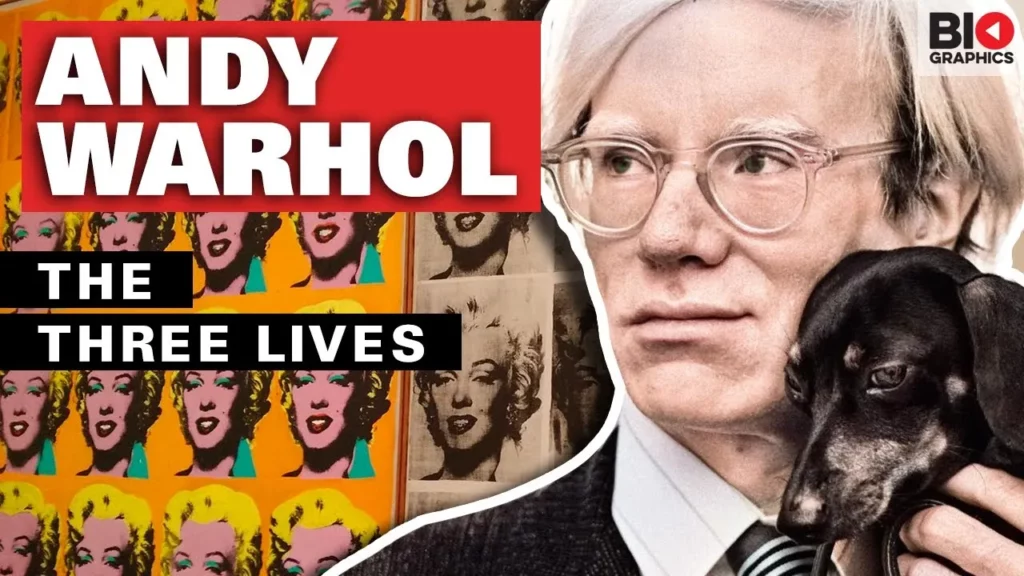
The lesson explores the transformative journey of Andy Warhol, highlighting his evolution from a commercial artist to an iconic figure in the Pop Art movement. It examines his influences, personal challenges, and the profound impact of his work on modern art and culture, emphasizing themes of fame, consumerism, and identity. Warhol’s legacy, marked by his innovative techniques and the creation of the Silver Factory, continues to resonate in contemporary art.
Rosa Parks: Activist. Fighter. Hero.
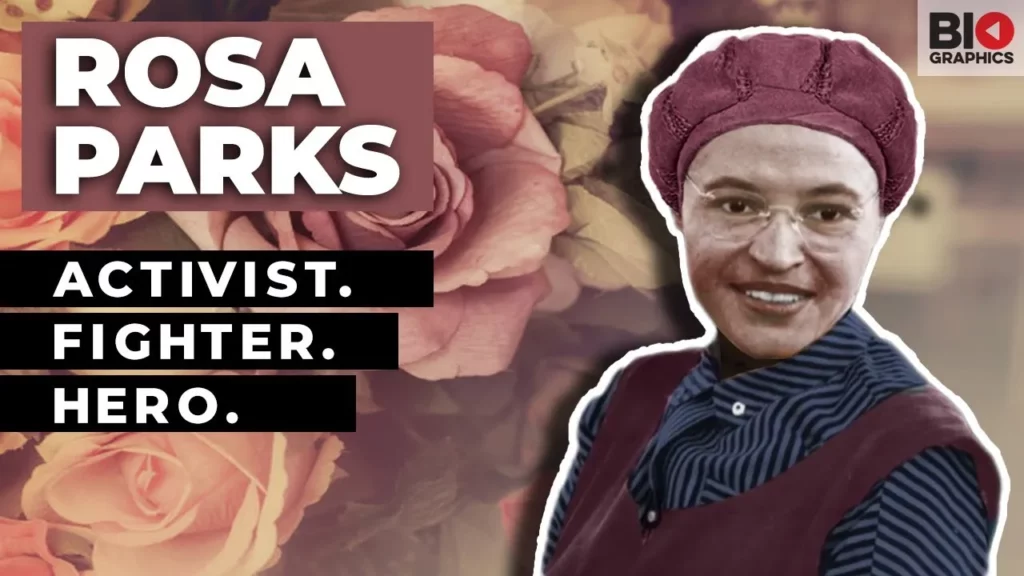
The lesson on Rosa Parks highlights her pivotal role in the Civil Rights movement, beginning with her courageous refusal to give up her bus seat in Montgomery, Alabama, in 1955. This act of defiance sparked a 381-day boycott of the bus system, led by Martin Luther King, Jr., and ultimately contributed to the Supreme Court ruling that ended segregation on public buses. Parks’ legacy serves as a testament to the impact of individual bravery and activism in the fight for justice and equality.
Smallpox: The Plague That Humanity Defeated

The lesson on smallpox highlights its historical significance as one of humanity’s deadliest diseases, claiming millions of lives and causing severe consequences for survivors. It details the virus’s nature, origins, and the devastating impact it had on populations throughout history, particularly during pandemics. The lesson culminates in the successful global eradication of smallpox in the late 20th century, showcasing the power of vaccination and international cooperation in overcoming public health challenges.
Thutmose III: Egypt’s Greatest Conqueror
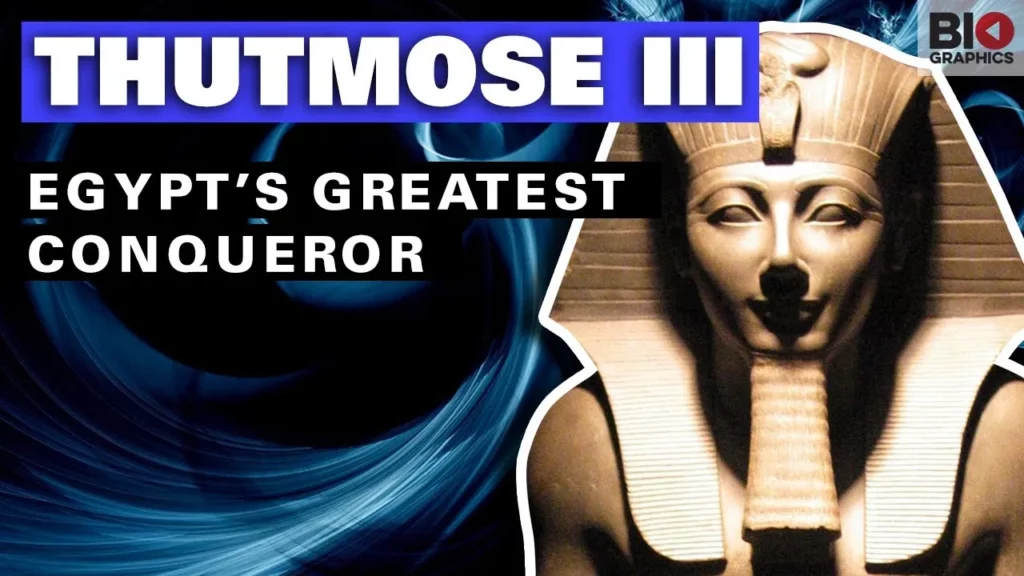
Thutmose III, often regarded as Egypt’s greatest conqueror, transformed the nation into a formidable empire during his reign following the death of his stepmother, Hatshepsut. He led 17 military campaigns, most notably the decisive Battle of Megiddo, which solidified Egypt’s dominance in the region and resulted in the conquest of over 300 cities. His legacy includes significant military achievements and monumental constructions, ensuring Egypt’s power and influence for centuries.
Ned Kelly: Australia’s Most Famous Outlaw
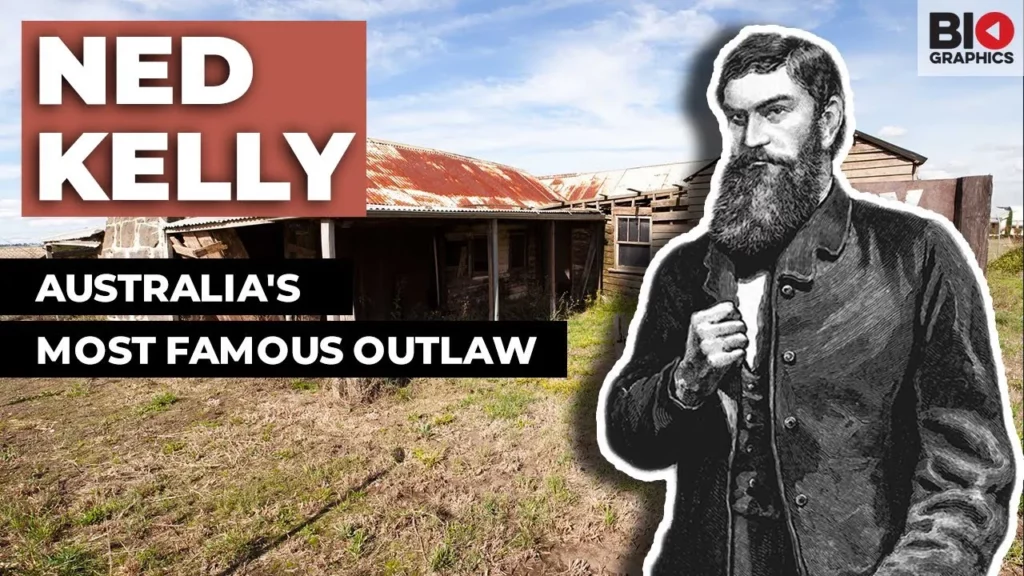
Ned Kelly, born in the mid-1850s in Victoria, Australia, is a polarizing figure celebrated as both a hero and a criminal. His early life was marked by hardship, leading him to a life of crime after the death of his father and his association with notorious bushranger Harry Power. The infamous Fitzpatrick incident and subsequent formation of the Kelly Gang culminated in a dramatic final stand in 1880, resulting in Kelly’s capture and execution, solidifying his status as a cultural icon and sparking ongoing debates about justice and rebellion in Australian society.
Publius Cornelius Scipio “Africanus”: A General Greater Than Napoleon
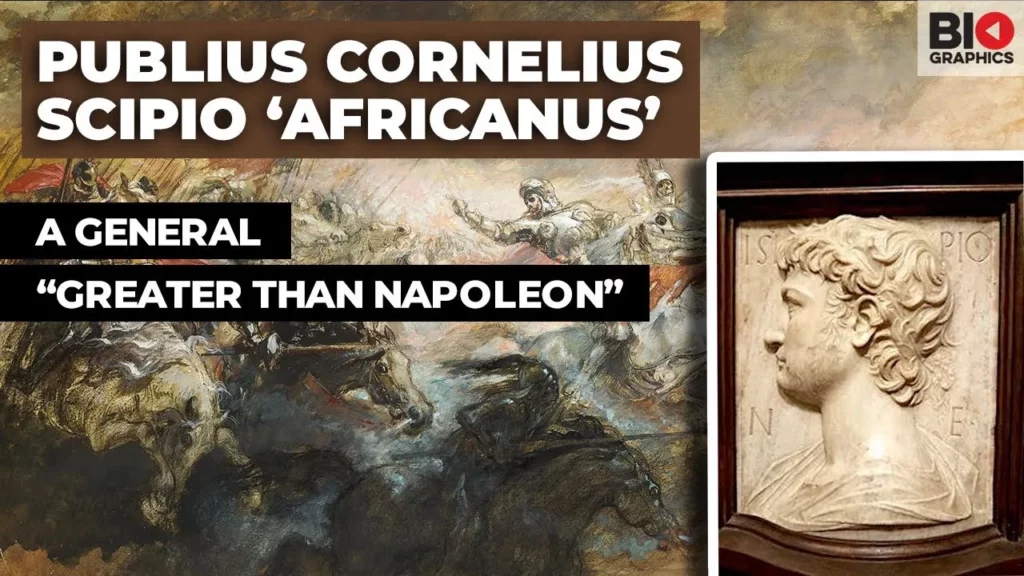
The lesson highlights the military genius of Publius Cornelius Scipio Africanus, a Roman general whose strategic brilliance led to Rome’s victory over Hannibal during the Second Punic War. Despite facing significant challenges and initial defeats, Scipio’s innovative tactics and leadership ultimately transformed the course of the war, establishing him as one of history’s greatest military commanders, even surpassing figures like Napoleon. His legacy, while less celebrated, underscores the importance of recognizing the contributions of often-overlooked victors in history.
Elizabeth Short: The Black Dahlia
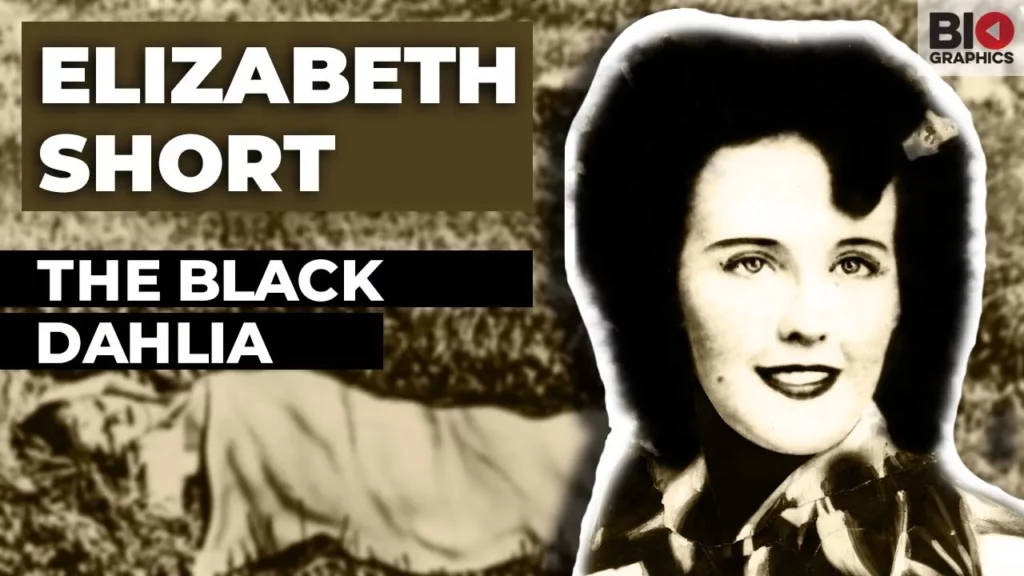
The lesson on Elizabeth Short, known as the Black Dahlia, details the shocking discovery of her mutilated body in Los Angeles on January 15, 1947, which marked the beginning of one of history’s most infamous unsolved murder cases. Despite extensive investigations and numerous suspects, including false confessions and various leads, the identity of her killer remains a mystery, continuing to intrigue true crime enthusiasts and historians. The media frenzy surrounding the case further solidified its place in American crime lore, highlighting the tragic life of Elizabeth Short and the brutal nature of her death.
Buddy Holly: The Day the Music Died

The lesson on Buddy Holly explores his early life, musical influences, and the formation of his band, The Crickets, highlighting his unique contributions to rock and roll despite facing numerous challenges. Born in Lubbock, Texas, Holly’s passion for music was nurtured by his family, leading him to blend various genres and create hits like “That’ll Be the Day” and “Peggy Sue.” His innovative techniques and ability to appeal to diverse audiences solidified his legacy as a pivotal figure in music history, influencing countless artists after him.
Harriet Tubman: The Conductor Of Freedom
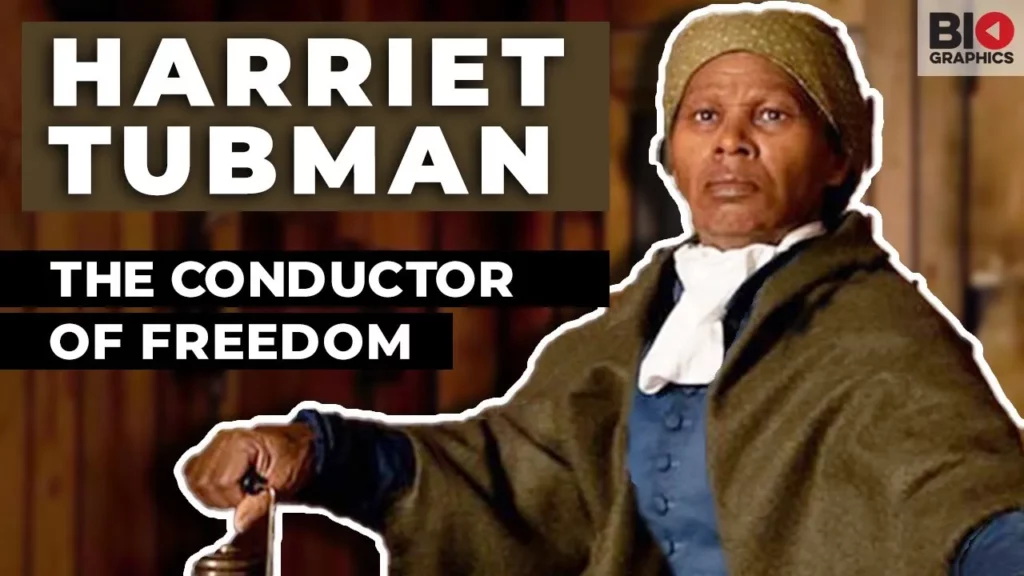
The lesson on Harriet Tubman highlights her remarkable journey from slavery to becoming a key figure in the fight for freedom during the American Civil War. Born Araminta Ross, Tubman faced numerous hardships in her early life but ultimately escaped to freedom and returned multiple times to rescue others, earning her the title “Conductor of the Underground Railroad.” Her legacy is marked by her bravery, leadership in military operations, and ongoing advocacy for civil rights and women’s suffrage until her death in 1913.
Robert the Bruce: Scotland’s Greatest Champion
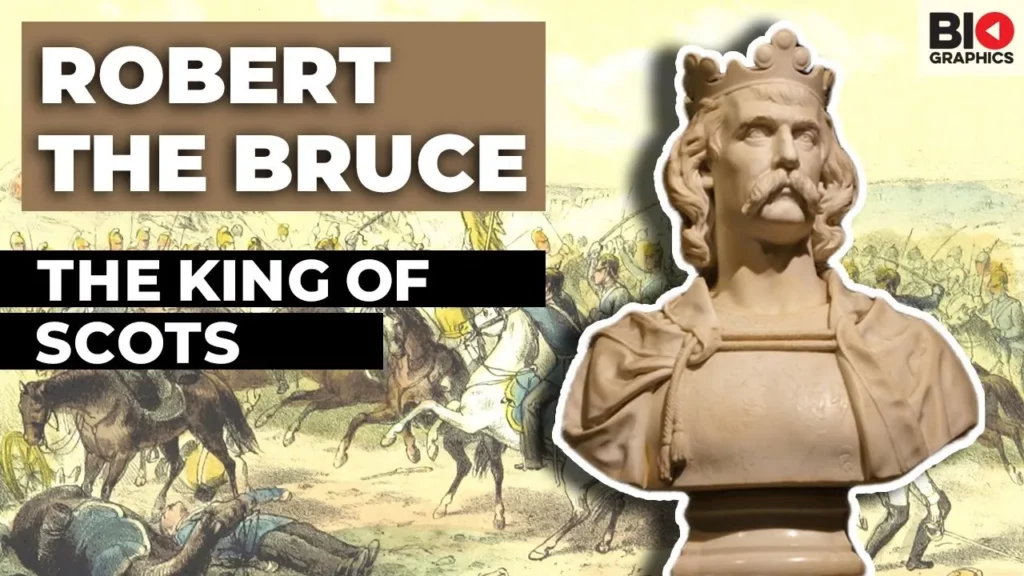
The lesson on Robert the Bruce highlights his pivotal role in securing Scotland’s independence during the tumultuous 14th century. Initially caught in the power struggles among Scottish nobles and manipulated by King Edward I of England, Bruce ultimately shifted his allegiance to the Scottish cause, leading to significant victories, including the decisive Battle of Bannockburn. His legacy as a resilient leader not only established him as Scotland’s king but also laid the groundwork for future unity between Scotland and England.