
Filthy Secrets of Life for Royalty

The lesson explores the tumultuous love affairs of notable historical figures, highlighting how passion often intertwines with power and personal struggles. Through examples like Picasso and Dora Maar, Charles Dickens and Ellen Ternan, and Edward VIII and Wallis Simpson, it illustrates the complexities and consequences of romantic relationships among the wealthy and influential. Ultimately, these stories reveal that even those in positions of power face emotional challenges and make significant sacrifices for love.
Epic Discovery in Turkey Creates Confusion

The lesson explores the intriguing discovery of a potential shipwreck on Mount Ararat in Turkey, which some believe could be the remains of Noah’s Ark. Recent archaeological findings, including clay and petrified wood, have reignited interest in the biblical flood narrative, while also connecting it to historical events like the Black Sea Deluge. Additionally, the existence of similar flood stories across various cultures suggests that significant flooding events have shaped human history, prompting reflection on survival and resilience.
Why You Wouldn't Survive in Russia

The lesson explores the socio-economic disparities and political turmoil in the Soviet Union, highlighting the stark contrast between the luxury experienced by the elite at places like the GUM Department Store and the struggles of the general populace. It discusses key events, such as Gorbachev’s policies of glasnost, the fall of the Berlin Wall, and the August Coup, which ultimately led to the dissolution of the Soviet Union in 1991. This historical narrative underscores the complexities of societal transitions and the universal quest for freedom and prosperity.
What Life was Like for Asians in Ancient Rome

The lesson explores the interconnectedness of ancient civilizations, particularly focusing on the interactions between Asia and Rome through trade networks like the Silk Road. It highlights how figures like Alexander the Great and the expansion of the Roman Empire and Han Dynasty facilitated cultural and economic exchanges, despite challenges such as language barriers and geographical obstacles. Additionally, it emphasizes the significant influence of Indian culture on Rome, showcasing the deep historical ties that shaped both societies.
The Nutty History of the French During World War I
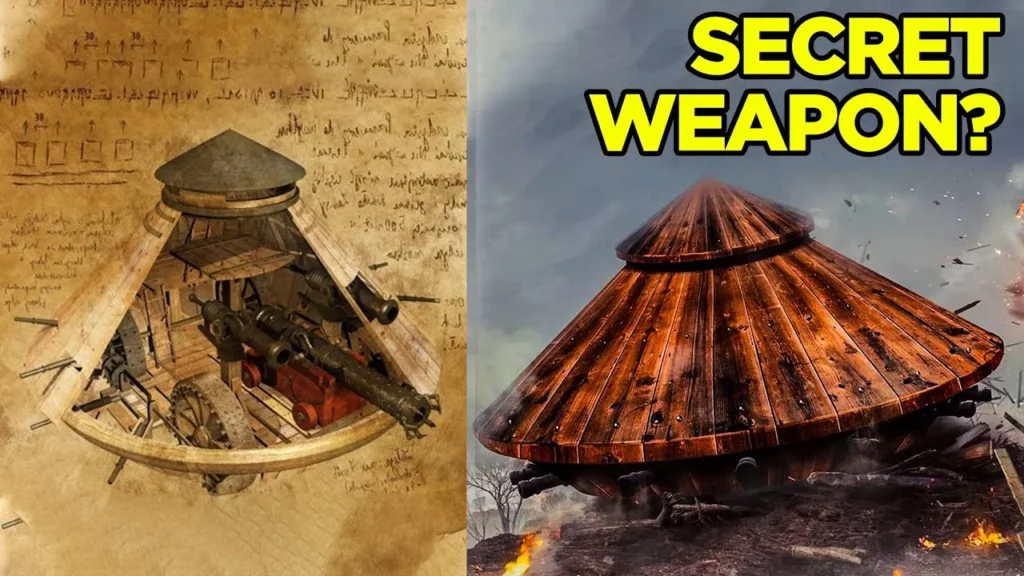
The lesson explores the evolution of tanks during World War I, highlighting their significant impact on warfare and the psychological effect they had on enemies. It traces the concept of armored vehicles from early ideas, such as Jan Žižka’s armored wagons and Leonardo da Vinci’s designs, to the development of modern tanks like the British “Little Willie” and the French Renault FT. Ultimately, tanks transformed battle strategies and contributed to the shifting balance of power during the war.
Worst Punishments Throughout Human History
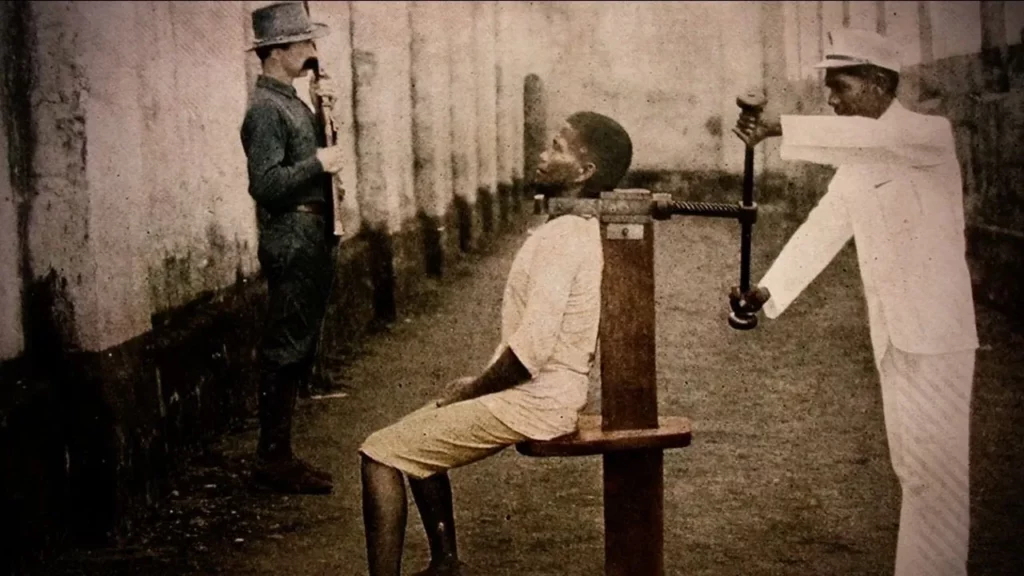
The lesson explores the evolution of punishment throughout human history, highlighting how societal values and norms have influenced various methods, from severe public executions in ancient times to the more rehabilitative approaches of the modern era. It emphasizes the dual roles of punishment as both a deterrent and a means of social control, while also encouraging critical reflection on contemporary justice systems and the importance of aligning them with human rights. By examining historical practices, we gain insights into the cultural and social factors that continue to shape our legal frameworks today.
“Filthy” Secrets of Ancient Greece’s Greatest Leaders

The lesson explores the duality of leadership in ancient Greece, highlighting the remarkable achievements of figures like Alexander the Great and Demosthenes alongside their darker, more ruthless actions. It delves into the complexities of their relationships, the influence of secret cults, and the brutal political maneuvers of leaders such as Cassander and Pisistratus, revealing that greatness often coexisted with moral ambiguity and violence. Through these stories, the lesson illustrates that the legacies of these leaders are as much about their flaws as their accomplishments.
What Happened to The Mongols After Battling The Persians

The lesson explores the Mongol expansion into Persian territories beginning in 1219, highlighting the devastating impact of their conquests on the Islamic populations, particularly during the invasion of the Khwarezmian Empire and the siege of Baghdad. Over time, the Mongols transitioned from fierce conquerors to converts of Islam, leading to the establishment of the Ilkhanate, which fostered cultural exchange despite internal strife. The lesson concludes with the decline of Mongol power after the Battle of Ain Jalut and the eventual disintegration of the Ilkhanate, leaving a complex legacy in the region.
The Muslim Train Massacre

The lesson on “The Muslim Train Massacre” explores the tragic consequences of the partition of India in 1947, which led to widespread violence and the displacement of millions. As religious communities were torn apart, trains meant to transport refugees became sites of horrific massacres, resulting in immense loss and trauma. This dark chapter in history highlights the complexities of national identity and the enduring scars left by communal violence.
What Happened to Roman Soldiers After War?
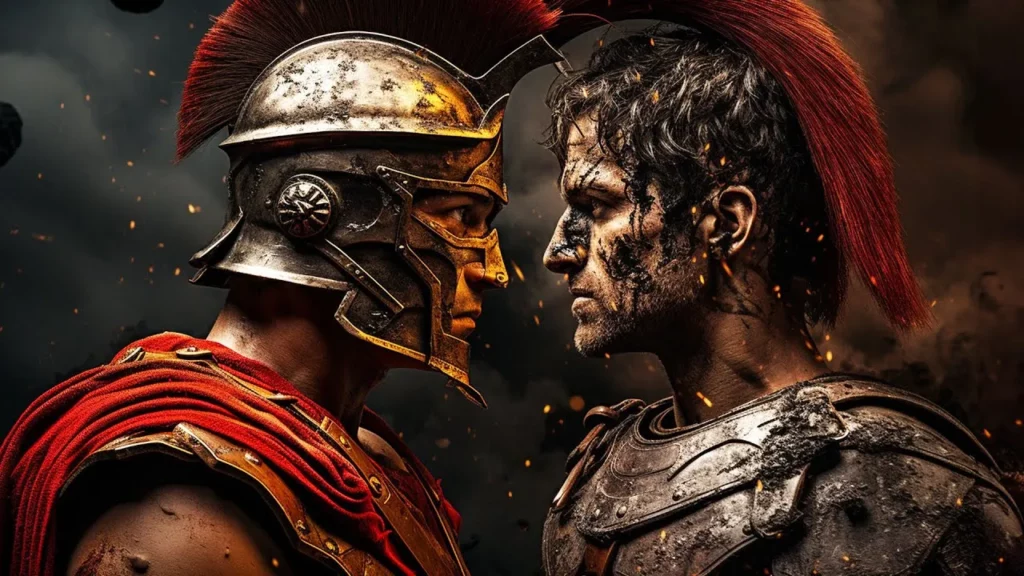
The lesson explores the fate of Roman soldiers after their military service, highlighting how the Roman Empire established a system of rewards for veterans, such as land, titles, and financial benefits. It discusses the role of the evocati, who were experienced veterans called back to service during critical times, and their significant influence in political events, including the rise of Octavian. Additionally, the lesson touches on the challenges faced by veterans, including scandals and their involvement in settling new territories, which contributed to the expansion of Roman influence.