
Love and Marriage in China
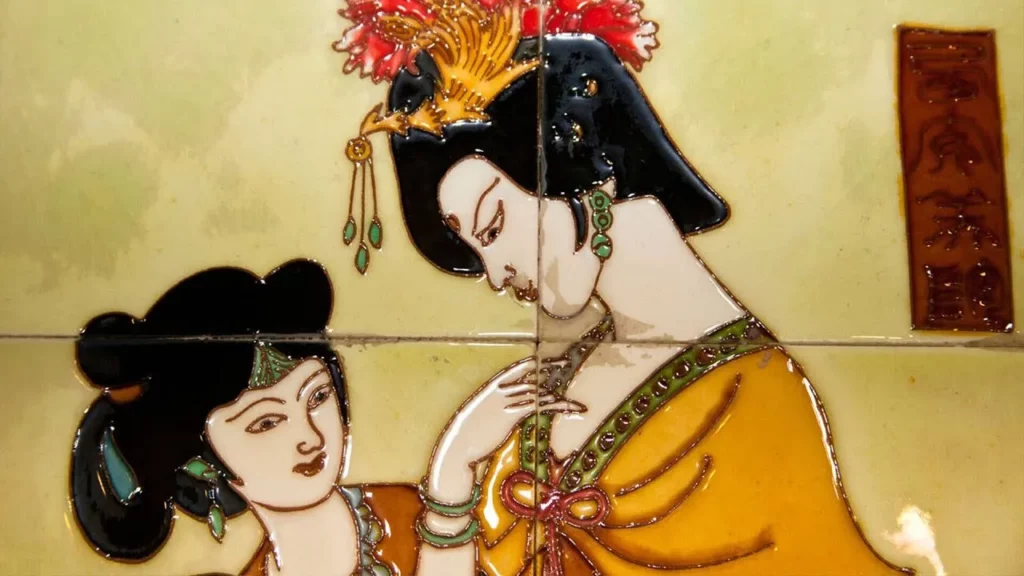
The lesson on “Love and Marriage in China” during the Tang Dynasty highlights the era’s cultural richness and unique customs, particularly the practice of ghost marriages, which involved unions between deceased individuals to strengthen family ties. It also explores dramatic love stories, such as that of Emperor Suzong and Empress Jong, and the rise of Wu Zetian, China’s only female emperor, showcasing how love and political alliances were intricately linked. Additionally, the period is celebrated as a golden age of poetry, with renowned poets like Li Bai and Du Fu capturing the complexities of love and human emotions.
Why Most Ancient Buildings are Fakes
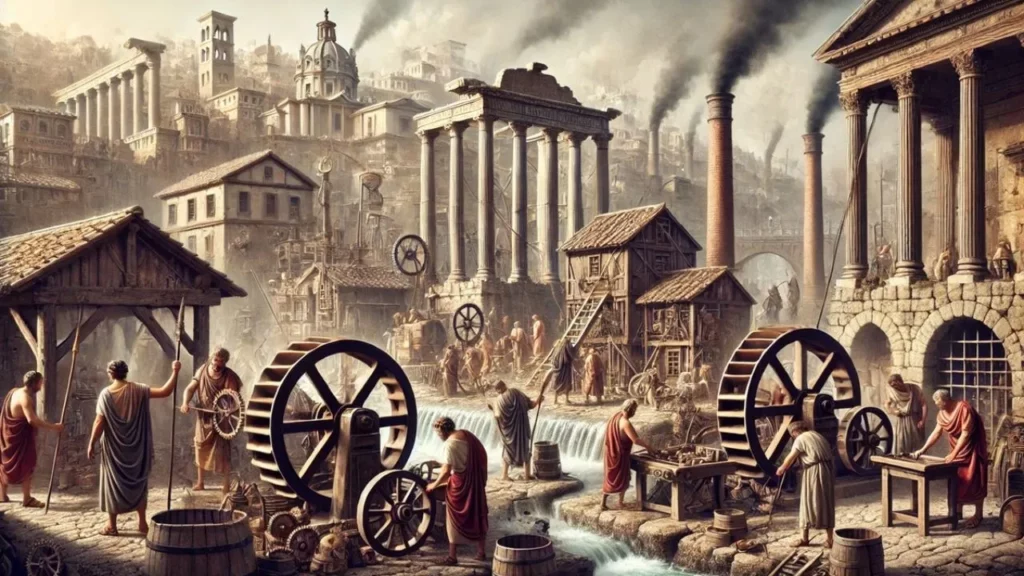
The lesson discusses the prevalence of modern restorations in ancient buildings, revealing that many iconic structures, such as the Acropolis and the Colosseum, are not as authentically ancient as they appear. Through examples of various sites, it highlights the complexities and motivations behind restoration efforts, questioning the balance between preserving history and creating altered versions influenced by contemporary agendas. Ultimately, it prompts reflection on the authenticity of our historical landmarks and the narratives they convey.
What Happened after The "First Contact"
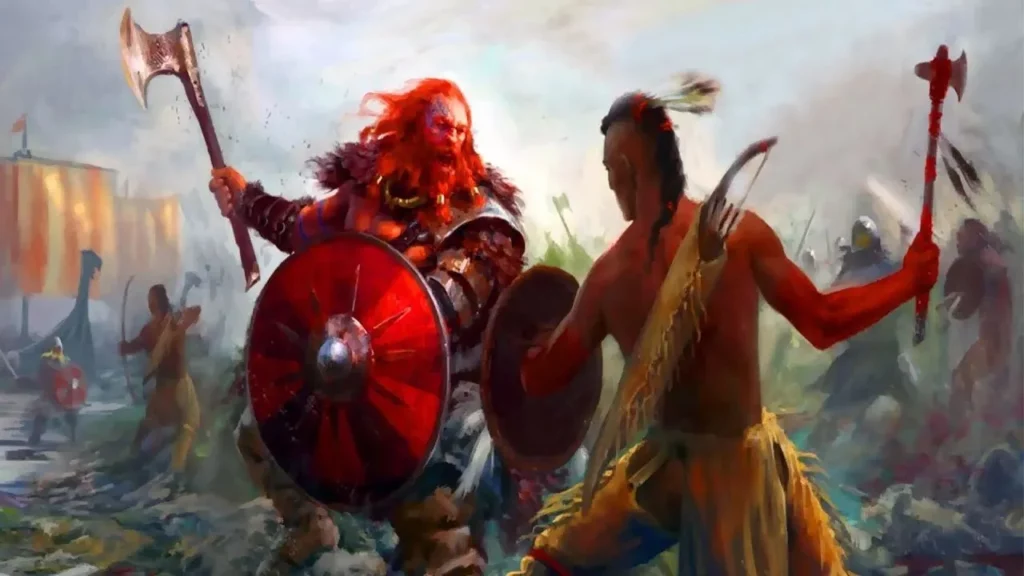
The lesson examines the tumultuous outcomes of first contacts between different civilizations throughout history, highlighting how misunderstandings and cultural differences often led to chaos and violence. Notable encounters, such as those between the Huns and Romans, Ibn Fadlan and the Vikings, and Abel Tasman and the Māori, illustrate the devastating consequences of these initial interactions. The lesson emphasizes that these historical events not only shaped the relationships between cultures but also left lasting impacts on societies involved.
Dumb Things Christians DO NOT Like
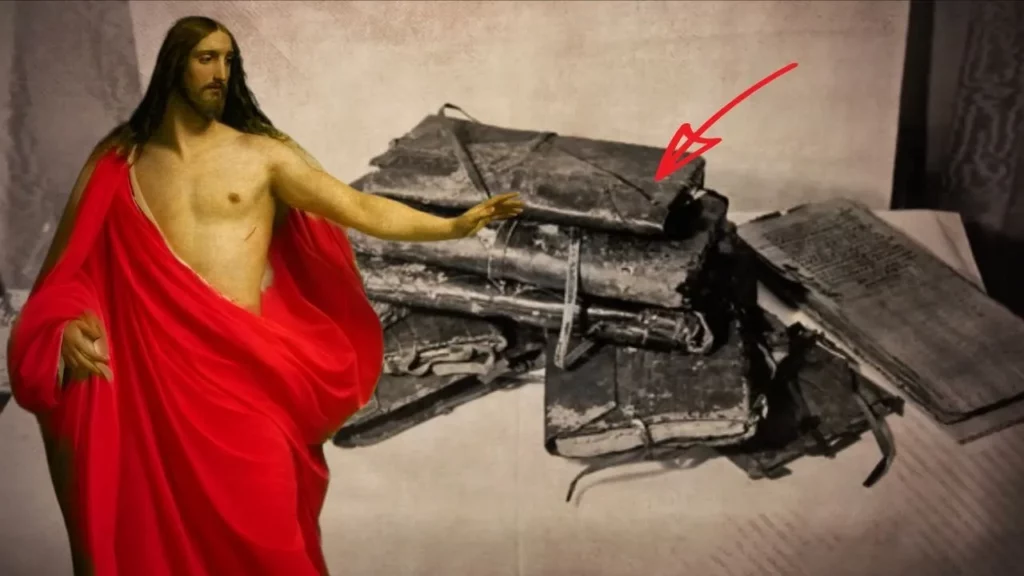
The lesson explores the origins of Christianity, highlighting the emergence of Gnostic texts like the Gospel of Thomas and the Gospel of Philip, which present alternative views of Jesus and early Christian beliefs. It discusses the tension between Gnosticism and Orthodox Christianity, the role of figures like Simon Magus in defining heresy, and the challenges faced by early Christians, including persecution and internal divisions. The lesson culminates in the legalization of Christianity under Emperor Constantine and the subsequent doctrinal disputes that shaped its evolution.
Creepy Things You Didn’t Know About the Greatest Artists
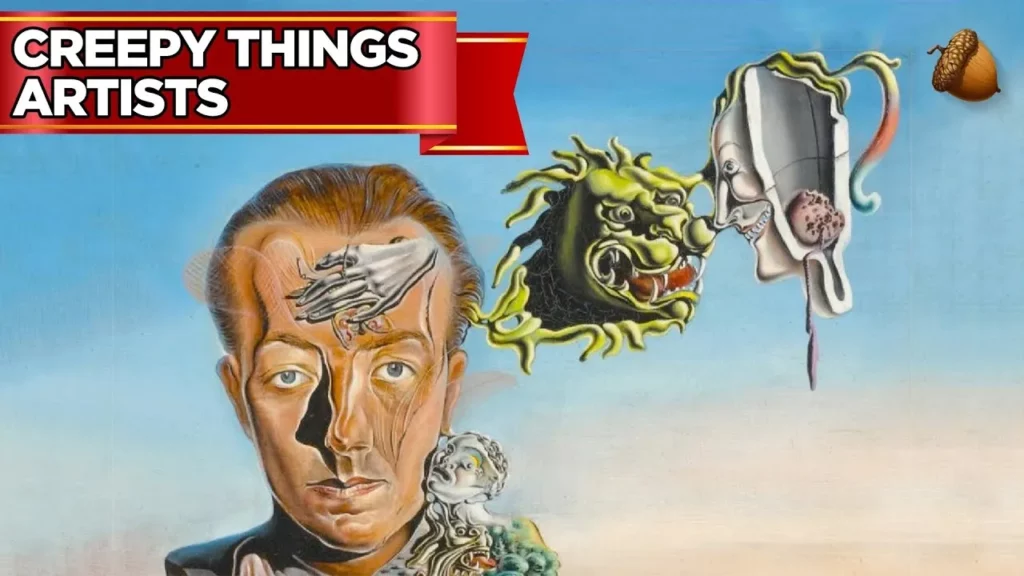
The lesson explores the eccentricities and controversial behaviors of some of history’s greatest artists, highlighting how their unique lifestyles often influenced their creative processes. Artists like Caravaggio, Salvador Dalí, Pablo Picasso, Johannes Vermeer, Vincent van Gogh, and Michelangelo are discussed, revealing their tumultuous lives, personal struggles, and the sometimes bizarre actions that accompanied their artistic genius. Ultimately, the lesson emphasizes that great art often emerges from the complexities and quirks of the artists themselves.
Filthy Secrets of Cleopatra's Power
The lesson explores the life of Cleopatra, the legendary Queen of Egypt, highlighting her intelligence, political acumen, and the lavish lifestyle that characterized her reign. It details her strategic alliances with powerful Roman leaders like Julius Caesar and Mark Antony, her passion for luxury and perfumes, and the dramatic conflicts that ultimately led to her downfall. Cleopatra’s story is a captivating blend of romance, power struggles, and tragedy, leaving a lasting legacy that continues to intrigue people today.
Why You Could Never Be One of Them
The lesson explores the vacation practices of ancient Romans, Greeks, and Egyptians, highlighting how both the wealthy and ordinary citizens sought relaxation and adventure during their travels. Romans enjoyed luxurious getaways to coastal areas, indulging in swimming, feasting, and thermal baths, while ordinary people visited nearby cities. The lesson emphasizes the enduring human desire for exploration and enjoyment, showcasing how tourism and hospitality flourished in ancient times despite the challenges of travel.
The Untold Story of The Most Evil Queen: Cleopatra
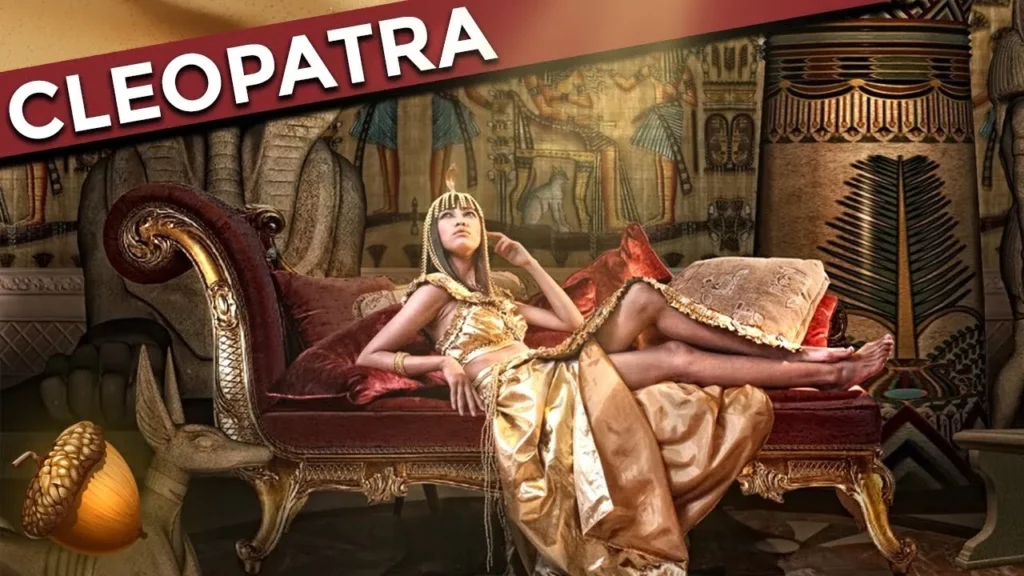
The lesson explores the complex and dramatic life of Cleopatra, highlighting her intelligence, political acumen, and the tumultuous events that defined her reign. It details her relationships with powerful Roman figures like Julius Caesar and Mark Antony, her struggles against the encroaching Roman Empire, and the tragic end of her ambitions, culminating in her death. Cleopatra’s story serves as a poignant reminder of the personal sacrifices and power struggles that shaped the ancient world.
The Worst Prisons Around the World
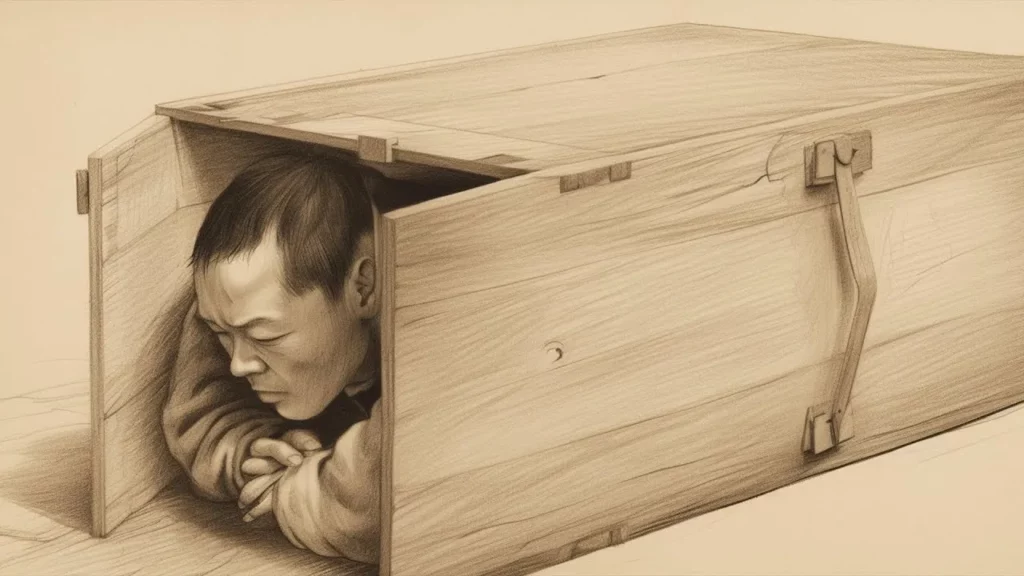
The lesson explores some of the most notorious prisons throughout history, highlighting their brutal conditions and the harsh treatment of inmates. From ancient facilities like Mammertine Prison in Rome to more modern establishments like Maracaibo Prison in Venezuela, the lesson illustrates how societies have historically used imprisonment as a means of punishment, often employing torture and inhumane practices. This examination reveals the dark legacy of prisons and invites further exploration into the history of incarceration.
Filthy Secrets about Cleopatra’s Evil Sister
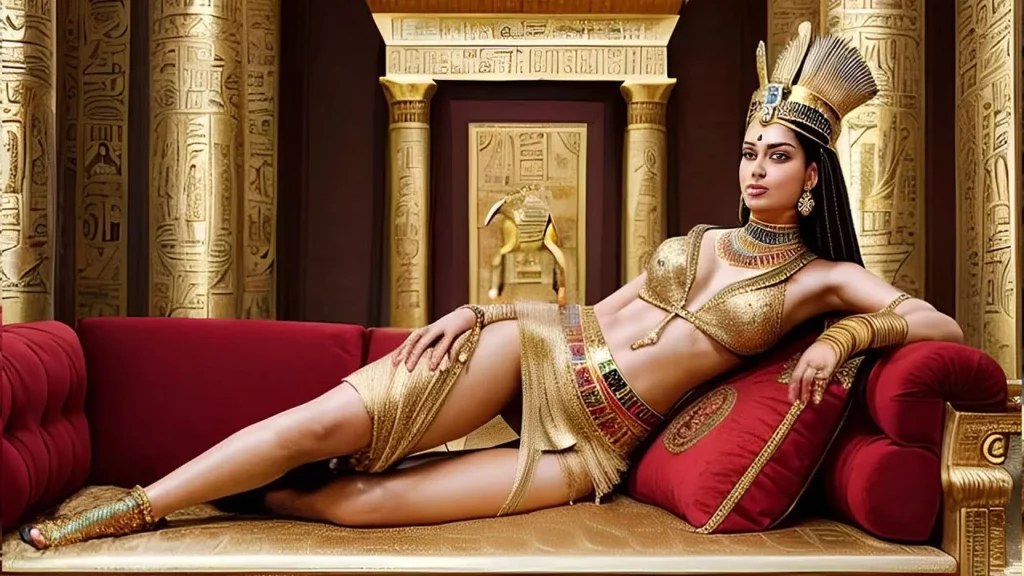
The lesson explores the political dynamics and family drama within the Ptolemaic dynasty, focusing on Cleopatra VII and her sister Berenice IV. While Berenice IV briefly ruled as Egypt’s first female pharaoh and implemented significant reforms, her reign ended tragically with her execution after her father’s return to power. In contrast, Cleopatra VII navigated the treacherous political landscape, ultimately becoming a renowned figure in history, aided by her strategic alliances, particularly with Julius Caesar.