
What Beauty Was Like in Ancient India
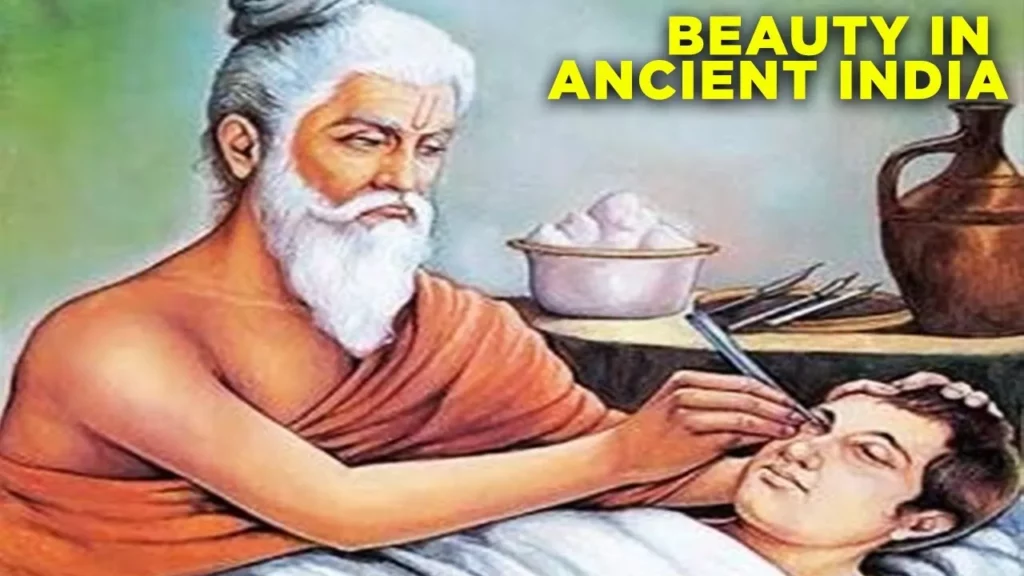
The lesson explores the beauty practices and secrets of ancient India, highlighting the significance of traditional cosmetics, clothing, and herbal remedies that have been passed down through generations. It discusses the cultural importance of items like sindoor and kumkum, the use of kajal for eye enhancement, and the vibrant textiles of the Indus Valley Civilization. Additionally, it touches on the medicinal applications of herbs, the evolution of fashion, and the early knowledge of cosmetic surgery as documented in ancient texts.
Filthy Secrets Kept About Concubines During World War 2

The lesson emphasizes the importance of setting boundaries and recognizing when a request is beyond one’s capacity or ethical guidelines. It highlights the need for clear communication and the ability to respectfully decline requests that cannot be fulfilled. This approach fosters mutual understanding and maintains integrity in interactions.
Oldest Restaurants People Must Visit

The lesson explores some of the oldest restaurants in the world, highlighting their rich histories and unique dining experiences. It traces the origin of the term “restaurant” to 18th-century France and discusses ancient dining practices in China, while showcasing notable establishments like “Mau Ching’s Bucket Chicken House” in Nanjing and “Sobrino de Botín” in Madrid. These historic venues not only serve delicious food but also offer a glimpse into the cultural heritage and culinary traditions of their respective regions.
The Most Powerful Man in England
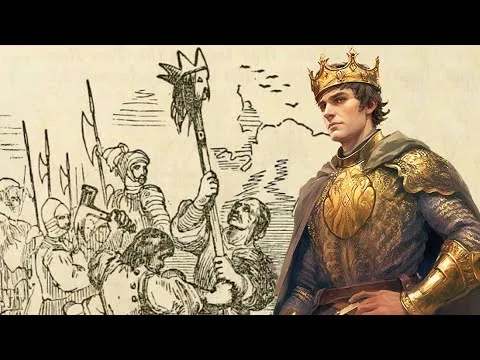
The lesson explores the life of Richard, Duke of York, detailing his rise from the son of a traitor to a powerful nobleman and key figure in the War of the Roses. It highlights significant events such as the Battle of Mortimer’s Cross, where his son Edward claimed victory and the throne, inspired by a mysterious phenomenon in the sky. Richard’s journey reflects the complexities of loyalty, ambition, and the tumultuous political landscape of 15th-century England.
“Creepy” Mysteries of Wars
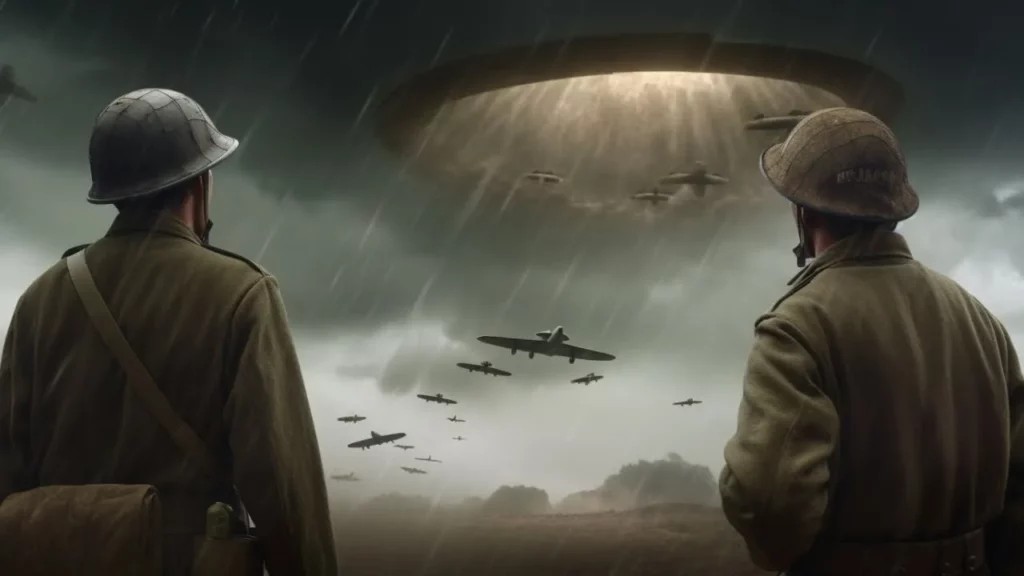
The lesson “Creepy Mysteries of Wars” explores the eerie and unexplained phenomena associated with historical battles, highlighting how war leaves lasting impacts on individuals and societies. It delves into various mysterious events, such as the sightings of “Foo Fighters” during World War II, the unexplained disappearance of the Ninth Legion, and the legend of Hannibal’s ghost, illustrating how these enigmas continue to intrigue historians and enthusiasts alike. Through these stories, the lesson emphasizes the intersection of history, mystery, and the human experience in the context of warfare.
What Life Was Like As a Phoenician
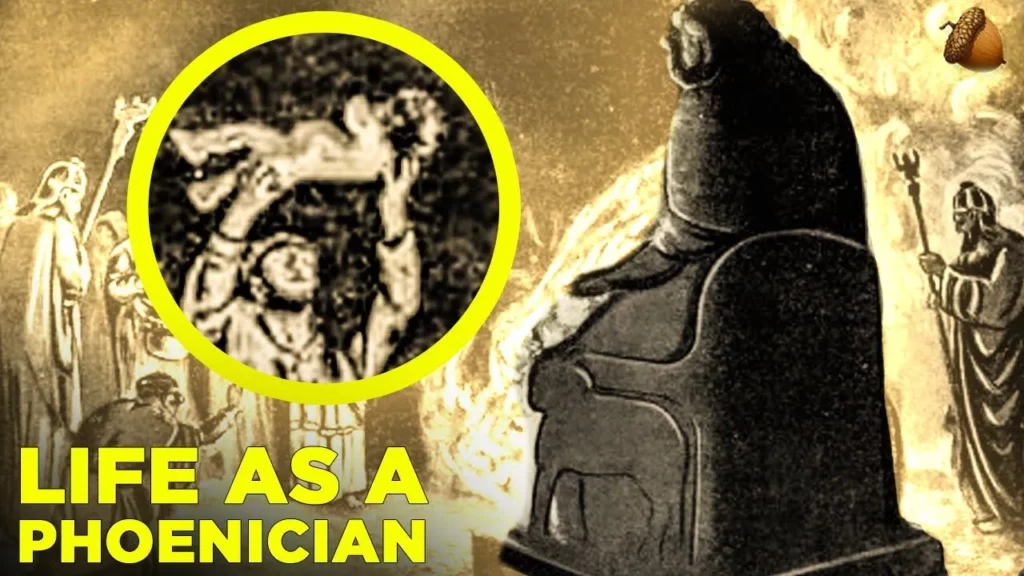
The lesson explores the unique and innovative civilization of the Phoenicians, highlighting their independent city-states, mastery of trade and navigation, and significant contributions such as the development of the alphabet. Despite their limited military engagement, they thrived as peaceful traders across the Mediterranean, establishing colonies and trading networks while also engaging in the darker aspects of commerce, such as the slave trade. Overall, the Phoenicians’ legacy is marked by their entrepreneurial spirit, cultural exchanges, and lasting impact on communication and trade.
A “Normal” Day for The Irish on The American Frontier
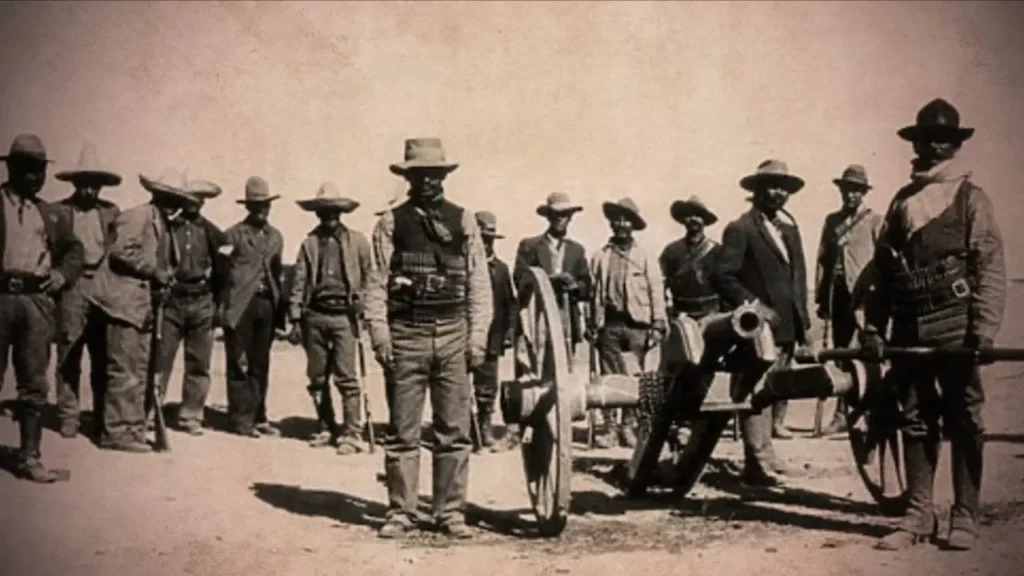
The lesson explores the experiences of Irish immigrants on the American frontier, particularly following the devastating Potato Famine of 1845, which led to mass emigration to the United States. It highlights the challenges they faced, including prejudice and cultural clashes, as well as their significant contributions to American society, illustrated through notable figures and their interactions with Native American tribes. The lesson also touches on the complex histories of Irish indentured servitude and the formation of secret societies, showcasing the resilience and impact of the Irish community in shaping frontier life.
Shocking Things that were “Normal” for the Goths and Vandals
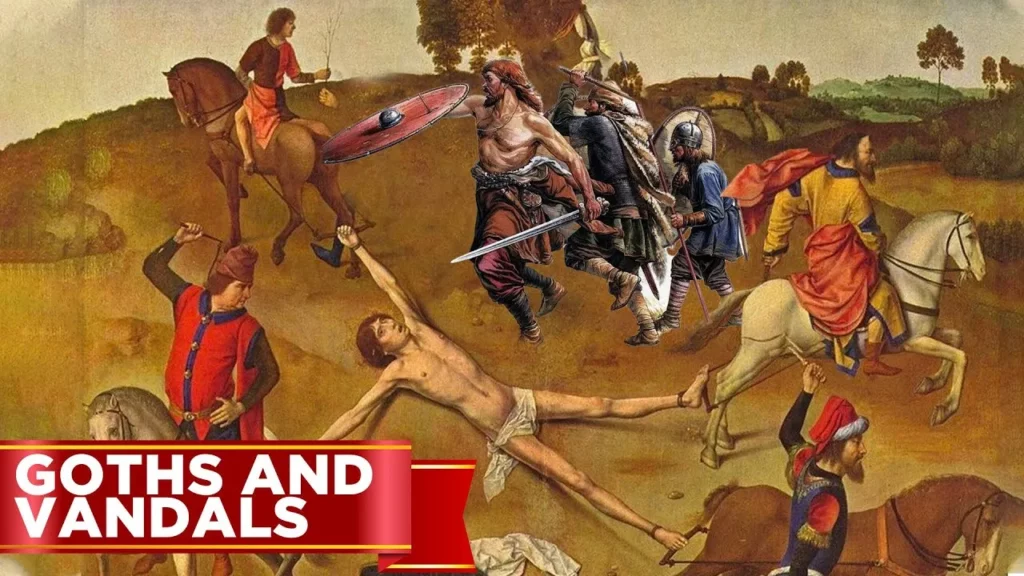
The lesson explores the complex factors that contributed to the rise and fall of the Roman Empire, highlighting the significant role of Germanic tribes like the Goths and Vandals. It details the internal chaos within Rome, the division of the empire, and the eventual sack of Rome by the Visigoths, leading to the emergence of new kingdoms and the onset of the Dark Ages in Europe. The narrative emphasizes how these events reshaped the political landscape of Europe and the cultural dynamics between Germanic and Roman societies.
The GIANT Homicidal Crocodile
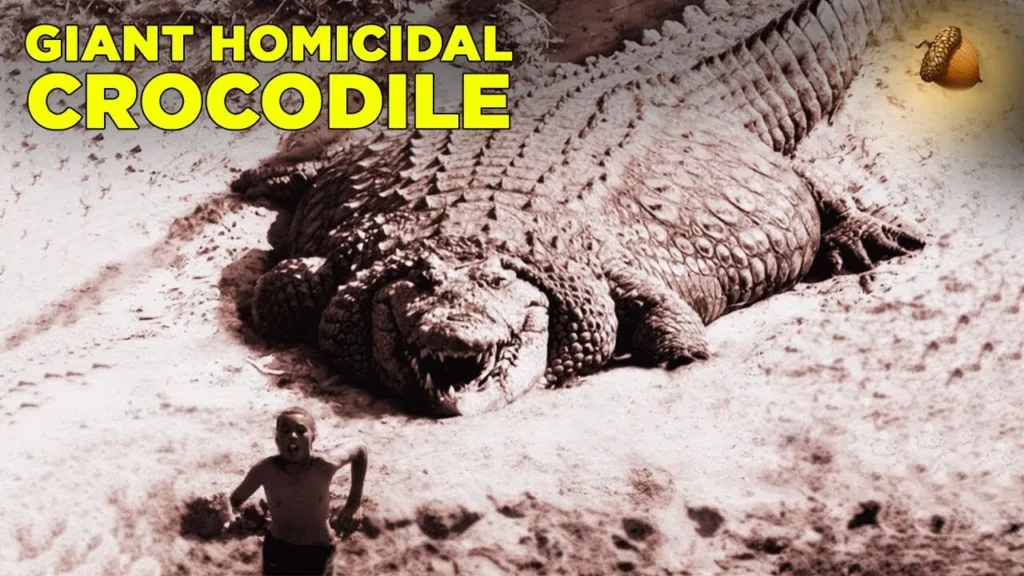
The lesson introduces Gustav, a notorious and massive Nile crocodile in Burundi’s Rusi River, known for his deadly encounters with humans since the 1980s, claiming an estimated 300 lives. Local folklore has elevated Gustav to a legendary status, with tales of his supernatural qualities and unusual diet, which includes not only typical prey but also hippos and humans, suggesting a deliberate aggression towards humans rather than mere survival. Despite numerous attempts to capture him, Gustav remains elusive, with the last confirmed sighting in 2015, leaving his fate shrouded in mystery.
“Creepy” Mysteries of French Astrologer Nostradamus
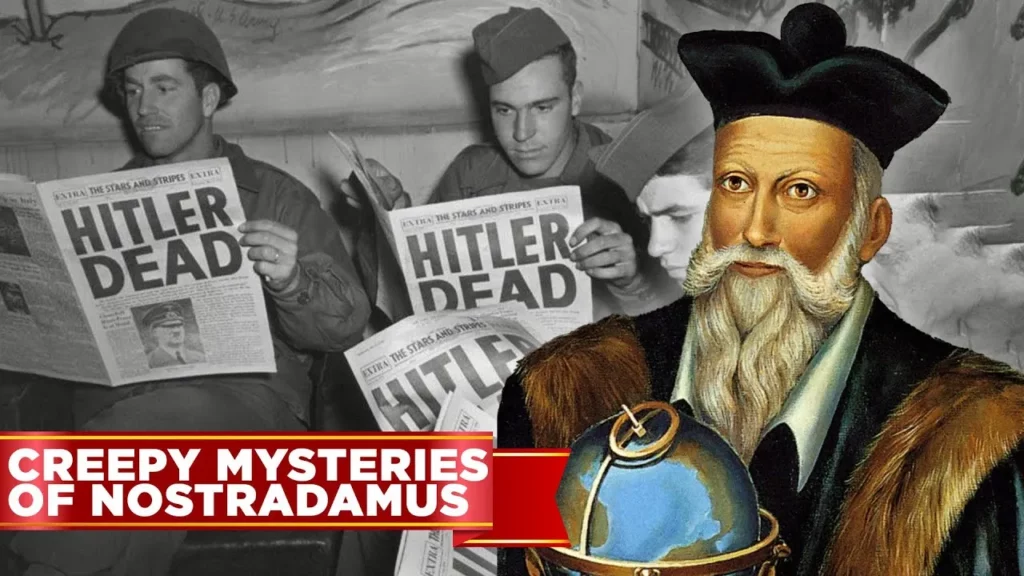
The lesson explores the life and works of Michel de Nostredame, commonly known as Nostradamus, who is renowned for his prophetic quatrains that predict future disasters and significant events. His famous predictions include the death of King Henry II, the rise of Adolf Hitler, and the Great Fire of London, though many of his prophecies are considered vague and open to interpretation. Despite skepticism regarding his accuracy and skills as an astrologer, Nostradamus’s enigmatic legacy continues to captivate audiences, prompting ongoing discussions about the nature of prophecy and historical interpretation.