
Robin Hood: The Most Celebrated Outlaw of All Time
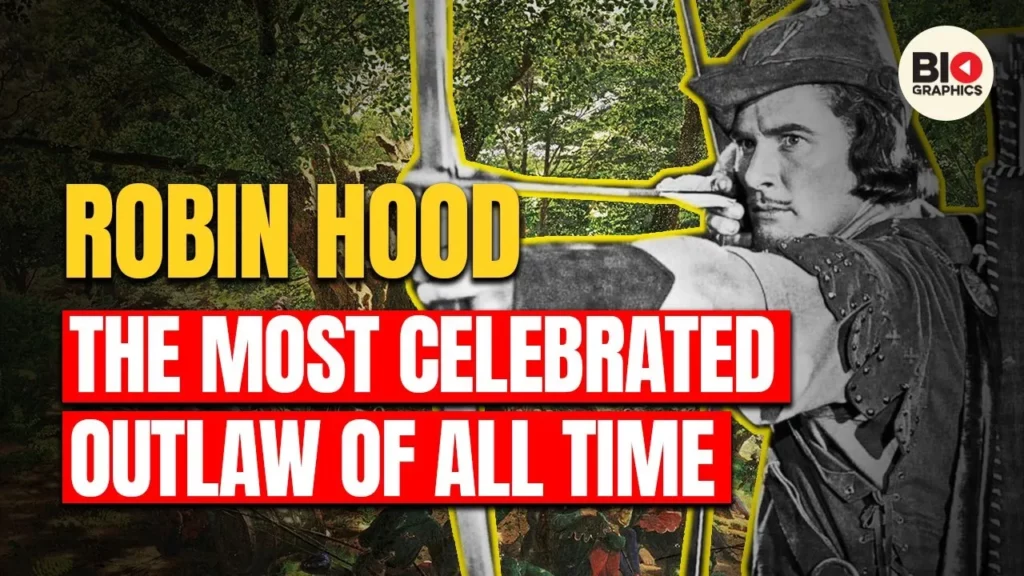
The lesson explores the legendary figure of Robin Hood, an outlaw from late 12th century England who became a symbol of resistance against tyranny, particularly against Prince John and the Sheriff of Nottingham. Known for his motto of “stealing from the rich to give to the poor,” Robin Hood’s adventures alongside his loyal companions, the Merry Men, highlight themes of justice and heroism. While his story has evolved over time, blending fact and fiction, Robin Hood remains an enduring icon of bravery and compassion in the face of injustice.
King James: One Man, Three Kingdoms

The lesson on King James I explores his unique role as the monarch who united England and Scotland, marking a significant turning point in British history. Despite a tumultuous upbringing and challenges during his reign, including strained relations with Parliament and the Gunpowder Plot, James made notable contributions such as the King James Version of the Bible. His complex legacy reflects both his ambitions and the controversies of his rule, prompting ongoing discussions among historians about his impact on governance and stability in the British Isles.
James Monroe: The Era of Good Feeling
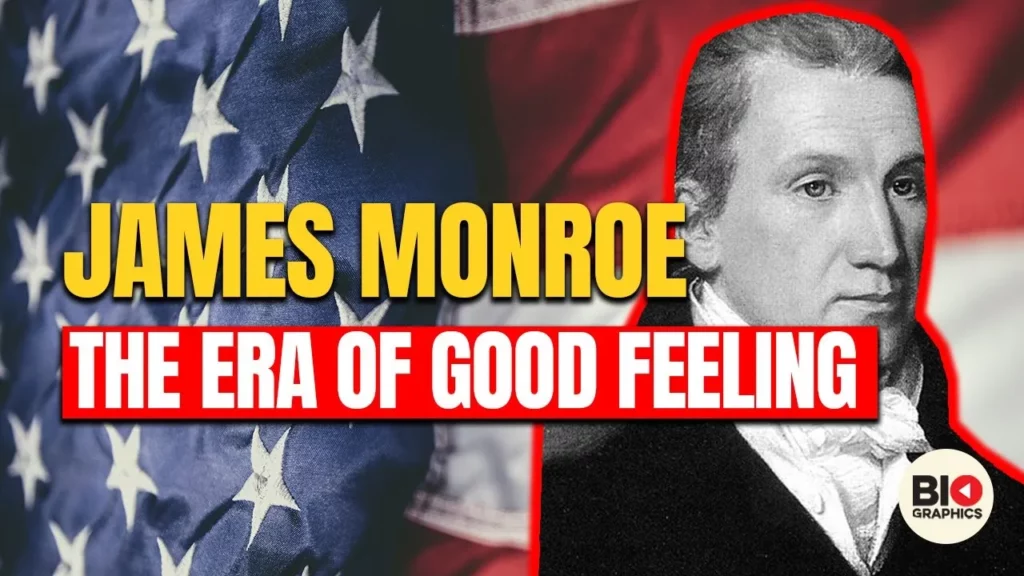
The lesson explores the life and presidency of James Monroe during the Era of Good Feelings, a time marked by relative peace and prosperity in the United States from 1817 to 1825. It highlights Monroe’s early challenges, his significant political contributions, including the Monroe Doctrine and the Missouri Compromise, and his role in expanding American borders and commerce. The lesson emphasizes the importance of understanding both the achievements and complexities of this pivotal period in American history.
Maximinus Thrax: The Barbarian Emperor of Rome
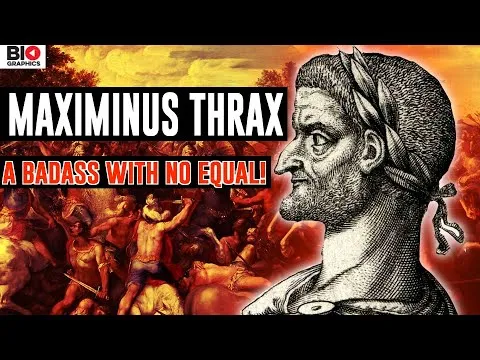
Maximinus Thrax, known as the Barbarian Emperor, rose from humble beginnings in Thrace to become a powerful military leader and emperor of Rome in 235 AD. His reign was marked by ruthless governance and military campaigns aimed at securing Rome’s borders, but widespread discontent ultimately led to his downfall and assassination in 238 AD. Thrax’s story highlights the complexities of Roman politics during the Crisis of the Third Century, illustrating the challenges of maintaining power amid instability.
Ruth Bader Ginsburg: Supreme Court Justice, Champion of Women
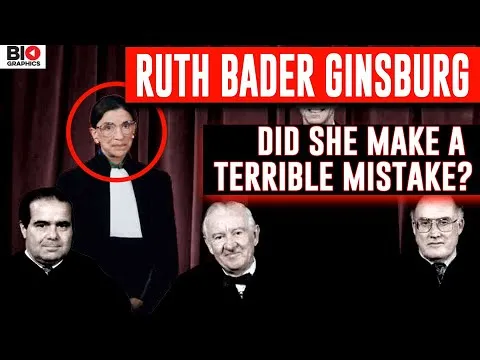
This lesson explores the life and legacy of Ruth Bader Ginsburg, a pioneering Supreme Court Justice and advocate for gender equality and civil rights. From her challenging early life and academic achievements to her influential legal career and tenure on the Supreme Court, Ginsburg’s work has left a lasting impact on the U.S. legal system and continues to inspire future generations in the pursuit of justice and equality.
John C Fremont: The Pathfinder
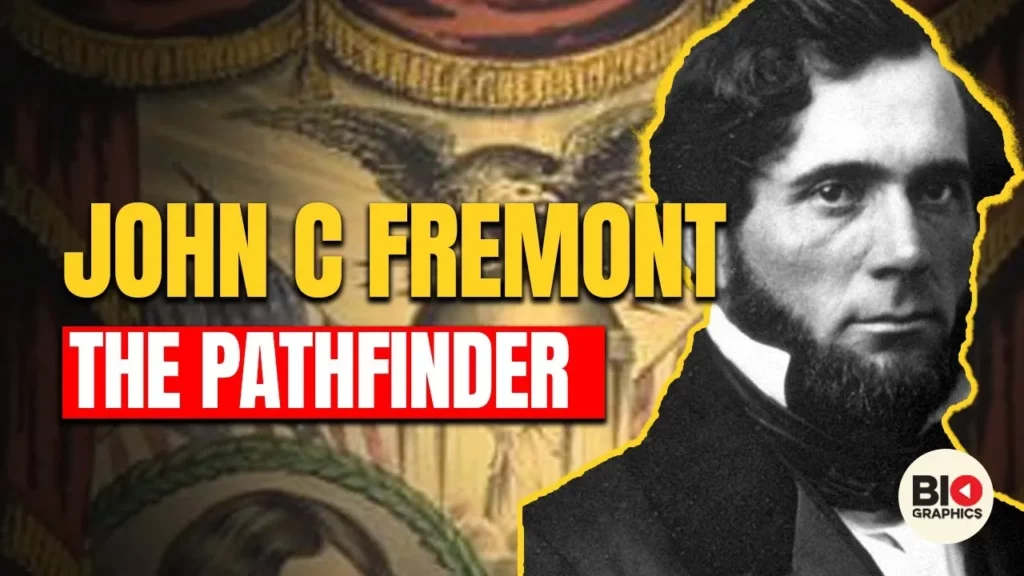
The lesson on John C. Fremont, known as “The Pathfinder,” explores his multifaceted life as an explorer, soldier, and politician, highlighting his significant contributions to the exploration of the American West. Born in 1813, Fremont’s early education and experiences led him to lead several important expeditions that fueled public interest in westward expansion, while his later military and political career was marked by both achievements and controversies. Ultimately, Fremont’s legacy is a complex reflection of the spirit of adventure and the challenges of his time, leaving a lasting impact on American history.
Mithridates: The Roman Republic’s Greatest Enemy [Re-uploaded, FIXED]
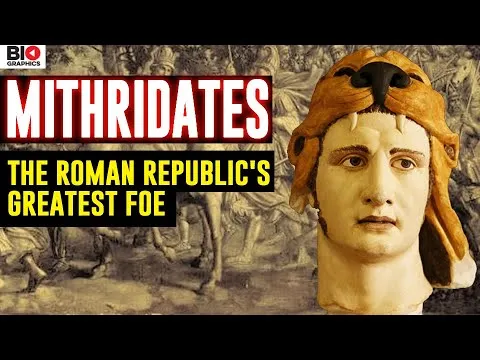
The lesson on Mithridates VI highlights his role as a formidable adversary of the Roman Republic, showcasing his rise from a small kingdom in Pontus to a significant regional power through strategic brilliance and military ambition. Despite his initial successes and attempts at diplomacy, Mithridates ultimately engaged in open conflict with Rome, marked by brutal acts such as the Asiatic Vespers. His legacy endures as a symbol of resistance against Rome, illustrating the complexities of power and ambition in ancient history.
Doc Holliday: The Deadliest Dentist of the Wild West

The lesson explores the life of Doc Holliday, a notorious figure of the Wild West known as the “deadliest dentist.” Despite his early career in dentistry, Holliday’s battle with tuberculosis led him to embrace a life filled with adventure, gambling, and friendship with Wyatt Earp, culminating in his involvement in the famous gunfight at the O.K. Corral. His story is one of resilience and defiance against fate, leaving a lasting legacy in Wild West history.
Klaus Fuchs: The Nuclear Spy

The lesson explores the life and actions of Klaus Fuchs, a key figure in the Manhattan Project who secretly passed nuclear secrets to the Soviet Union during World War II. Motivated by his communist beliefs rather than financial gain, Fuchs’s espionage raised significant ethical questions about loyalty and the distribution of nuclear power. His story highlights the complex interplay between science, politics, and morality, leaving a lasting impact on the global landscape of nuclear weapons.
William T Sherman: The First Modern General
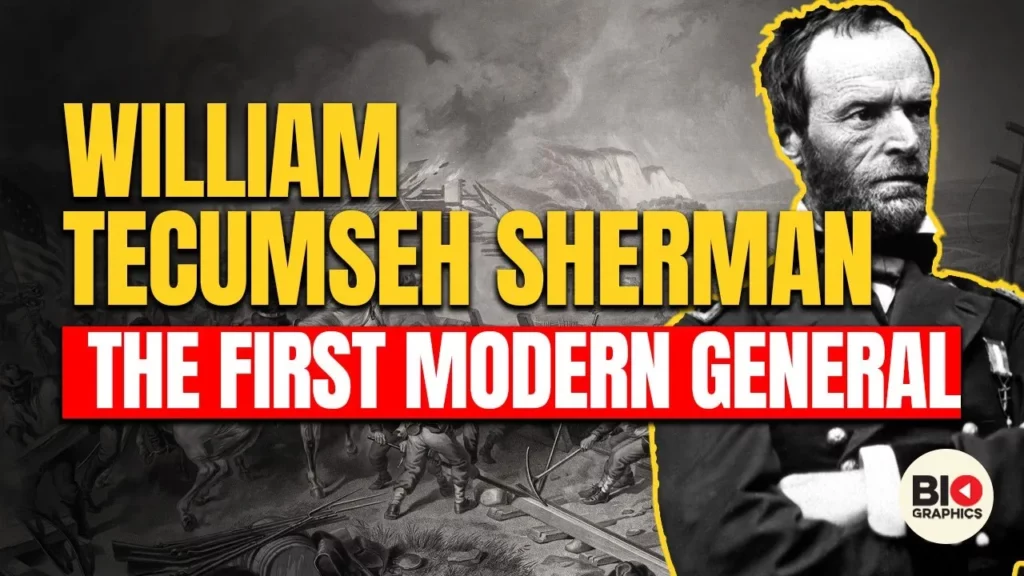
The lesson explores the life and legacy of William T. Sherman, highlighting his role as a pivotal figure in the American Civil War and his innovative military strategies, particularly during his infamous March to the Sea. Sherman’s tactics, which included targeting civilian infrastructure, marked a shift towards “total war” and have sparked both admiration for his strategic brilliance and criticism for their harshness. His complex legacy continues to influence discussions on modern warfare and military ethics.