
Why You Wouldn’t Survive in England

The lesson explores the dramatic and tumultuous history of the English Parliament, highlighting key events such as the Tudor era’s religious conflicts, the Gunpowder Plot, and the military coup known as Pride’s Purge. It also touches on colorful figures like Winston Churchill and the significance of protests, such as the suffragette movement, in shaping parliamentary history. Overall, the lesson illustrates how the Parliament has been a site of intense political struggle and change throughout the centuries.
The Most Notorious Chinamen
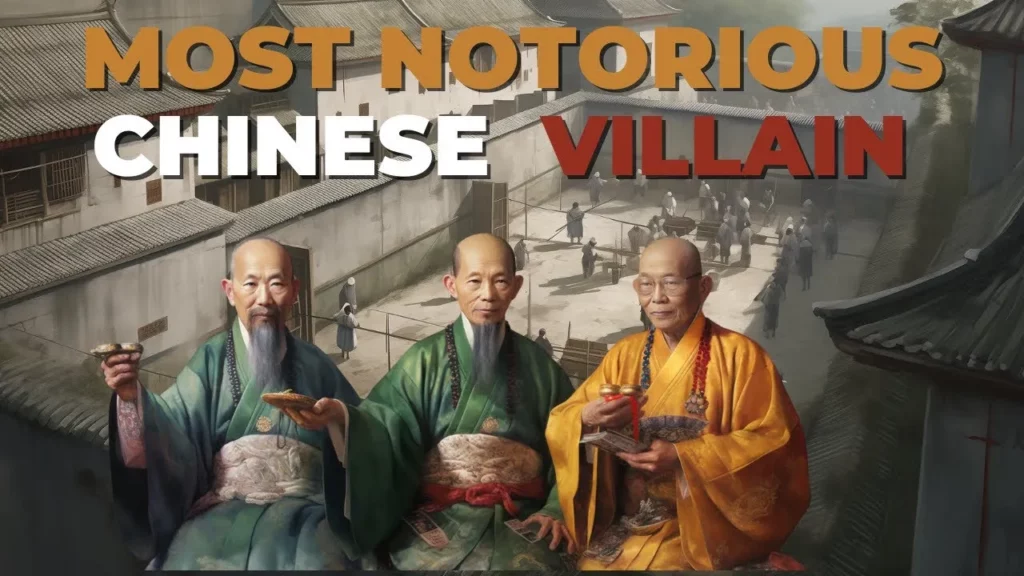
The lesson explores the intriguing world of historical criminals, highlighting how individuals have attempted to break laws throughout history, often with clever and audacious methods. It features stories from various cultures, including Tang Yin’s swindle of a salt commissioner in Ming Dynasty China, Kusi Mosami Veron’s poaching in India, and James Mine’s bank heists in France, illustrating the diverse motivations and circumstances that drive people to crime. Ultimately, the lesson serves as a reminder that while some may profit temporarily from illegal activities, the consequences of breaking the law are never favorable.
The Untold Story of Buddhism
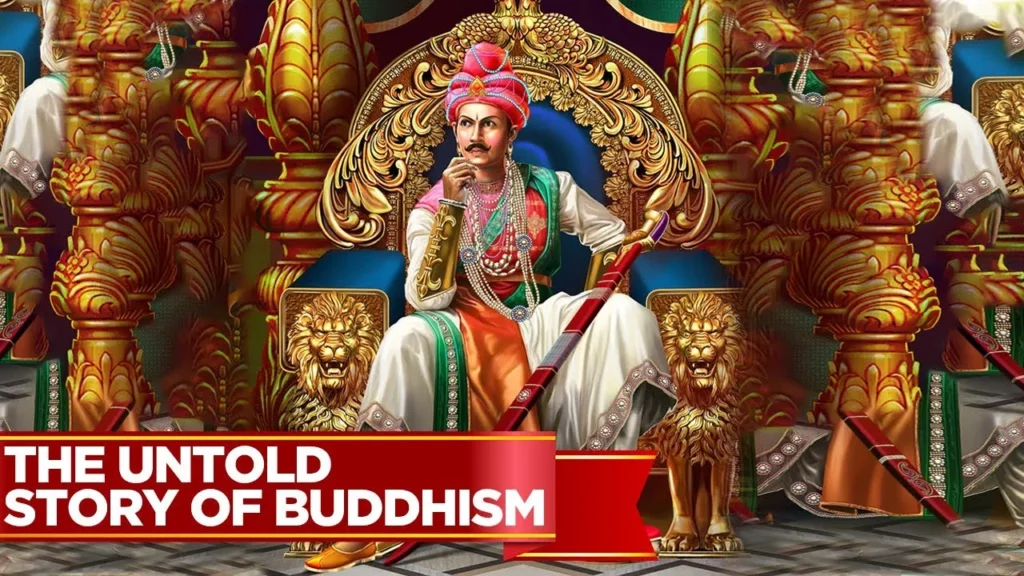
The lesson explores the transformative journey of Ashoka the Great, an Indian emperor who, after witnessing the devastation of the Kalinga War, embraced Buddhism and became a champion of peace and non-violence. His efforts to promote Buddhism through inscriptions and missionary work significantly influenced its spread across Asia, marking a stark contrast to the violent legacy of many historical leaders. Ashoka’s story serves as a powerful reminder of the potential for personal change and the impact of choosing compassion over conflict.
What Love and Marriage was Like for Native Americans
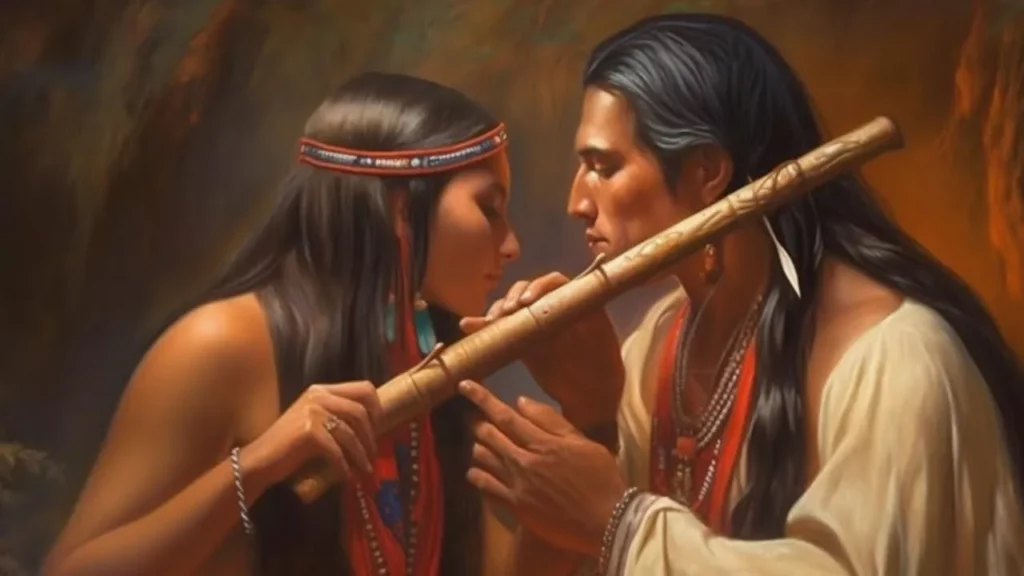
The lesson explores the diverse customs and traditions surrounding love and marriage among Native American tribes, highlighting practices such as flute courtship, Cherokee stickball, and the significant roles women played in partner selection. It also discusses the concept of trial marriages, the impact of personal tragedies on leaders like Geronimo, and the complexities of intermarriage between tribes and European settlers. Overall, these traditions reflect the rich cultural values and social dynamics of Native American societies.
What Love and Marriage was Like for The Poor
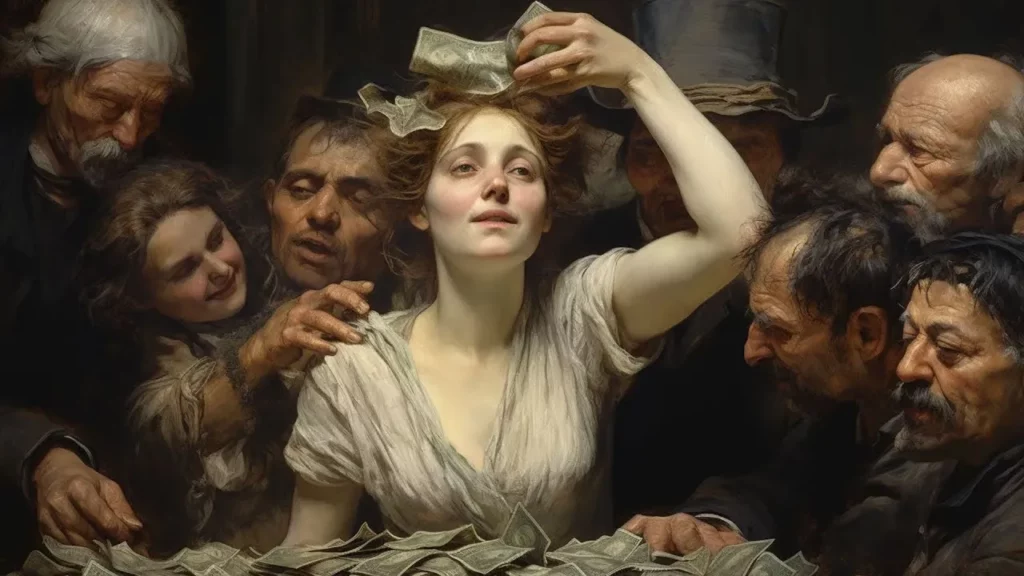
The lesson explores the dynamics of love and marriage among the poor throughout history, highlighting how their experiences differed significantly from those of the upper classes. Peasants often engaged in creative matchmaking methods, such as apple bobbing, and had more informal wedding practices, while also facing unique challenges like wife auctions and difficult divorce processes. Despite societal hardships, they enjoyed greater freedom to marry for love, reflecting the diverse cultural norms of their time.
Creepy Things That Were “Normal” in Australia

The lesson explores the eerie and fascinating aspects of Australia’s history, highlighting its origins as a penal colony and the unique challenges faced by its early settlers. It delves into mysterious legends, such as the bunyip, the intriguing disappearance of Prime Minister Harold Holt, and quirky events like the Great Emu War. Overall, the lesson emphasizes that Australia’s rich and unusual past contributes to its reputation as a land of strange wildlife and captivating stories.
Creepy Things You Didn’t Know Existed

This lesson explores some of history’s strangest and creepiest inventions, highlighting how human creativity can lead to both remarkable and bizarre outcomes. From the dangerous allure of radium cosmetics in the 1930s to the unsettling concept of a cat piano in the 17th century, the lesson reveals the often overlooked risks and oddities associated with past technologies. Additionally, it touches on anatomical theaters and early automation, showcasing the fascinating yet eerie aspects of human innovation.
How did Pre Egyptian Technology of a Mysterious Civilization Disappear?

The lesson explores the intriguing mysteries surrounding ancient civilizations, particularly focusing on the advanced technologies that may have existed before and during the time of the Egyptians. It discusses various theories about ancient structures, such as the Great Pyramid and the Serapeum of Saqqara, and artifacts like Prince Sabu’s disc, suggesting that a lost civilization or advanced knowledge may have influenced these creations. Ultimately, the lesson encourages further exploration and questioning of historical narratives regarding ancient technologies and their potential disappearance.
Why You Wouldn't Survive Life in Kamakura Japan
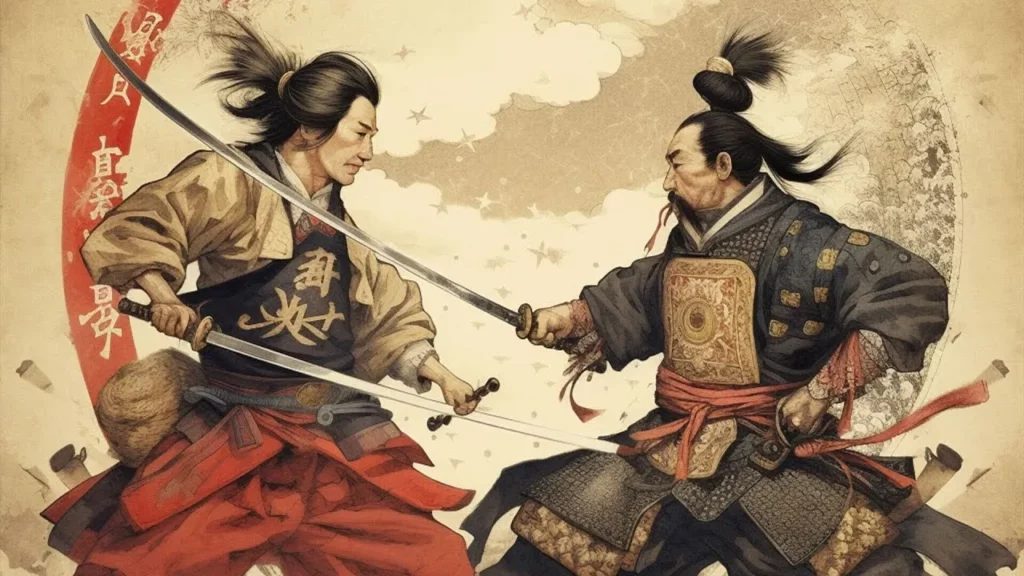
The Kamakura period in Japan was a transformative era marked by the rise of the Samurai and the establishment of the Kamakura shogunate, which shifted power from the Emperor to military leaders. This period saw significant economic changes, including a transition to cash-based taxation and increased trade, alongside challenges such as the Mongol invasions that tested the Samurai’s resilience. Ultimately, the Kamakura shogunate faced internal strife and external pressures, leading to its decline and the restoration of imperial power, highlighting a time of great change and cultural evolution in Japanese history.
What Crazy Things Did People Trade?
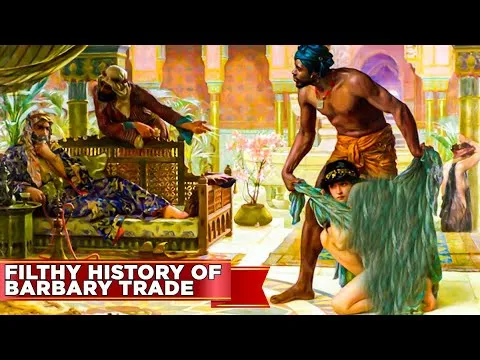
The lesson explores the notorious history of the Barbary Pirates, who terrorized the Mediterranean and Atlantic from the 1500s to the 1800s, capturing over a million Europeans and engaging in a brutal trafficking network. It highlights the pirates’ impact on European and American shipping, leading to significant political and military responses, including treaties and wars. The lesson emphasizes the grim realities of piracy and the often-overlooked stories of those affected by this dark chapter in history.