
Explosive Bat in Slow Motion Ft. Stuff Made Here – Smarter Every Day 245

In this lesson, Shane from “Stuff Made Here” introduces an innovative baseball bat that utilizes explosive cartridges to enhance the power of a swing, merging physics and engineering in a unique way. Destin from “Smarter Every Day” collaborates with Shane to analyze the bat’s mechanics and the complex interactions during a collision with a baseball, using high-speed cameras to capture the dynamics involved. Their journey not only aims to break the record for the longest home run but also serves as an engaging exploration of the scientific principles that underpin this creative engineering feat.
How to Make Pizza on a Submarine – Smarter Every Day 246
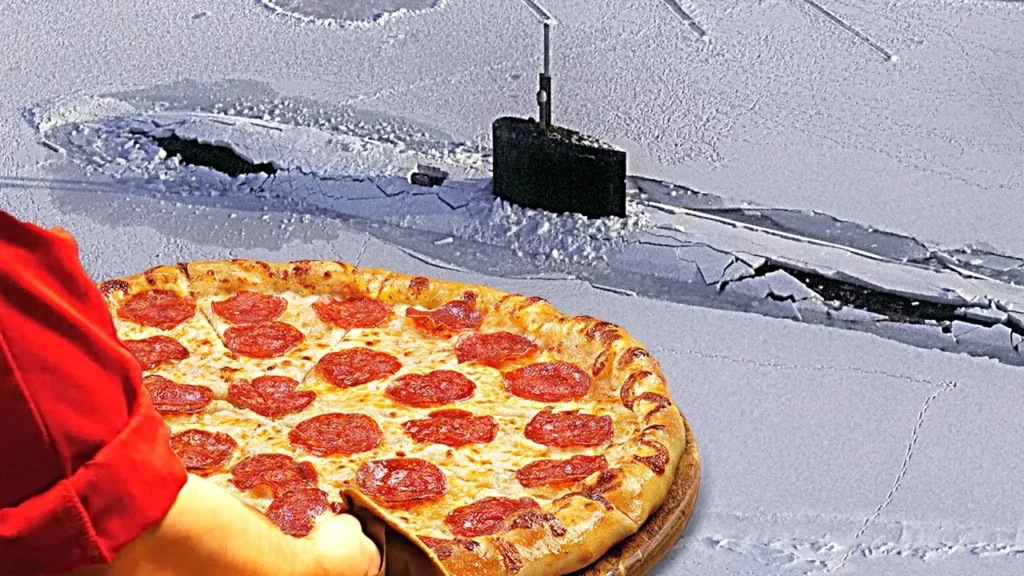
The lesson explores the intricacies of food preparation and storage on the USS Toledo, a U.S. fast attack nuclear submarine. It highlights the roles of Chief Doug Chatlose, who cooks meals from scratch, and Lieutenant Mike Mace, who manages food supplies, ensuring the crew has a variety of meals despite the challenges of cooking in a moving underwater environment. The importance of good food is emphasized as a means to maintain crew morale during long missions, with pizza night being a particularly cherished event.
Trying to Catch a 1,000 MPH Baseball – Smarter Every Day 247

In the “Smarter Every Day” lesson, viewers explore the concept of supersonic speeds through the testing of a specially designed baseball cannon that shoots a baseball faster than the speed of sound. The experiments demonstrate the effects of kinetic energy and the challenges of catching a supersonic baseball, revealing that even a thick catcher’s mitt cannot fully absorb the impact, as the baseball penetrates multiple gloves. This engaging blend of science and sports highlights the fascinating dynamics of high-speed motion and its real-world implications.
How to Harvest Pecans (In Slow Motion) – Smarter Every Day 248
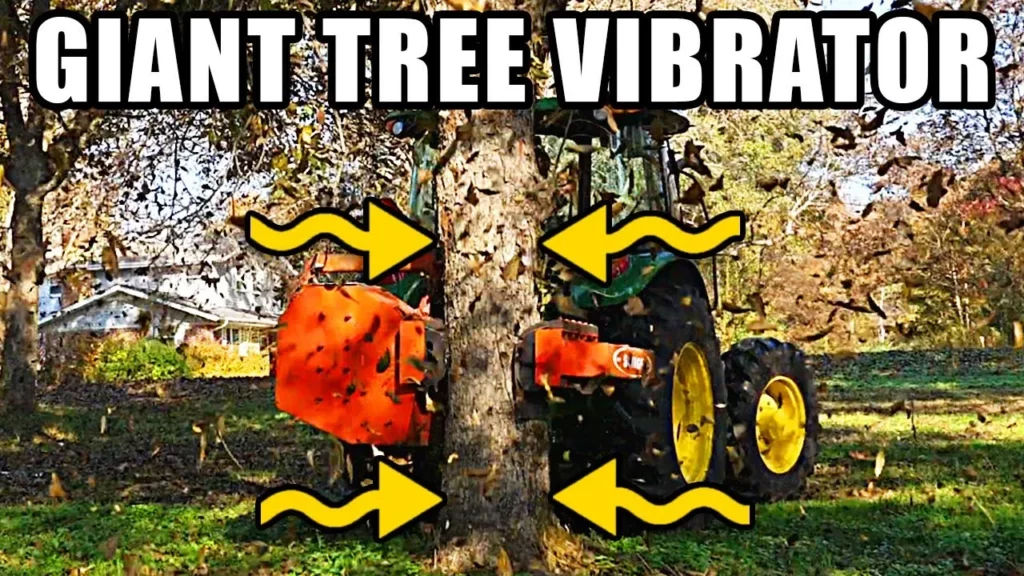
The lesson on harvesting pecans highlights the deep personal and familial connections tied to these trees, as well as the intricate process involved in their harvest. It details the mechanical methods used, such as the Savage Shaker, and the importance of different pecan varieties, while also emphasizing the joy of sharing high-quality pecans with others. Ultimately, the lesson intertwines the science of harvesting with cherished memories and the educational value of curiosity, supported by KiwiCo’s engaging learning kits.
How Sonar Works (Submarine Shadow Zone) – Smarter Every Day 249

This lesson explores the essential role of sonar technology in submarine operations, focusing on its two primary types: active and passive sonar. Active sonar sends out sound pulses to detect objects, while passive sonar listens for sounds in the environment, allowing for stealthy navigation. By analyzing sound waves through tools like spectrograms and bearing rate graphs, submariners can effectively identify and track underwater objects, despite challenges such as multipath effects and varying underwater conditions.
How Neil Armstrong Trained to Land on the Moon – Smarter Every Day 250
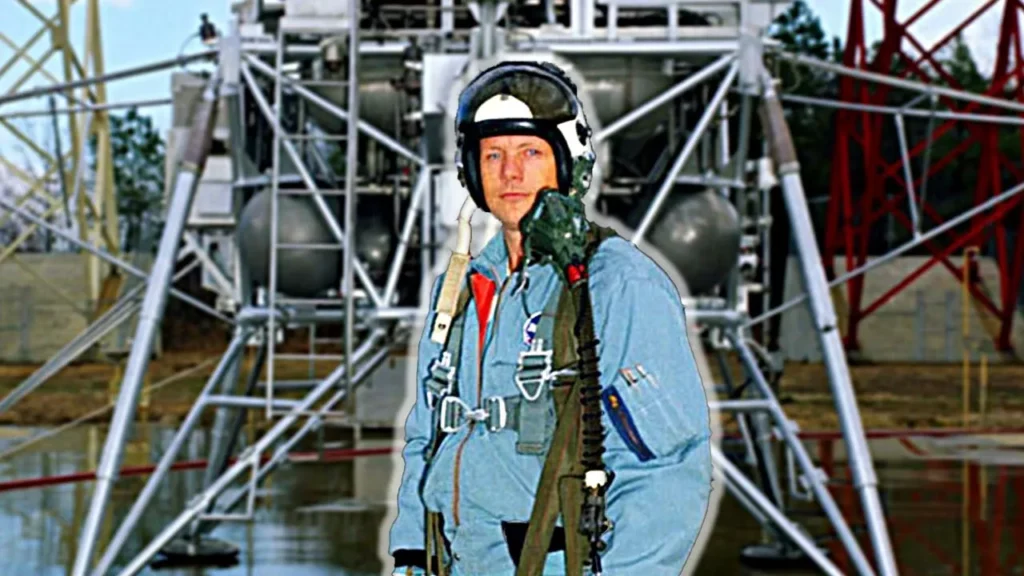
This lesson explores the rigorous training methods used by astronauts, particularly Neil Armstrong, to prepare for the complex task of landing on the moon. It highlights the challenges posed by the moon’s lower gravity and the innovative solutions developed by NASA, such as the Lunar Landing Research Facility and the Lunar Landing Training Vehicle, which simulated lunar conditions to enhance pilot training. As interest in lunar exploration resurges with NASA’s Artemis program, understanding these historical training techniques is essential for future missions.
How Do Nuclear Submarines Make Oxygen?- Smarter Every Day 251

In this lesson, we explored how submarines like the USS Toledo generate oxygen and manage air quality while submerged. Submarines utilize electrolysis to split water into oxygen and hydrogen, and they also use oxygen candles that release oxygen through a chemical reaction. To maintain breathable air, they remove carbon dioxide using the MEA system and lithium hydroxide canisters, ensuring the crew can stay underwater for extended periods safely.
How Does NASA Practice Landing on the Moon? – Smarter Every Day 252
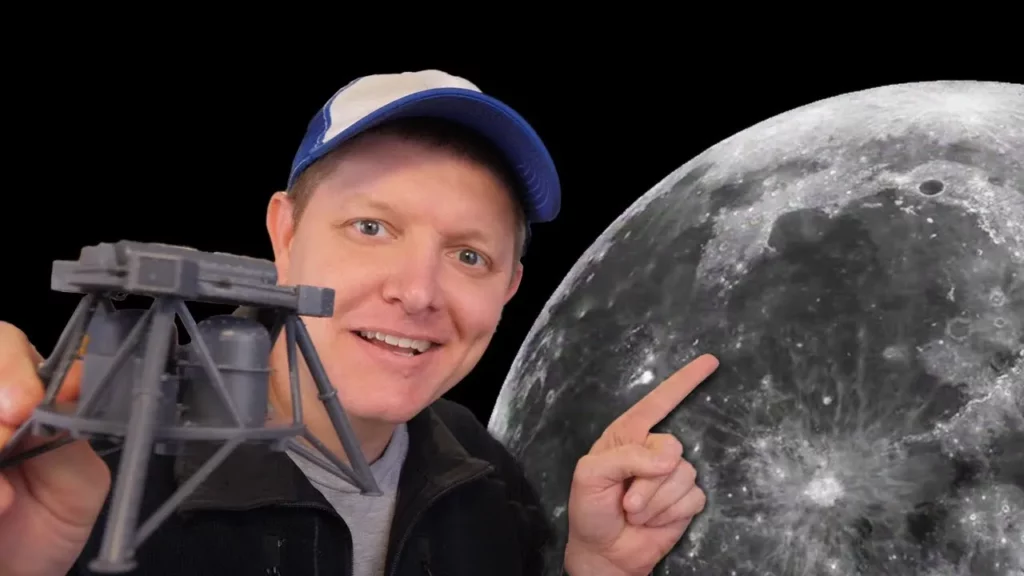
This lesson explores how NASA prepares for lunar landings, highlighting both historical and modern training methods. It discusses the use of the Lunar Landing Training Vehicle (LLTV) for Apollo astronauts and introduces the Mighty Eagle program, which utilizes robotic landers to test algorithms and simulate lunar gravity. The lesson emphasizes the importance of balancing software advancements with human involvement in lunar missions, as NASA continues to innovate for future explorations.
The Mystery of Magnetic Worms – Smarter Every Day 253
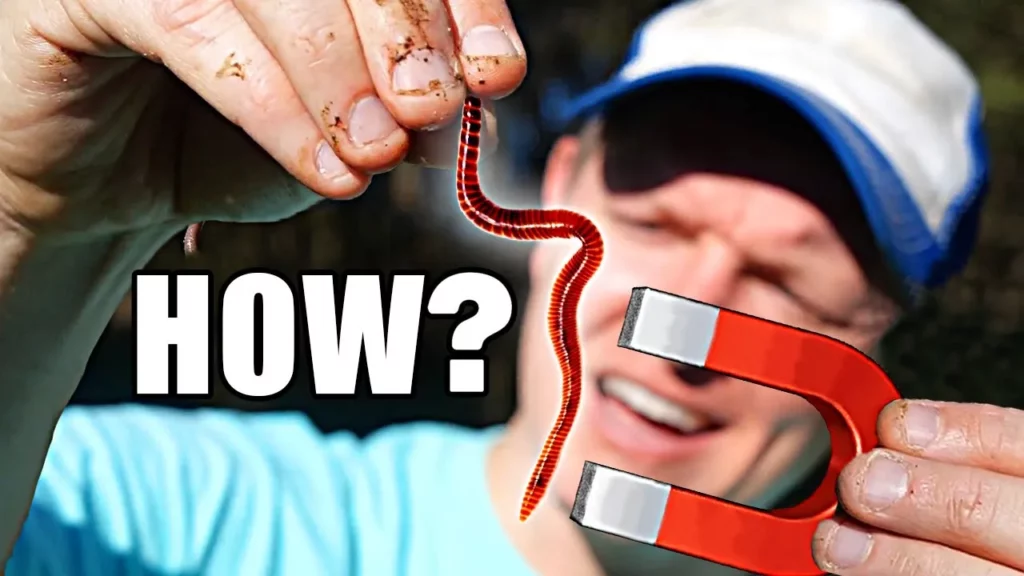
In “The Mystery of Magnetic Worms,” Trent and his friend discover that certain earthworms are attracted to magnets, leading them to investigate the potential presence of metal in the worms’ bodies. They hypothesize that the worms may have ingested iron dust from their environment, which explains their magnetic behavior. This lesson emphasizes the importance of curiosity and scientific inquiry in understanding the natural world and encourages exploration and discovery.
I Looked Inside A Live Egg …. Smarter Every Day 254
The lesson describes an exhibit at the Exploratorium in San Francisco that showcases the development of a chicken inside an egg, highlighting the fascinating stages from the initial embryo to the formation of a tiny chicken. Over the course of several days, viewers can observe the development of vital organs, including the heart and brain, and witness the emergence of a fully formed chick, emphasizing the miracle of life and the interconnectedness of nature. The experience serves as a reminder of the importance of educational projects that allow us to explore and appreciate these wonders.