
When Royal Inbreeding Went Horribly Wrong
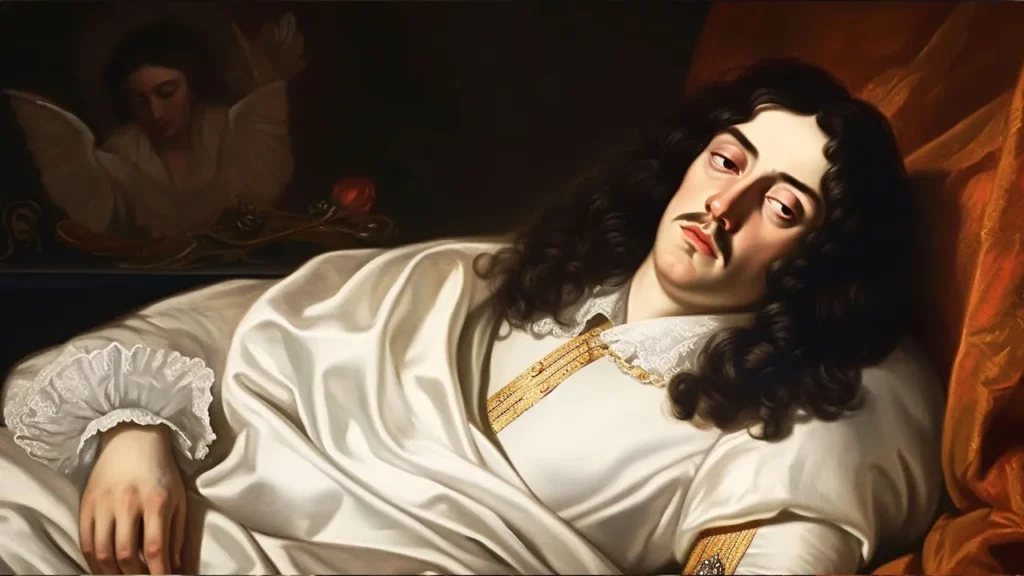
The lesson explores the detrimental effects of royal inbreeding on the Spanish Habsburg dynasty, particularly through the life of Charles II, whose severe health issues and inability to govern contributed to the dynasty’s decline. Despite their once-great power, the Habsburgs’ practice of intermarriage led to genetic defects and a succession crisis that ultimately sparked the War of Spanish Succession. This historical account serves as a cautionary tale about the consequences of prioritizing lineage purity over the health and stability of a ruling family.
Creepy Experiments of The Vietnam War

The lesson on the “Creepy Experiments of The Vietnam War” highlights the controversial and often unethical experiments conducted during the conflict, including the use of Agent Orange, psychological warfare tactics, Project 100,000 for recruitment, and medical experiments on soldiers. These actions not only caused severe health issues and ethical dilemmas but also raised important questions about the moral implications of military strategies. Ultimately, the lesson emphasizes the need to prioritize human rights and ethical considerations in warfare to prevent the repetition of such dark practices in the future.
Women who Died trying to become Queen

The lesson explores the perilous journeys of women throughout history who aspired to become queens but ultimately faced tragic outcomes. Through the stories of figures like Inês de Castro, Lady Nio, and Madame de Pompadour, it illustrates the dangers of ambition, love, and political intrigue, revealing how their quests for power often led to heartbreak and betrayal. These narratives serve as a reminder of the complex dynamics that shaped women’s roles in historical power struggles.
The Untold Story of Alexander the Great in Ancient Egypt

The lesson explores the multifaceted legacy of Alexander the Great, particularly highlighting his time in Egypt, where he was embraced as a liberator and proclaimed Pharaoh. It emphasizes his military genius, strategic adaptability, and the influence of his education under Aristotle, which shaped him into a learned leader. Ultimately, Alexander’s conquests and cultural integration laid the foundation for the Hellenistic period, solidifying his status as one of history’s most remarkable figures.
What were Zoo’s Like During the Victorian Era
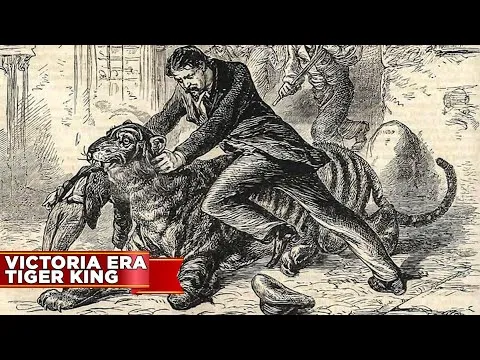
The lesson explores the fascinating yet perilous world of Victorian-era menageries through the story of Charles Jamrock, who became known as the “Tiger King” after a dramatic incident involving a Bengal tiger escaping and nearly harming a young boy. It highlights how exotic animals were seen as status symbols among the wealthy during this time, reflecting the British Empire’s global reach, while also addressing the dangers and ethical concerns surrounding the exotic animal trade. Jamrock’s legacy serves as a reminder of the complex relationship between humans and wild animals in history.
Creepy Things That Were Normal in Asia
The lesson explores Taiwan’s complex history, highlighting its transformation from a refuge during the Chinese Civil War to an economic powerhouse. Key figures like Koxinga played pivotal roles in shaping Taiwan’s early governance, while conflicts with indigenous populations and oppressive regimes marked its tumultuous past. Despite these challenges, Taiwan emerged as one of the “Four Asian Tigers,” showcasing significant economic growth and development in the tech sector.
Shocking Things that were "Normal" in the Victorian Era
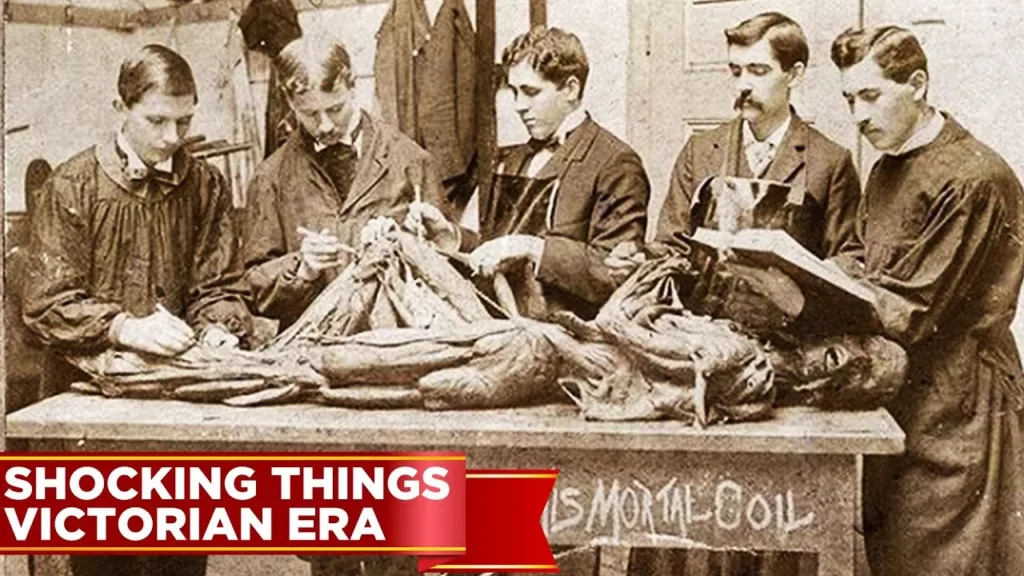
The Victorian era was marked by a blend of sophistication and peculiar practices that may seem shocking today. Notable trends included the fascination with ancient Egypt, leading to mummy unwrapping parties and the use of mummified remains for medicinal purposes, as well as bizarre scientific beliefs like the misinterpretation of Martian “canals.” Additionally, societal pressures on women resulted in harmful practices such as extreme dieting and tight corsetry, while the medical field faced ethical dilemmas like grave robbing for anatomical study.
“Filthy” Secrets of Ancient Greece
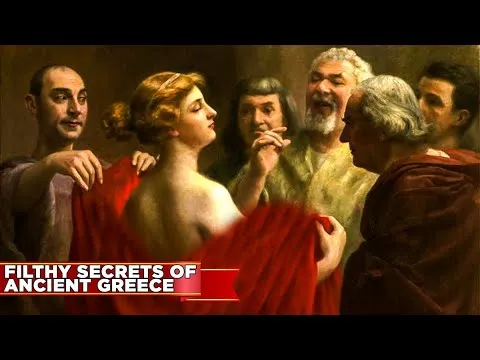
The lesson explores the complexities of ancient Greece, highlighting that despite its celebrated achievements in democracy, art, and philosophy, the society faced significant challenges, including harsh laws, social inequality, and health misconceptions. It delves into unusual practices such as the fear of the undead, the use of toxic cosmetics, and primitive medical beliefs, illustrating that life in ancient Greece was not as idyllic as often portrayed. Ultimately, the lesson reveals a more nuanced view of this remarkable civilization, acknowledging both its advancements and its darker realities.
Why Caesar Could Not Conquer Africa
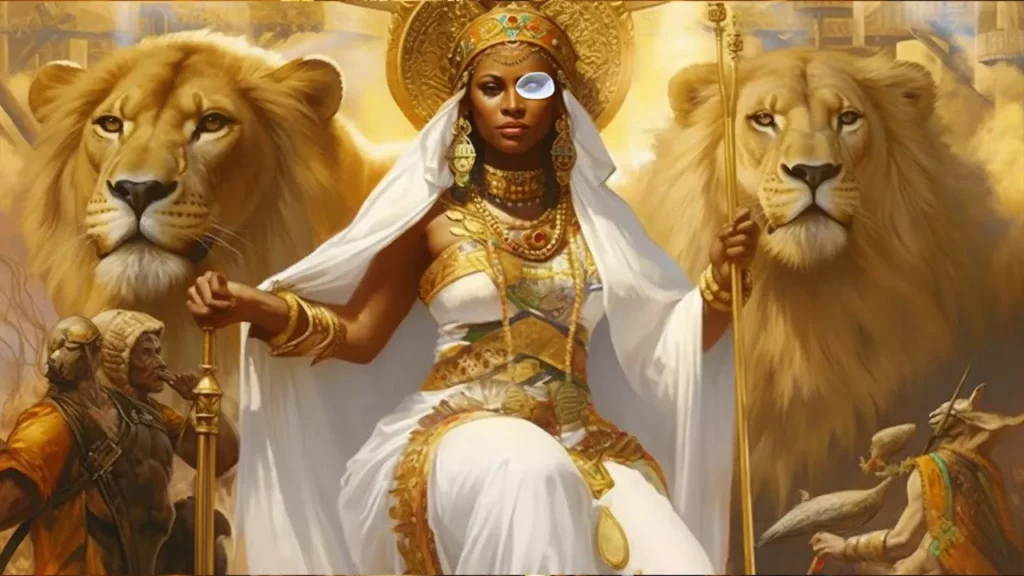
The lesson explores the remarkable story of Queen Amanirenas of the Kush Kingdom, who successfully resisted Roman expansion into Africa during the reign of Caesar Augustus. Despite initial Roman victories, Amanirenas led a surprise attack that captured cities and challenged Roman authority, ultimately forcing Augustus to negotiate peace. Her legacy exemplifies the power of determination and courage in the face of overwhelming odds, highlighting the complexities of power dynamics between empires and smaller kingdoms.
The World's Most Evil Scientists
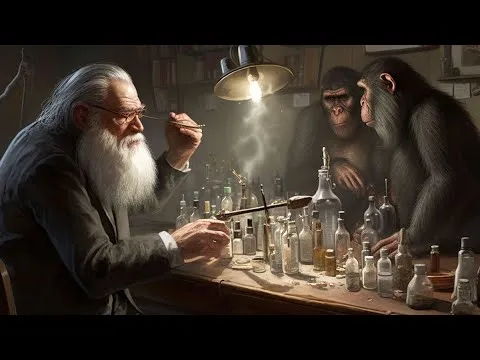
The lesson explores the complex and often dark legacies of several infamous scientists throughout history, highlighting the fine line between genius and madness. Figures such as Joseph Mengele and Shiro Ishii exemplify the ethical violations and horrors that can arise from scientific ambition, while others like Tycho Brahe and Nikola Tesla showcase the eccentricities and personal struggles of brilliant minds. Ultimately, the lesson prompts reflection on the moral responsibilities of scientists and the impact of their work on society.