
Why You Wouldn't Survive Life in Mongol Russia
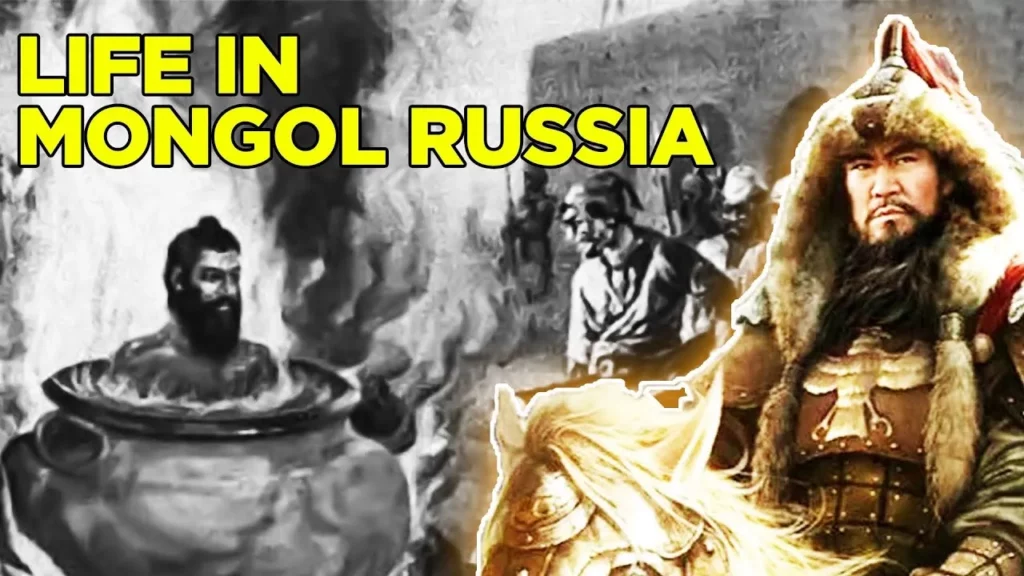
The lesson explores the historical context of the Mongol Empire’s expansion into Kievan Rus during the 13th century, highlighting the brutal tactics employed by the Mongols, including siege warfare and biological warfare, which led to widespread destruction and loss of life. It discusses the rise and eventual fragmentation of the empire, as well as the significant impact of events like the siege of Kaffa and the spread of the Black Plague. Ultimately, the lesson emphasizes the perilous nature of life in Mongol Russia, characterized by violence and upheaval, making survival during this period highly unlikely.
The Untold Story of Winston Churchill
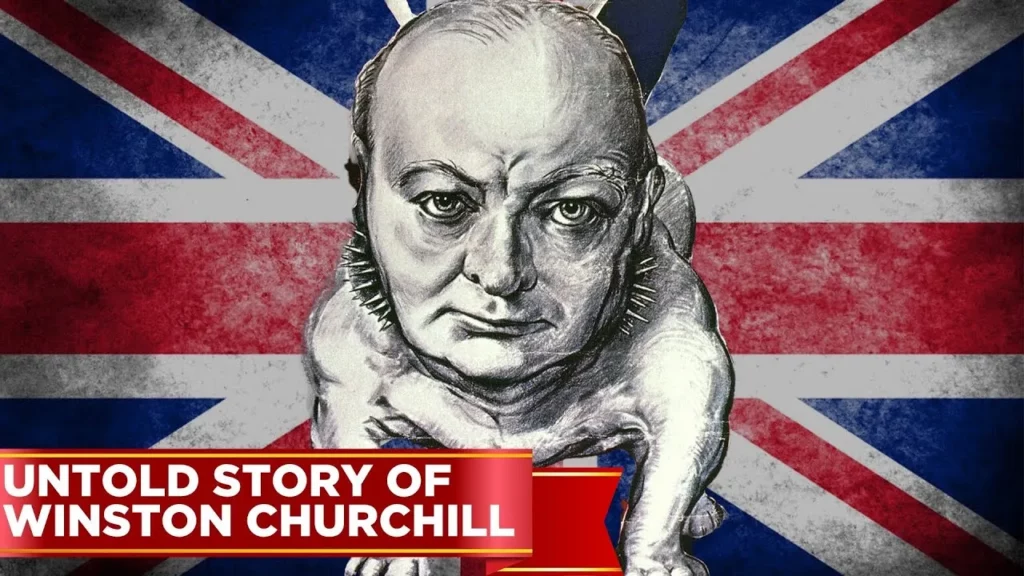
The lesson on Winston Churchill delves into the lesser-known aspects of his life, highlighting his early struggles, military service, and prolific writing, which contributed to his legacy as a leader during World War II. It also explores his personal interests, such as painting and advocacy for science, showcasing the complexity of a man whose resilience and diverse passions continue to inspire. Ultimately, the lesson emphasizes the importance of understanding the multifaceted nature of historical figures like Churchill to appreciate their lasting impact on the world.
Love and Marriage in Ancient Egypt was Weird
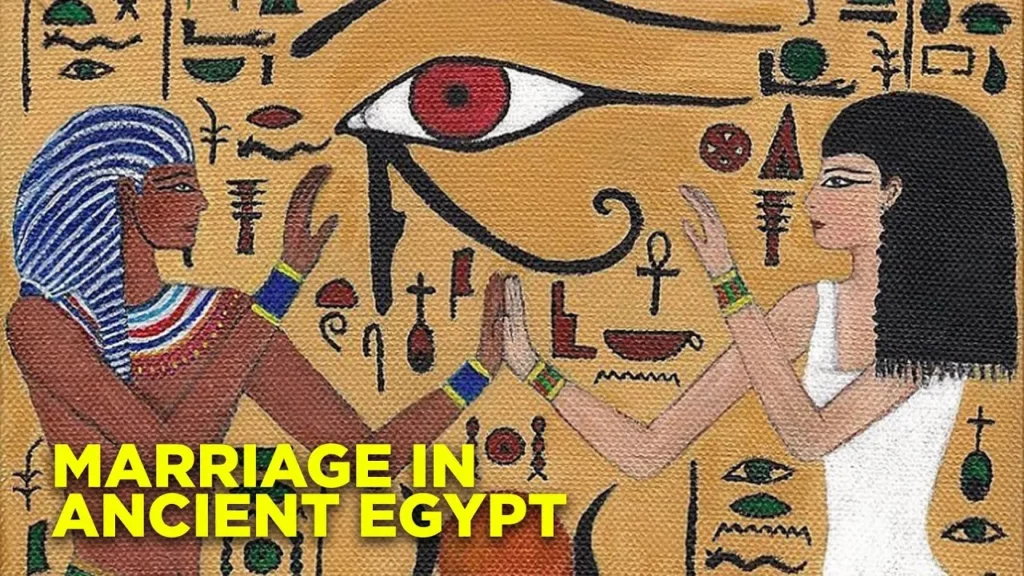
The lesson explores the unique customs surrounding love and marriage in ancient Egypt, highlighting how they differed from other societies, as noted by the Greek historian Herodotus. Marriages were typically arranged and monogamous, with an emphasis on social stability and family lineage, yet romantic love was also celebrated in art and poetry. The lesson further discusses family dynamics, gender equality, and the relatively progressive rights women held in marriage, including property ownership and divorce, showcasing a society that valued both companionship and individual rights.
Why Love and Marriage in Ancient India was Weird
The lesson explores the evolution of love and marriage in ancient India, highlighting its unique aspects from matriarchal practices in the Indus Valley civilization to the patriarchal shifts during the Vedic period. It discusses various wedding ceremonies, the role of love marriages, and the impact of orthodox Hinduism on women’s status, illustrating how some ancient customs persist in modern Indian weddings. Ultimately, it emphasizes the deep cultural significance of marriage as a lifelong commitment, often extending beyond this life.
What Happened to the Vikings After Battling the Byzantine Emperor
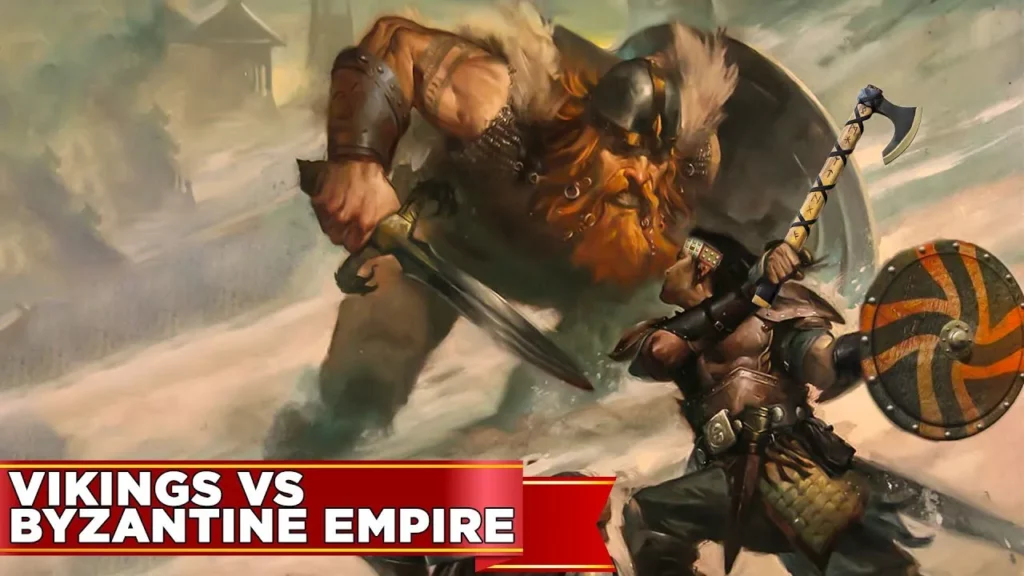
The lesson explores the transformation of Vikings from fierce raiders to elite bodyguards in the Byzantine Empire, specifically through the Varangian Guard, which served the emperors for over 400 years. It highlights the establishment of Kievan Rus, the strategic alliances formed between Viking leaders and Byzantine emperors, and the eventual decline of the Varangian Guard following the fall of Constantinople in 1453. This narrative illustrates the cultural exchange and military significance of Vikings in shaping the history of Byzantium.
What Beauty Was Like In The Maya Civilization
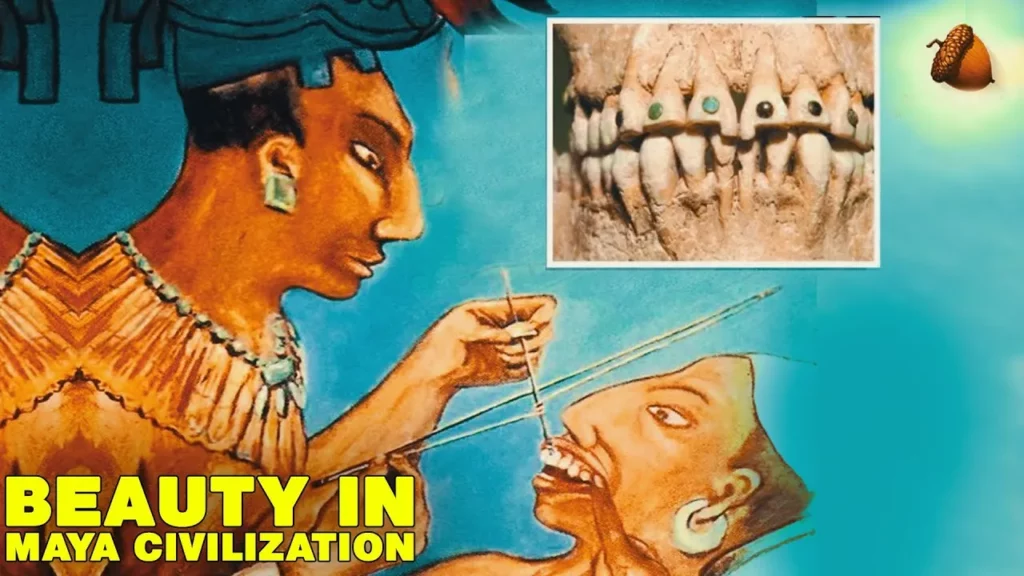
The lesson explores the unique beauty standards of the ancient Maya civilization, highlighting their practices such as cranial shaping, encouraging crossed eyes, and dental modifications like sharpening teeth and adding precious stones. These customs, which often involved pain and were influenced by their cultural beliefs, reflect the Maya’s distinct values surrounding beauty, contrasting sharply with modern standards. Ultimately, the lesson emphasizes that beauty is subjective and culturally defined, encouraging appreciation for diverse traditions.
Weird Traditions of Ancient Greece
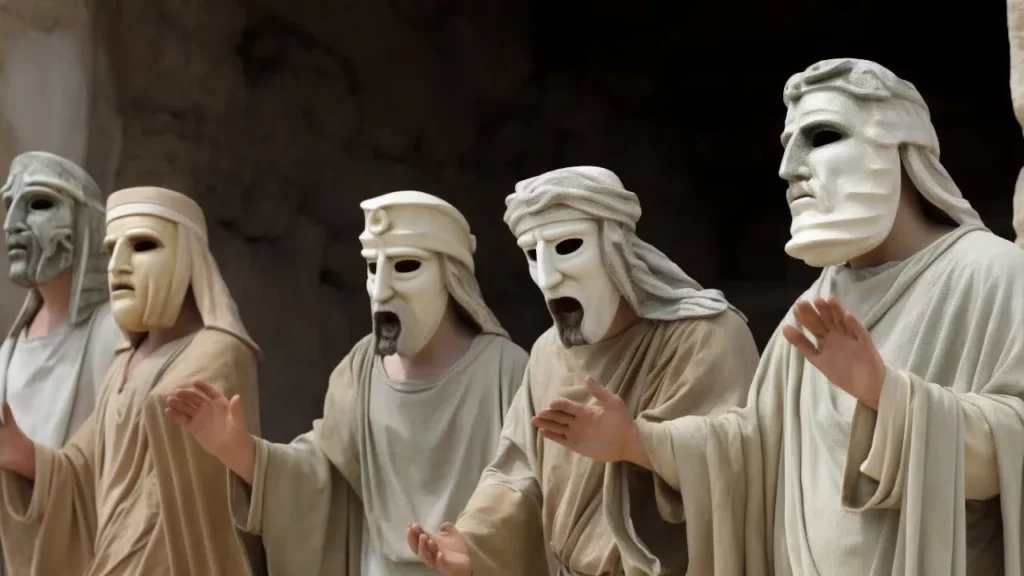
The lesson explores the intriguing and often peculiar traditions of Ancient Greece, highlighting practices such as seeking guidance from the Oracle at Delphi, unique wedding customs in Sparta, and lively drinking games at symposiums. It also delves into the significance of theater in Athenian society, where audiences actively participated in performances, and discusses the exclusive Thesmophoria festival for women, along with the cultural taboos surrounding food. Overall, these customs reflect the rich tapestry of social life and beliefs in ancient Greek civilization.
What Punishment was like in Ancient Egypt
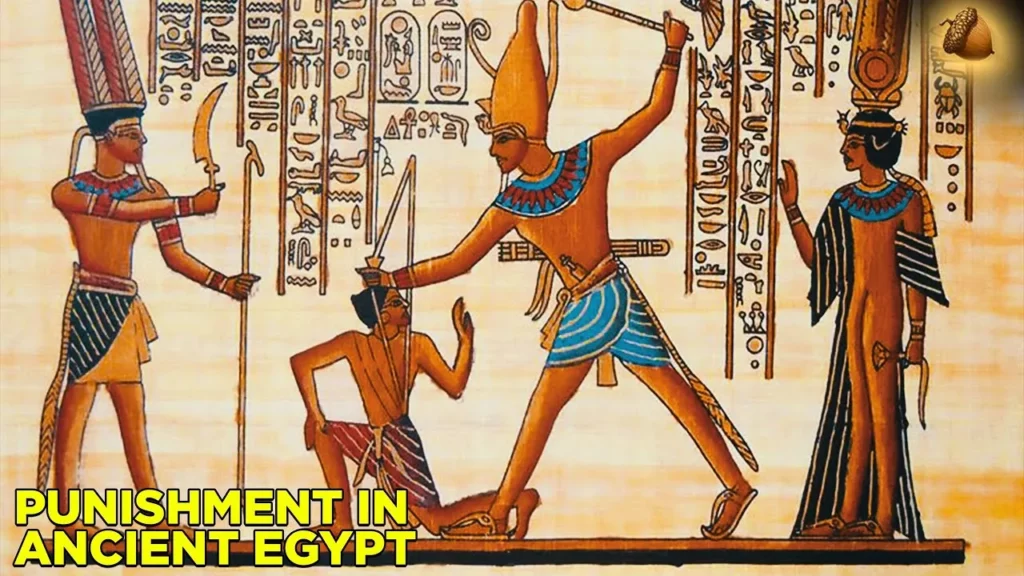
The lesson explores the justice system and punishments in ancient Egypt, highlighting its strictness and the evolution of legal practices over time. It describes the two main types of courts—religious and civil—along with the roles of officials like the vizier and local leaders in administering justice. While the system supported basic human rights, punishments for crimes varied significantly, with severe consequences for serious offenses, reflecting the ancient Egyptians’ respect for life and the importance of maintaining societal order.
Everything The British Stole from The World
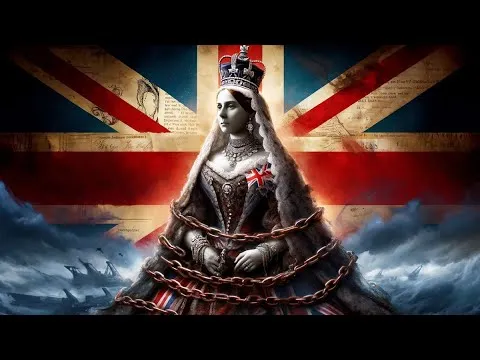
The lesson explores the extensive growth and impact of the British Empire, which, by 1921, controlled a significant portion of the world’s land and population. It highlights the role of chartered companies, such as the East India Company, in facilitating colonization and trade, often through exploitative practices, including the transatlantic slave trade and the imposition of unequal treaties. The legacy of the British Empire is marked by both its vast territorial expansion and the profound suffering inflicted on colonized peoples, emphasizing the importance of understanding this history to inform our present and future.
A Terrifying Day in the Life of a Viking Raid
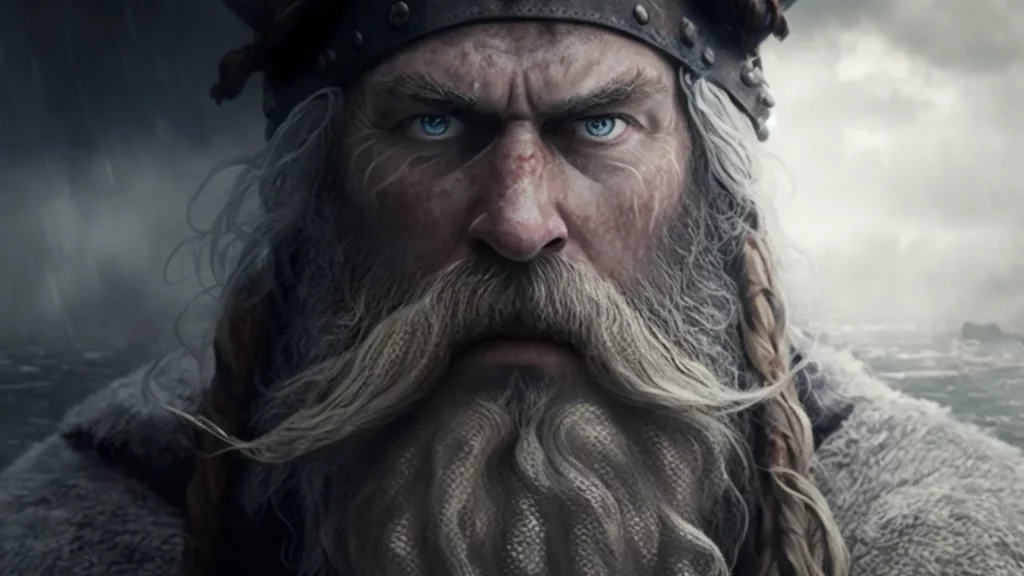
The lesson explores the significant impact of Viking raids on early Christian Europe, highlighting their daring explorations and the destruction they caused. Key events, such as the Siege of Paris led by Ragnar Lothbrok and the Rus’s ventures into Eastern Europe, illustrate the Vikings’ naval prowess and their complex interactions with other cultures. Ultimately, while the Vikings contributed to cultural exchange and trade, their legacy is marked by the brutality of their raids.