
Phonics Mystery Words Mission: OR sound
In today’s lesson, students participated in the “Phonics Mystery Words Mission,” focusing on words that contain the “OR” sound. Through a series of engaging clues, they identified words such as “fork,” “corn,” “storm,” and “horse,” enhancing their phonics skills while having fun. The mission concluded with a celebration of their successful word-solving efforts, encouraging further exploration of language challenges.
Phonics Mystery Words Mission: AI Vowel Team – Long A Sound
In this lesson, students embark on a fun mission to solve mystery words that feature the vowel team “A-I,” which produces the long “ay” sound. Through a series of clues, learners identify words such as “rain,” “brain,” and “train,” enhancing their phonics skills while engaging in an interactive guessing game. The lesson concludes with encouragement to continue practicing and exploring new vocabulary.
Informational Writing for Kids – Episode 1: What Is It?
In this lesson on informational writing, students learn that it focuses on sharing factual information about real and interesting topics, distinguishing it from fiction, which involves imaginative storytelling. The lesson also highlights key features of informational texts, such as the table of contents, headings, and glossary, which aid in understanding and navigating the material. Overall, informational writing serves as an effective tool for learning and discovering new knowledge.
Informational Writing for Kids – Episode 2: Brainstorming & Choosing a Topic
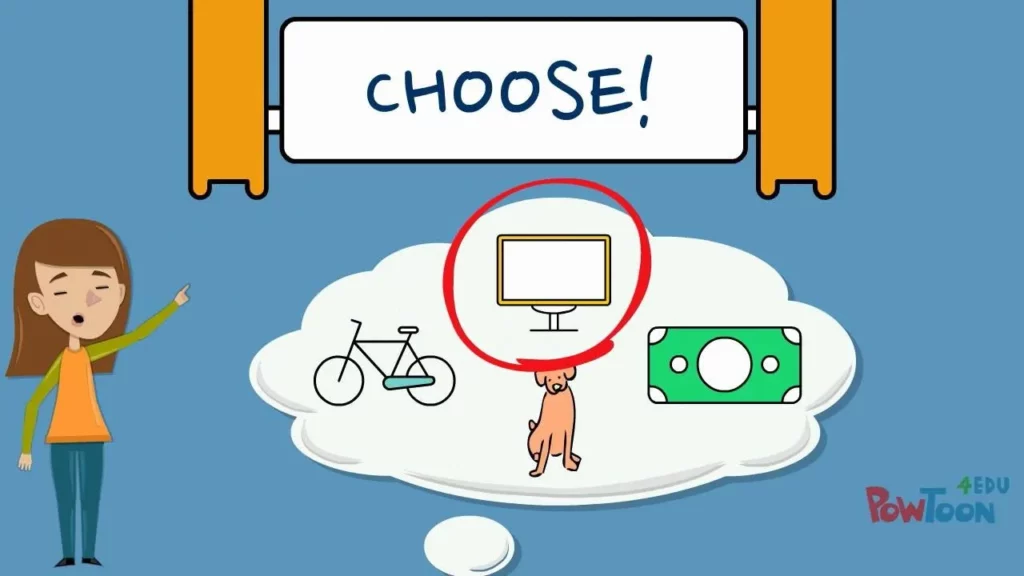
In this lesson on choosing a topic for informational writing, students learn the importance of brainstorming ideas based on their knowledge and interests. They are encouraged to consider their audience when selecting a topic, ensuring it is engaging and informative for the intended readers. Ultimately, the lesson emphasizes asking key questions to help determine the best topic, setting the stage for future writing planning.
Informational Writing for Kids – Episode 3: Making a Plan
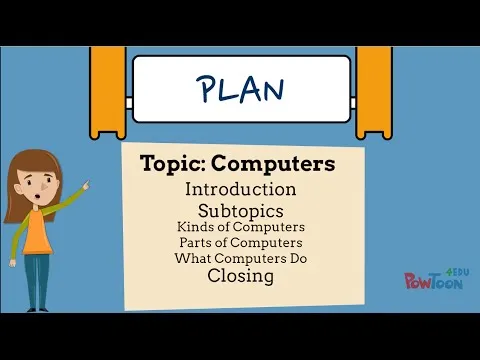
In this lesson on informational writing, students learn the importance of creating a plan before starting their writing. By breaking down a broad topic, such as computers, into smaller subtopics, authors can effectively organize their thoughts into sections that include an introduction, detailed subtopic discussions, and a closing statement. The lesson sets the stage for the next episode, which will focus on crafting a compelling introduction.
Informational Writing for Kids- Episode 4: Writing an Introduction
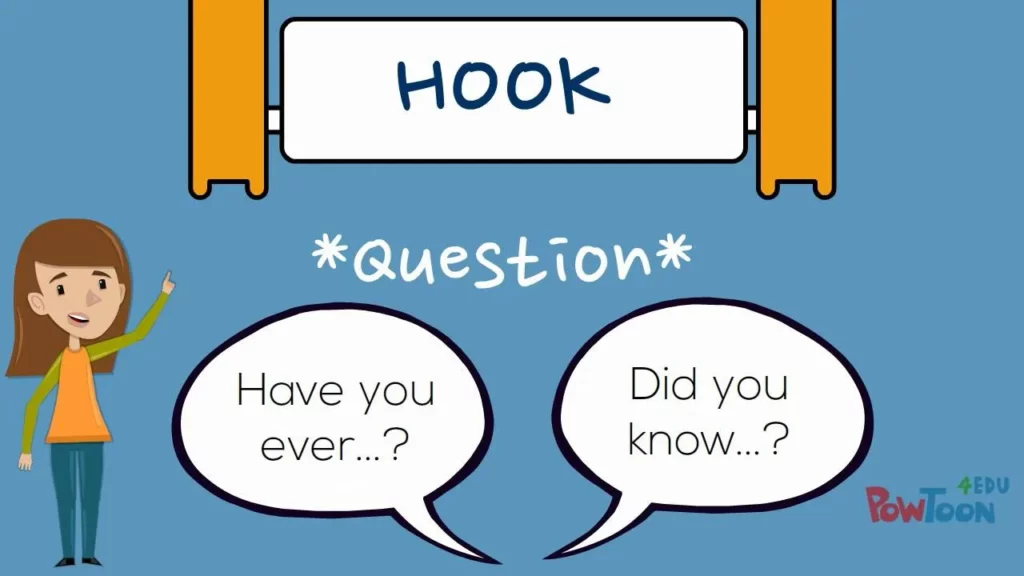
In this lesson on writing an introduction for an informational book, the focus is on engaging readers from the start. The author emphasizes the importance of beginning with a hook, such as a surprising fact or a question, to capture attention, followed by a clear introduction of the topic that outlines what readers can expect to learn. With the introduction complete, the author is eager to delve into the main content of the book.
Informational Writing for Kids – Episode 5: Writing a Draft
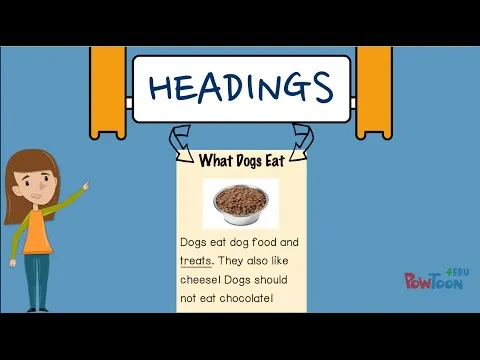
In this lesson on informational writing, the focus is on drafting a book about computers, emphasizing that a draft is a preliminary version that can be revised later. The lesson introduces the concept of organizing information using headings and explores various topics, including types of computers, their parts, and their functions, while encouraging the use of visuals and captions to enhance understanding. The episode concludes with a reminder to prepare a closing section in the next episode to complete the draft.
Informational Writing for Kids – Episode 6: Writing a Closing
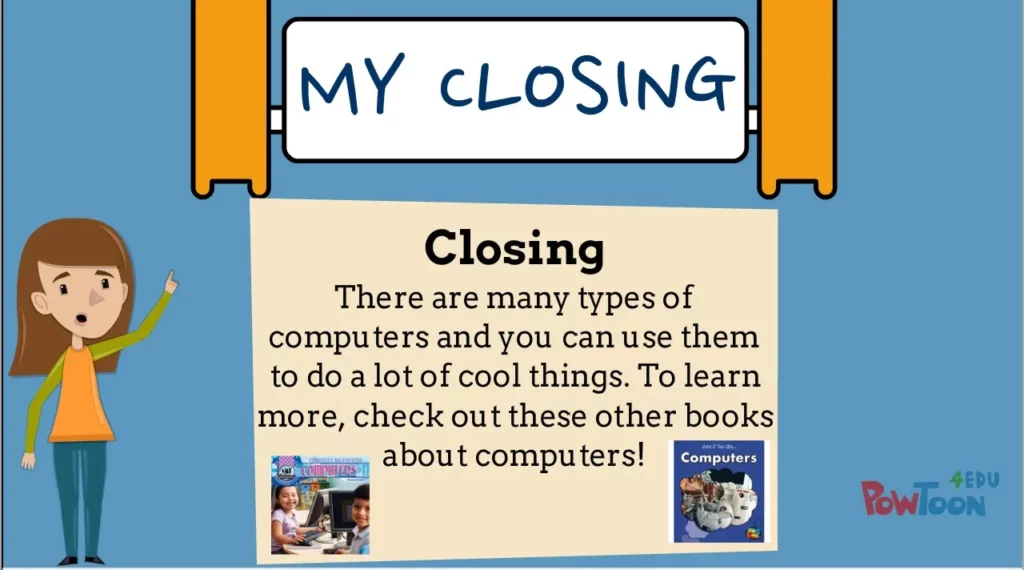
In this episode of “Informational Writing,” the focus is on crafting an effective closing for a book about computers. The closing serves to signal the end of the book, recap key points, and encourage readers to explore further resources. The lesson concludes with a preview of the next episode, where a table of contents will be created to enhance the book’s usability.
Informational Writing for Kids – Episode 8: Making a Glossary
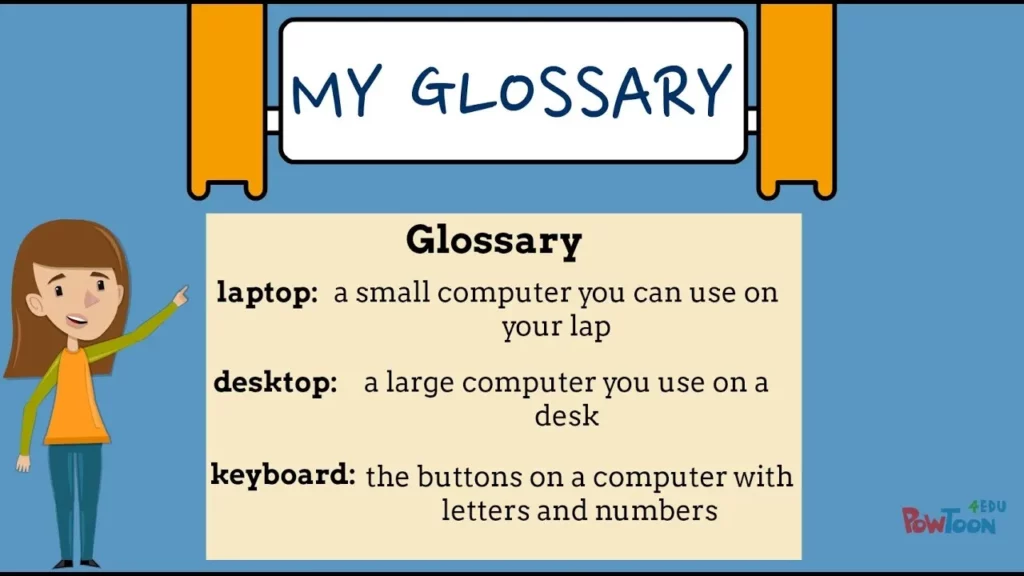
In this lesson, we learn how to create a glossary for an informational book about computers, which serves as a mini-dictionary to help readers understand key terms. We begin by selecting important words from the text, such as “laptop,” “desktop,” and “keyboard,” and providing clear definitions for each. Additionally, we discuss the possibility of enhancing the glossary with pictures to further aid comprehension.
Asking and Answering Questions About a Story: Reading Literature
In this lesson, students learn the importance of asking and answering questions to enhance their understanding of a story. Questions can be posed before, during, and after reading to stimulate curiosity and critical thinking, while answering them helps reinforce comprehension and retention of the material. By engaging with the text in this way, students can become more skilled and confident readers.