
Why Caesar Augustus Could NOT Control his Wild Daughter
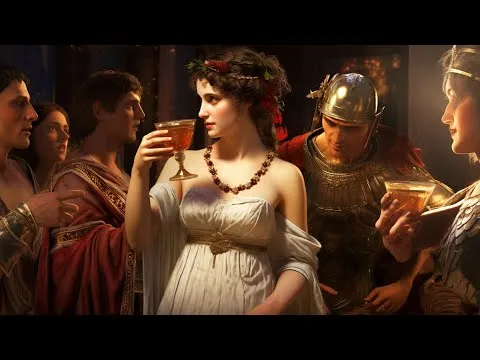
The lesson explores the scandal surrounding Julia the Elder, the daughter of Emperor Augustus, highlighting how her rebellious lifestyle and defiance of social norms led to her exile and the punishment of her lovers. Despite Augustus’s attempts to maintain a strict moral image for Rome, Julia’s actions ultimately challenged his authority and resulted in her isolation, illustrating the complexities of familial relationships and the consequences of personal choices in the context of political power. Julia’s legacy serves as a poignant reminder of the struggles between individual freedom and societal expectations.
Creepy Things That Were Normal in Constantinople
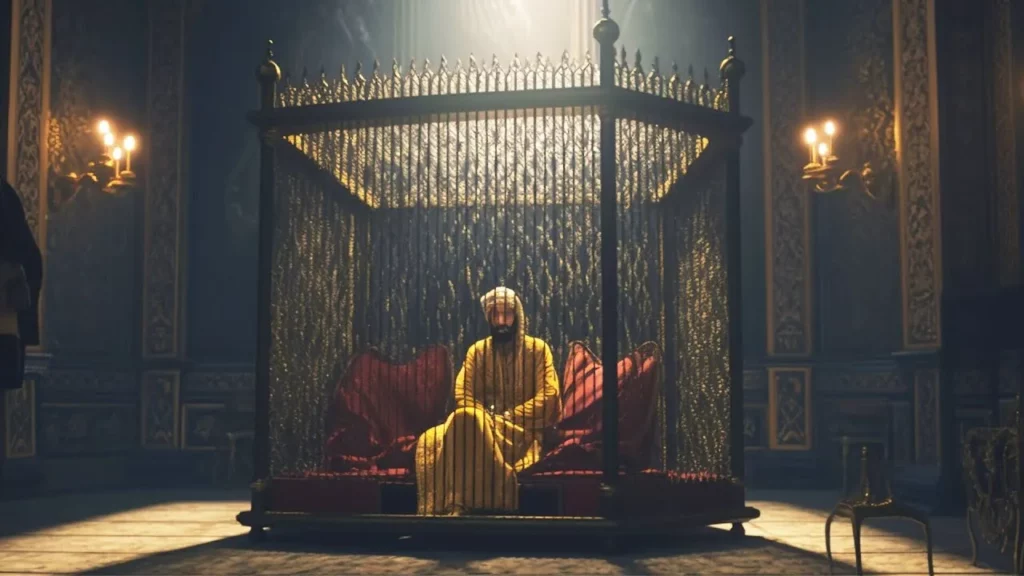
The lesson explores the dramatic and unsettling events surrounding the fall of Constantinople in 1453, highlighting the chaos and destruction that ensued when Ottoman forces, led by Sultan Mehmed II, breached the city’s defenses. It details the brutal tactics employed by the Ottomans, including the actions of the fierce Bashi Bazouks, and the strategic innovations that facilitated their conquest, such as the use of massive cannons and the transportation of ships overland. Ultimately, the lesson underscores the transition from the Byzantine Empire to the rise of the Ottoman Empire, marking a significant shift in history.
“Shocking” Things you Did Not Know about Roman Ancient Egypt
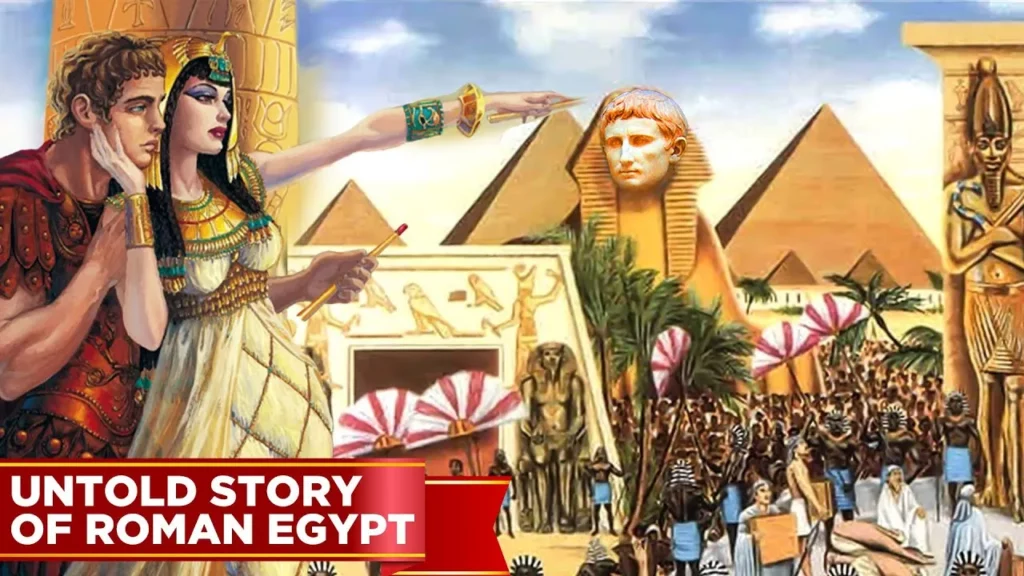
The lesson explores the fascinating history of Ancient Egypt and its transformation under Roman rule, highlighting key figures like Cleopatra and the cultural shifts that occurred during this period. Cleopatra’s reign faced significant challenges, ultimately leading to Egypt’s annexation by Rome after her defeat. The lesson also discusses the diverse cultural landscape that emerged in Egypt under Roman governance, including the rise of Christianity and the socio-economic disparities that developed, culminating in the eventual decline of Roman influence and the rise of Arab rule.
WEIRD Things You Did Not Know about the Sultan Mehmed The Conqueror
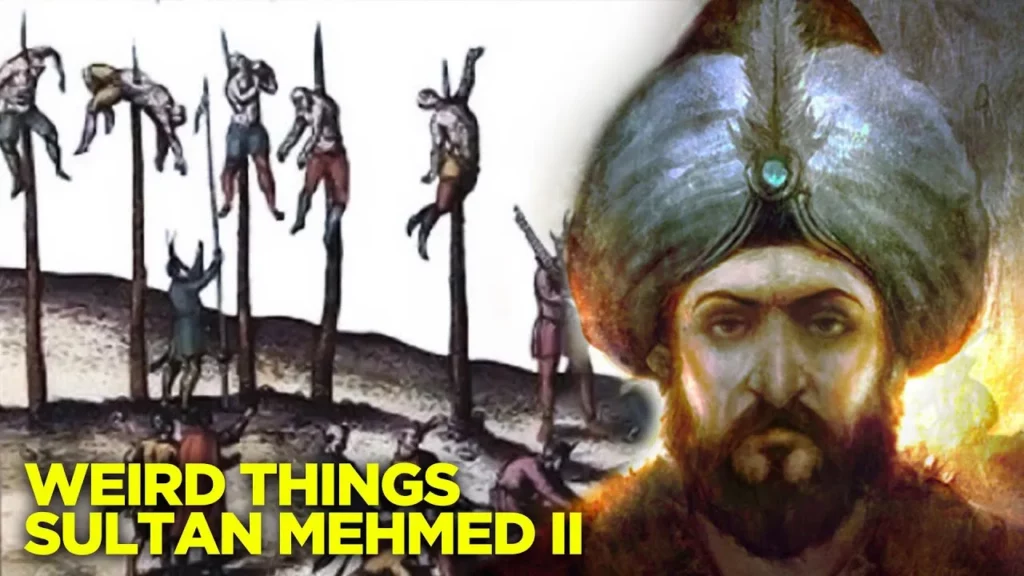
Sultan Mehmed II, known as Mehmed the Conqueror, achieved remarkable feats by the age of 21, most notably the conquest of Constantinople, which ended the Byzantine Empire. Beyond his military prowess, Mehmed was a passionate advocate for knowledge and the arts, establishing a library and engaging with scholars, while also implementing controversial measures like the fratricide law to maintain stability in his empire. His legacy is a complex blend of visionary leadership and ruthless tactics, prompting ongoing debate about his true nature as a ruler.
What Happened to the Native Americans After Meeting the Polynesians?
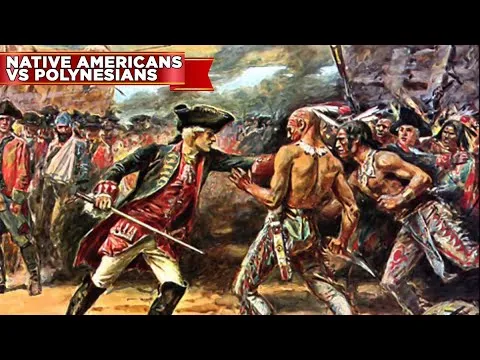
The lesson explores the intriguing interactions between Polynesians and Native Americans, highlighting the navigation skills of the Polynesians and the evidence of contact between these two groups. Through the adventures of Thor Heyerdahl and recent DNA studies, it is suggested that South Americans may have reached the Pacific Islands, leading to cultural exchanges, including the introduction of the sweet potato. The lesson emphasizes the importance of ongoing archaeological research in uncovering the rich pre-colonial history of the Americas.
CREEPY Things that were "Normal" in Ancient China
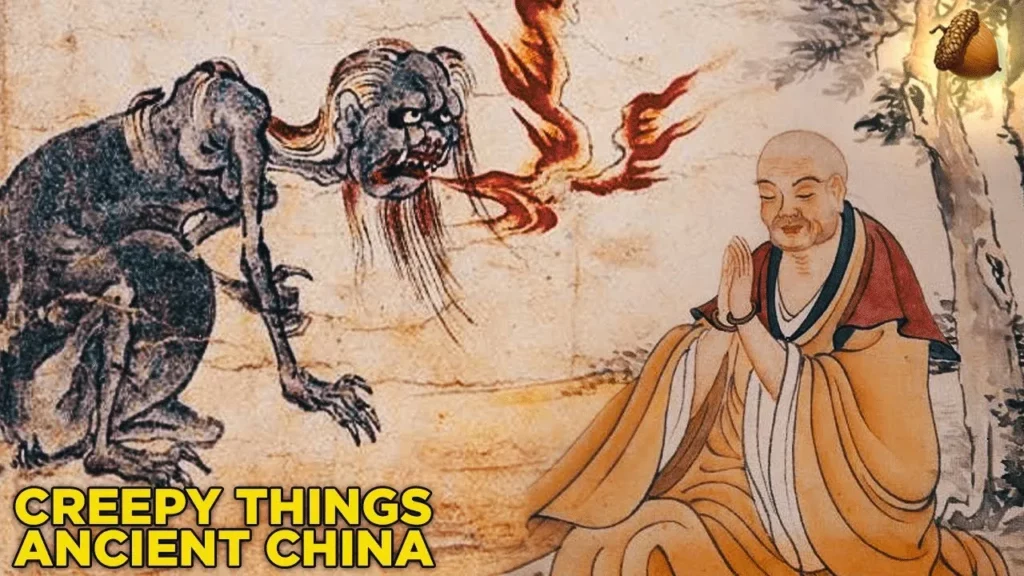
The lesson explores various unsettling yet culturally significant practices in ancient China, such as foot binding, elaborate burial rituals, human sacrifice, astrology, and traditional medicine. These customs, while disturbing by modern standards, reflect the values and beliefs of the time, offering insights into the complexities of ancient Chinese society. Understanding these practices enhances our appreciation for the historical context that shaped contemporary culture.
Creepy Foods People Ate in the Victorian Era

The lesson explores the peculiar and often unappetizing foods consumed during the Victorian Era in England, highlighting the lack of food safety regulations and the strange dietary practices of the time. It discusses risky meat choices, bizarre weight loss methods like the tapeworm diet, and unusual dishes such as boiled calf’s head and mock turtle soup, while also touching on the limited vegetarian options available. Overall, the lesson illustrates how societal norms and economic conditions shaped the eating habits of the Victorian population.
Most Epic Castles to Ever Exist
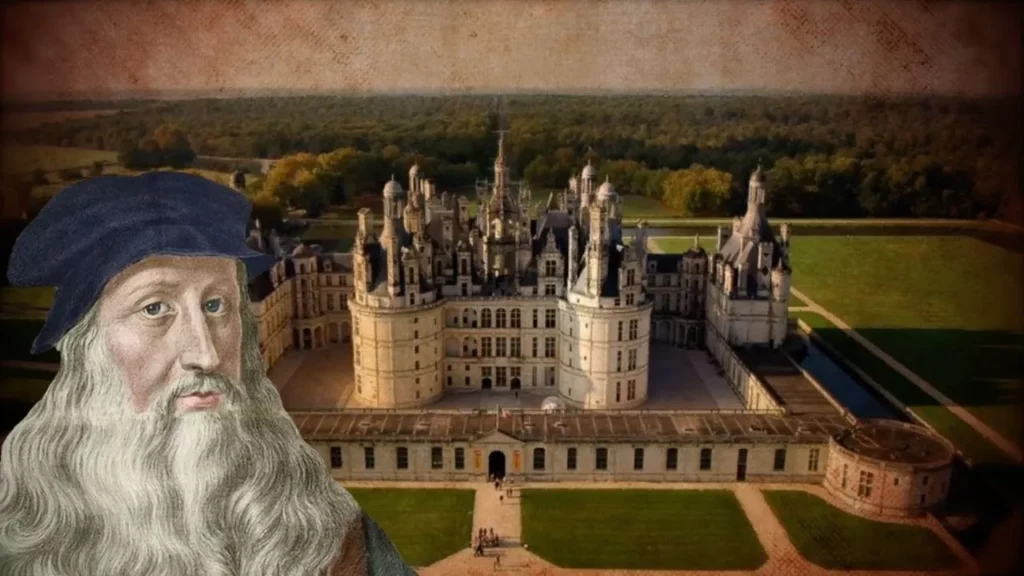
The lesson explores the fascinating history and architectural significance of some of the most epic castles ever built, highlighting their dual purpose of defense and display of wealth. From Himi Castle’s clever design and ghost stories to Neuschwanstein Castle’s fairy-tale appearance and mysterious royal history, each castle has its own unique narrative. The lesson emphasizes the cultural and historical importance of these structures, inviting further exploration of remarkable architectural feats throughout history.
When Did The Pope Turn Satanic?
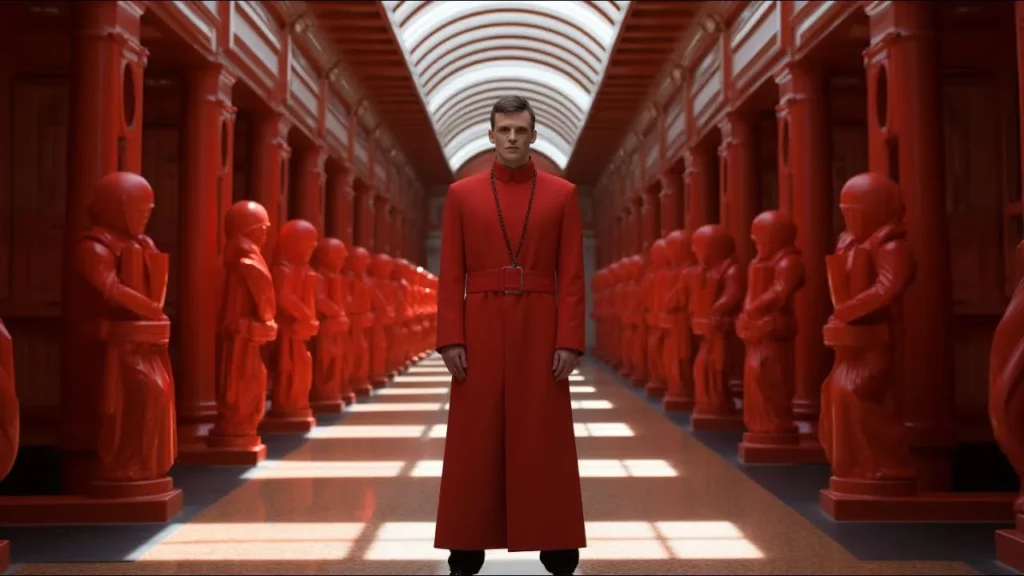
The lesson explores the attempted assassination of Pope John Paul II on May 13, 1981, by Mehmet Ali Agca, a member of the Turkish ultra-nationalist group, the Grey Wolves. The incident, marked by Agca’s erratic behavior and shifting narratives, sparked various conspiracy theories, particularly regarding potential connections to the Bulgarian Secret Service and the KGB, although no substantial evidence was found. Ultimately, the Pope’s act of forgiveness towards Agca, who was later released from prison, highlights the profound complexities of faith, politics, and personal motives in shaping historical events.
Strange Mysteries of China | China History
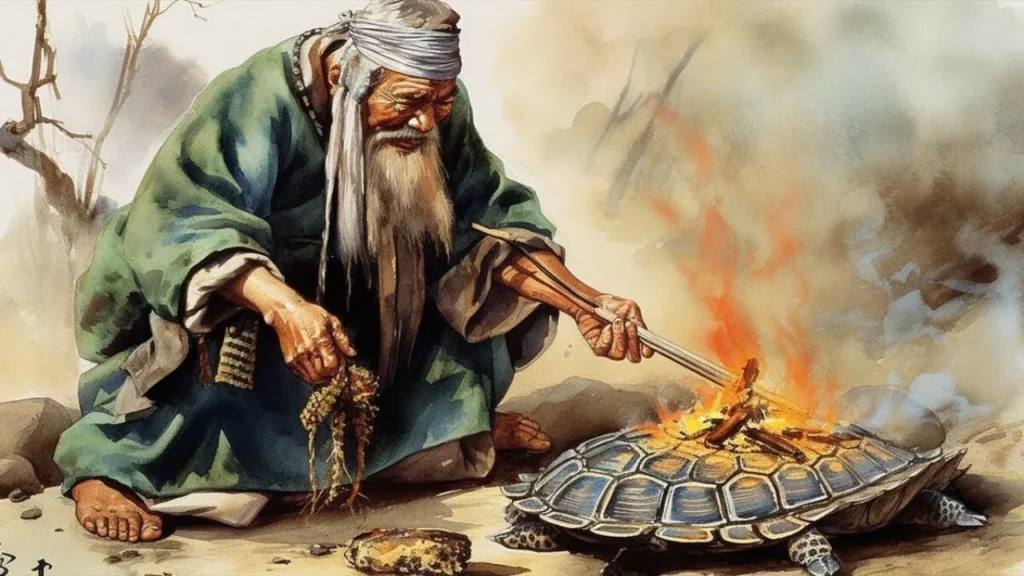
The lesson explores the intriguing history of the Shang Dynasty in China, highlighting its rise under the leadership of Tong of Shang and its eventual downfall due to the excesses of King Zhou. It delves into the significance of oracle bones, which provided insight into the dynasty’s culture and practices, including divination and human sacrifice, while also emphasizing the contributions of notable figures like Wu Ding and Fu Hao. Ultimately, the Shang Dynasty’s legacy is a blend of remarkable achievements in art and architecture, overshadowed by corruption and violence.