
CREEPY Things that were "Normal" in Ancient Rome
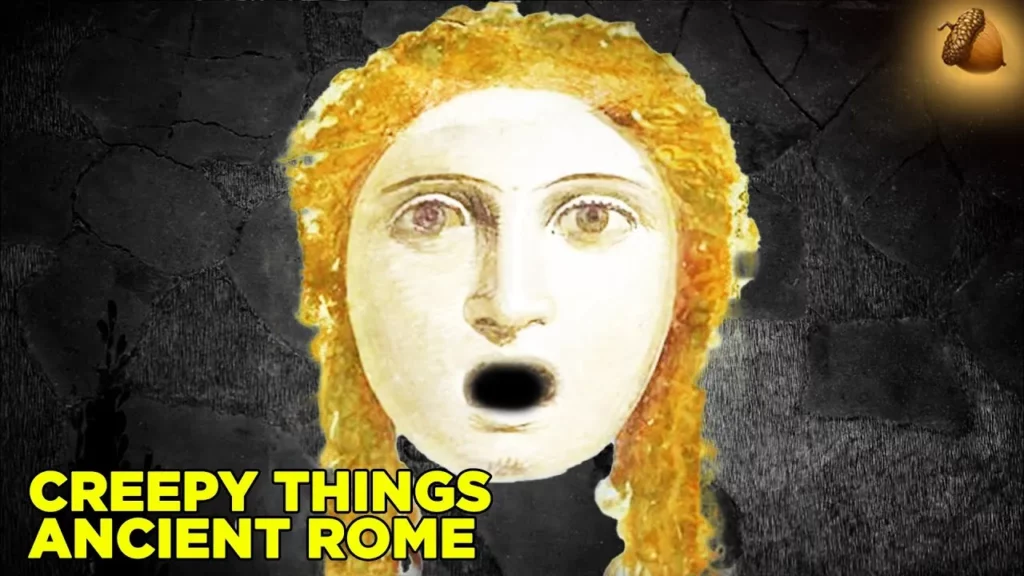
The lesson explores the bizarre and unsettling customs of ancient Rome that contrast sharply with modern sensibilities. It highlights extravagant feasts among the wealthy, peculiar health beliefs involving gladiators, eccentric behaviors of emperors, societal double standards, and unsanitary sanitation practices. These insights into Roman life reveal a civilization that, while advanced in many ways, engaged in practices that might be considered creepy or strange by today’s standards.
The Dumbest Lies That Could Rewrite History
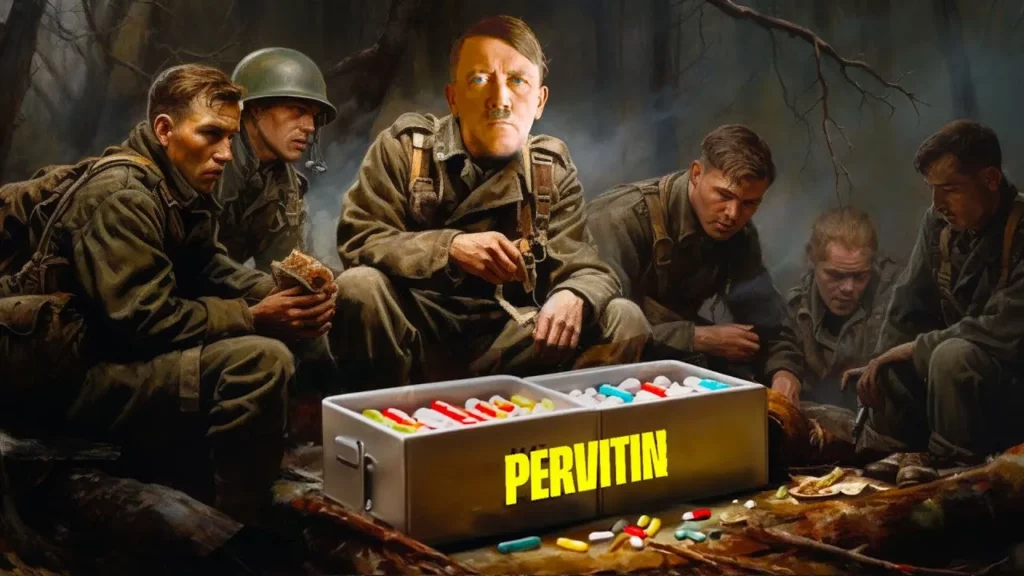
The lesson explores various historical misconceptions, revealing the truths behind widely held myths such as the belief that Napoleon was short and that peasants built the pyramids. It highlights significant figures like Antonio Meucci, who invented the telephone before Alexander Graham Bell, and discusses the complexities of slavery in ancient civilizations, the reality of Viking helmets, and the cultural implications of foot binding in China. By debunking these myths, the lesson encourages a deeper understanding of history and the importance of questioning accepted narratives.
The Horrifying Battles Between the Mongols and the Samurai
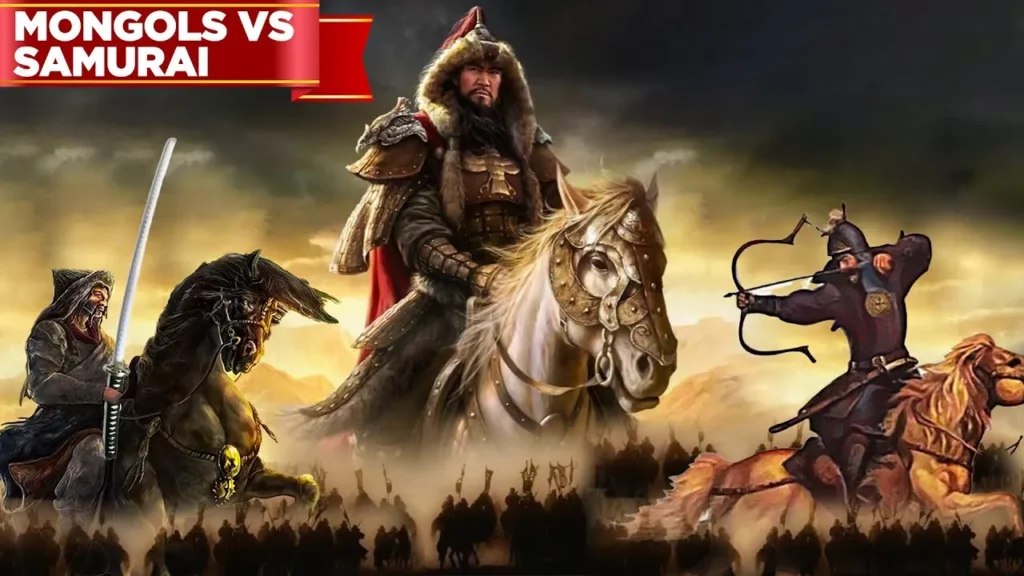
The lesson explores the epic confrontations between the Mongols and the Samurai, highlighting their distinct military strategies and cultural values. The Mongols, under Kublai Khan, launched two significant invasions of Japan in the late 13th century, but both attempts were thwarted by the Samurai’s resilience and the intervention of powerful typhoons, known as “kamikaze.” Ultimately, the lesson emphasizes the lasting impact of these encounters on both warrior cultures and their historical legacies.
How Rich Was Hitler? The Investigation into the Fuhrer’s Fortune

The lesson emphasizes the importance of setting boundaries and recognizing limitations in providing assistance. It highlights that it’s okay to decline requests when they fall outside one’s expertise or capacity, promoting self-awareness and self-care. Ultimately, the lesson encourages respectful communication when saying no.
Why You Wouldn’t Survive Egypts Scariest Battles
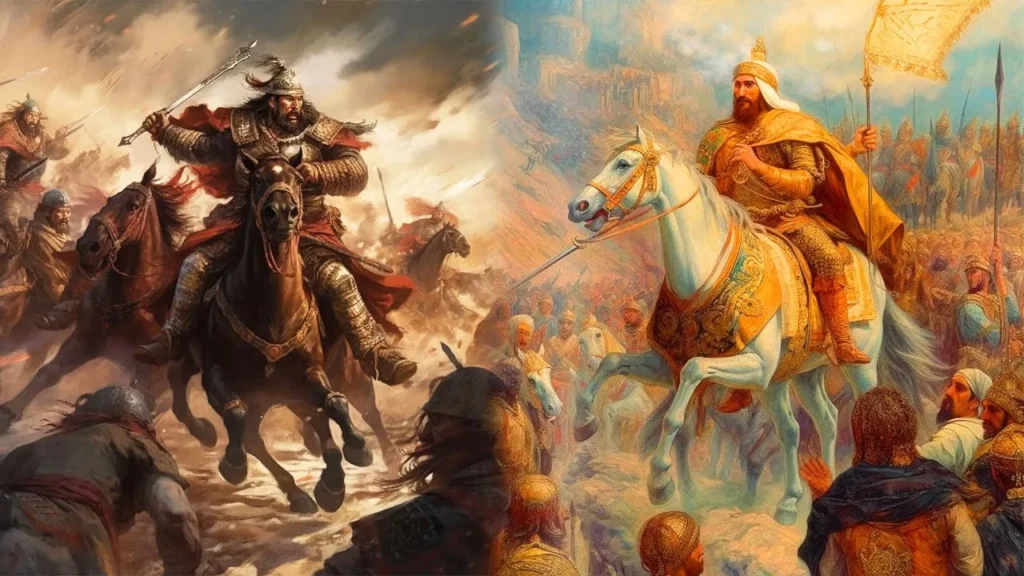
The lesson explores the remarkable rise of the Mamluks, a group of enslaved soldiers who became powerful rulers in medieval Egypt, particularly focusing on the life of Baybars. After witnessing the devastation of his family during the Mongol invasion, Baybars ascended through the ranks due to the Mamluk meritocracy, ultimately becoming Sultan and leading successful campaigns against the Crusaders and Mongols. The Mamluks’ legacy is marked by their unique ability to transform from servitude to sovereignty, influencing the course of Middle Eastern history until their eventual decline in the face of the Ottoman Empire.
The Most Epic Parts of History We Can’t Figure Out
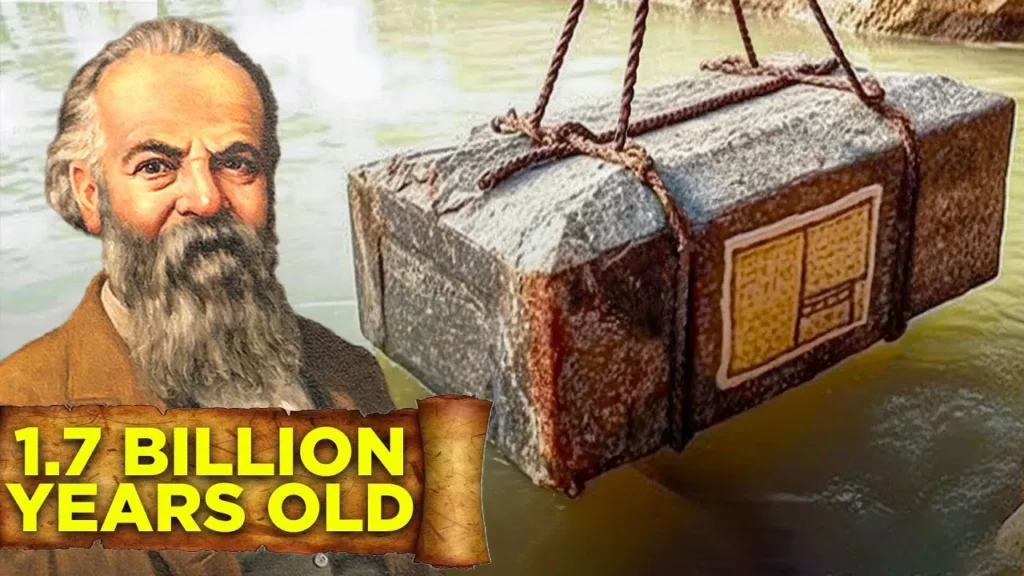
The lesson explores the enigmatic gaps in Earth’s geological history, particularly a billion-year period that remains largely unaccounted for. Using the analogy of a 24-hour party, it illustrates the timeline of life on Earth, emphasizing the fleeting nature of existence and the significant mass extinction events that have shaped biodiversity. The lesson also discusses geological studies, including Hutton’s Unconformity and the Snowball Earth theory, which aim to explain these missing records and the evolution of life leading up to the Cambrian explosion.
The Untold Story of The Most Evil Man
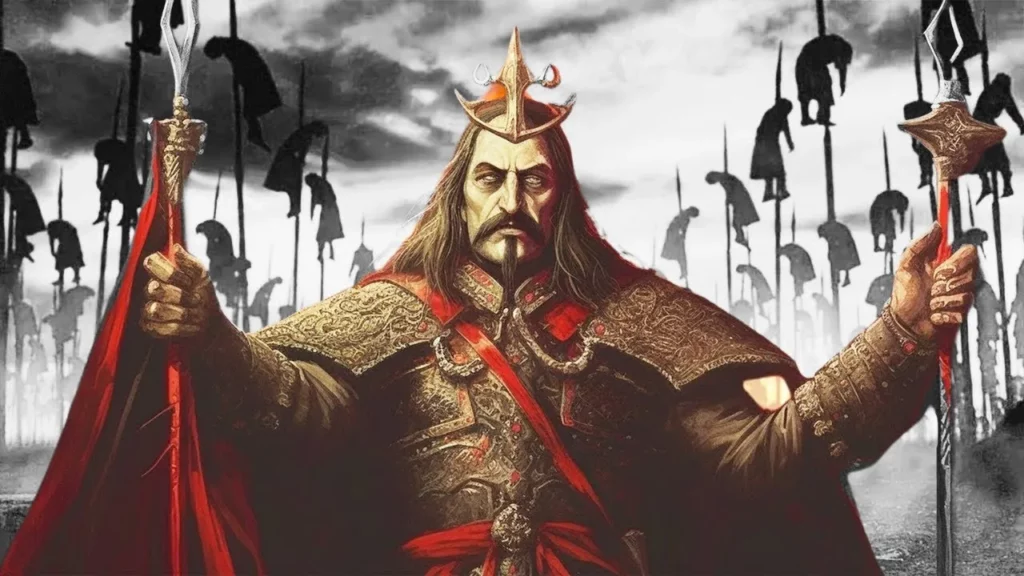
The lesson explores the life of Vlad the Impaler, a controversial figure in history known for his brutal tactics during his reign as prince of Wallachia. It examines his rise to power amidst conflicts with rival cities and his ruthless methods, including impalement and mass executions, which were driven by a desire for authority and a response to threats from the Ottoman Empire. Vlad’s legacy remains complex, as he is viewed by some as a national hero and by others as a tyrant, prompting discussions about the influences that shaped his notorious reputation.
What Beauty was Like in the Middle Ages
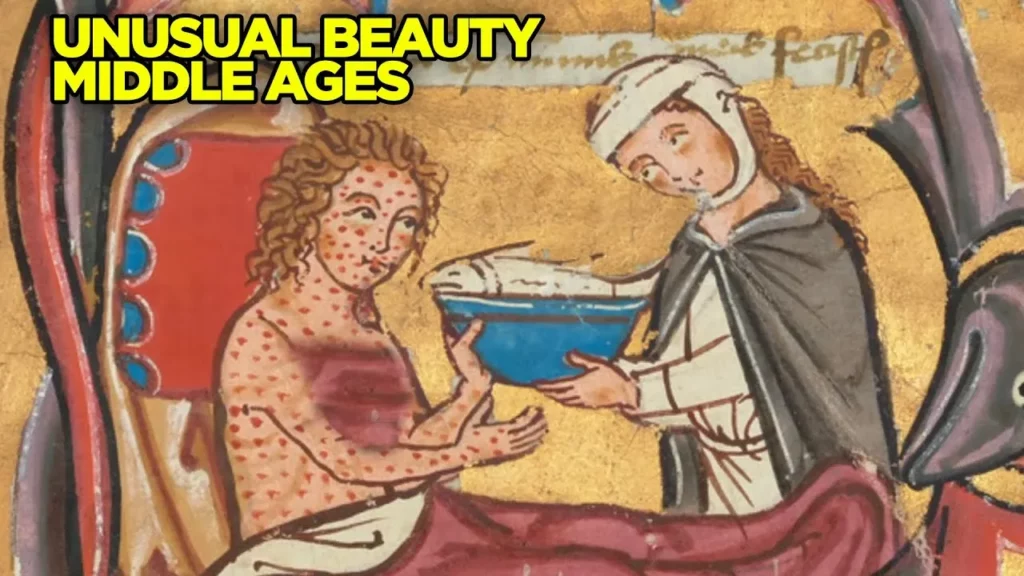
The lesson explores the unique and often dangerous beauty standards of the Middle Ages, highlighting how societal views on makeup and appearance differed significantly from today. Women faced severe consequences for wearing makeup, often resorting to creative and sometimes toxic methods to achieve the desired pale complexion and other beauty ideals. Despite the peculiar practices and harsh standards of the time, the lesson emphasizes that beauty norms are ever-evolving, suggesting that future generations may find contemporary beauty trends just as curious.
CREEPY Things That were "Normal" during the Cold War
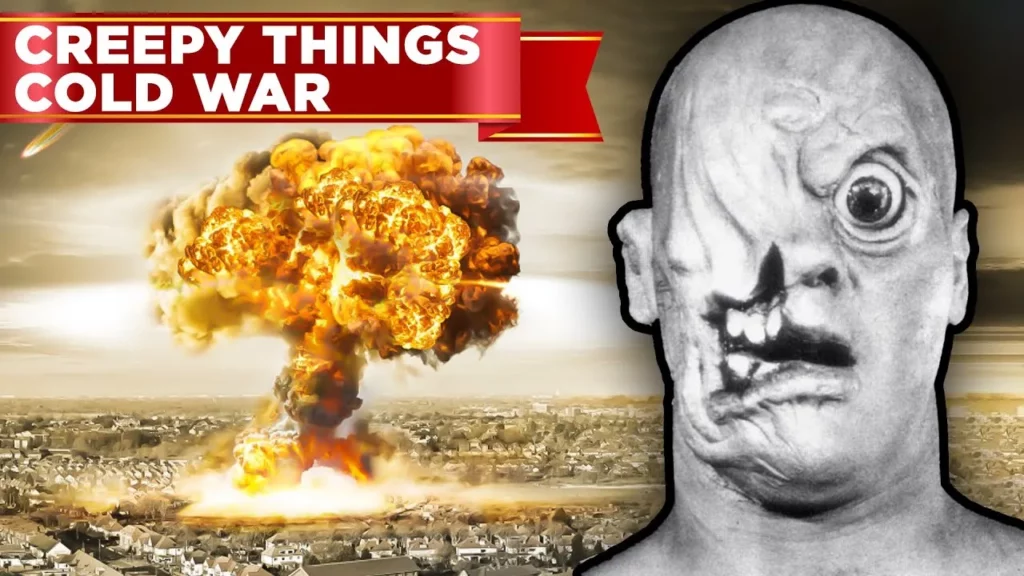
The lesson explores the unsettling practices that were considered normal during the Cold War, a period marked by intense rivalry between the United States and the Soviet Union. It highlights various disturbing events, such as the atomic bombings of Hiroshima and Nagasaki, the tragic incidents involving the “Demon Core,” and unethical experiments conducted on civilians, revealing the lengths to which both superpowers went in their pursuit of power and security. Ultimately, the lesson underscores the lasting impact of these actions on individuals and society, as well as the ethical implications of scientific research during that era.
Creepy Witches of History
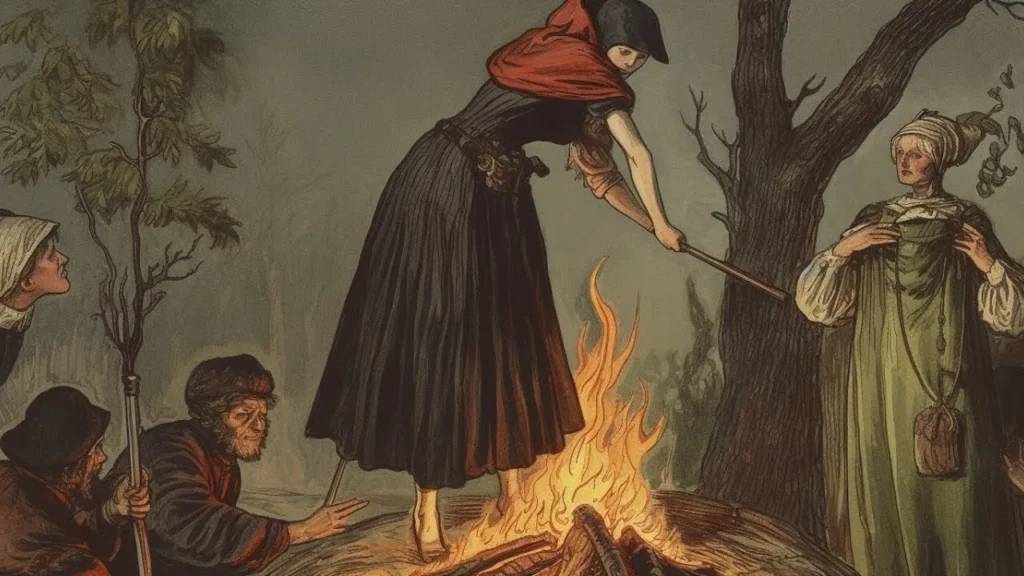
The lesson “Creepy Witches of History” explores the intersection of magic, witchcraft, and royal intrigue during medieval times, highlighting the cases of notable figures like Joan of Navarre, Eleanor Cobham, and Elizabeth Woodville. It reveals how accusations of witchcraft could lead to severe consequences, even for those of royal status, often fueled by personal vendettas and societal fears surrounding magic and astrology. Ultimately, the lesson illustrates the precarious position of women in power and the lasting impact of these historical events on perceptions of witchcraft.