
Was Henry Kissinger Secretly Evil?
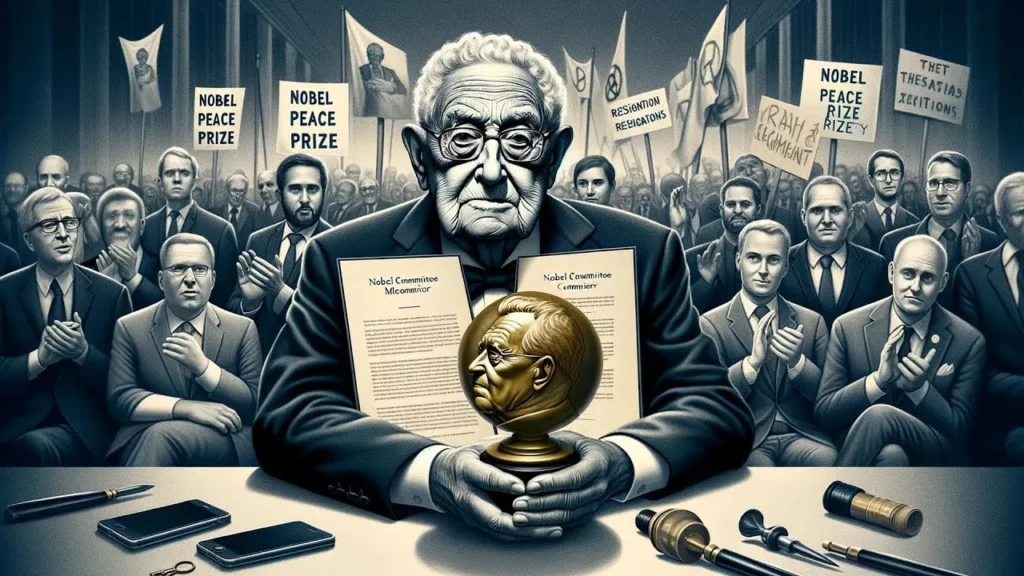
The lesson explores the complex and controversial legacy of Henry Kissinger, a pivotal figure in American foreign policy who served under twelve U.S. presidents. While he played a significant role in shaping international relations and was awarded the Nobel Peace Prize for his efforts to end the Vietnam War, his involvement in various global conflicts and controversial policies, such as the Kissinger Report advocating for population control, has led to ongoing debates about the morality and ethics of his actions. Ultimately, Kissinger’s legacy remains polarizing, prompting reflection on the implications of his diplomatic strategies and decisions.
What Depression was Like for Royalty
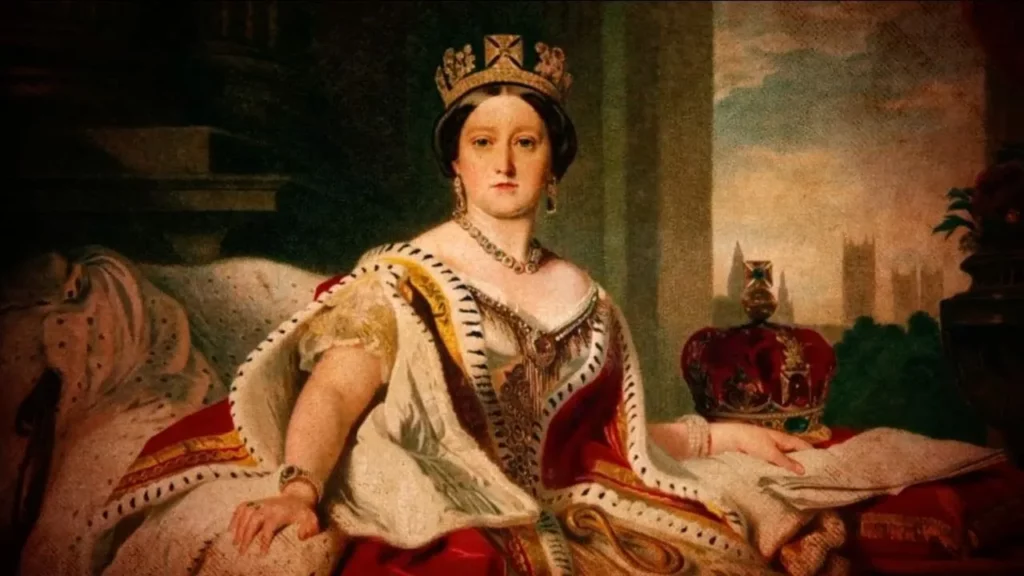
The lesson explores the historical perceptions and treatments of depression, tracing its evolution from ancient times to the modern era. It highlights how cultural beliefs, societal stigma, and notable figures influenced the understanding of mental health, revealing a journey from supernatural explanations to psychological insights. Key developments, including advancements in the Middle Ages and the contributions of figures like Sigmund Freud, illustrate the ongoing struggle to comprehend and address depression throughout history.
How 24,000 Spanish Armada Soldiers Failed!!

The lesson on the Spanish Armada details King Philip II of Spain’s ambitious plan to invade England in 1588, driven by his desire to confront Queen Elizabeth I and her support for rebels. Despite gathering a formidable fleet, the Armada faced significant challenges, including poor weather, strategic miscalculations, and effective English defenses led by Sir Francis Drake, ultimately resulting in a disastrous defeat for Spain. This event not only marked a turning point in naval power but also highlighted the unpredictable nature of warfare and the impact of strategy on historical outcomes.
Most Deadly Job of All Time

The lesson highlights the inherent dangers of being a lawyer throughout history, illustrating that the profession is often fraught with risks due to difficult clients and volatile situations. From the violent life of John Wesley Harden in the Wild West to the threats faced by civil rights attorneys like Thurgood Marshall, the legal profession has consistently exposed its practitioners to peril. The lesson emphasizes that, despite its seemingly straightforward nature, the role of a lawyer can be one of the most dangerous jobs of all time.
What Hygiene was Like for Royalty

The lesson explores the diverse hygiene practices of royalty throughout history, highlighting how different cultures approached cleanliness. From the ancient Babylonians’ early use of soap to the Mongols’ water conservation methods, and the luxurious bathing habits of Ottoman sultans, each example illustrates the unique beliefs and values surrounding hygiene in various societies. Overall, the lesson emphasizes the evolution of hygiene practices and their significance in promoting health and well-being across different eras.
Why Emperor Nero was the Most Evil Ruler of Rome

The lesson explores the notorious life of Emperor Nero, highlighting his cruel and extravagant behavior, obsession with winning, and controversial artistic ambitions. Known for cheating in competitions and hosting scandalous events, Nero’s reign is marked by harsh treatment of others, including Christians, which may have influenced Christian mythology. His legacy as one of Rome’s most infamous rulers is further cemented by his role in significant events like the Great Fire of Rome.
Really Dumb Things that were “Normal” in Ancient Rome

This lesson explores the everyday life and peculiar traditions of ancient Rome, highlighting aspects such as childhood, family dynamics, beauty standards, and marriage customs. It reveals that while ancient Romans had advanced toys like a movable ivory doll, their societal norms often reflected stark contrasts, including limited education for women and a focus on political alliances in marriage. Overall, the lesson provides a glimpse into the unique and sometimes strange practices that were considered normal in ancient Roman society.
The Untold Story of The Most Evil Queen: Bloody Mary

The lesson explores the life of Queen Mary I of England, known as “Bloody Mary,” highlighting her struggles with family dynamics, her commitment to restoring Catholicism, and the resulting religious conflicts during her reign. Despite her intentions to unify the country under Catholicism, her harsh methods led to the execution of many Protestants and contributed to her notorious reputation. Ultimately, Mary’s legacy remains controversial, prompting reflection on whether she deserves the title “Bloody Mary” or is viewed as a determined leader facing immense challenges.
What Drugs were Like during the Vietnam War

The lesson on drug use during the Vietnam War highlights the extensive consumption of both illicit and prescribed substances by U.S. soldiers, with over 225 million doses of stimulants used between 1966 and 1969. Despite a significant percentage of soldiers experimenting with drugs, the military’s response evolved from severe penalties to drug testing, reflecting growing concerns about addiction. Ultimately, while drug use served as a coping mechanism for many soldiers, it also contributed to long-term psychological issues, underscoring the complex relationship between pharmacology and military operations during this tumultuous period.
What Pregnancy was Like During World War 1

The lesson explores the challenges faced by pregnant women during World War I, highlighting the significant drop in birth rates and the shift from home births to hospital deliveries. It discusses the evolving medical practices, societal expectations, and superstitions surrounding pregnancy, as well as the impact of diet, exercise, and pain management methods like “twilight sleep.” Overall, the experiences of expectant mothers during this tumultuous period were influenced by a combination of medical advancements and the hardships of wartime life.