
Most Terrifying Mysteries that Can’t Be Explained

The lesson explores various flood myths from different cultures, highlighting the biblical story of Noah’s Ark alongside historical events such as the melting of ice sheets in North America and Europe. It discusses how these catastrophic floods influenced cultural narratives, including Viking, Native American, and Babylonian tales, suggesting that many of these stories may reflect real historical events. The prevalence of flood myths across civilizations raises intriguing questions about their origins and the shared human experience of natural disasters.
What The History Books Didn’t Tell You about WW2

The lesson explores lesser-known stories from World War II, highlighting the immense human cost of the conflict and intriguing anecdotes that often go untold in traditional history books. It recounts the remarkable journey of Yang Kyon Zhang, who fought for multiple armies during the war, Japan’s failed attempt to create a death ray, the decision to spare Kyoto from atomic bombing, and the crucial role Norwegian commandos played in preventing Nazi Germany from developing nuclear weapons. These narratives emphasize the complexity and depth of World War II beyond the commonly taught facts.
The Most Badass WWII Soldier You've Never Heard Of: Francis Sherman Currey
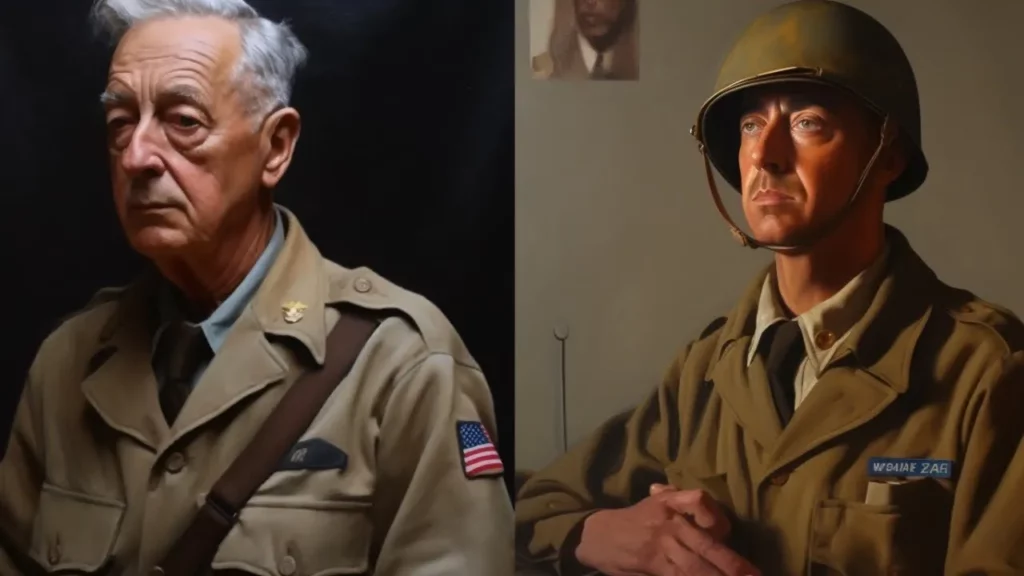
The lesson highlights the remarkable bravery of Francis Sherman Currey, a 19-year-old soldier during the Battle of the Bulge in World War II. Despite facing overwhelming odds, Currey displayed extraordinary courage by disabling multiple German tanks and rescuing wounded soldiers, actions that significantly impacted the battle’s outcome. His heroism earned him prestigious military honors, including the Medal of Honor, and serves as a testament to the valor of unsung heroes in history.
The Gangster Pope | Real Inspiration For The Godfather
The lesson explores the historical inspiration behind “The Godfather,” focusing on the notorious Borgia family and Pope Alexander VI, who exemplified the ruthless pursuit of power during the Renaissance. It details the rise of the Borgias, particularly Rodrigo Borgia’s ascent to the papacy and his children’s ambitious and often violent actions, including Cesare’s military conquests and Lucrezia’s politically motivated marriages. Ultimately, the lesson highlights how the family’s legacy of ambition and intrigue influenced Mario Puzo’s iconic characters.
The Untold Story of The Most Despicable Men
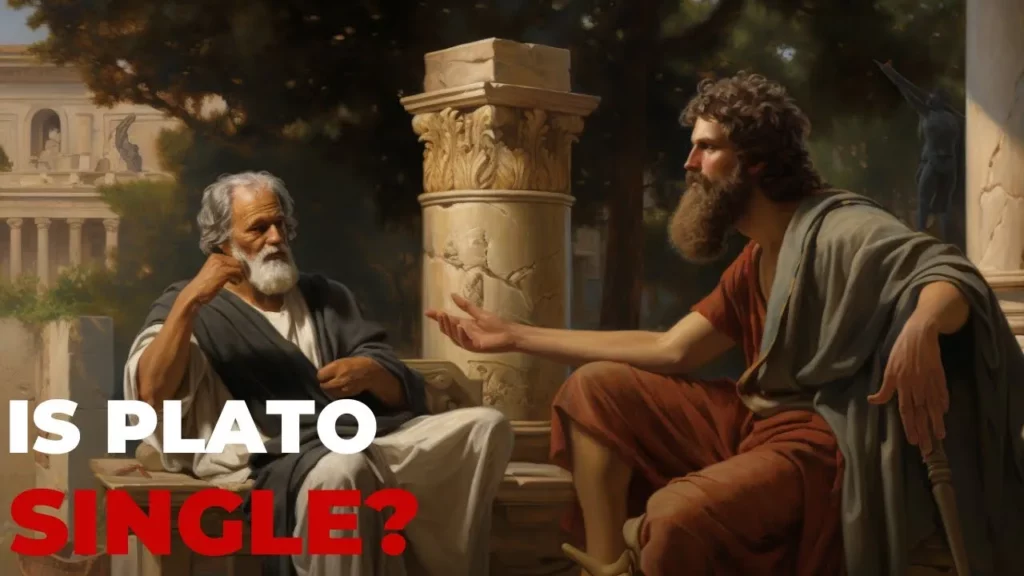
The lesson explores the paradox of charismatic figures throughout history who, despite their charm and persuasive abilities, have caused significant destruction and manipulation. It highlights notable individuals such as Hassan-i Sabbah, Alcibiades, Black Bart, Jonathan Wild, and Mao Zedong, illustrating how their allure often masked their nefarious actions and intentions. The lesson serves as a reminder that appearances can be deceiving, and the most charming individuals may also harbor the darkest motives.
What Drugs Were Like In Ancient Mayan Culture
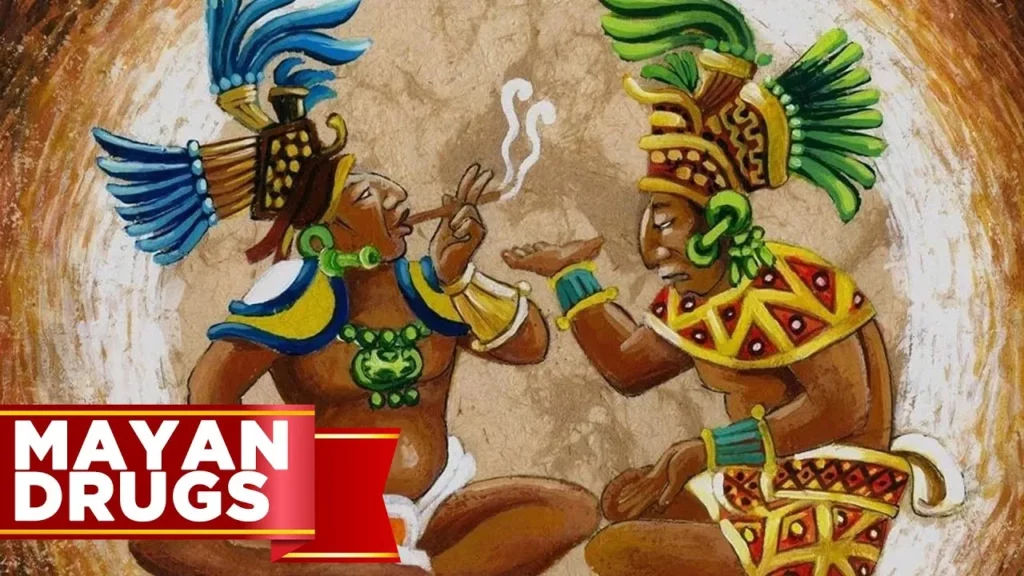
The lesson explores the significant role of psychoactive substances in ancient Mayan culture, highlighting their use in rituals and daily life. The Mayans utilized various hallucinogens, such as psilocybin mushrooms, peyote, and Amanita muscaria, to facilitate spiritual communication and enhance their religious practices. Their innovative approaches to sourcing and combining these substances reflect a deep understanding of both the natural world and the spiritual realm, suggesting a complex relationship with altered states of consciousness.
The Sengoku Era
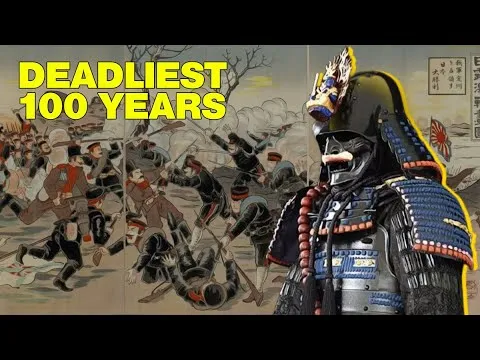
The Sengoku Era, also known as the Warring States period, was a tumultuous time in Japan characterized by over a century of conflict among local leaders called daimyos, following the collapse of the feudal shogunate system. This period saw significant changes, including the introduction of European firearms, which transformed warfare and allowed figures like Oda Nobunaga and Toyotomi Hideyoshi to rise as key unifiers of Japan. Ultimately, the era concluded with Tokugawa Ieyasu establishing the Tokugawa shogunate in 1603, leading to a long period of stability and unity in Japan.
What Hygiene was like in Ancient Greece

The lesson explores hygiene practices in ancient Greece, highlighting that bathing was primarily focused on aesthetics rather than germ elimination, as the concept of germs was unknown. Greeks used oil mixed with rough materials for cleaning, employed bathhouses for socializing and bathing, and utilized unique methods for oral hygiene, such as cloth-wrapped fingers and natural remedies. Overall, these practices reflect the ancient Greeks’ values of beauty and cleanliness, offering insight into their daily lives.
Insane Stories from Soldiers Who Survived the Vietnam War
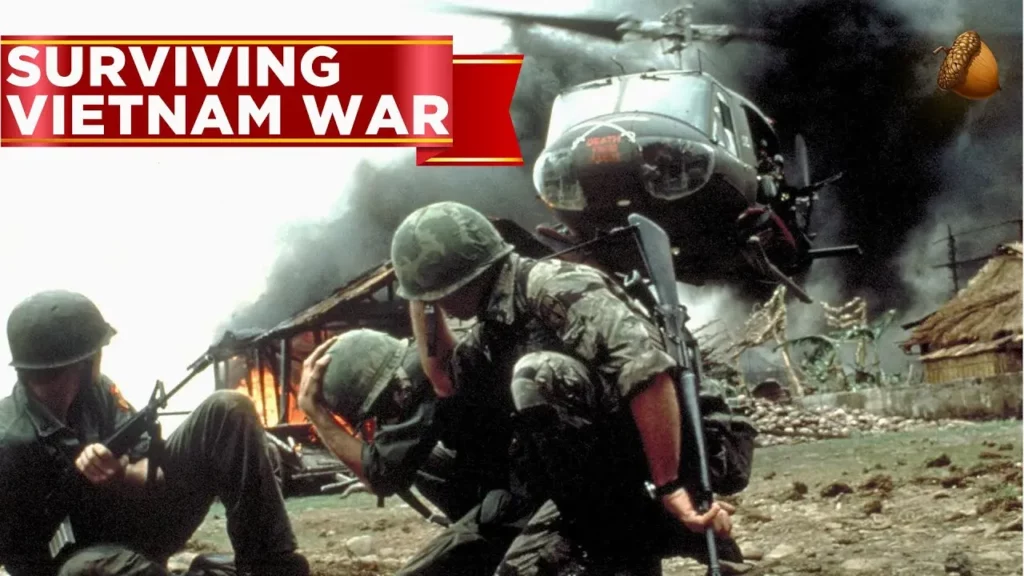
The lesson highlights remarkable survival stories from soldiers who endured the Vietnam War, showcasing their resilience and bravery in the face of extreme adversity. Notable accounts include Bruce DeYoung’s determination to fight despite health issues, Gary Rogers’s courageous actions under fire, and Joseph Talon’s harrowing escape after his plane was shot down. These narratives serve as powerful reminders of the human spirit’s capacity to overcome unimaginable challenges.
Hells Angels: From Veterans to Outlaws
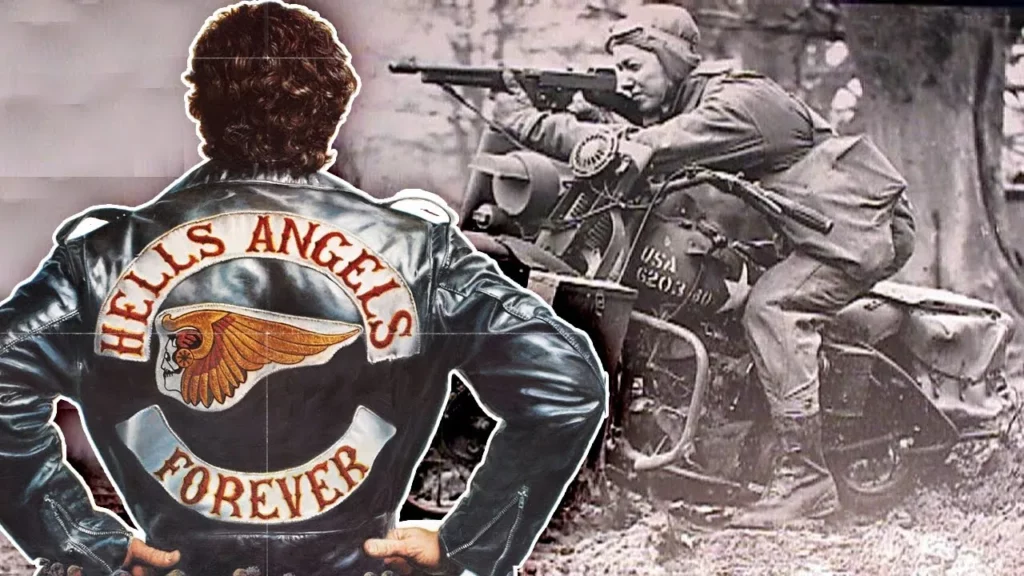
The lesson explores the history and evolution of the Hells Angels Motorcycle Club, tracing its origins back to World War II veterans seeking camaraderie and a sense of belonging through motorcycle riding. Initially formed as a peaceful hobby, the club transformed under the leadership of Sonny Barger into a controversial symbol of rebellion, attracting both admiration and scrutiny through popular culture and media. Despite their troubled legacy, many current members strive to present a more positive image by engaging in charitable activities.