
What Happened to Ancient Egypt after Hatshepsut Stole the Throne
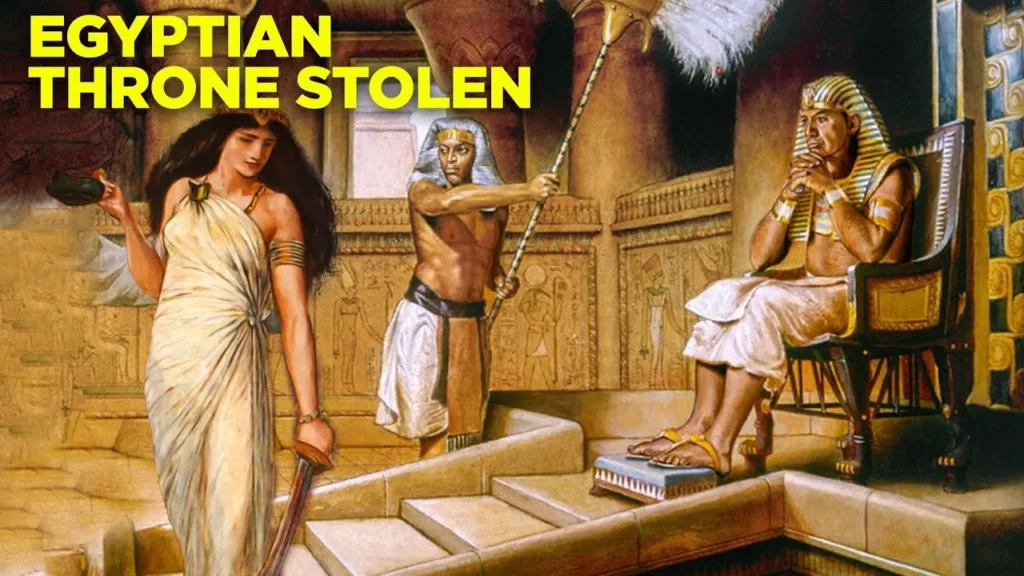
The lesson explores the significant yet often overlooked role of Hatshepsut in ancient Egypt during the 18th Dynasty, particularly after the death of her husband, Thutmose II. Despite the challenges of being a female pharaoh in a male-dominated society, Hatshepsut successfully claimed the throne and ruled effectively, often depicted in male attire to assert her authority. However, following her reign, Thutmose III sought to erase her legacy, leading to a historical narrative that largely omitted her contributions and achievements.
The True Story that Inspired "Queens Gambit"
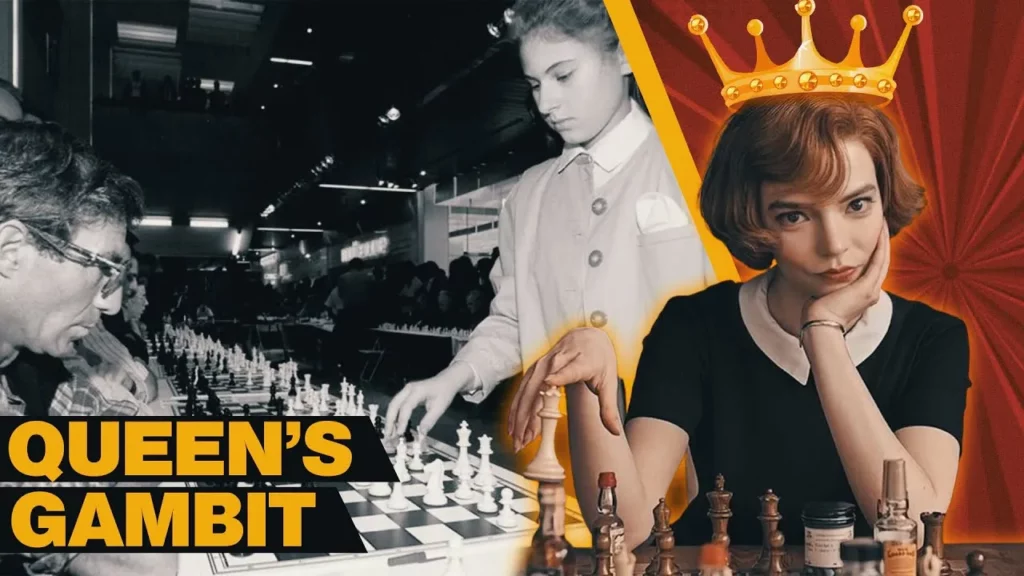
The lesson explores the real-life inspirations behind Netflix’s “Queen’s Gambit,” highlighting the blend of fact and fiction in the portrayal of chess during the Cold War. It discusses the character of Beth Harmon, who is influenced by real chess prodigies like Bobby Fischer and Nona Gaprindashvili, while also examining the cultural significance of chess in the Soviet Union and the intense rivalry between the USA and the USSR. The series captures the political tensions of the era, reflecting how chess became a symbol of national pride and ideological conflict.
Debauchery Things that were “Normal” for Madame de Pompadour
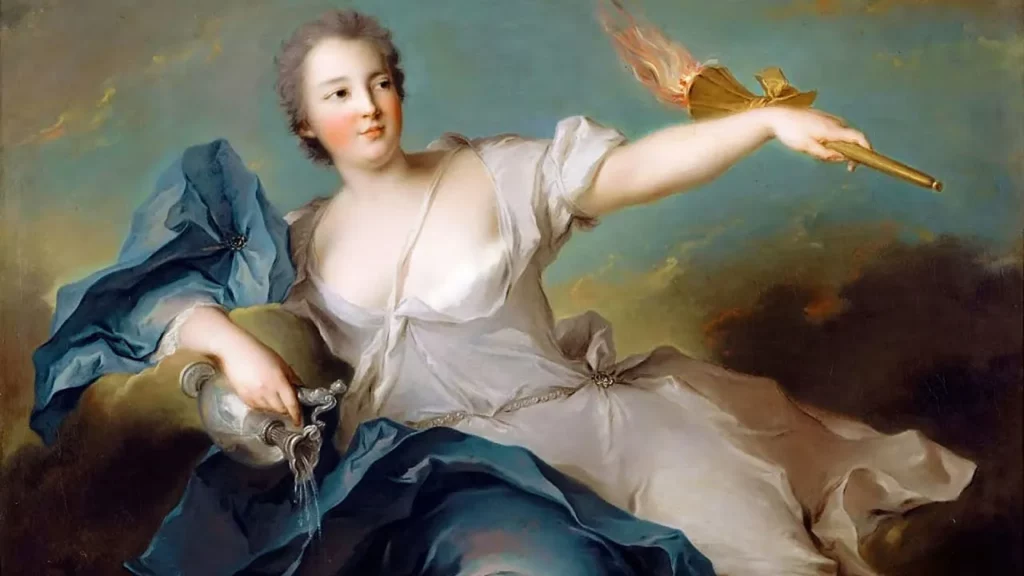
The lesson explores the life of Madame de Pompadour, who rose from modest beginnings to become a powerful and influential mistress of King Louis XV of France. Not only was she admired for her beauty, but her intelligence and charm allowed her to share significant power with the king, despite facing competition and controversy. Her relationship with Louis XV shaped her role in French history, as she navigated court politics and public perception while supporting the king during challenging times.
Dumb Things That Happened Because of Procrastination
The lesson highlights various significant events that occurred due to procrastination, illustrating how delays can lead to unexpected outcomes. From the accidental invention of potato chips to the French Revolution and the Great Boston Molasses Flood, the examples demonstrate that procrastination can have far-reaching consequences, sometimes resulting in historical upheaval or disaster. Ultimately, the lesson serves as a reminder of the importance of timely action in both personal and societal contexts.
Why Did the Mongols Perish
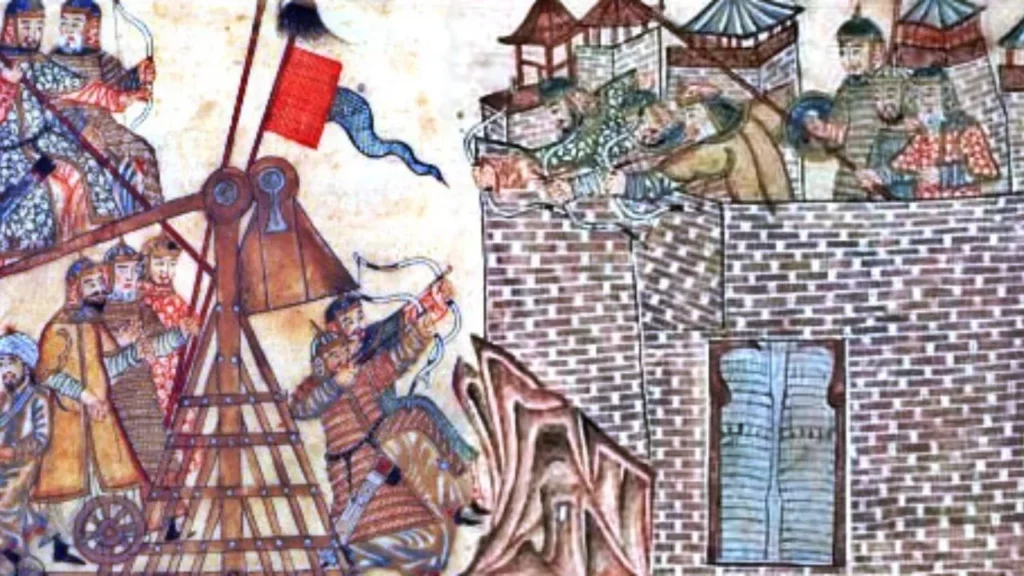
The lesson explores the rise and fall of the Mongol Empire, highlighting how its vast expansion under Genghis Khan led to internal conflicts, economic challenges, and cultural tensions that ultimately contributed to its decline. After Genghis Khan’s death, the empire fractured into competing khanates, each struggling with governance and identity, while external factors like natural disasters and the Black Death further weakened their hold. Despite its downfall, the Mongol Empire left a significant legacy in fostering trade, cultural exchange, and meritocracy that influenced future civilizations.
Weird Foods Versaille's Upper Class Ate That'll RUIN Your Appetite
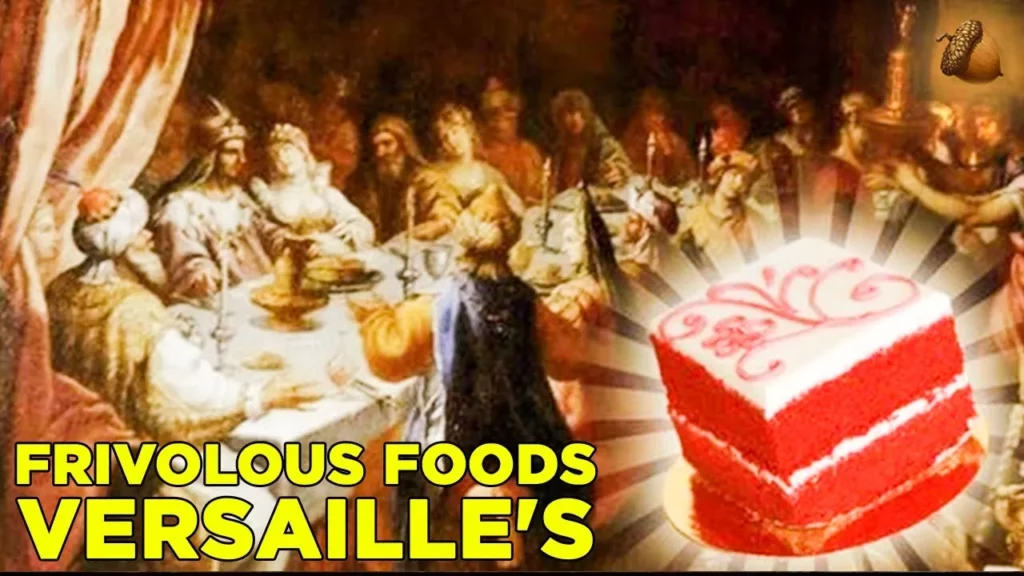
The lesson explores the extravagant dining habits of the French nobility during the reign of King Louis XIV and beyond, highlighting the stark contrast between their lavish feasts and the struggles of the common people. It details the grand dining events, the introduction of luxury ingredients like truffles, and the evolution of desserts under royal influence, including the popularization of chocolate and champagne. Ultimately, the lesson illustrates how these culinary practices shaped modern French cuisine while providing a glimpse into the opulent lifestyle of the upper class.
What Eating Disorders were Like
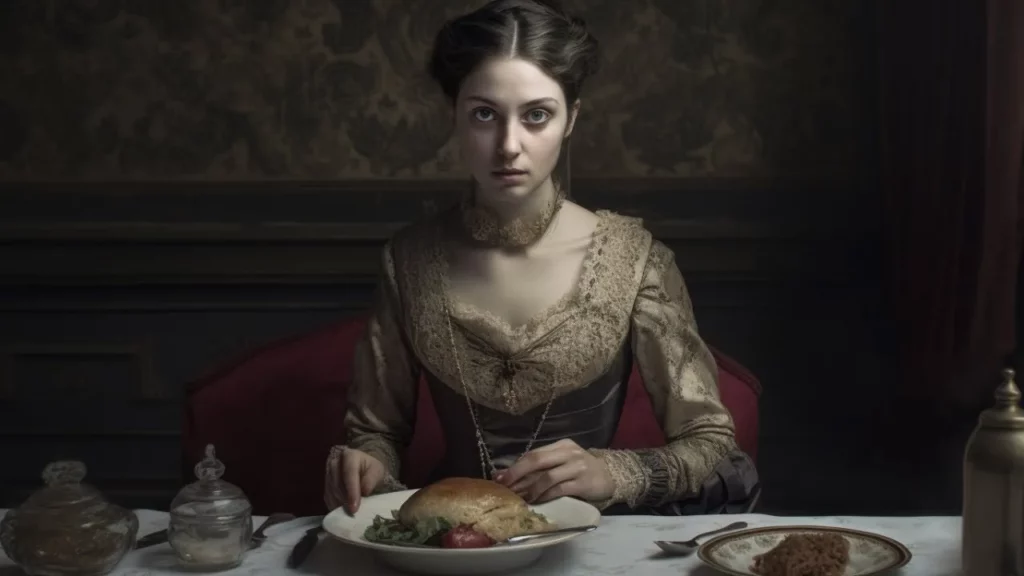
The lesson explores the historical context of eating disorders, tracing their roots from ancient practices and beliefs to modern awareness. It highlights how societal pressures, cultural influences, and notable historical figures have shaped the understanding and prevalence of these disorders over time. By examining various cultures and eras, the lesson emphasizes the importance of addressing eating disorders and promoting healthier attitudes toward food and body image.
When did people start taking Drugs?
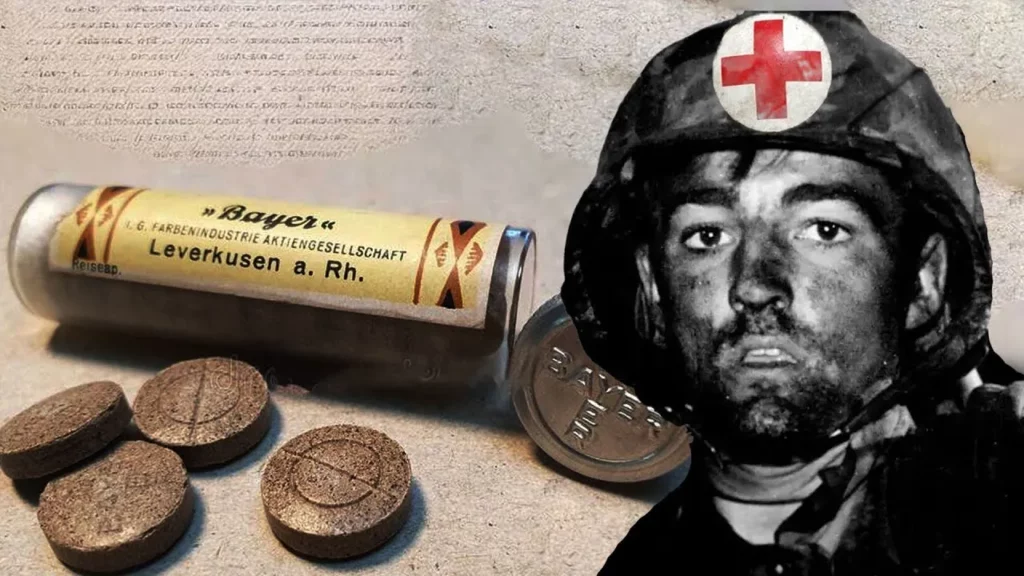
The lesson explores the extensive history of drug use, tracing its origins back over 10,000 years when early humans discovered the psychoactive properties of various plants. It highlights the roles of drugs in ancient civilizations for medicinal, recreational, and spiritual purposes, and discusses the evolution of drug regulation and understanding in the modern era. Ultimately, the lesson emphasizes the importance of balancing the benefits and risks of drug use while acknowledging its significant impact on culture and society throughout history.
Weird Things You Didn't Know about Napoleon Bonaparte
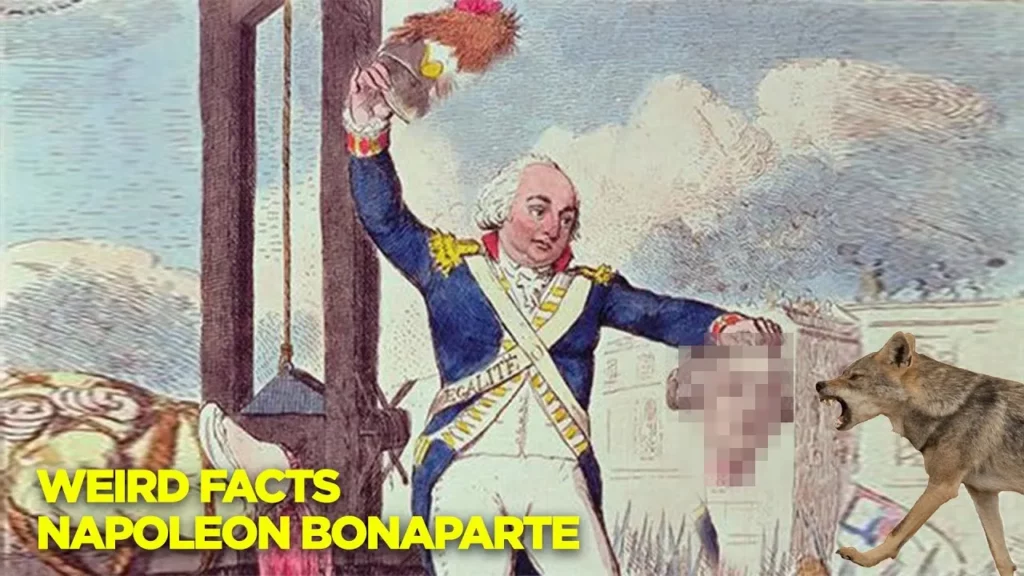
This lesson explores the intriguing and lesser-known aspects of Napoleon Bonaparte’s life, highlighting his early years in Corsica, his evolving political views, and his complex relationships, particularly with his wife Josephine and the Pope. It also draws parallels between Napoleon and Adolf Hitler, particularly regarding their failed Russian campaigns, while revealing Napoleon’s quirky habits and softer side. Overall, the lesson presents a multifaceted view of a historical figure often defined solely by his military conquests.
WEIRD Things You Did Not Know about Charles VI of France
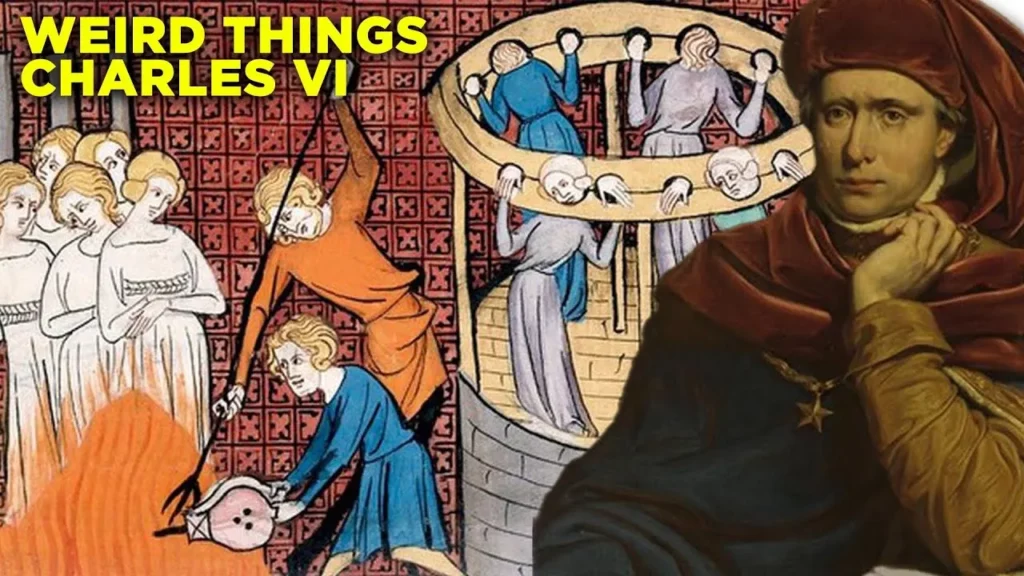
The lesson explores the tumultuous life of Charles VI of France, who transitioned from being celebrated as “Charles the Beloved” to being known as “Charles the Mad.” Born during the Hundred Years’ War, he faced significant challenges, including a regency marked by corruption and his own struggles with mental illness, which culminated in bizarre behaviors and poor leadership decisions. His reign ultimately led to a divided France and significant losses to England, illustrating the complexities and vulnerabilities of royal power.