
How Harvard created the Unabomber
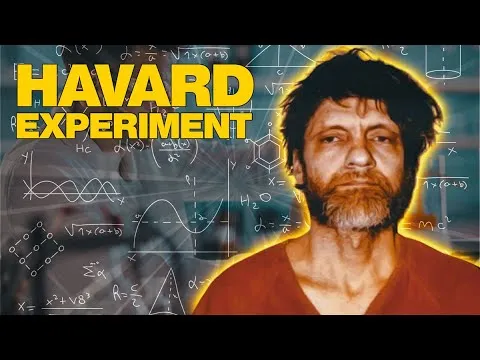
The lesson explores the controversial Harvard Experiment conducted from 1959 to 1962, where students were subjected to intense psychological interrogations designed to challenge their beliefs, led by psychologist Henry Murray. The study’s ethically questionable methods and the long-term psychological impact on participants, particularly Ted Kaczynski—who later became the Unabomber—raise significant concerns about the ethics of psychological research and its potential consequences. The lesson also hints at connections between the experiment and CIA interrogation techniques, suggesting a broader context of psychological manipulation during the Cold War.
How Francis Drake Sailed Around The World
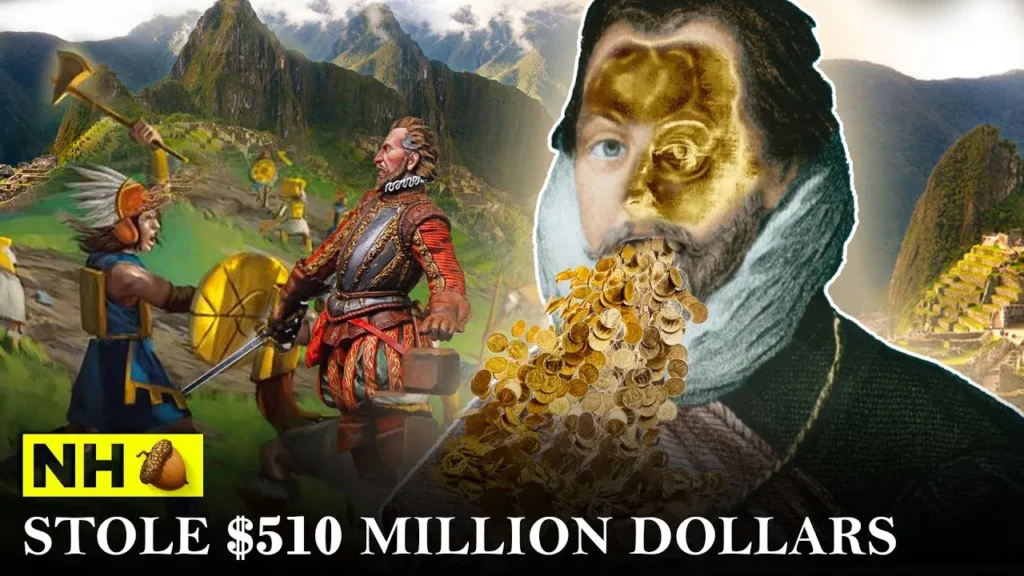
The lesson explores the adventurous life of Sir Francis Drake, an English privateer known for his raids against Spanish ships and settlements in the late 16th century. It highlights his early involvement in the slave trade, his successful attacks in Panama, particularly the raid on Nombre de Dios, and his eventual achievement of becoming the first Englishman to sail around the world, all while navigating the tensions between England and Spain. Drake’s legacy is marked by his wealth accumulation and the mysteries surrounding his final resting place after his death from dysentery in 1596.
50 Trillion Dollars Treasure was Found Beneath Antarctica

The lesson discusses the discovery of significant mineral wealth beneath Antarctica, including a recent finding of oil valued at $50 trillion, and the implications this has for the region’s future. It highlights the Antarctic Treaty, which currently protects the continent from exploitation for peaceful and scientific purposes, but faces challenges from geopolitical interests and potential changes to mining regulations. As nations consider the balance between resource extraction and environmental preservation, the future of Antarctica remains uncertain and contentious.
Weird Things You Did Not Know about Alexander The Great
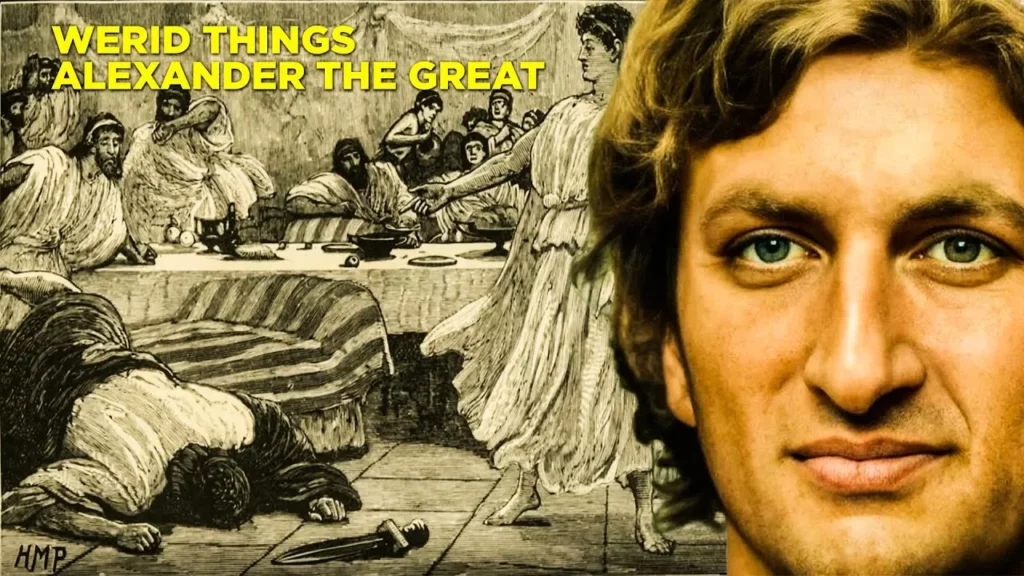
The lesson explores the multifaceted life of Alexander the Great, highlighting his ambitious military conquests and the complex political landscape surrounding his rise to power following his father’s assassination. It delves into his intellectual pursuits, heavy drinking, and reckless behavior, presenting a nuanced view of his legacy that raises questions about whether he was truly a great leader or a flawed individual. Ultimately, the lesson invites reflection on the duality of Alexander’s character and the impact of his actions on history.
Why Ancient Greece Didn’t Like Ugly Men
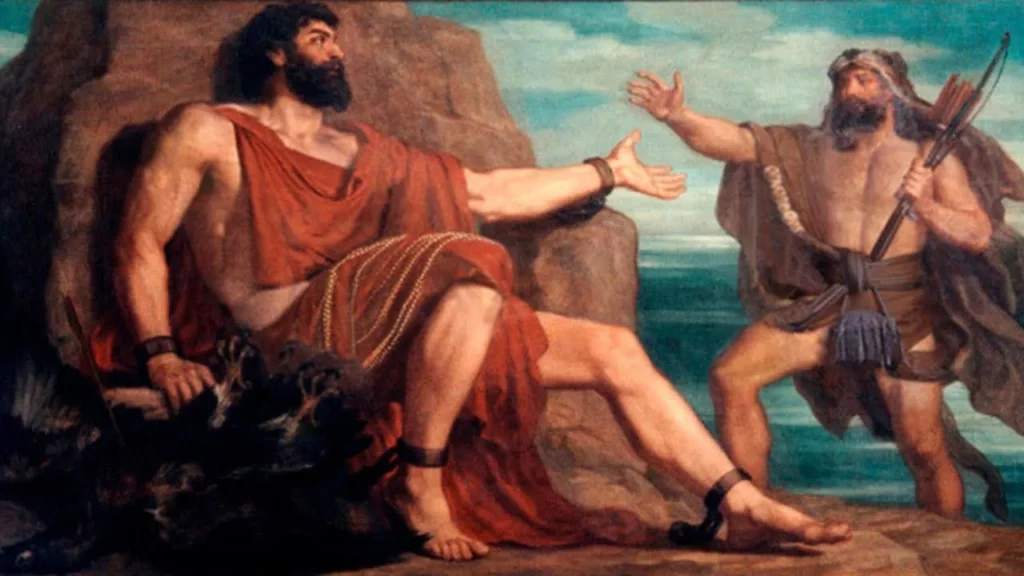
In ancient Greece, beauty was highly valued and intertwined with moral character, encapsulated in the concept of “kalos kagathos,” which emphasized the harmony between physical appearance and virtue. Philosophers like Socrates and Plato contributed to the discourse on beauty, suggesting that true beauty stemmed from self-improvement and a connection to a higher ideal. The Greeks’ standards of beauty influenced various aspects of their culture, from athletic training in gymnasiums to the portrayal of gods and notable figures, highlighting a societal preference for moderation and balance in physical attributes.
The Forgotten Seven Wonders of the World
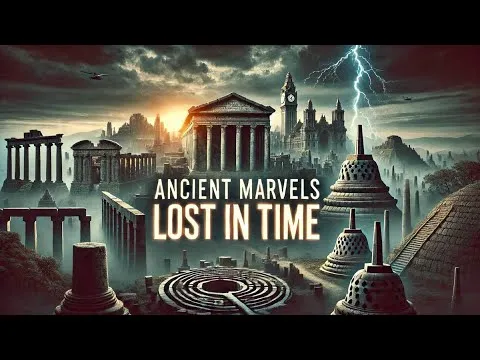
The lesson explores the lesser-known wonders of the world, highlighting remarkable structures that have faded from mainstream recognition yet hold significant historical and cultural value. From the grandeur of Persepolis and the ritualistic Altar of Horns on Delos to the architectural marvels of Tiwanaku and Borobudur, each site reflects the unique achievements and stories of the civilizations that created them. These forgotten wonders serve as a reminder of humanity’s rich history and the lasting impact of ancient cultures.
Greatest Lies Ever Told
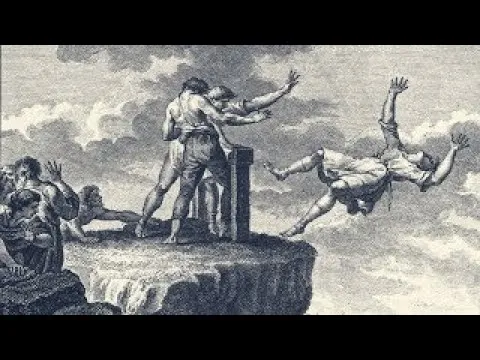
The lesson “Greatest Lies Ever Told” explores the misconceptions and exaggerations surrounding historical military events and figures, highlighting how biases and misinformation have shaped our understanding of history. It debunks popular myths about the Spartans, the Roman Empire, World War II, and the Mongol Empire, emphasizing that many widely accepted narratives are either distorted or entirely fabricated. By examining these inaccuracies, the lesson encourages a more nuanced view of historical events and the importance of questioning commonly held beliefs.
Why Love and Marriage in Ancient Rome was Weird
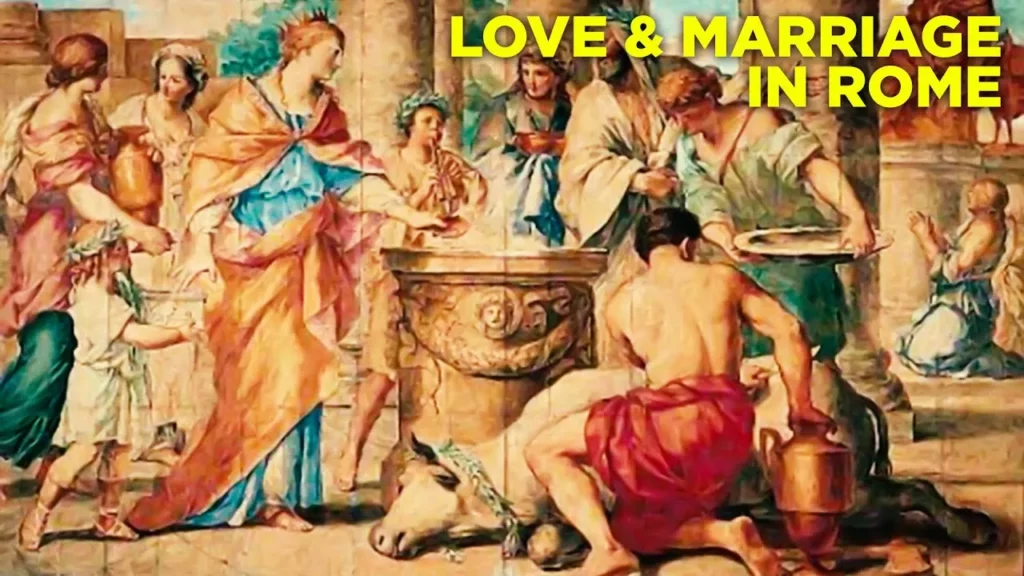
The lesson explores the complexities of love and marriage in ancient Rome, highlighting the significant gender inequalities and societal norms that shaped relationships. While some individuals married for love, most unions were arranged to serve family interests, with men enjoying greater freedom and women facing strict expectations regarding chastity. The lesson also touches on the various types of marriages, the wedding ceremony, and the progressive nature of divorce in Roman society, drawing connections to modern practices and ongoing patriarchal traditions.
The Untold Story of The Soviet Union’s Rasputin
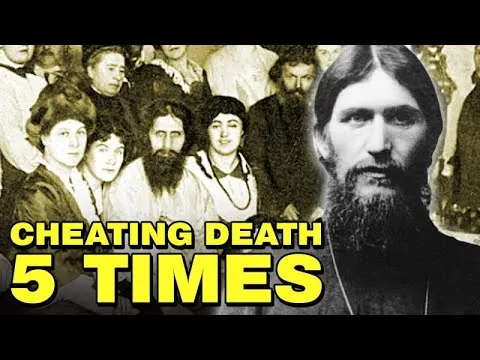
The lesson explores the enigmatic life and influence of Gregory Rasputin, a mystic and monk who became a close advisor to the last Russian emperor, Nicholas II. Despite surviving multiple assassination attempts, Rasputin’s controversial presence contributed to the growing discontent with the monarchy, ultimately leading to the downfall of the tsarist government. His dramatic and mysterious death continues to spark debate among historians regarding the nature of his survival and the impact of his actions on Russian history.
Worst Punishments Throughout Human History
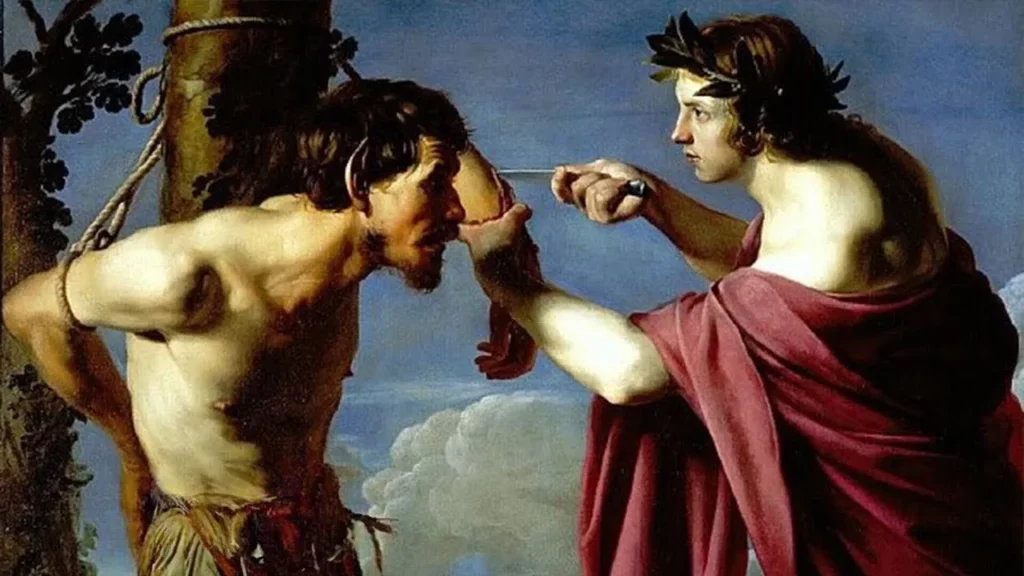
The lesson explores the evolution of punishment throughout human history, highlighting various methods such as public humiliation, branding, exile, and execution. It emphasizes how these punishments reflected societal norms and were often intended to deter crime or exert control, while also serving as public spectacles. By examining these historical practices, the lesson underscores the progress made in modern legal systems towards more humane and rehabilitative approaches to justice.