
What Happened Immediately After the Portuguese Traveled to Japan
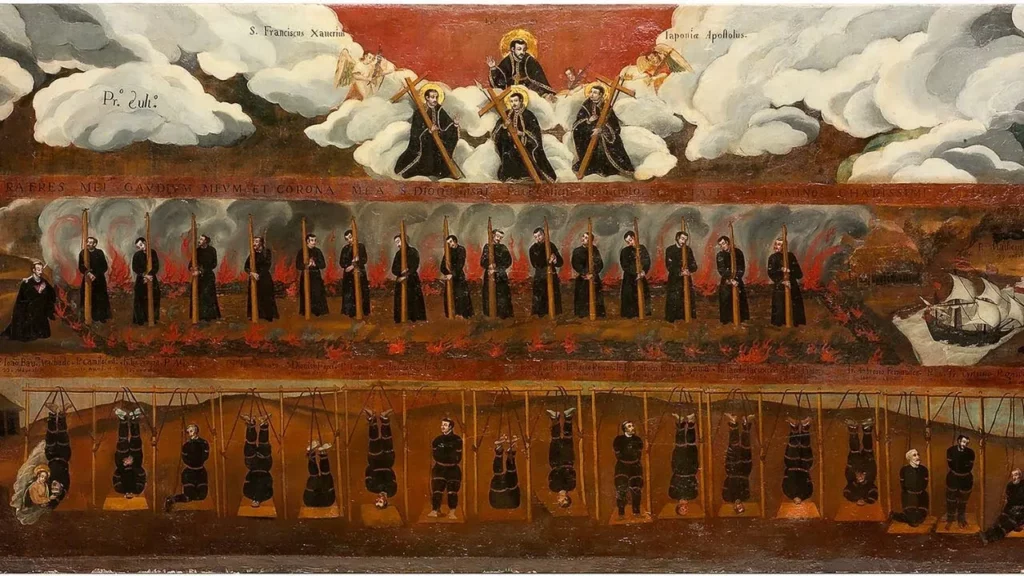
The lesson explores the significant impact of the Portuguese arrival in Japan in 1543, highlighting their introduction of muskets, which transformed Japanese warfare, and Christianity, which initially gained traction but faced severe backlash from Japanese leaders. It also addresses the darker aspects of the Nanban trade, including the involvement in the slave trade and the complex relationship between the Jesuits and the local population. Ultimately, the Portuguese influence waned as Japan became increasingly isolated, leading to the emergence of “Hidden Christians” who practiced their faith in secrecy for over two centuries.
The Marshal of the Wild West
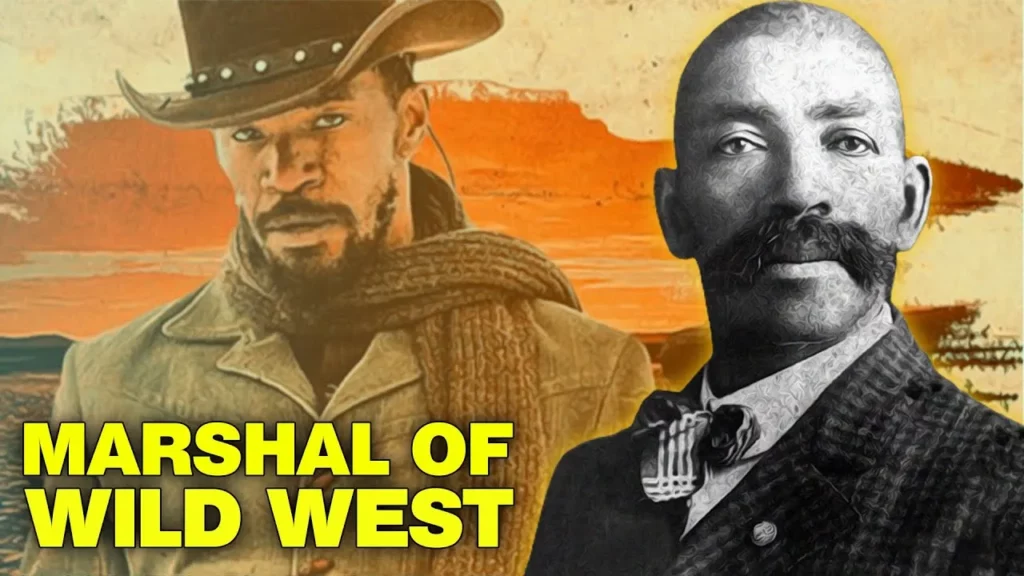
The lesson explores the connections between Quentin Tarantino’s “Django Unchained” and real-life Black heroes of the Wild West, particularly focusing on Bass Reeves, the first Black deputy marshal. It highlights Reeves’ remarkable journey from slavery to becoming a legendary lawman, drawing parallels between his life and Django’s character in the film. Additionally, the lesson acknowledges the contributions of other African American cowboys, emphasizing the often-overlooked role of Black individuals in shaping the history of the American West.
WEIRD Things you Did Not Know about Henry VIII
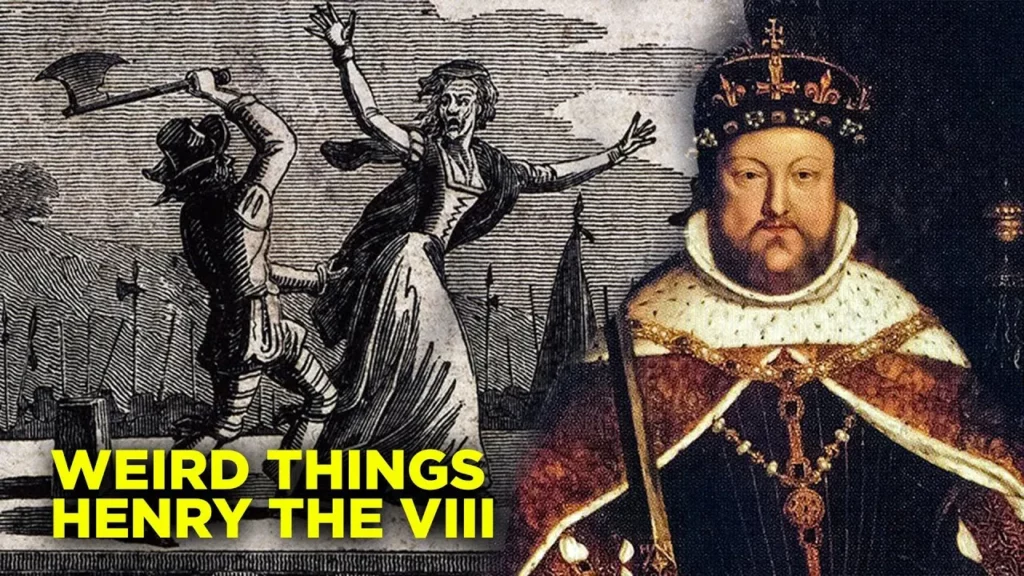
The lesson explores the complex and often troubling life of Henry VIII, highlighting his notorious relationships with his wives, extravagant spending habits, and the climate of fear during his reign. Initially a supporter of the Catholic Church, his desire for a male heir led him to break away and establish the Church of England, which had significant religious and political implications. Ultimately, Henry VIII’s legacy is marked by his tumultuous personal life, marked by executions and a quest for power, serving as a cautionary tale about the darker sides of authority.
The Untold Story of "Mr. Untouchable" Nicky Barnes King of New York
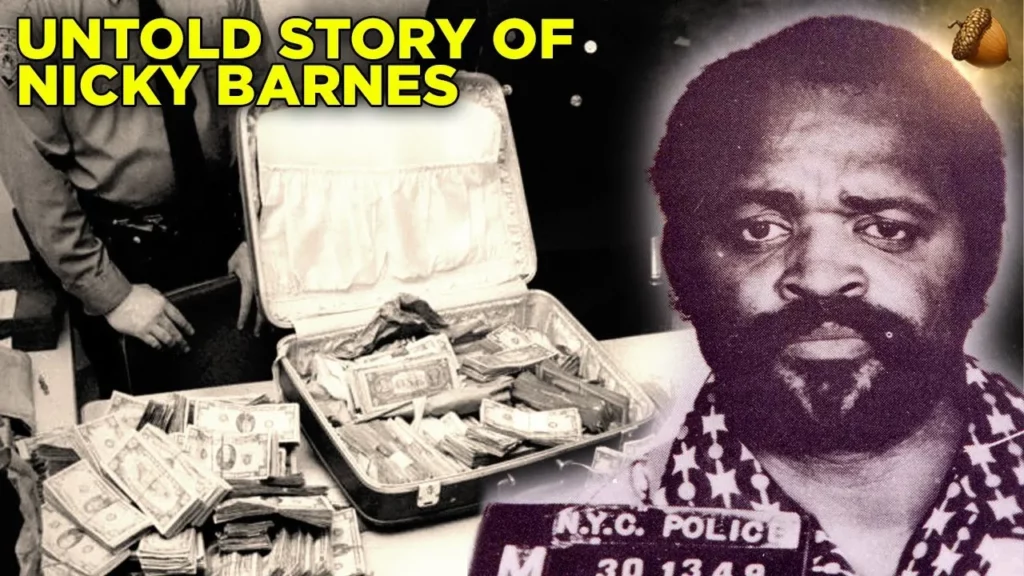
The lesson explores the life of Nicky Barnes, a notorious drug trafficker in Harlem, detailing his rise to power, legal troubles, and eventual transformation. Born into a challenging environment, Barnes became a significant figure in the drug trade, known for his extravagant lifestyle and connections to organized crime. Ultimately, his decision to testify against former associates led to his entry into witness protection, where he reflected on his past and the impact of his actions on the community before passing away in 2012.
How Hitler Survived 44 Assassination Attempts
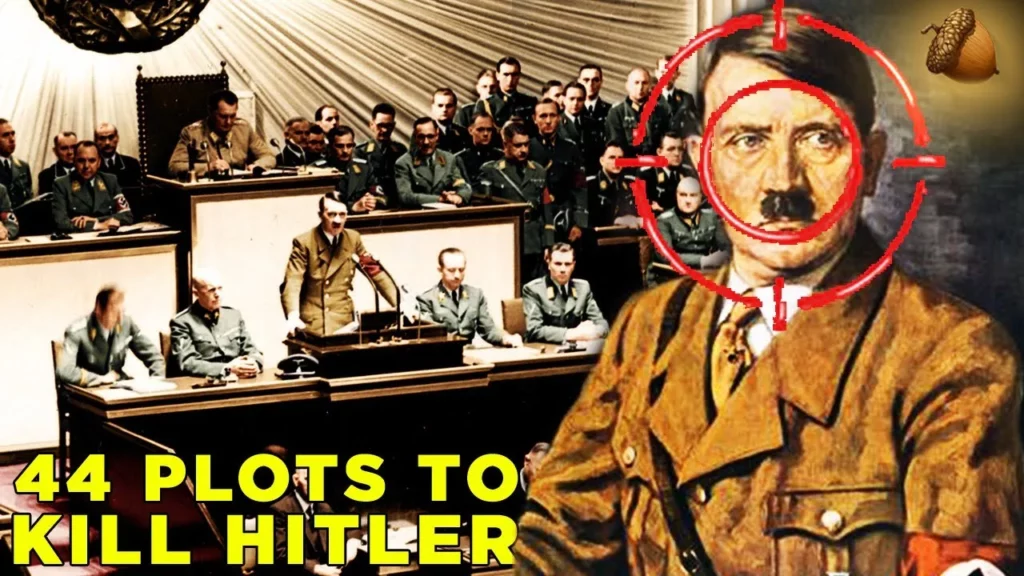
The lesson explores the numerous assassination attempts on Adolf Hitler, highlighting over 40 failed plots against him from 1921 to 1944. Despite various methods, including shootings, bombings, and poisoning attempts, Hitler’s survival can be attributed to a combination of luck, missed opportunities, and the failure of conspirators to execute their plans effectively. The lesson concludes by inviting reflection on how history might have changed had any of these attempts succeeded.
CREEPY Things that were “Normal” in The Middle Ages
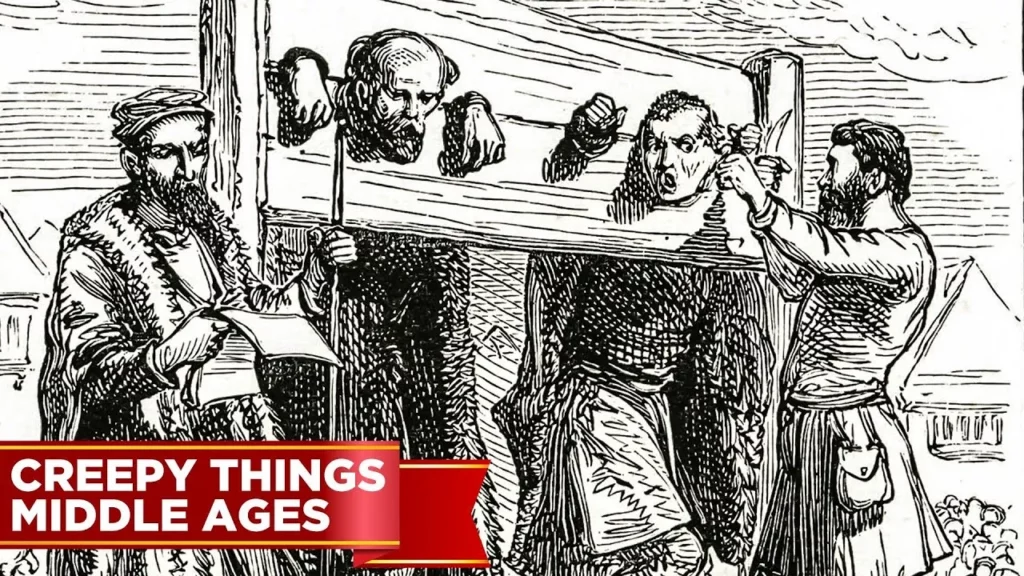
The lesson explores the bizarre and often unsettling customs of the Middle Ages, highlighting the strange legal practices, such as trial by combat and animal trials, as well as the fear-driven witch hunts that characterized the period. It also touches on the hardships faced by people, including wars, famines, and even cannibalism during desperate times, illustrating how these eerie practices were considered normal in a challenging historical context. Overall, the lesson invites reflection on the peculiarities of medieval life and encourages sharing additional unusual customs from that era.
Weird Things You Didn't Know about Vlad the Impaler
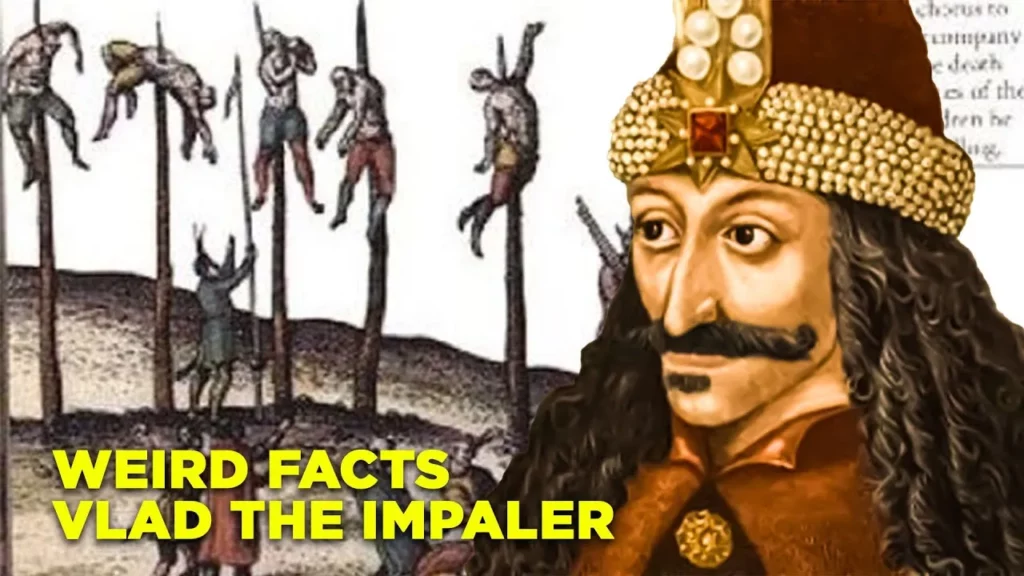
The lesson explores the life of Vlad the Impaler, a 15th-century prince whose brutal methods of ruling and punishing enemies inspired the legend of Dracula. Born into a noble family, Vlad’s reign was marked by violence and strict laws, leading to his reputation as a national hero in Romania despite his estimated responsibility for the deaths of over 100,000 people. His legacy continues to influence stories and popular culture surrounding vampires and monsters.
What Fast Food Was Like in Ancient Rome
The lesson explores the concept of fast food in ancient Rome, highlighting how the vast Roman Empire managed to feed its population through various food establishments. Romans frequented tabernae for quick meals and popinae for affordable wine and simple dishes, reflecting a culture of convenience similar to modern fast food. The lesson emphasizes the continuity of eating habits across time, illustrating that even the wealthy sometimes opted for quick meals, connecting our contemporary dining experiences with those of ancient Romans.
Dumbest Mistakes People Made

The lesson explores significant historical mistakes that have had lasting impacts, illustrating how errors can shape events and societies. Notable examples include the 1814 London Beer Flood, which resulted in tragic loss of life and chaos; the Sykes-Picot Agreement of 1916, which sowed discord in the Middle East; and the Partition of India in 1947, which led to widespread violence and displacement. Additionally, it highlights the harmful effects of leaded gasoline introduced in the 1920s and military blunders like the Gallipoli Campaign and the Battle of Karansseus, emphasizing the importance of learning from past errors.
What Life Was Like for Neanderthals

The lesson explores the life and characteristics of Neanderthals, our close relatives who lived in Europe and Western Asia during the Ice Age. It highlights their social structures, diverse diet—including significant seafood consumption—advanced hunting and tool-making skills, and potential for complex communication. The lesson also discusses their eventual extinction around 40,000 years ago, possibly due to competition with Homo sapiens, while noting that many modern humans carry Neanderthal genes, reflecting their lasting legacy in our genetic makeup.