
What Happened to Japan when Russia Arrived
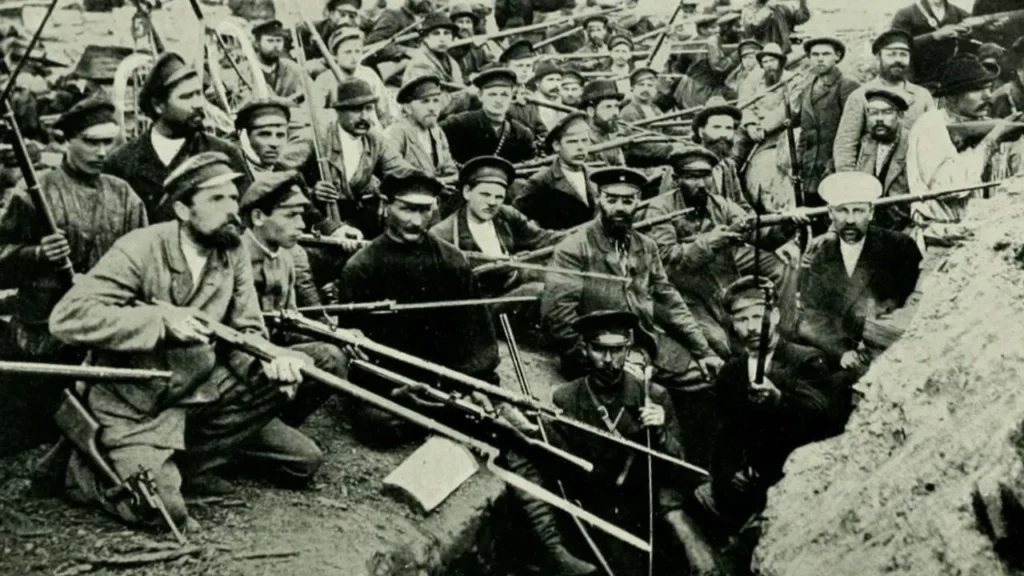
The lesson outlines the conflict between Japan and Russia in the early 20th century, highlighting Japan’s rapid modernization during the Meiji Restoration and its ambitions in Korea and Manchuria, which clashed with Russia’s expansionist goals. The tension escalated into the Russo-Japanese War, marked by Japan’s surprise attack on Port Arthur and subsequent victories, including the decisive Battle of Tsushima, ultimately leading to Japan’s emergence as a significant power in East Asia and altering the balance of power in the region.
Why you wouldn't SURVIVE as a Samurai
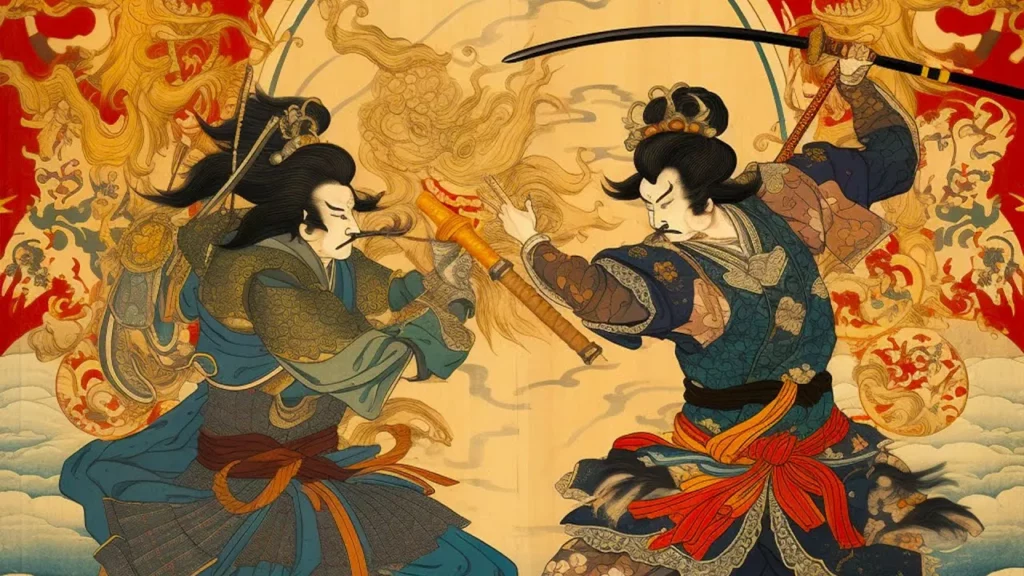
The lesson explores the reality of samurai life in feudal Japan, contrasting the romanticized image often portrayed in popular culture. While samurais are celebrated as noble warriors, the truth reveals their lives were fraught with danger, challenges, and societal pressures, including the harsh expectations of loyalty and honor that sometimes led to tragic outcomes. Ultimately, the decline of the samurai class illustrates the complexities of their existence and the evolution of their role in Japanese society.
Creepy Things That Were Normal in Elizabethan England
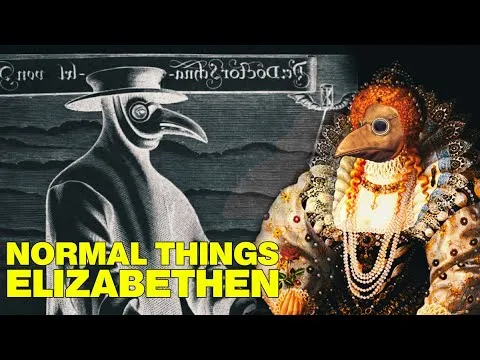
The lesson explores the peculiar and often unsettling customs of Elizabethan England, highlighting the contrast between its artistic achievements and bizarre societal practices. It discusses the era’s fascination with sugary treats leading to dental decay, the misguided beliefs surrounding disease and witch hunts, and the strange legal practices like trial by ordeal. Ultimately, it reflects on how the Elizabethan era was marked by both innovation and superstition, suggesting that future generations may find today’s norms equally strange.
Filthy Secrets of the Scariest Women Throughout History
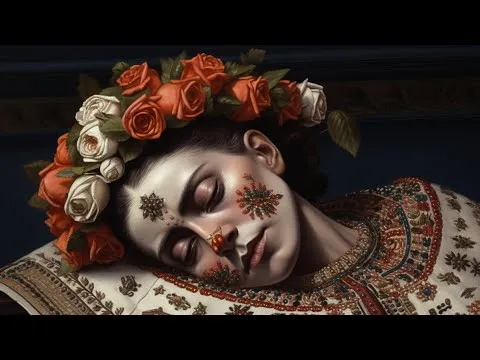
The lesson explores the dark and chilling secrets of some of history’s most infamous women, highlighting their ruthless actions and the impact they had on society. From Queen Mary I’s brutal persecution of Protestants to Countess Elizabeth Bathory’s alleged torture of young women, these women used their power and cunning in shocking ways. The lesson serves as a reminder of the complex and often sinister roles women have played throughout history.
The "Filthy" Secrets of Versailles
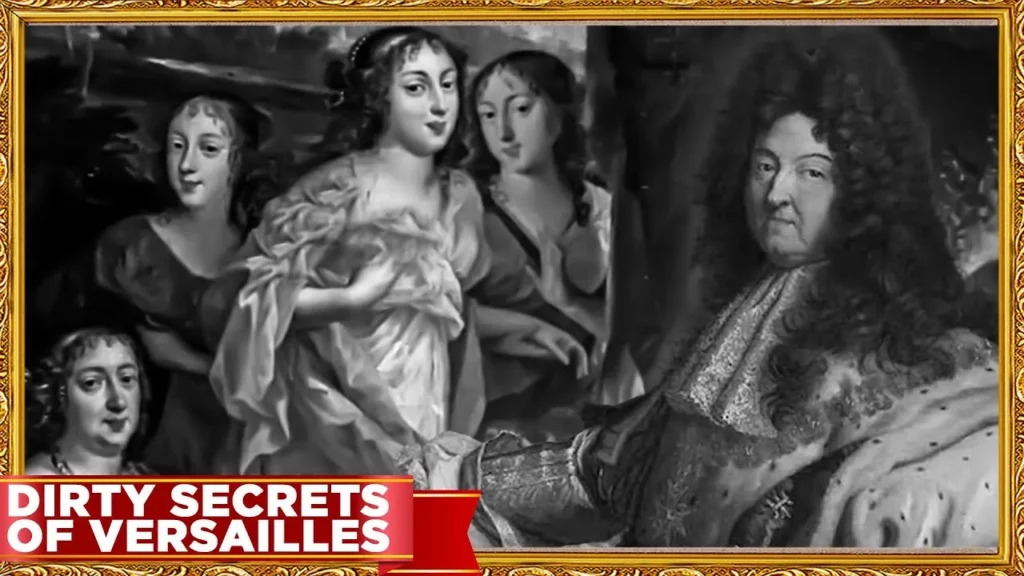
The lesson highlights the stark contrast between the opulence of the Palace of Versailles and the grim realities of its sanitation issues during the reign of King Louis XIV. Despite its grandeur, the palace struggled with poor hygiene practices, as bathing was largely avoided due to misconceptions about health, leading to unsanitary living conditions for both nobles and commoners. Additionally, the presence of animals and inadequate plumbing exacerbated these challenges, revealing that life at Versailles was not as glamorous as it appeared.
What Happened to the Mongols After The Death of Genghis Khan
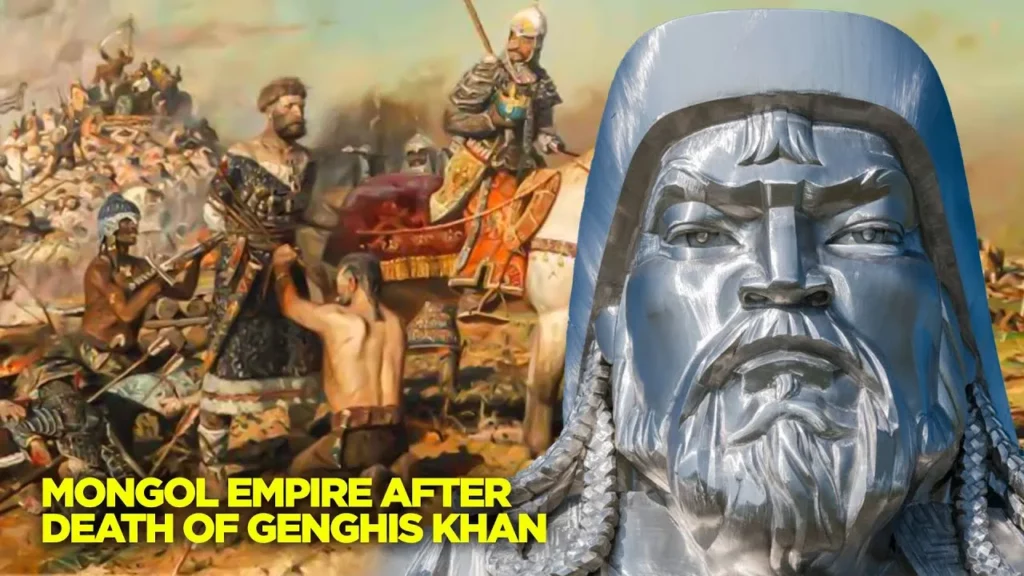
The lesson explores the events following Genghis Khan’s death in 1227, highlighting how his successors, particularly Ögedei Khan, continued to expand the Mongol Empire into Persia, China, and Eastern Europe. Despite initial successes, including the conquest of Russia and parts of Central Europe, the empire faced leadership struggles after Ögedei’s death, leading to its eventual division into four khanates. Ultimately, the Mongol Empire’s legacy is marked by significant cultural and political impacts across Asia and Europe, despite its eventual dissolution.
What Beauty was Like for Vikings
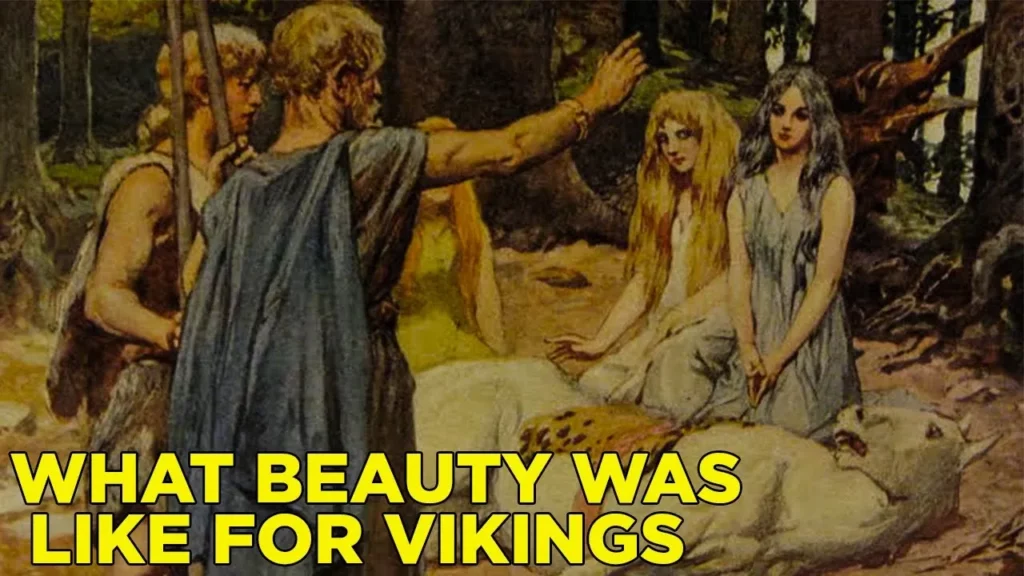
The lesson explores the concept of beauty in Viking culture, highlighting that both men and women valued cleanliness, grooming, and personal appearance. Vikings were known for their meticulous hygiene practices, unique hairstyles, and potential use of tattoos, which reflected their cultural values and social status. This understanding challenges the traditional perception of Vikings as solely fierce warriors, revealing a more nuanced view of their daily lives and aesthetics.
Creepy Things that were “Normal” in North Korea
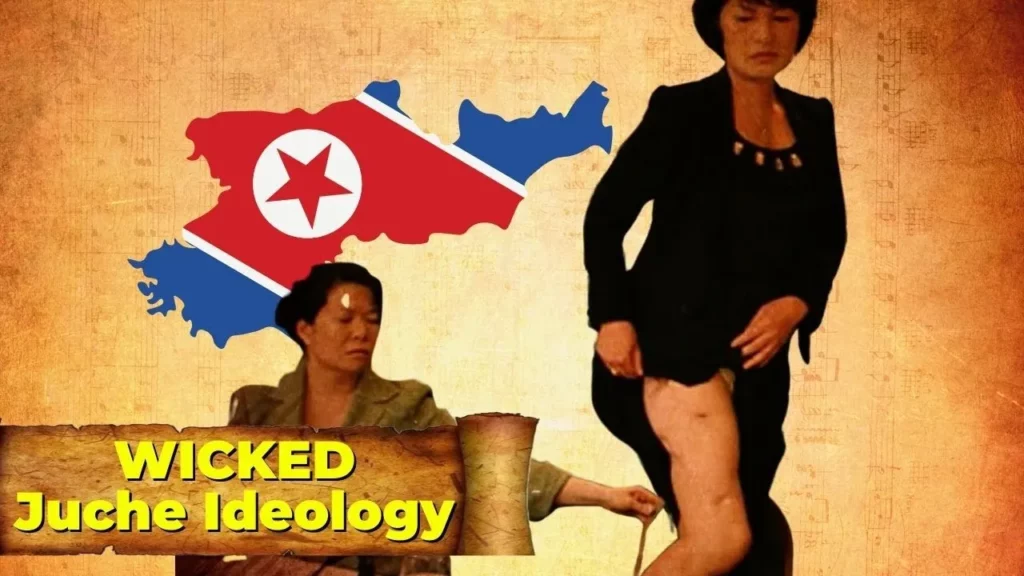
The lesson explores the stark realities of life in North Korea, highlighting the authoritarian control exerted by the government over its citizens, which includes severe punishments for minor infractions and strict regulations on daily life. It discusses the country’s significant economic hardships, including high unemployment rates, widespread poverty, and malnutrition, exacerbated by international sanctions and poor agricultural conditions. Additionally, the lesson emphasizes the regime’s oppressive measures that restrict personal freedoms and access to information, painting a grim picture of life in one of the world’s most secretive nations.
What the History Books Didn’t Tell Us about Ancient Egypt
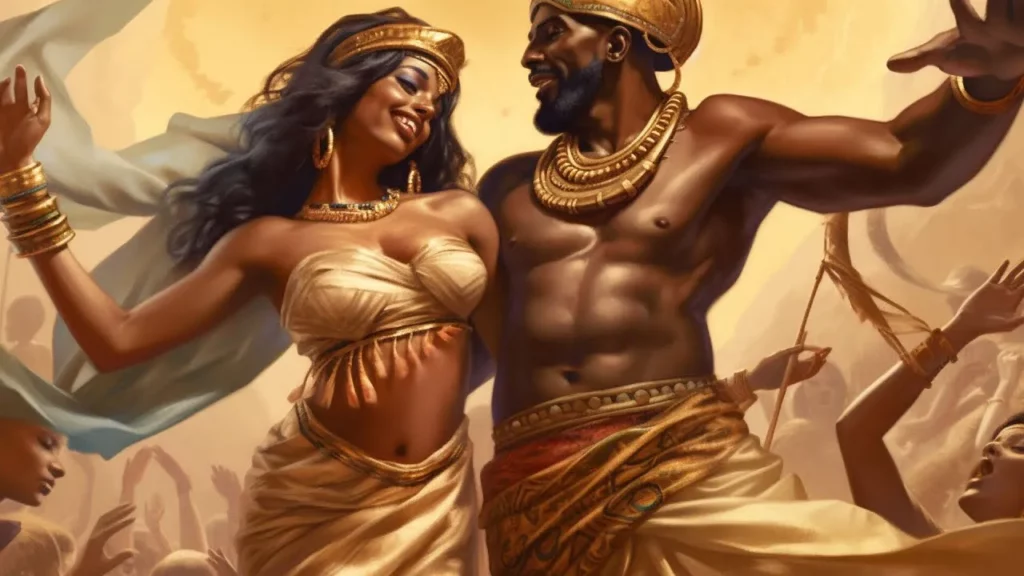
This lesson explores the possibility of ancient contact between civilizations in the Old World, particularly Egypt, and the Americas prior to Columbus’s arrival in 1492. It examines various pieces of evidence, such as ancient footprints in New Mexico, the Fuente Magna Bowl with Sumerian inscriptions near Lake Titicaca, and the unique features of the Olmec heads, while also addressing skepticism surrounding these claims. Ultimately, the lesson encourages open-minded speculation about the complexities of early human history and the potential for undiscovered connections between ancient cultures.
What Hygiene Was Like in Ancient Rome
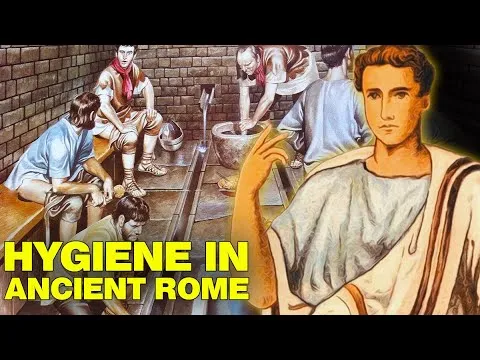
The lesson explores hygiene practices in ancient Rome, highlighting the significance of public baths, the use of olive oil and strigils for cleaning, and the challenges of maintaining cleanliness in a densely populated city. Despite their advanced bathing culture, Romans faced hygiene issues, such as unsanitary water in baths and communal toilet practices that could spread bacteria. Overall, the lesson illustrates how daily life in ancient Rome was shaped by both innovative and problematic approaches to hygiene.