
What did the Victorians Think the Future Would be Like?
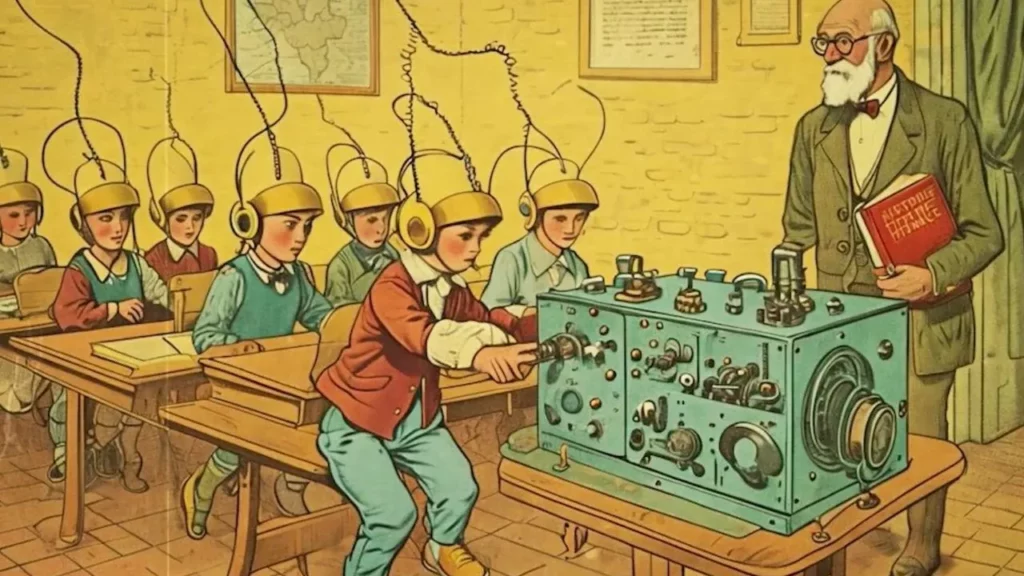
The lesson explores the Victorian era’s imaginative visions of the future, highlighting their excitement about technological advancements during the Industrial Revolution. Through whimsical inventions and satirical artworks, such as the “Inon 2000” postcards and William Heath’s “March of Intellect,” the Victorians envisioned a world where machines served humanity without replacing the human element. Despite their optimism, they also harbored fears about the potential consequences of rapid progress, a duality that resonates with contemporary discussions about technology’s role in society.
WEIRD Things You Did Not Know about Gangs of Medieval England
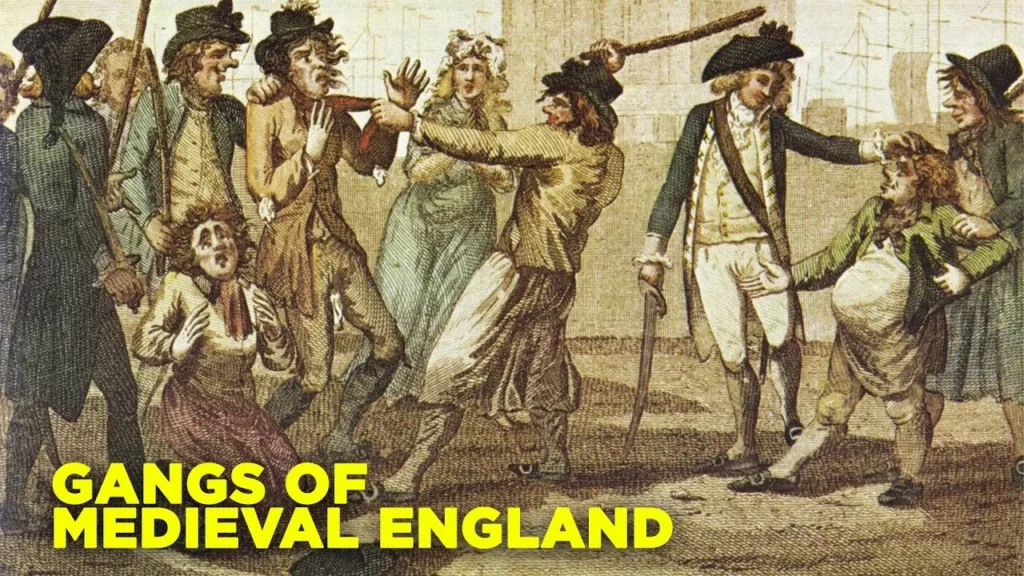
The lesson explores the intriguing history of organized crime in medieval England, highlighting notorious gangs such as the Cotterell and Fallville families that operated outside the law during a time of social unrest in the 14th century. These gangs, often composed of small landowners and church affiliates, engaged in various criminal activities, reflecting a complex relationship between crime and authority, and even inspiring legends like that of Robin Hood. The discussion raises questions about the morality of their actions against corrupt officials and the nature of justice in a lawless society.
What Drugs Were Like In Ancient China
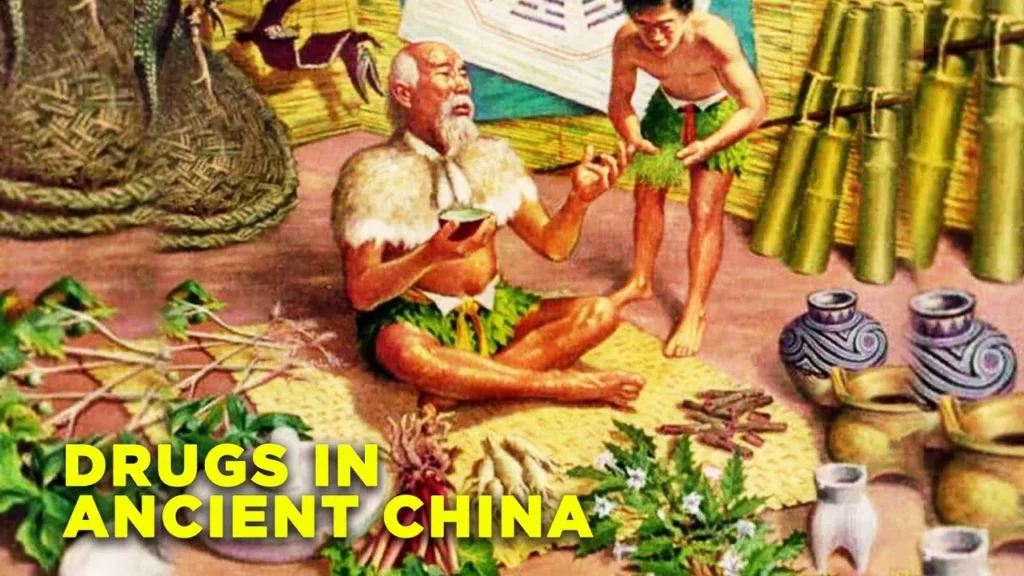
The lesson explores the historical context of drug use in ancient China, highlighting that opium was initially introduced as a medicinal plant rather than a recreational substance. It discusses the evolution of opium’s perception from a health remedy during the Tang and Song dynasties to a recreational drug by the Ming dynasty, alongside the use of cannabis and other substances like the Lingzhi mushroom and Wuxi-san. The lesson encourages reflection on how the introduction of these substances may have influenced China’s history.
“Filthy” Secrets of Ancient Egyptian Pharaohs

The lesson explores the complex and often contradictory nature of ancient Egyptian pharaohs, who were revered as divine rulers yet engaged in practices such as retainer sacrifice and tomb robbing. It highlights the significance of the afterlife in their culture, the elaborate mummification process, and the use of propaganda to maintain their god-like status. Additionally, figures like Cleopatra illustrate the political challenges faced by pharaohs, showcasing their intelligence and strategic maneuvering in a tumultuous environment.
Science Experiments That Failed
The lesson discusses several controversial and unethical scientific experiments throughout history, highlighting the failures and ethical dilemmas faced by scientists. Notable examples include the separation of identical twins and triplets to study nature versus nurture, the debunked theory of spontaneous generation, and the misguided agricultural policies of Trofim Lysenko. These cases illustrate the importance of ethical considerations in scientific research and the potential consequences of flawed methodologies.
Filthy Secrets..Mistresses POV
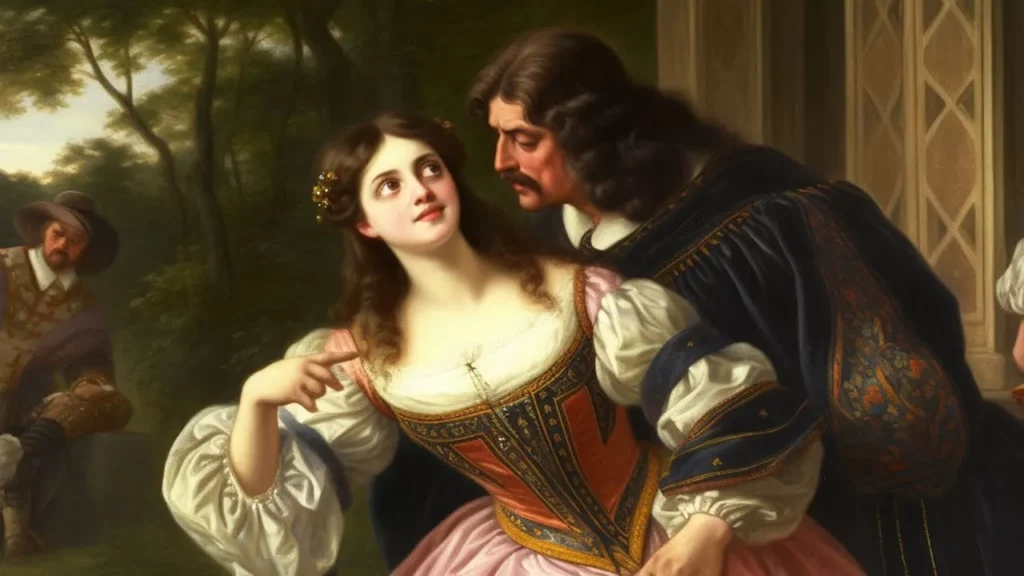
The lesson explores the intriguing dynamics of mistresses in the royal court of Charles II, highlighting the extravagant lifestyle and significant influence these women had on the king and his political decisions. It delves into the backgrounds of notable mistresses like Hortense Mancini, Barbara Palmer, and Louise de Kéroualle, showcasing their intelligence and social prowess in a patriarchal society, while also addressing the rivalries and challenges they faced. Additionally, the lesson touches on the impact of Charles II’s relationships on his queen, Catherine of Braganza, and the cultural contributions she made despite the tumultuous circumstances.
Why Love and Marriage of the Vikings was Weird
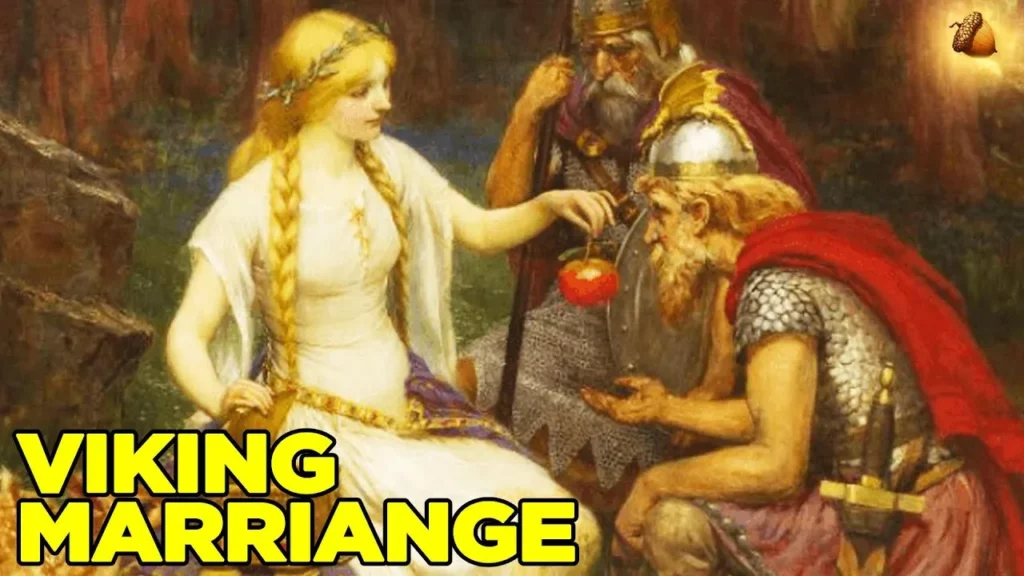
The lesson explores the unique aspects of love and marriage in Viking society, highlighting that marriages were often arranged by families rather than based solely on romantic love. It details the rituals and ceremonies involved in Viking weddings, the roles and rights of women, and the mutual ownership within marriages, emphasizing that while Viking life was demanding, it also included elements of partnership and respect. Additionally, the lesson touches on the evolving societal norms with the arrival of Christianity, which impacted divorce and relationship dynamics.
What Happened After Christopher Columbus Discovered The Americas
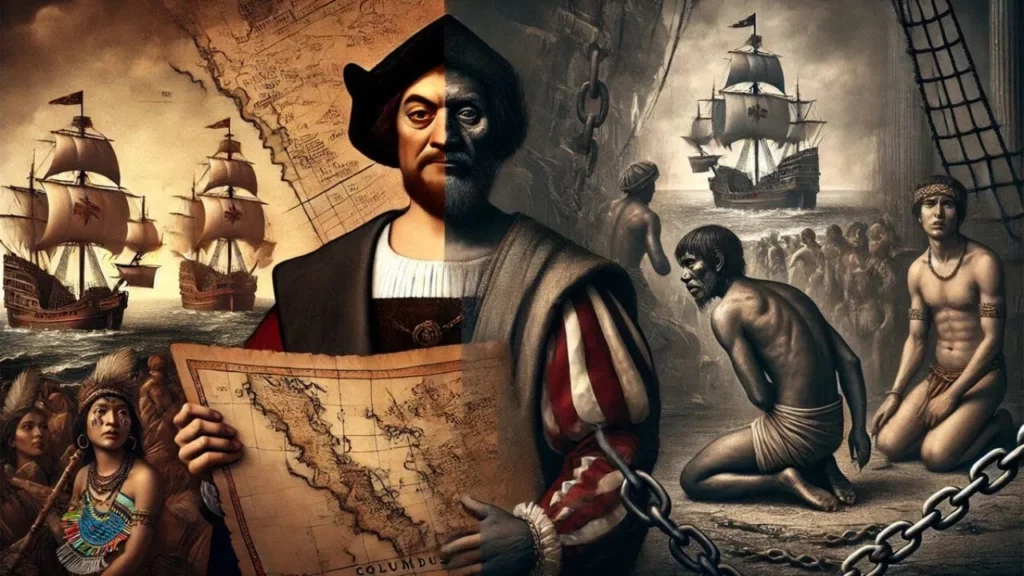
The lesson explores the aftermath of Christopher Columbus’s discovery of the Americas in 1492, highlighting the immediate consequences of his voyages, including the establishment of settlements and the onset of colonization. Columbus’s interactions with indigenous peoples were characterized by misunderstandings and exploitation, leading to a tribute system that resulted in violence and suffering for the Taino population. Ultimately, Columbus’s expeditions initiated the Columbian Exchange, transforming global economies and ecosystems while also leaving a complex legacy of exploration and imperialism.
What Drugs were like Throughout History

The article “The Evolution of Drugs Through History” outlines the significant role drugs have played in shaping societies, tracing their development from ancient herbal remedies to modern pharmaceuticals. It highlights key historical periods, including the reliance on natural substances in ancient times, the advancements made during the Middle Ages and Renaissance, the industrial innovations of the 19th century, and the regulatory frameworks established in the 20th century. The piece concludes by emphasizing the current advancements in biotechnology and personalized medicine, showcasing the ongoing quest for improved health solutions.
What People with Bipolar Disorder Had to Deal With
The lesson explores the historical understanding of bipolar disorder, tracing its recognition from Hippocrates to modern times and highlighting its impact on notable figures such as Jimi Hendrix, Abraham Lincoln, and Virginia Woolf. It emphasizes the connection between mental health and creativity, illustrating how many influential individuals faced bipolar disorder while contributing significantly to society. Ultimately, the lesson underscores the importance of empathy and support for those dealing with mental health challenges today.