
Meet the Math Facts Multiplication & Division – 9 x 10 = 90

In this lesson, students learn about the multiplication fact of 9 x 10, which equals 90, and understand this concept through counting by tens. The lesson emphasizes the efficiency of multiplication as a quicker alternative to repeated addition and encourages practice with other multiplication facts to build mastery. Additionally, it highlights the everyday applications of multiplication, making math both fun and relevant.
Conoce las Letras “O” | Meet the Letters “O” (Spanish)

En esta lección, los niños aprenden sobre la letra “O”, que es redonda y suena como “oh” en español. A través de juegos y actividades, los estudiantes identifican palabras que contienen la letra “O”, como “oso” y “ola”, y practican dibujando la letra. La lección concluye animando a los niños a seguir explorando y practicando palabras con la letra “O”.
Elements Of Narratives: Tone, Mood And Setting

The lesson emphasizes the importance of tone, mood, and setting as essential elements of narratives that enhance reader engagement and understanding. Mood creates the emotional atmosphere of a story, while setting provides context that influences characters’ actions and readers’ interpretations. By recognizing how these elements interact with the plot and characters, readers can gain deeper insights into the narratives they encounter.
The Phases Of The Moon
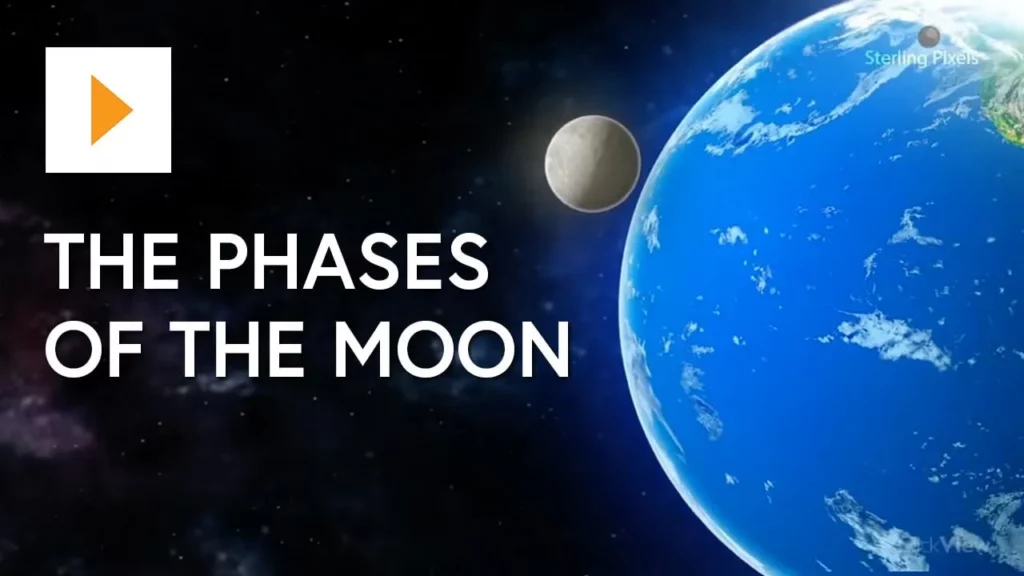
In this lesson, we explored the different phases of the Moon, which are the result of its orbit around Earth and the reflection of sunlight. The lunar cycle, encompassing phases from the new Moon to the full Moon and back, takes approximately 29.5 days to complete, showcasing various appearances such as crescent, quarter, and gibbous shapes. Understanding these phases helps us appreciate the Moon’s role as Earth’s natural satellite and its influence on our night sky.
What Was The Black Death?

The Black Death, a devastating pandemic that struck in the 14th century, resulted in the deaths of a significant portion of the population across Asia, Europe, the Middle East, and North Africa. Originating in Mongolia, it manifested in three main forms—bubonic, pneumonic, and septicaemic plague—each with varying levels of lethality. The pandemic not only caused immense loss of life but also led to profound social and economic changes, highlighting the challenges humanity faces during such crises.
The Impressionist Movement
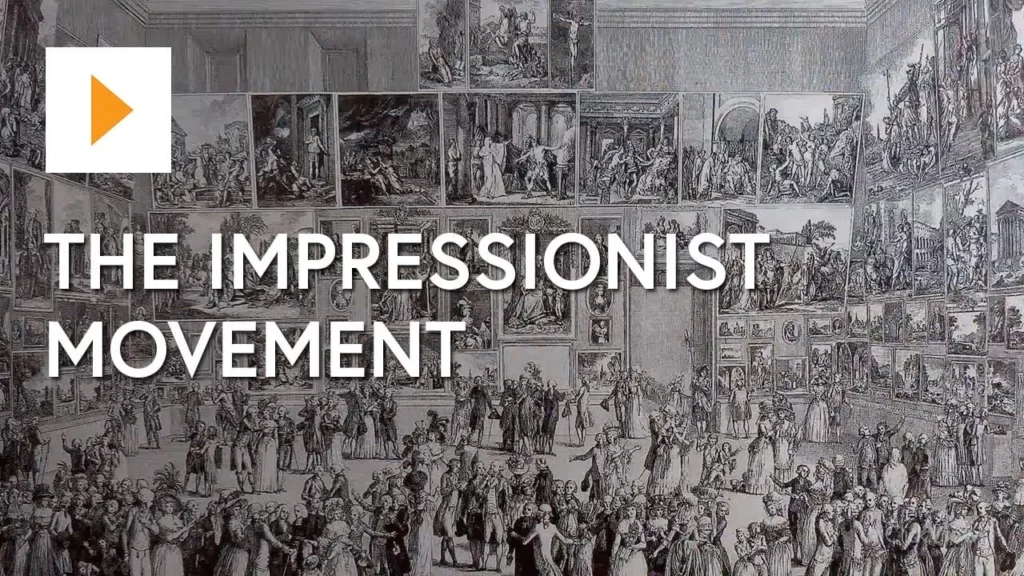
The Impressionist Movement, which emerged in the 1860s in France, revolutionized the art world by focusing on everyday life and ordinary people rather than traditional historical or religious subjects. Artists like Claude Monet and Pierre-Auguste Renoir challenged the established art norms by forming their own group and organizing independent exhibitions, emphasizing the capture of light and movement through their unique style. This movement laid the groundwork for modern art and inspired subsequent movements such as Pointillism and Fauvism.
The First Chinese Opium War
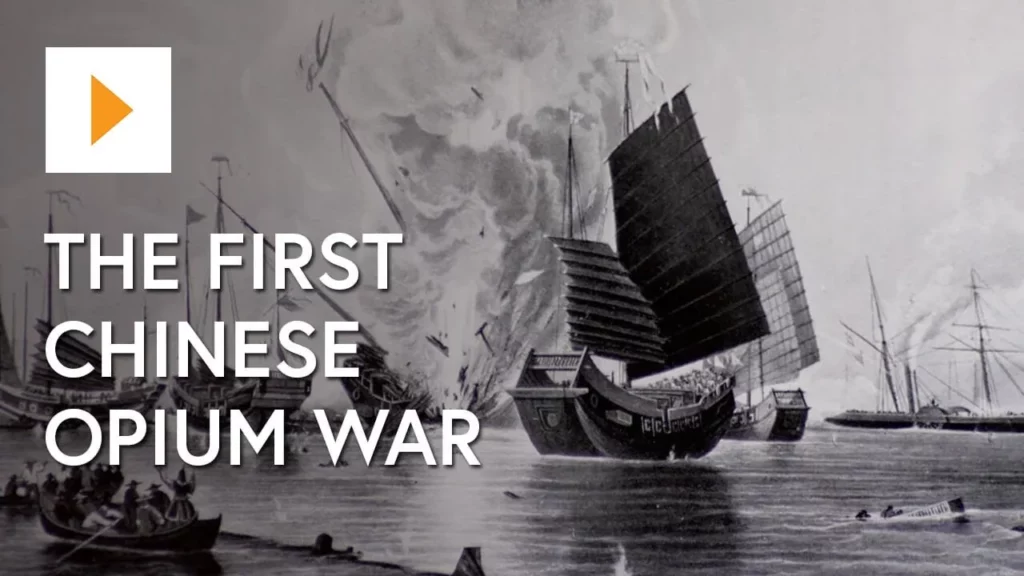
The First Chinese Opium War arose from escalating tensions between China and Britain over the opium trade, which was heavily skewed in Britain’s favor. In response to the detrimental effects of opium in China, Chinese official Lin Zexu took decisive action against the trade, leading to military confrontations that culminated in Britain’s victory and the signing of the Treaty of Nanjing in 1842. This treaty not only ceded Hong Kong to Britain and opened several Chinese ports to foreign trade but also underscored the significant impact of drug trade and the complexities of international relations during that era.
Cold War In Europe And Asia
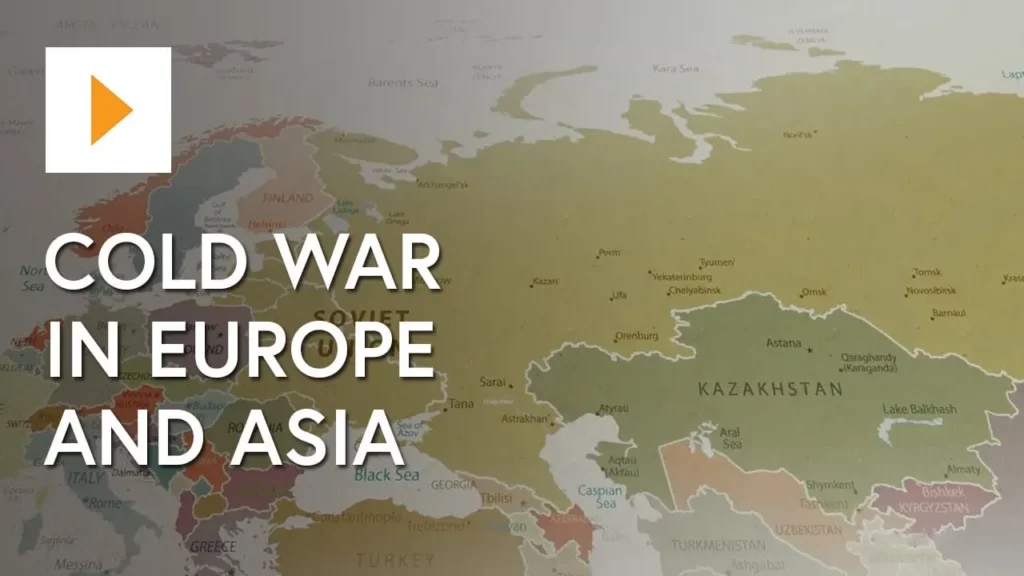
The lesson outlines the key events that led to the Cold War in Europe and Asia following World War II, highlighting the division of Germany and the establishment of the Iron Curtain. It discusses the ideological conflict between the U.S. and the Soviet Union, including the introduction of the Truman Doctrine and the Marshall Plan, as well as significant events like the Berlin Blockade and the formation of NATO. These developments set the stage for a prolonged period of political and military tension that defined global relations in the latter half of the 20th century.
What Are Diseases?
The lesson explains that diseases are health issues that can vary in severity and duration, categorized into infectious and non-infectious types. Infectious diseases are caused by pathogens like bacteria and viruses, which can spread through various means, while non-infectious diseases are often linked to lifestyle choices or genetic factors. Understanding the nature of diseases and their transmission can aid in prevention and treatment efforts.
Pathogens And Infectious Disease
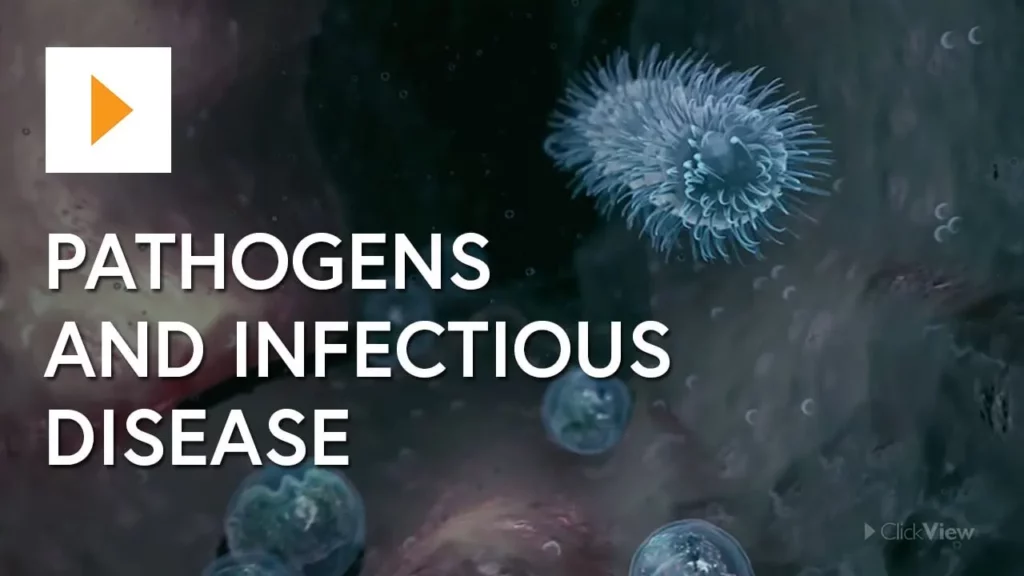
This lesson explains the role of pathogens—microscopic organisms like bacteria, viruses, fungi, and parasites—in causing infectious diseases, which can spread from person to person. It highlights the various ways these diseases can be transmitted and emphasizes the importance of hygiene practices, vaccinations, and healthy lifestyle choices in preventing illness. Understanding pathogens and their transmission is crucial for maintaining health and preventing the spread of diseases.