
Measuring Nanoparticles
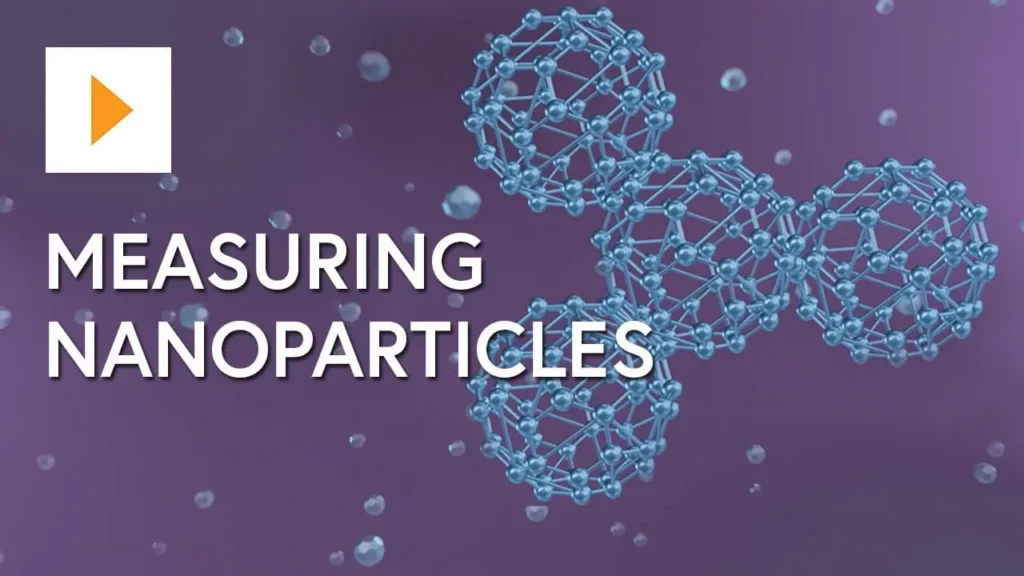
The lesson on measuring nanoparticles explores the incredibly small scale of particles, highlighting that nanoparticles range from one to one hundred nanometers in size and behave differently than larger particles. It introduces essential tools like light and electron microscopes for observing these tiny structures and explains the square-cube law, which illustrates how smaller objects have a greater surface area relative to their volume. The lesson concludes by discussing real-world applications of nanoparticles, such as in sunscreen, where their unique properties enhance chemical interactions and improve functionality.
Nuclear Fusion Explained
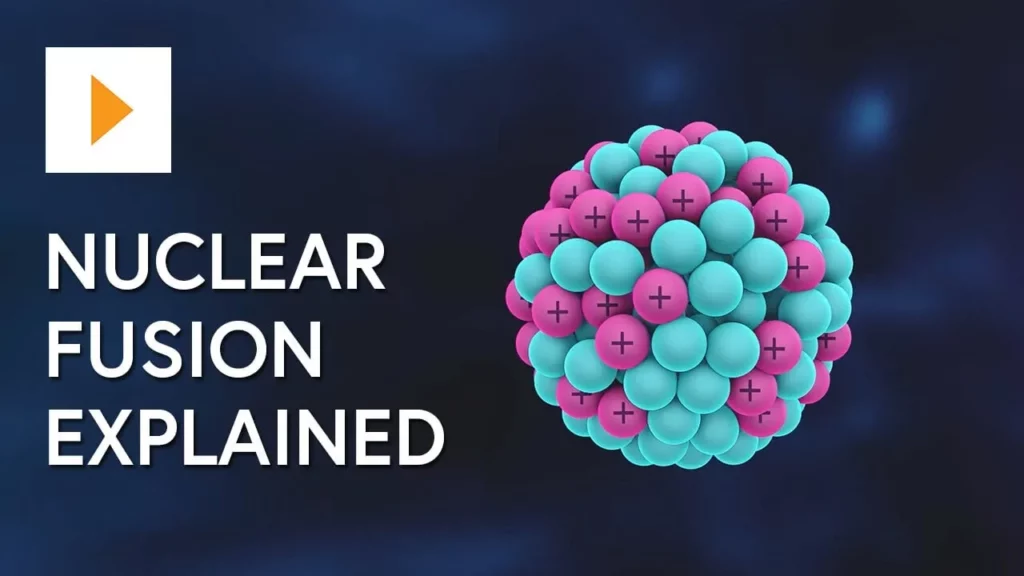
The lesson on nuclear fusion explains how this process powers stars, including our sun, by combining small atoms to release vast amounts of energy, which is essential for life on Earth. It details the scientific principles behind fusion, the challenges of replicating stellar conditions on Earth, and advancements in fusion technology, highlighting the potential of fusion as a clean and sustainable energy source with minimal environmental impact.
Exploring Our Solar System
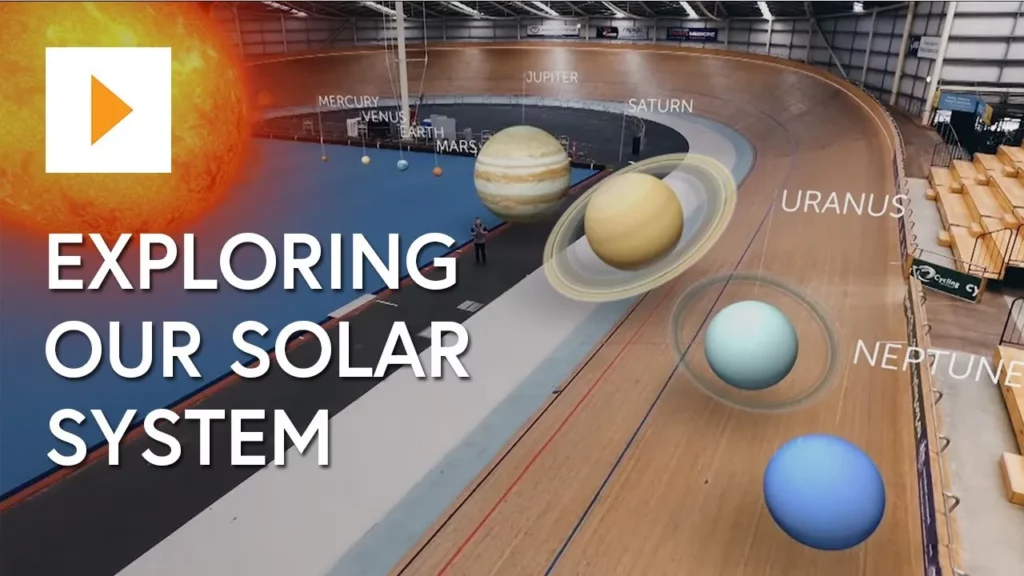
The lesson “Exploring Our Solar System” introduces the diverse and fascinating components of our solar system, including the sun, planets, moons, and other celestial bodies. It highlights the unique characteristics of each planet, such as Mercury’s extreme temperatures, Venus’s harsh atmosphere, and Earth’s life-supporting conditions, while also discussing the significance of the asteroid belt, gas giants like Jupiter and Saturn, and the ice giants Uranus and Neptune. The lesson emphasizes the ongoing exploration of our solar system and the vastness of the universe, encouraging further discovery and understanding.
Food Groups And Nutrition
The lesson on Food Groups and Nutrition emphasizes the importance of a balanced diet for maintaining health and energy. It covers essential nutrients such as fats, carbohydrates, proteins, vitamins, minerals, calcium, fiber, and water, highlighting their roles in supporting bodily functions and overall well-being. The key takeaway is to enjoy a variety of nutritious foods while limiting unhealthy options, ensuring proper hydration for optimal health.
Physics Of Collisions

The lesson on the physics of collisions explores how objects interact during collisions, emphasizing Newton’s laws of motion and the transformation of energy. It distinguishes between elastic and inelastic collisions, highlighting how kinetic energy is conserved or converted into other forms, such as heat and sound. Additionally, the lesson covers the importance of scalar and vector quantities in describing motion, providing a foundational understanding of how collisions affect the behavior of objects in various scenarios.
What Is Remembrance Day?
Remembrance Day, observed on November 11th, commemorates the end of World War One and honors all those who have served in wars. The red poppy, a symbol of this day, represents the sacrifices of soldiers and has been used since 1918 to raise funds for war-affected individuals. Ceremonies, including moments of silence and wreath-laying at cenotaphs, take place worldwide to remember and pay tribute to those who fought for their countries.
What Is Remembrance Day? Causes Of World War I
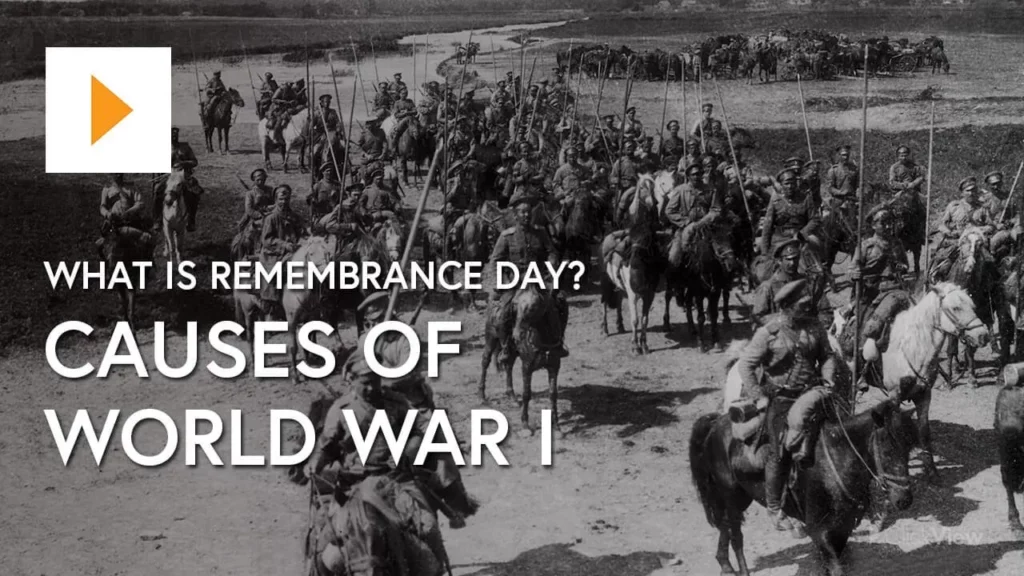
The lesson on Remembrance Day and the causes of World War I highlights the intricate web of alliances and tensions that led to the outbreak of the war in 1914. It explains how the assassination of Archduke Franz Ferdinand triggered a series of events, ultimately drawing multiple nations into the conflict due to their alliances and interests. This historical context underscores the significance of Remembrance Day as a moment to honor those who served and to reflect on the lessons learned from such a transformative period in history.
What Is NAIDOC Week?
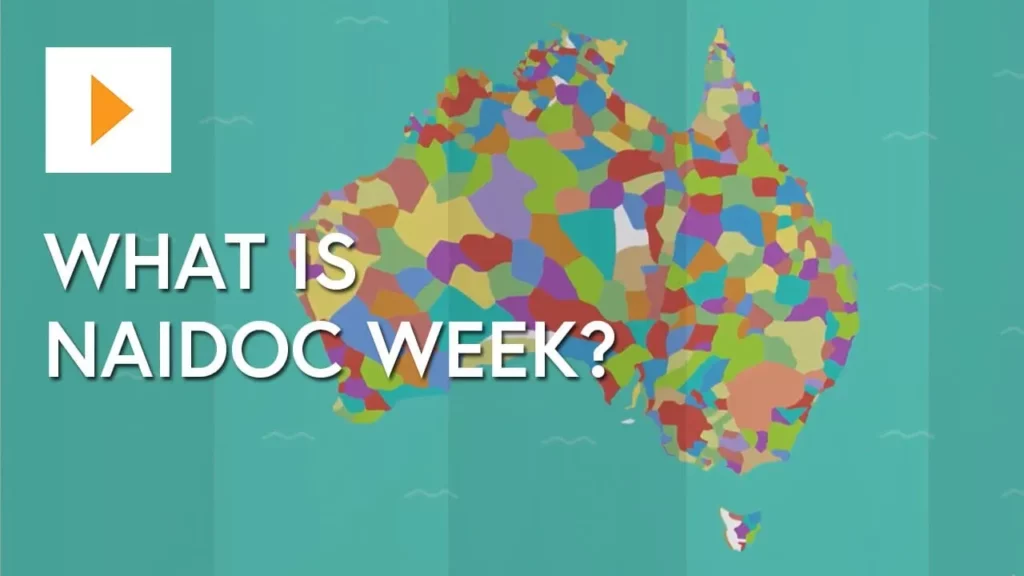
NAIDOC Week is a significant celebration in Australia that occurs during the first full week of July, honoring the history, culture, and achievements of Indigenous Australians, including both Aboriginal and Torres Strait Islander peoples. Originating from the Day of Mourning in 1938, NAIDOC stands for National Aborigines and Islanders Day Observance Committee, and it has evolved into a week filled with various activities, including traditional music, dance, and educational events in schools. The week also features the National NAIDOC Awards, recognizing the contributions of Indigenous individuals to the community, while promoting understanding and relationships between Indigenous and non-Indigenous Australians.
Charles Dickens’ A Christmas Carol In Context
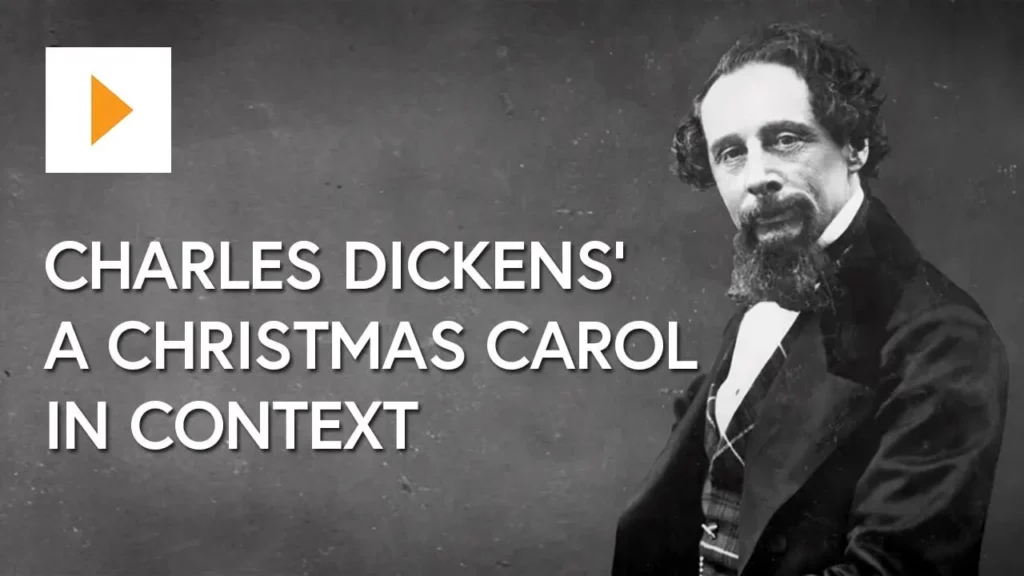
In the lesson on Charles Dickens’ *A Christmas Carol*, we learn about the author’s financial struggles in 1843, which motivated him to create a story that would resonate with readers. Inspired by reports on child labor and the harsh realities of the Industrial Revolution, Dickens wrote the novella in just six weeks, intertwining Gothic elements with themes of charity and family during the Christmas season. The publication of *A Christmas Carol* not only revitalized Christmas traditions but also left a lasting impact on how the holiday is celebrated today, emphasizing values of kindness and generosity.
What Is Diwali?
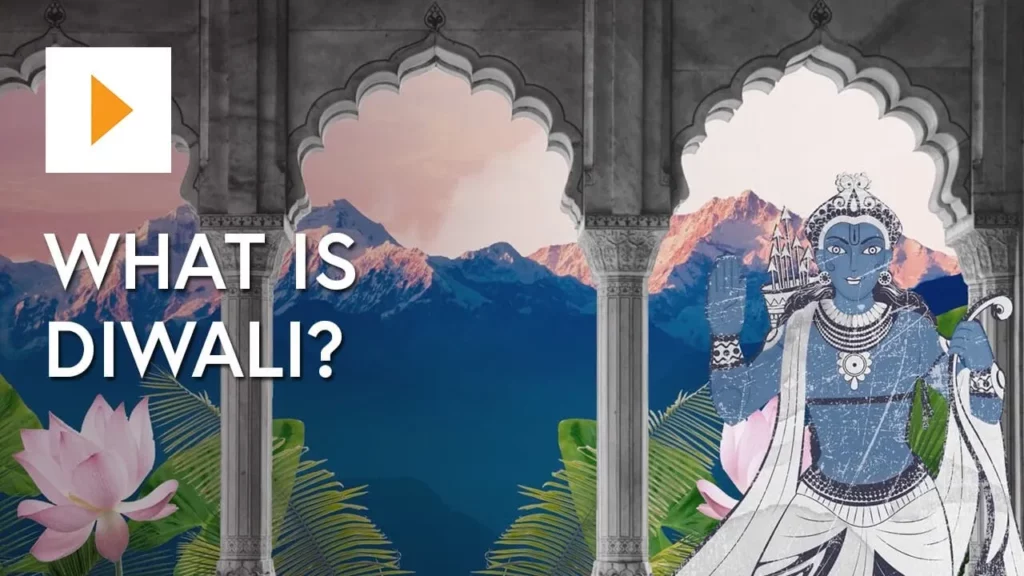
Diwali, known as the Festival of Lights, is a significant celebration primarily for Hindus, but also embraced by Buddhists, Jains, and Sikhs. It commemorates the victory of good over evil, symbolized by the story of Prince Ram rescuing his wife Sita from the demon king Ravan, leading to joyous celebrations marked by lighting diyas, welcoming the goddess Lakshmi, creating rangoli, and enjoying fireworks and festive meals. Celebrated on the 15th day of the Hindu month Karthik, Diwali is a time for families to come together, share gifts, and spread positivity.