
Weird Things You Never Knew Vikings Did
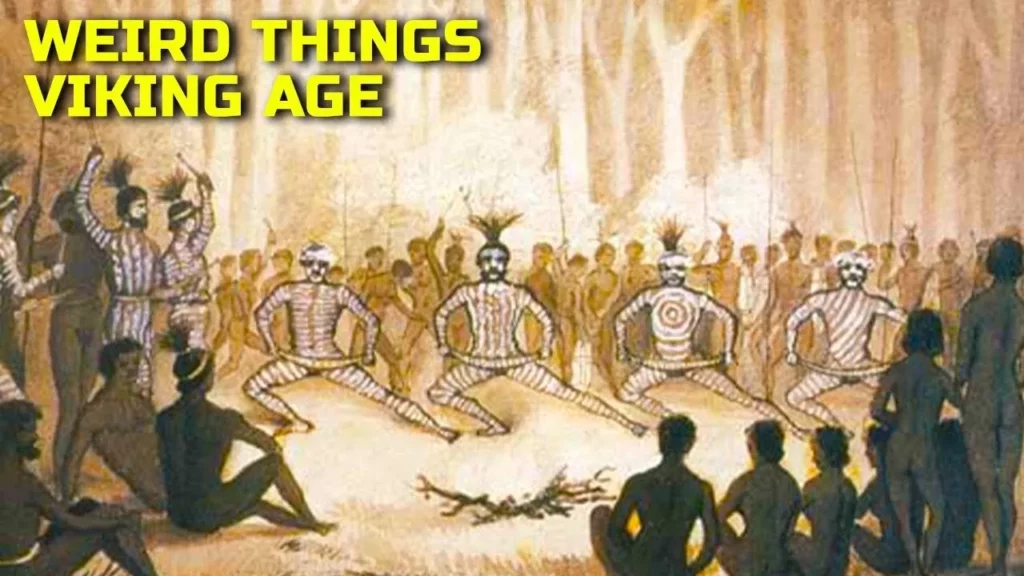
The lesson explores the lesser-known and often surprising aspects of Viking life, highlighting that their history is more complex than the popular portrayals in media. It covers unique practices such as the use of hallucinogenic mushrooms by berserkers, the origins of dueling through “holmgang,” and the trade of narwhal tusks as unicorn horns. Additionally, it discusses the unhealthy living conditions in Viking longhouses and the rough nature of their sports, challenging common perceptions of these seafaring people.
Filthy Secrets of the Most Beautiful Women in History
The lesson explores the lives of influential women throughout history who were not only celebrated for their beauty but also for their intelligence and impact on society. Figures like Valeria Messalina, Anne Boleyn, Ada Lovelace, Mata Hari, Hedy Lamarr, Jenny Jerome Churchill, and Helen of Troy exemplify how these women navigated complex political landscapes, contributed to technological advancements, and left lasting legacies despite facing significant challenges and societal constraints. Their stories highlight the multifaceted roles women have played in history, often defying the traditional narratives written by men.
FORBIDDEN Things in Medieval Times
The lesson explores the bizarre and often strict laws of medieval times, highlighting the unusual prohibitions on sports, animal trials, royal rights, fashion, and dining practices. It discusses how authorities aimed to regulate behavior for various reasons, such as promoting military readiness, maintaining social hierarchy, and protecting public health, often leading to absurd situations like animals being put on trial or restrictions on extravagant meals. Overall, the lesson illustrates the complexities of life and governance in medieval Europe.
Were the Romans Close to an Industrial Revolution?
The lesson explores the intriguing question of whether the Roman Empire was on the brink of an Industrial Revolution, given their advanced technology and innovations, such as steam-powered devices and large-scale production methods. Despite their capabilities, factors like reliance on slave labor, a lack of interest in mechanical advancements, and insufficient economic incentives hindered their progress toward industrialization. Ultimately, while the Romans had the potential for transformative change, they remained entrenched in an agricultural and artisanal economy, missing the opportunity to enter the Industrial Age.
What Drugs were like in the Viking Era
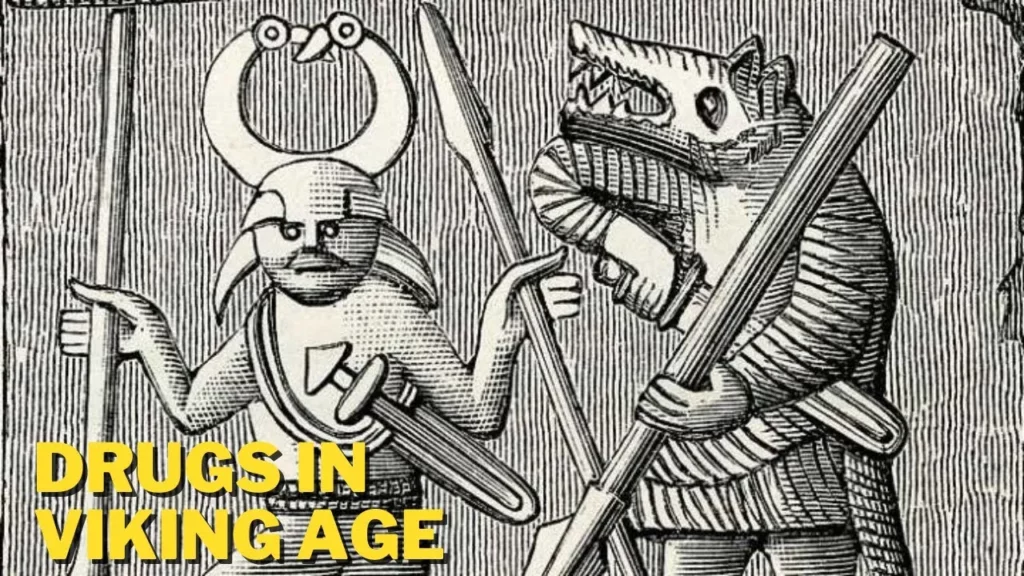
The lesson explores the use of drugs by Viking berserkers, fierce warriors known for their intense rage and strength in battle. It discusses various substances, such as fly agaric mushrooms and henbane, that may have contributed to their trance-like states, enhancing their combat abilities. Additionally, the lesson touches on the discovery of cannabis seeds in Viking artifacts, suggesting a broader context of drug use in Viking rituals and culture.
Creepy Things Throughout History
The lesson “Creepy Things Throughout History” explores eerie and mysterious historical events that intrigue and captivate us, such as the Dancing Plague of 1518, the disappearance of the crew of the Mary Celeste, the alleged curse of Tutankhamun’s tomb, and the undeciphered Voynich Manuscript. These stories not only entertain but also provide insights into human nature and the complexities of our past, prompting us to reflect on the societal contexts in which they occurred and encouraging critical thinking about history’s broader implications.
What were Bad Neighborhoods Like in Ancient Greece
The lesson explores the contrasting neighborhoods of ancient Greece, highlighting the complexities of its city-states, such as Athens and Corinth. While affluent areas boasted wealth, beauty, and intellectual gatherings, less desirable neighborhoods were marked by crime, discrimination, and social challenges, particularly for metics, or resident aliens. This duality reflects the broader societal contradictions of ancient Greece, where democracy existed alongside significant inequality, creating a rich yet tumultuous historical landscape.
What Happened Immediately After the Dutch Arrived in Indonesia
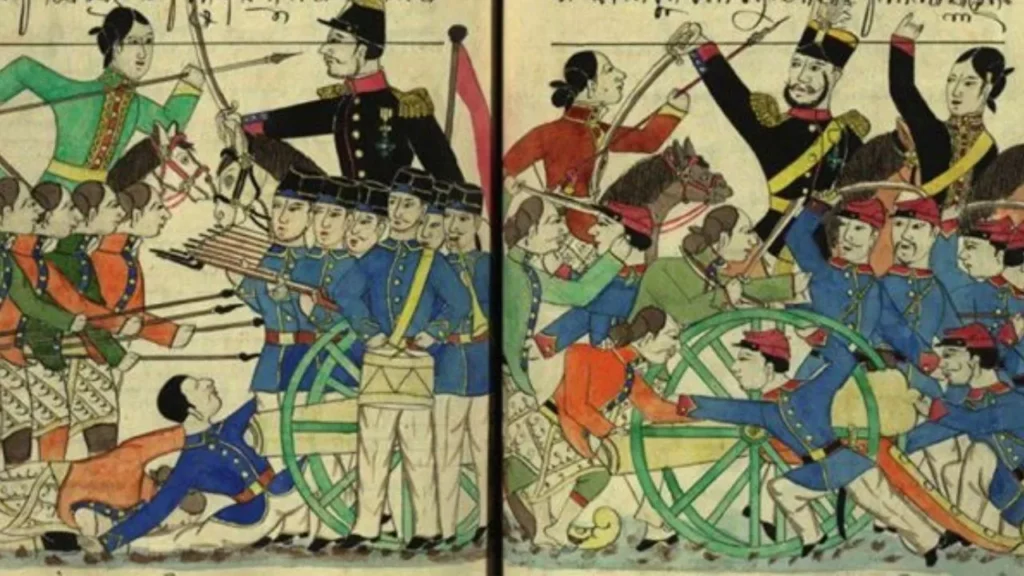
The lesson explores the Dutch colonization of Indonesia, detailing how the Netherlands established control over the diverse Nusantara archipelago, rich in culture and resources, following their quest for spices. It highlights the formation of the Dutch East India Company (VOC) and their use of military force and political manipulation to monopolize the spice trade, while also addressing the local resistance that emerged, exemplified by the violent conflicts in the Banda Islands and the leadership of figures like Nuku. Ultimately, this legacy of resistance contributed to the rise of a unified desire for independence among the Indonesian people.
Eerie Things about the Persian Empire
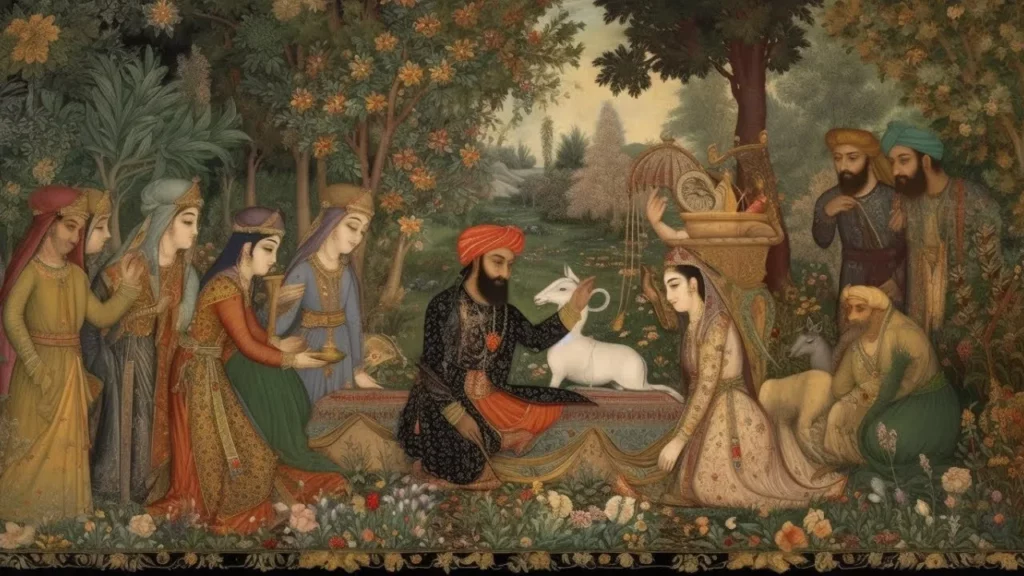
The lesson explores the eerie and mysterious aspects of the ancient Persian Empire through captivating stories, including the disappearance of Cambyses II’s army in the desert, the intriguing connection between the Parthians and Romans, and the mythical elements surrounding the founding of the Sasanian Empire. It also delves into the cautionary tale of Zahak, a tyrannical king corrupted by evil, highlighting themes of power and resistance. These narratives illustrate the rich blend of history and mythology that characterizes Persian culture.
What Happened to the British After Battling The Zulu in the Victorian Era
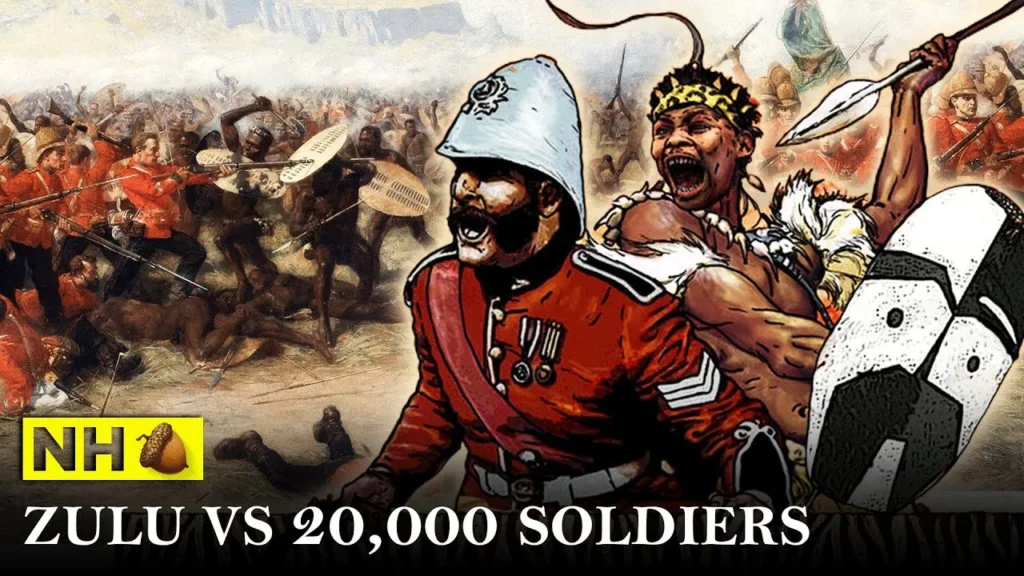
The lesson explores the unexpected defeat of British forces at the Battle of Isandlwana on January 22, 1879, during the Anglo-Zulu War, where Lord Chelmsford’s underestimation of the Zulu warriors led to a devastating loss for the British Army. Despite their technological superiority, the British suffered heavy casualties due to strategic miscalculations and a lack of preparedness, resulting in only 350 survivors from an initial force of 18,000. The aftermath prompted the British to learn from their mistakes, regroup, and ultimately defeat the Zulu Kingdom, reshaping the region’s political landscape.