
How Much Was Lost When the Great Library of Baghdad Burned
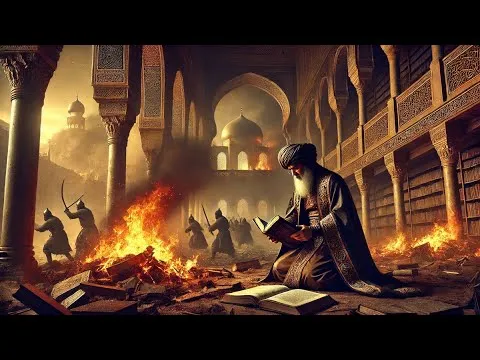
The lesson discusses the profound impact of the destruction of the House of Wisdom in Baghdad in 1258, highlighting how the loss of this intellectual hub resulted in the near extinction of critical knowledge in mathematics, science, astronomy, medicine, and philosophy. The absence of foundational texts from scholars like Al-Khwarizmi and Archimedes not only delayed significant advancements in various fields but also altered the trajectory of human progress, potentially postponing the Industrial Revolution and the Age of Discovery. Ultimately, the destruction marked a pivotal moment in history, leading to a world of “what ifs” regarding technological and cultural development.
Why You Wouldn’t Survive Life in Tudor England
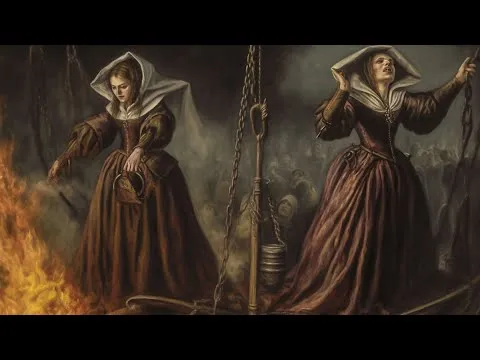
The lesson explores the complexities of life in Tudor England, highlighting the significant social, political, and religious upheavals of the time. It discusses the dangers of daily life, including medical practices that often caused harm, the oppressive Treason Act of 1534, and the brutal persecution during the reigns of Queen Mary I and Queen Elizabeth I. The era was marked by fear, superstition, and a struggle for power, making survival challenging for many.
Creepy Things Men Did During WW2

The lesson explores the disturbing actions of several notorious figures during World War II, highlighting how war can exacerbate the darker sides of human nature, particularly among those with pre-existing mental health issues. Key figures such as Dr. Marcel Petiot, Hans Frank, and Joseph Goebbels exemplify the chilling behaviors that emerged during this tumultuous period, revealing the capacity for cruelty and manipulation in the context of war. Ultimately, the lesson serves as a reminder of the profound impact of conflict on individuals and society.
"Filthy" Secrets of Louis XIV
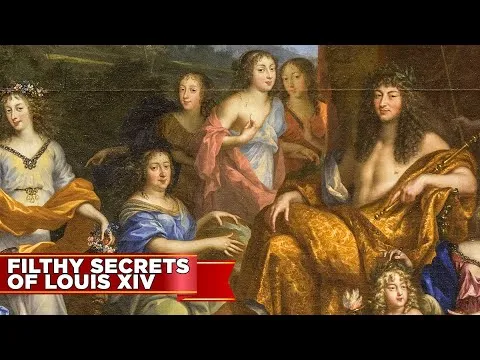
The lesson explores the complex legacy of Louis XIV, highlighting both his contributions to the arts and military as well as the less glamorous aspects of his reign, particularly the unsanitary conditions at the Palace of Versailles. It delves into intriguing mysteries, such as the identity of the prisoner in the Iron Mask, and examines Louis XIV’s personal life, including his numerous romantic affairs and their impact on his reign and the French economy. Overall, the lesson reveals that while Louis XIV is celebrated for his grandeur, his rule was also marked by significant challenges and controversies.
Queen Cleopatra’s Best Kept Secrets
The lesson explores the ancient Egyptian city of Heracleion, once thought to be a myth, which was submerged for 1,500 years until its discovery in 2000. This city, significant to Cleopatra and Greek mythology, was a bustling trade hub that housed a wealth of treasures, including statues and ancient ships. Ongoing archaeological efforts aim to uncover more about Heracleion’s history and the mystery surrounding its sinking, which remains a topic of intrigue for researchers.
What Happened to Ancient Greece After The Death of Pericles
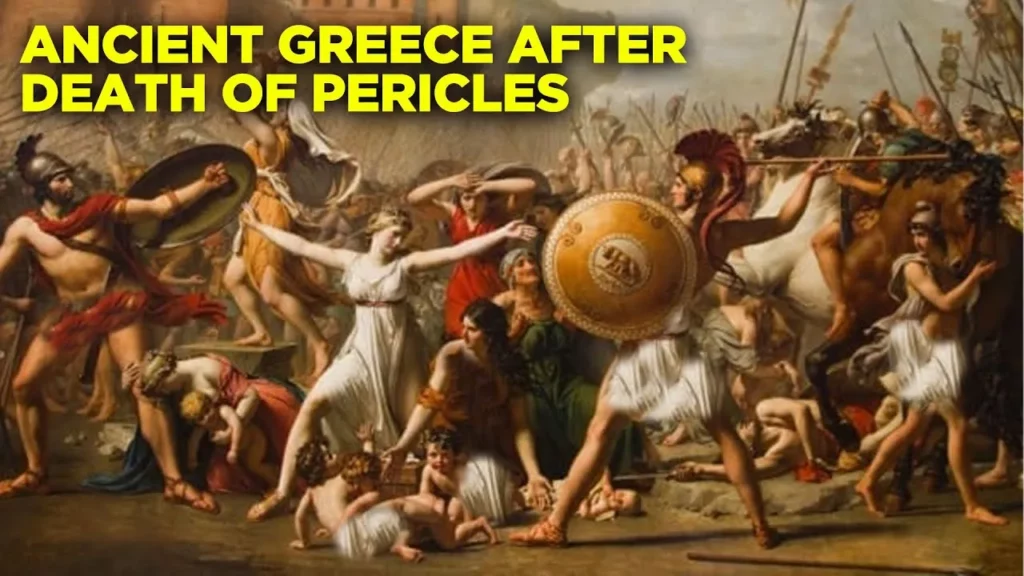
After the death of Pericles, Athens faced significant challenges, including a devastating plague and the outbreak of the Peloponnesian War against Sparta. His absence led to political chaos and poor leadership, culminating in disastrous military decisions like the Sicilian Expedition, which weakened Athens further. Ultimately, the city fell into the oppressive rule of the Thirty Tyrants before democracy was restored in 403 BC, marking the end of Athens’ golden age and leaving Greece vulnerable to external threats.
Creepy Mysteries of Tudor England
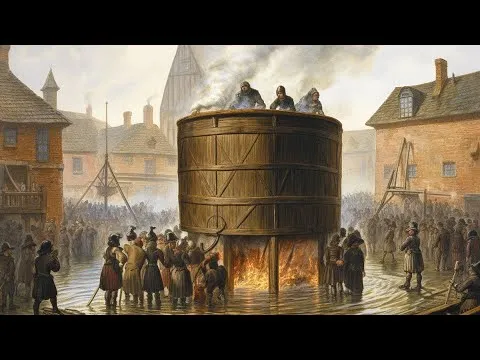
The lesson explores the eerie and captivating mysteries of Tudor England, highlighting significant events such as the disappearance of the Princes in the Tower, the controversial will of Henry VII, and various assassination plots against Queen Elizabeth I. It also delves into the enigmatic fates of historical figures like Anne Boleyn and the Lost Colony of Roanoke, illustrating how these unresolved mysteries continue to intrigue historians and enthusiasts alike.
What Happened after the DEATH of Augustus Caesar?
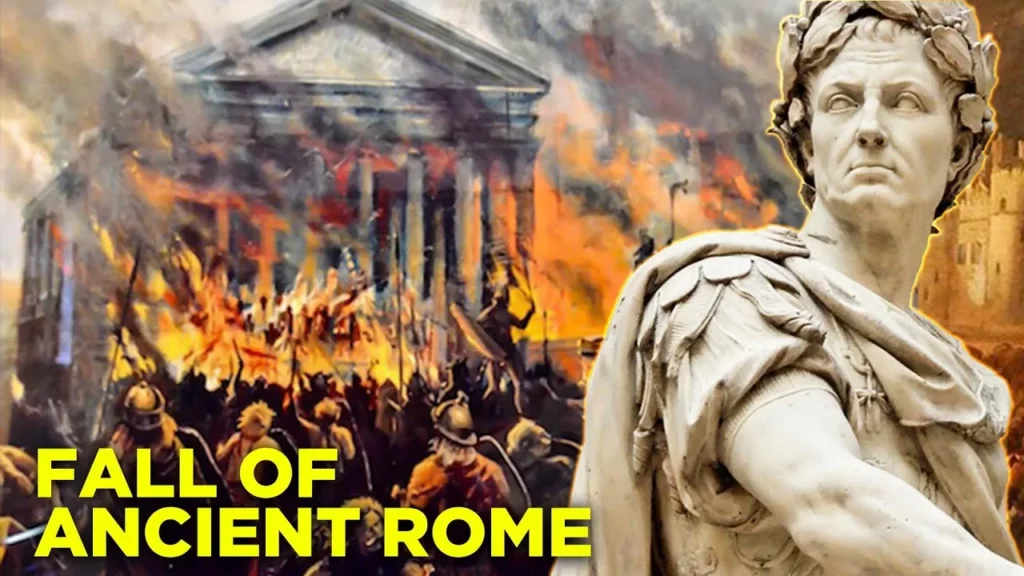
After the death of Augustus Caesar, his adopted son Tiberius reluctantly ascended to the throne, facing immediate challenges such as a mutiny in Northern Europe and political instability in Rome. Tiberius struggled to maintain the peace and prosperity established by Augustus, leading to a reign marked by paranoia, treason trials, and the consolidation of imperial power, ultimately diminishing the democratic elements of the Roman government. His rule set the stage for future emperors and left a lasting impact on the structure of Roman governance.
Filthy Things about U.S. Presidents
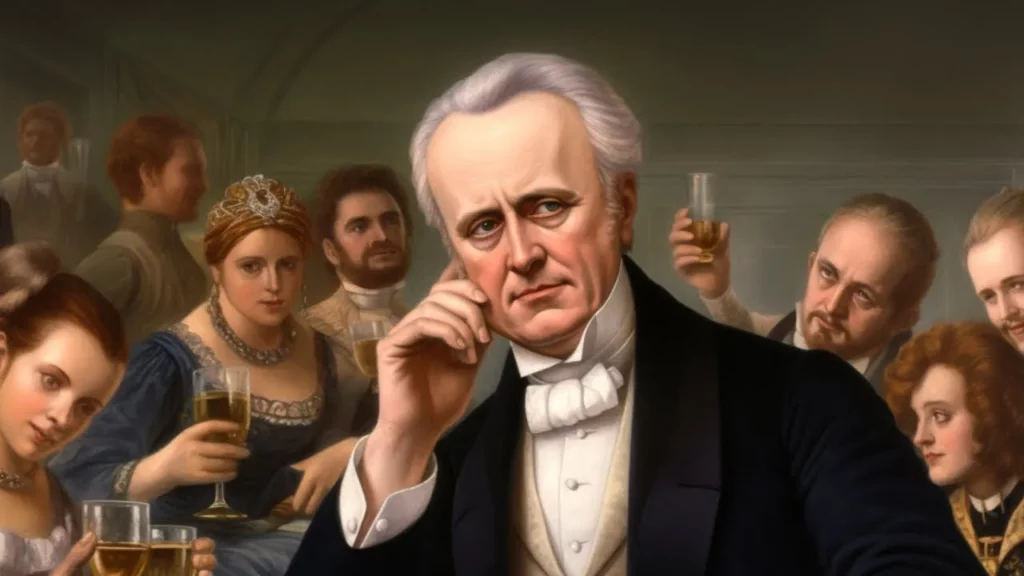
The lesson explores the personal lives of various U.S. presidents and how their relationships influenced their legacies. It highlights the supportive partnerships of Teddy and Edith Roosevelt, Woodrow and Edith Wilson, and the unique circumstances surrounding James Buchanan’s bachelorhood, as well as the scandals faced by Warren G. Harding and the unconventional marriage of Ronald and Nancy Reagan. Through these stories, the lesson illustrates how personal experiences and relationships can significantly impact a president’s public perception and historical significance.
Weird Things You Did Not Know About Kings of Ancient Egypt
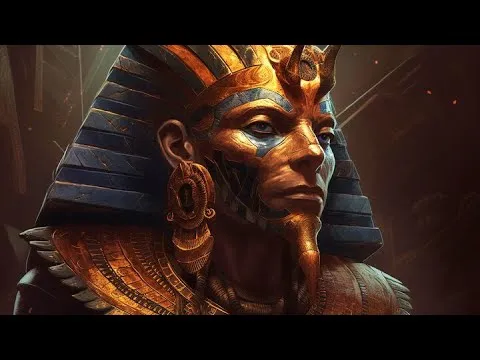
This lesson explores the eccentric behaviors and unique characteristics of various pharaohs in ancient Egypt, highlighting how their immense power sometimes led to unusual actions. Notable figures include Psamtik III, who prioritized cats over military strategy, Cambyses II, who disrespected Egyptian traditions, and Hatshepsut, who adopted male imagery to assert her authority. The lesson illustrates how these pharaohs’ peculiarities reflect the complexities of leadership and cultural dynamics in ancient Egypt.