
How To Eat Artichoke
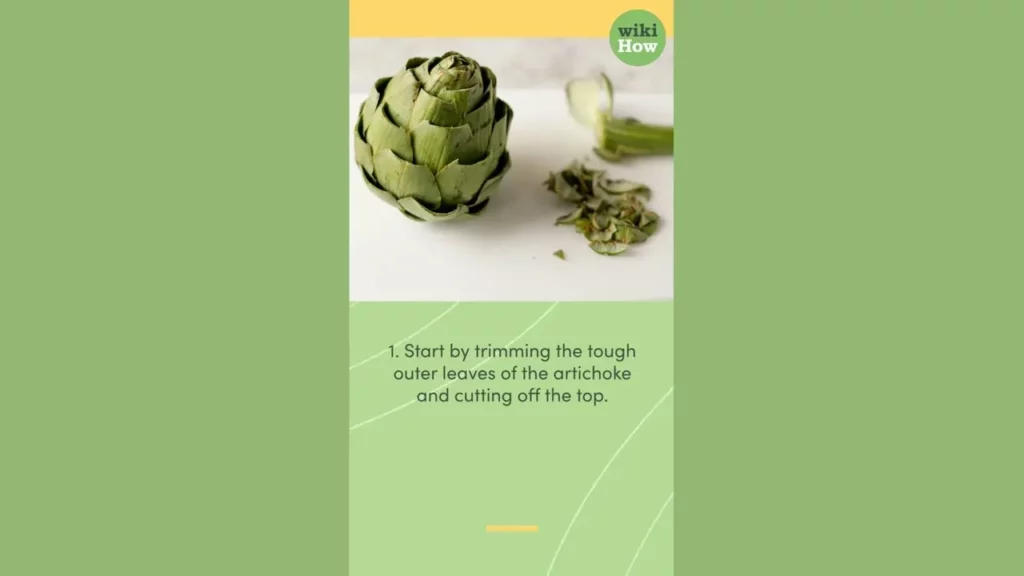
This lesson teaches you how to prepare and enjoy eating an artichoke, a nutritious and flavorful vegetable. It outlines three simple steps: preparing the artichoke by trimming tough leaves, cooking it by steaming or boiling until the leaves are soft, and finally enjoying it by pulling off the leaves, dipping them in sauce, and savoring the tender flesh. The lesson concludes with a fun fact about the delicious artichoke heart, which can be enjoyed after the leaves are eaten.
How To Eat Avocado
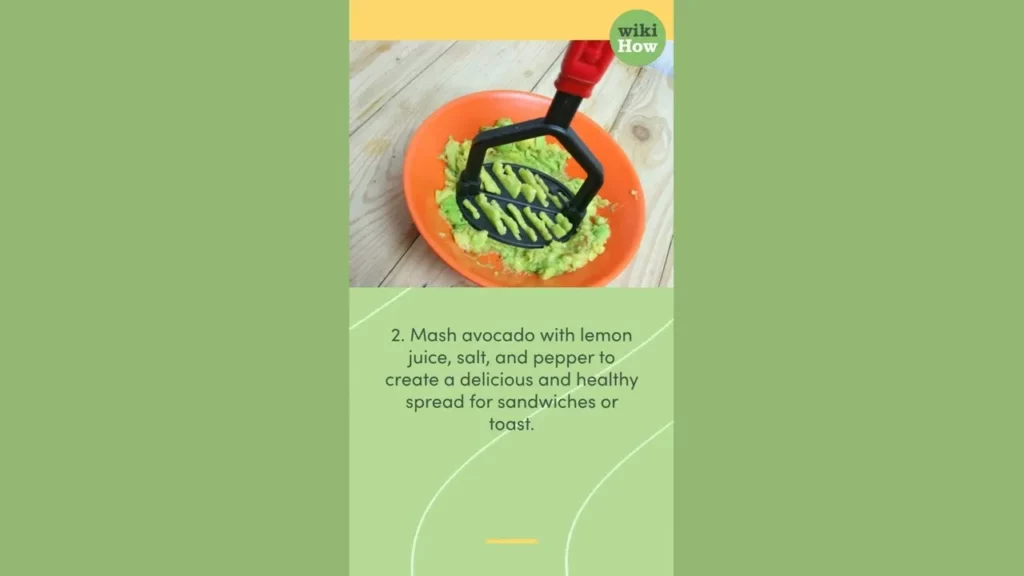
This lesson highlights the delicious and nutritious ways to enjoy avocados, emphasizing their health benefits. It provides simple methods for eating avocados, such as slicing them for a snack, mashing them into a spread, and incorporating them into various meals like salads and tacos. Additionally, it shares fun facts about avocados being a fruit rich in healthy fats and essential nutrients.
How To Eat Blue Crab
This lesson provides a step-by-step guide on how to enjoy eating blue crab, starting with the preparation by removing the top shell and inedible parts. It emphasizes the importance of extracting the sweet meat from the legs and claws using tools like a crab cracker, and suggests enhancing the flavor with melted butter, sauces, or lemon juice. Additionally, it shares fun facts about blue crabs, highlighting their ecological significance and unique characteristics.
How To Eat Figs
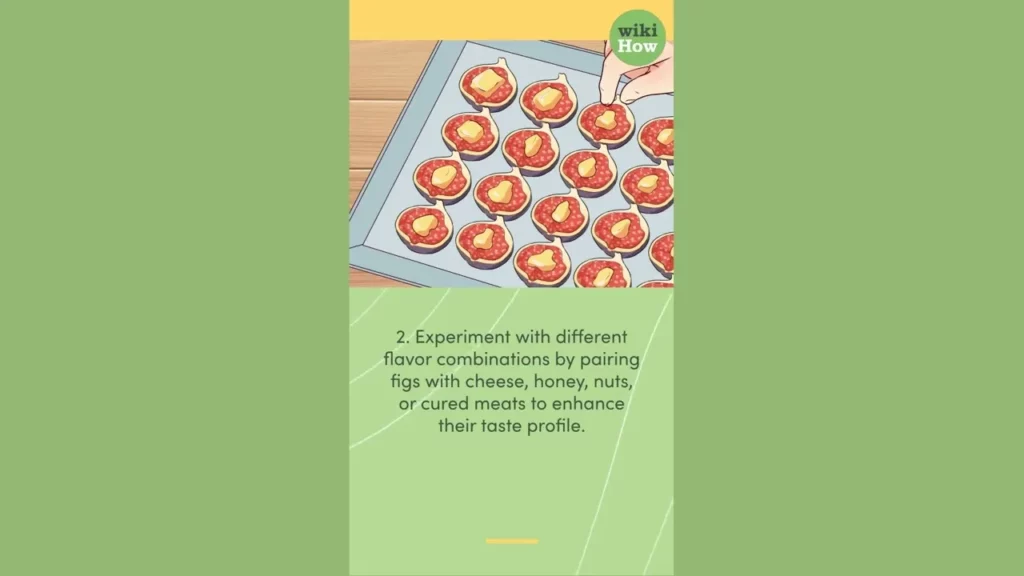
This lesson highlights the various ways to enjoy figs, emphasizing their versatility as a fresh snack or an ingredient in meals. It suggests pairing figs with cheese, honey, nuts, or cured meats to enhance their flavor while reminding readers to consume them in moderation due to their natural sugar content. Additionally, it shares interesting facts about figs, including their historical significance and nutritional benefits, encouraging readers to incorporate this delicious fruit into their diets.
How To Eat Flax Seeds
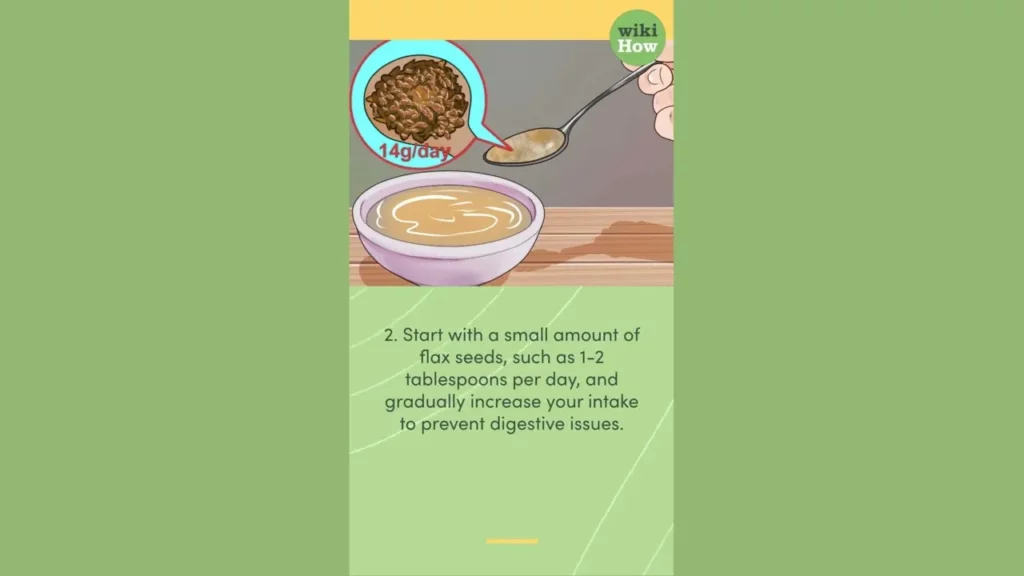
This lesson highlights the nutritional benefits of flax seeds and offers practical tips for incorporating them into your diet. It emphasizes the importance of grinding flax seeds for better digestion, starting with small amounts to avoid digestive discomfort, and storing them properly to maintain freshness. Overall, flax seeds are presented as a versatile and healthy addition to various meals, rich in omega-3 fatty acids, fiber, and antioxidants.
How To Eat Less
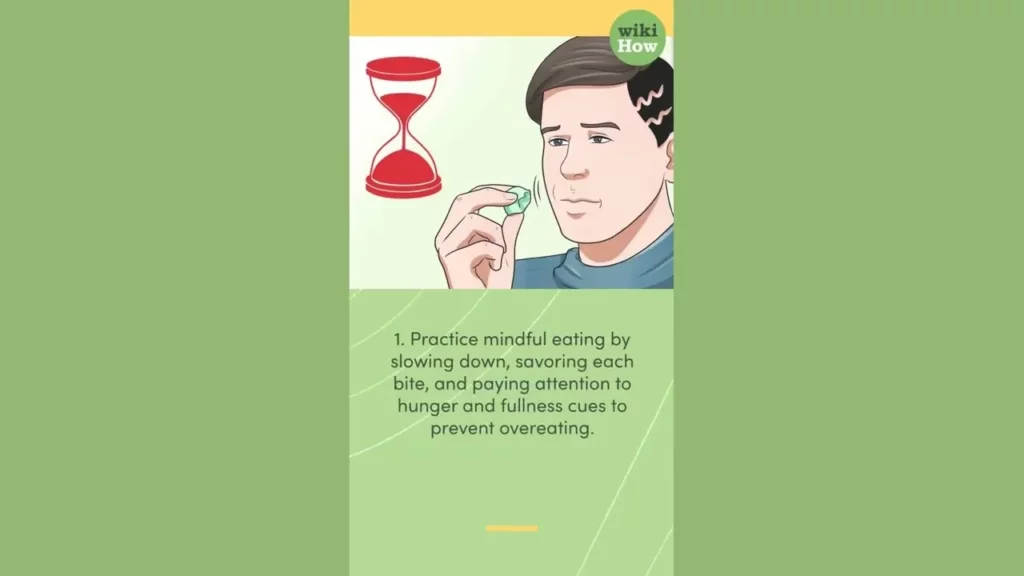
This lesson provides practical strategies for eating less while maintaining a healthy lifestyle. Key tips include practicing mindful eating to savor each bite, using smaller plates for portion control, and increasing fiber intake through fruits, vegetables, and whole grains to enhance feelings of fullness. Additionally, staying hydrated and maintaining good sleep and activity levels are emphasized as important components of overall health.
How To Eat Oysters
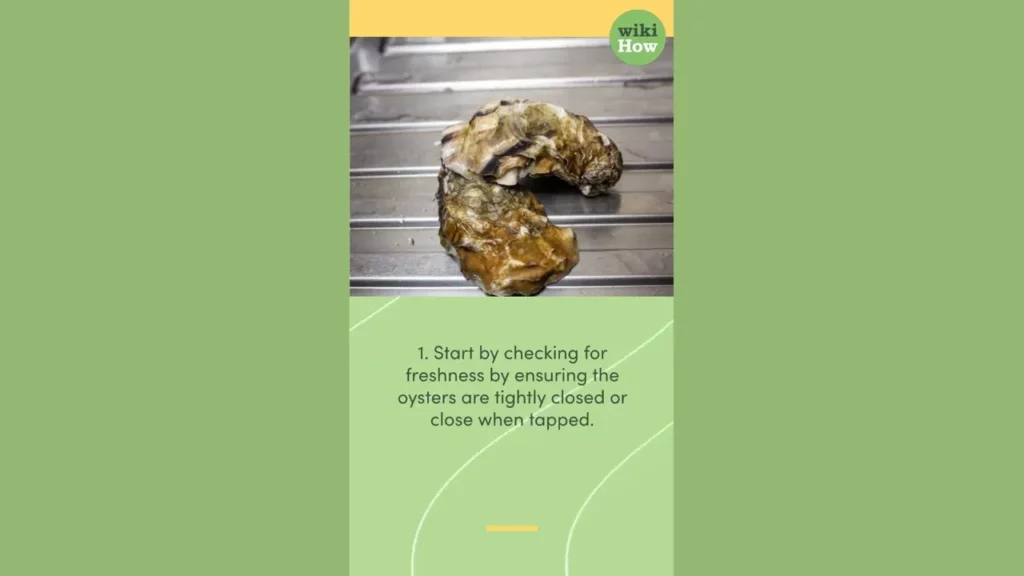
This lesson provides a comprehensive guide on how to enjoy oysters, emphasizing the importance of freshness and proper preparation. It covers the steps for checking oyster freshness, opening them safely with an oyster knife, and various ways to enjoy them, whether raw with toppings like lemon or mignonette sauce, or cooked in dishes like Oysters Rockefeller. Additionally, it highlights the nutritional benefits of oysters and their positive environmental impact.
How To Eat Persimmons
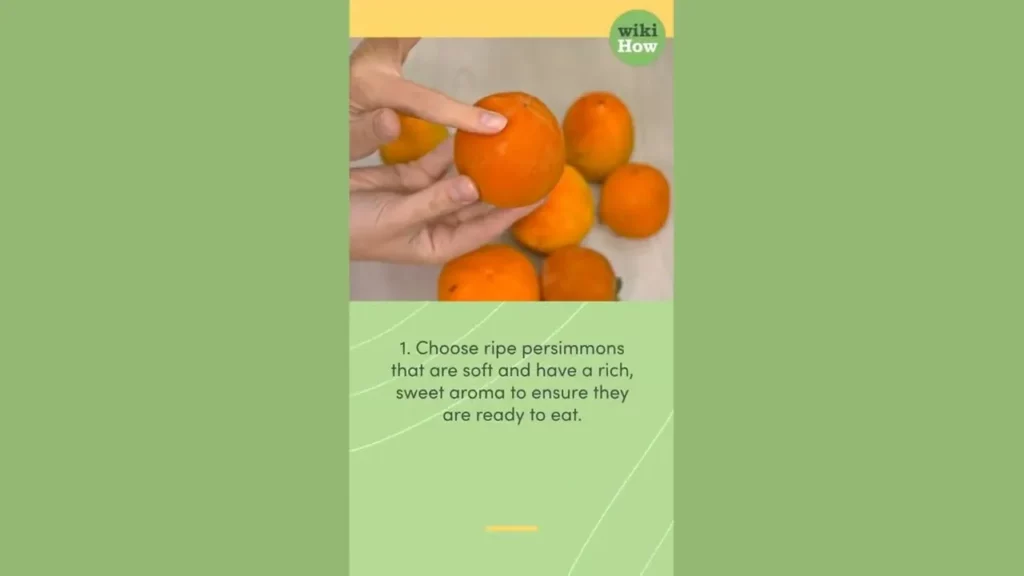
This lesson provides an overview of how to enjoy persimmons, highlighting tips for selecting ripe fruit, preparing it for consumption, and various ways to incorporate it into meals. It emphasizes the importance of choosing soft, fragrant persimmons and washing them before eating, while also suggesting creative uses in snacks, salads, smoothies, and desserts. Additionally, it notes the health benefits of persimmons, making them a nutritious choice for a tasty treat.
How To Eat Rambutan
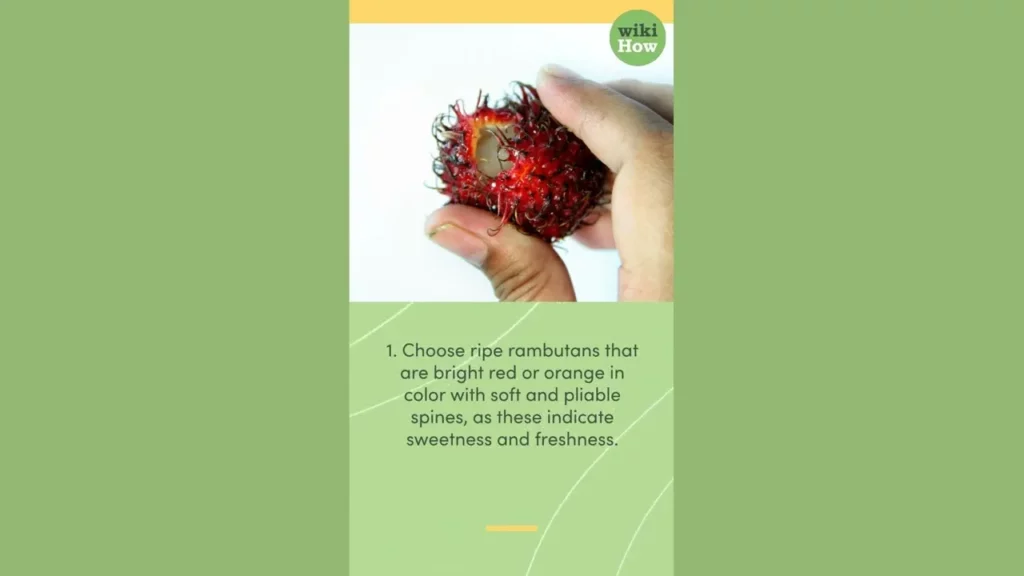
In this lesson, you learn how to enjoy eating rambutan, a sweet and juicy tropical fruit. It covers how to select ripe rambutans by looking for bright red or orange colors and soft spines, as well as the proper technique for opening the fruit and removing the seed before enjoying the flesh. Additionally, a fun fact highlights the tropical origins of rambutans, enhancing your appreciation for this delightful treat.
How To Eat Sardines
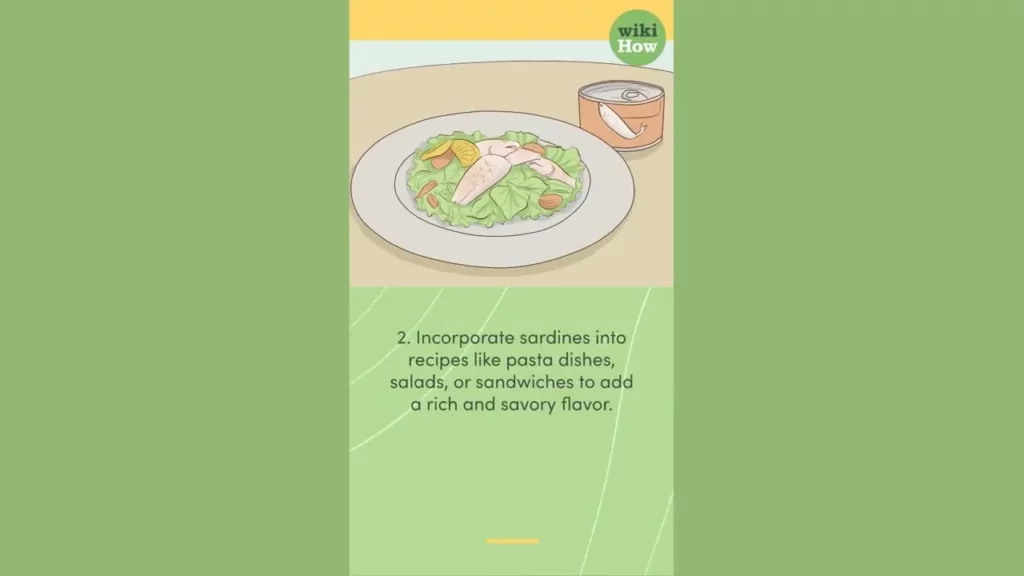
This lesson highlights the versatility and health benefits of sardines, offering simple ways to incorporate them into meals. Sardines can be enjoyed as a quick snack or added to various dishes like pasta, salads, and sandwiches, enhancing flavor while providing essential nutrients such as omega-3 fatty acids and calcium. It also emphasizes the importance of choosing sustainably sourced sardines for both health and environmental reasons.