
Creepy Egyptian Rules That will Make You Cringe
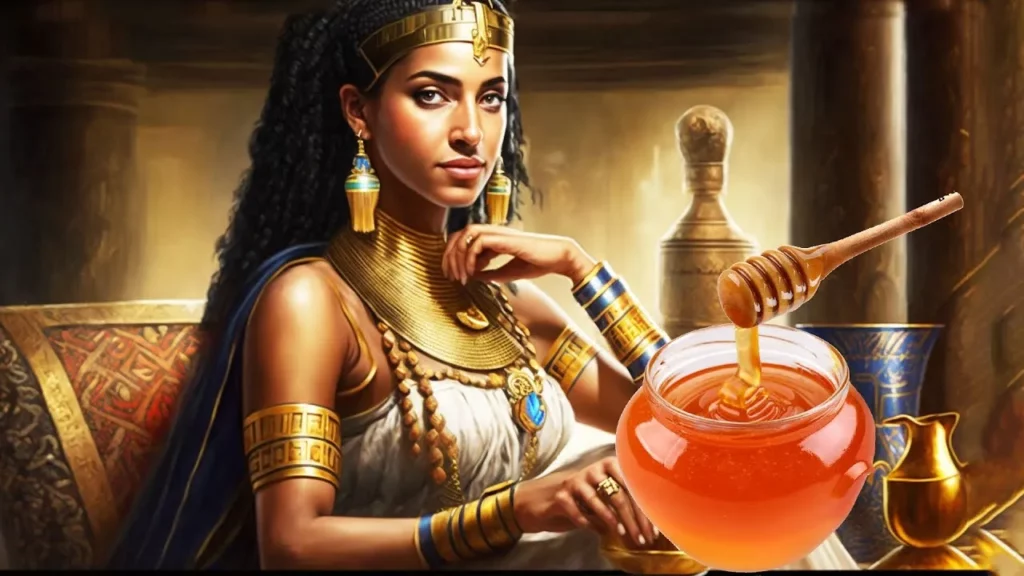
The lesson explores the strict and often harsh rules of ancient Egyptian society, emphasizing the significance of the goddess Ma’at, who represented truth and justice. It details the severe punishments for breaking laws, the importance of family dynamics, and the cultural reverence for cats, as well as the consequences of tomb raiding and disrespecting the sun god Ra. Overall, the lesson highlights how these rules shaped daily life and beliefs in ancient Egypt.
The Untold Story of Ancient Egypt’s Scariest Enemy
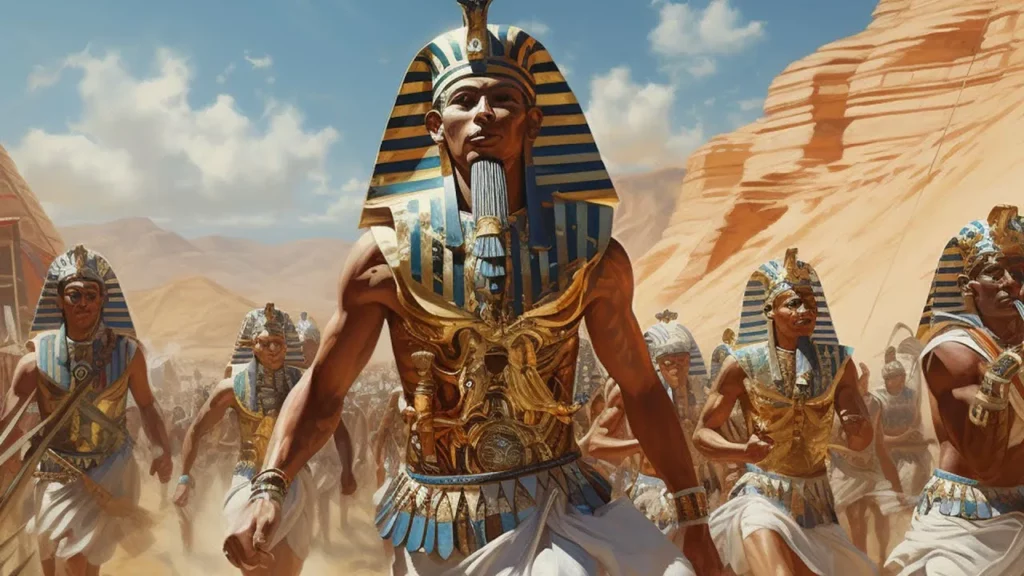
The lesson explores the significant impact of the Sea Peoples on ancient Egypt, particularly during the New Kingdom period. Discovered in Tannis by Napoleon’s explorers, these mysterious warriors contributed to the collapse of several Bronze Age civilizations and posed a formidable threat to Egypt, leading to notable battles under Pharaohs Ramses II and Ramses III. Despite Egypt’s eventual victories, the ongoing conflicts with the Sea Peoples strained the nation’s economy and political stability, highlighting the complexities of ancient history.
Filthy Secrets Throughout History
The lesson “Filthy Secrets Throughout History” explores the evolution of hygiene practices from ancient civilizations to modern times, highlighting how cultural and technological advancements have shaped our understanding of cleanliness. It examines the meticulous grooming habits of the Egyptians and Romans, the decline in hygiene during the Medieval period, and the resurgence of cleanliness during the Renaissance, ultimately emphasizing the critical link between hygiene and public health. By reflecting on historical practices, we can appreciate our progress and recognize the ongoing importance of maintaining good hygiene for overall well-being.
What Hygiene was Like During the Vietnam War
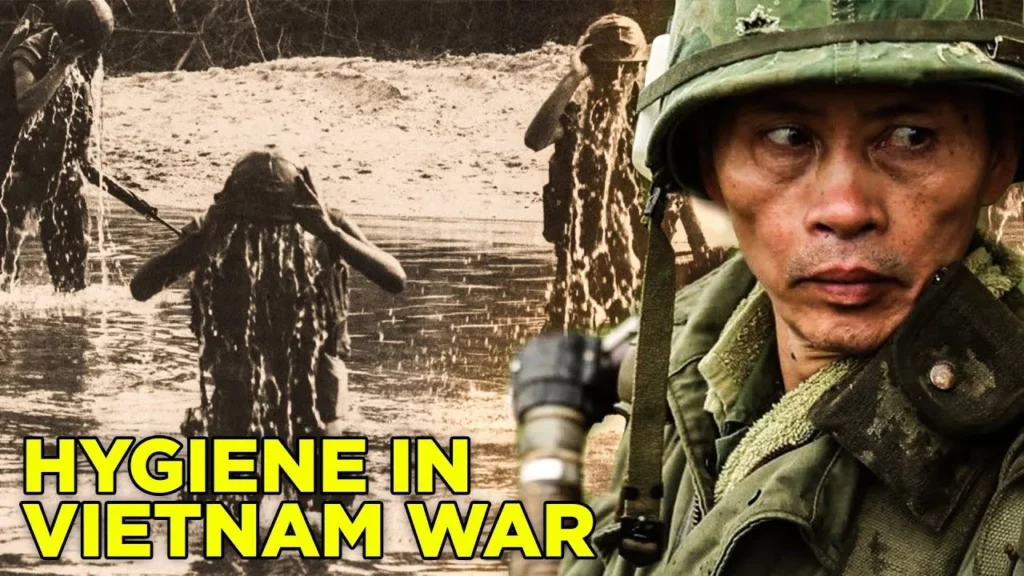
The lesson explores the challenging hygiene conditions faced by soldiers during the Vietnam War, highlighting the extreme heat, contaminated water sources, and lack of sanitation facilities that contributed to various health issues. Soldiers often dealt with body odor, infections, and foot problems due to inadequate hygiene practices, while the emotional toll of the war further complicated their ability to care for themselves. Overall, the lesson emphasizes that war significantly impacts not only physical health but also emotional well-being, making proper hygiene a critical yet often neglected aspect of military life.
Creepy Things in Ancient Egypt
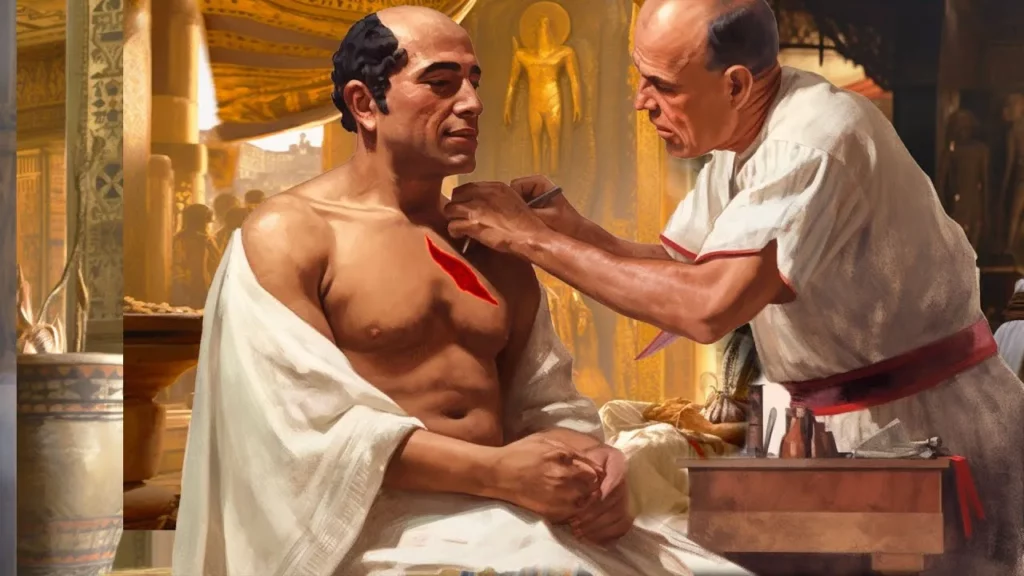
The lesson explores the intriguing role of barbers in ancient Egypt, highlighting their connection to religious practices and social status. Barbers, often functioning as priests and healers, played a vital role in grooming, which was intertwined with spiritual beliefs and cultural trends. The lesson also discusses the evolution of grooming tools, the significance of hairstyles, and the legendary stories of barbers, illustrating how this profession was both respected and essential in ancient Egyptian society.
Filthy Secrets of Life on the American Frontier

The lesson explores the dynamic and often harsh realities of life on the American frontier, highlighting the significant expansion of the United States and the courageous individuals who shaped this era. Key figures such as Daniel Boone, Davy Crockett, John C. Fremont, Kit Carson, and Sacagawea are discussed, showcasing their adventurous spirits, struggles, and contributions to American history. Through their stories, the lesson illustrates the challenges and triumphs faced by those who ventured into the unknown territories of the West.
Is Russia Declining Like Ancient Rome?
The lesson explores the parallels between the decline of ancient Rome and contemporary Russia, emphasizing that both empires experienced inevitable decline after periods of rapid expansion. It highlights economic struggles, military overextension, and corruption as common challenges faced by both, suggesting that, like Rome, Russia may face fragmentation and weakened governance if it fails to address these issues. Ultimately, the lesson serves as a reminder that while history may not repeat itself exactly, it often reveals familiar patterns that can inform our understanding of current events.
Creepy Things that were “Normal” During Vietnam War

The lesson explores the unique and often terrifying experiences faced by American soldiers during the Vietnam War, highlighting the psychological challenges of unfamiliar guerrilla warfare and the harsh natural environment. Soldiers contended with deadly wildlife, such as venomous snakes and insects, while also grappling with local beliefs in spirits that added to their anxiety. Overall, the combination of combat stress, environmental dangers, and cultural fears created a complex and haunting experience for those involved in the conflict.
What Life Was Like As A Mongol Under Genghis Khan
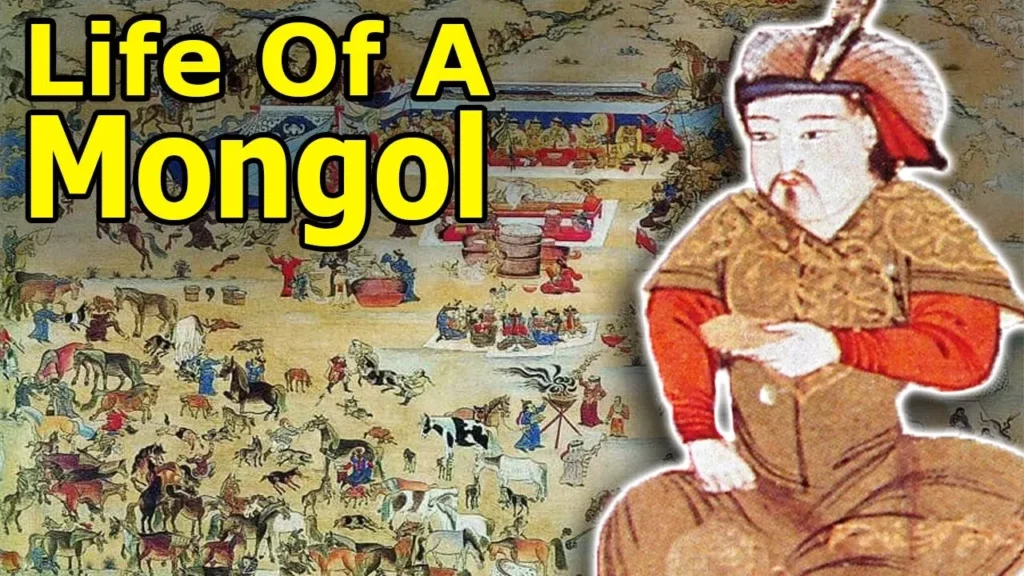
The lesson explores life under Genghis Khan, highlighting the Mongols’ reputation as fierce warriors alongside their establishment of a diverse and accepting society. Genghis Khan promoted cultural respect and knowledge, allowing various religions to coexist peacefully, while also fostering social advancements, particularly for women. Daily life was marked by unique beliefs, superstitions, and a strong emphasis on survival skills, reflecting the Mongols’ adaptability and innovative practices.
What Drugs were Like for Nazi Germany
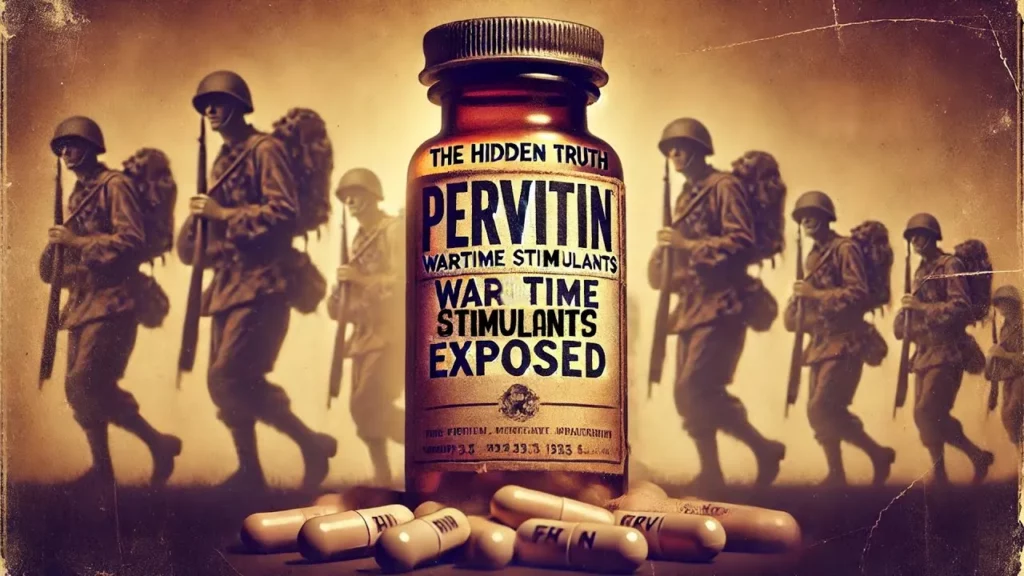
The lesson explores the paradoxical relationship between the Nazi regime and drug use in Germany, highlighting how, despite publicly condemning drugs, the Nazis utilized them to enhance military performance and control the population. While the regime initially focused on regulating substances like morphine and promoting a healthy lifestyle, they simultaneously relied on performance-enhancing drugs such as amphetamines for soldiers, which contributed to both military successes and long-term health issues. This contradiction underscores the complexities of drug policies during a tumultuous period in history.