
Creepy Mysteries Around The World
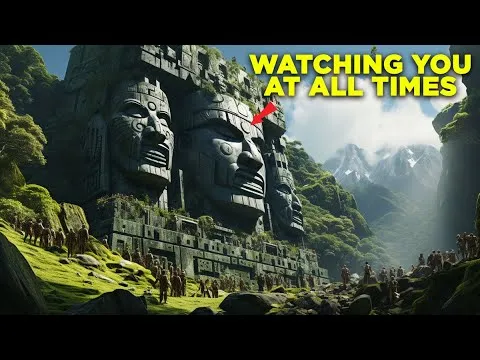
This lesson delves into some of the world’s most intriguing historical mysteries, highlighting remarkable creations that continue to baffle researchers. From the lost Amber Room and the enigmatic stone spheres of Costa Rica to the ancient site of Tiwanaku and the potential pyramid of Ganong Padang in Indonesia, each mystery raises questions about the ingenuity and capabilities of ancient civilizations. The lesson encourages curiosity about these wonders and the ongoing quest to uncover the secrets of our past.
What Do We Know About Japan's Shadow Government?

The lesson explores the Yakuza, Japan’s organized crime syndicate, highlighting its historical origins, hierarchical structure, and transformation into a powerful entity involved in various legitimate and illegitimate businesses. The Yakuza’s influence extends into politics and culture, where they are both feared and respected, embodying a complex moral code that reflects their unique place in Japanese society. Despite their criminal activities, they have integrated into various industries and even participate in community efforts, showcasing their multifaceted role in Japan.
Everything You Did Not Know about The Vikings
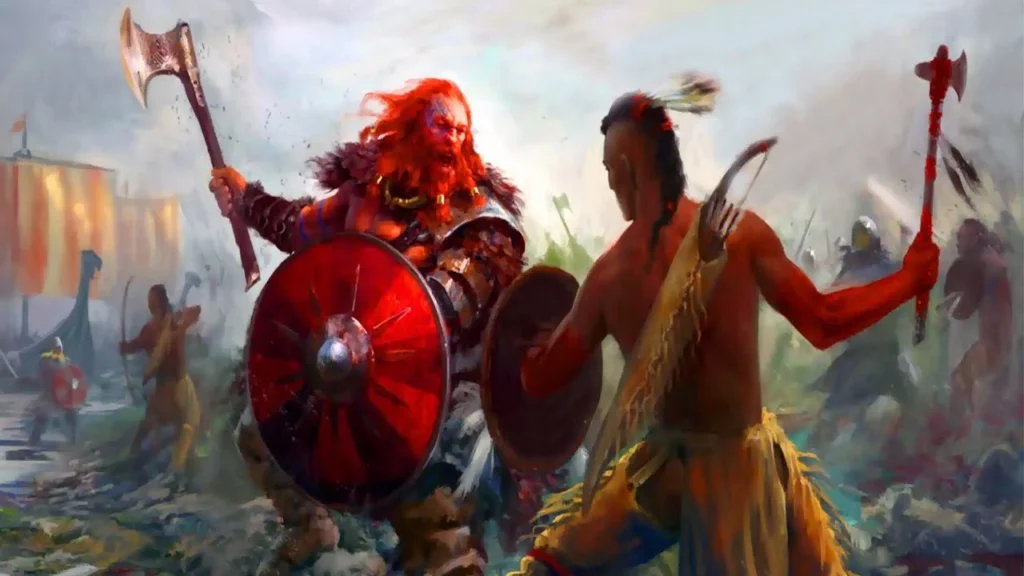
The lesson explores the multifaceted nature of the Vikings, highlighting their roles as explorers, traders, and settlers rather than merely raiders. It delves into their societal structure, daily life, and significant contributions to European history, including their settlements and cultural exchanges. Additionally, it addresses common myths about the Vikings, emphasizing their complex society and lasting legacy in modern culture.
Why did Nuremberg go so WRONG | WW2
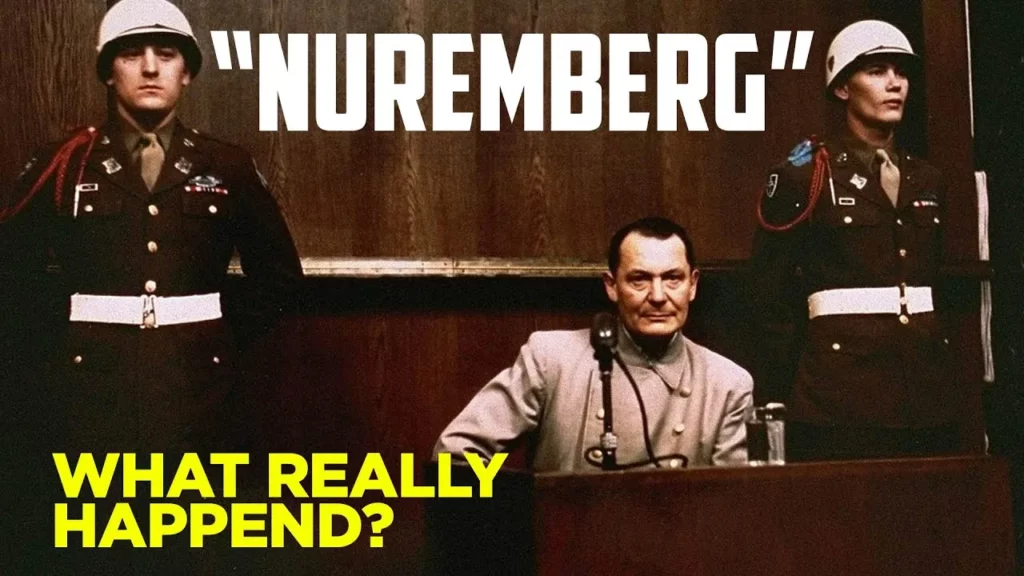
The lesson explores the Nuremberg Trials, which were established after World War II to hold Nazi leaders accountable for their crimes against humanity, including the Holocaust. Despite being a groundbreaking effort in international law, the trials faced criticism for perceived leniency and were marked by mixed reactions regarding their fairness and effectiveness. Ultimately, the Nuremberg Trials set important precedents for future accountability in international law, influencing subsequent human rights conventions and the way nations communicate in legal contexts.
What Life was Like During the Crusades
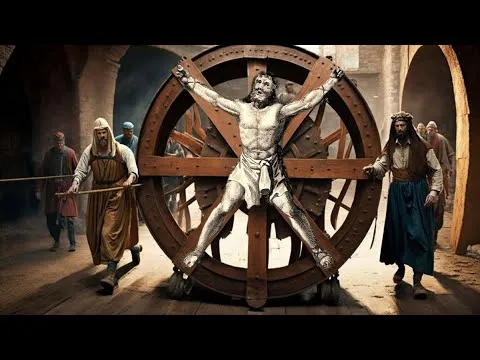
The lesson explores the harsh realities of life during the Crusades, a series of brutal religious wars from the 11th to 16th centuries, primarily driven by the desire to control sacred lands like Jerusalem. It highlights the severe punishments faced by prisoners, the significant roles women played, and the shifting focus of the Crusaders towards heresy, culminating in widespread destruction. Ultimately, the Crusades left a profound legacy, impacting cultural and religious relationships for centuries to come.
What Secrets Did the Romans Know About the Pyramids
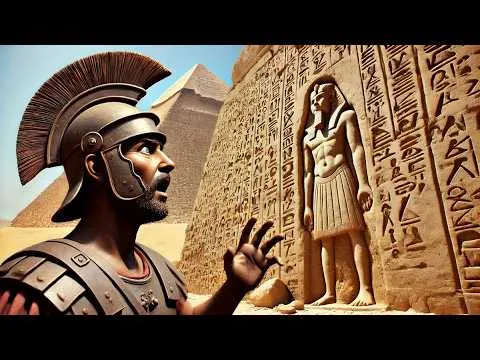
The lesson explores the Roman fascination with ancient Egyptian monuments, particularly the transportation of a massive obelisk to Rome in 357 AD, which symbolized imperial power and sparked interest in Egypt’s history and culture. Despite their admiration, the Romans struggled to understand the hieroglyphics and the true age of the pyramids, often relying on flawed historical accounts from figures like Herodotus. This curiosity led to a cultural exchange between Greece and Rome, with both civilizations attempting to decipher the mysteries of Egypt while contributing to a legacy of speculation and intrigue surrounding its monumental structures.
The Last Samurai Explains the Final Days of Ancient Japan
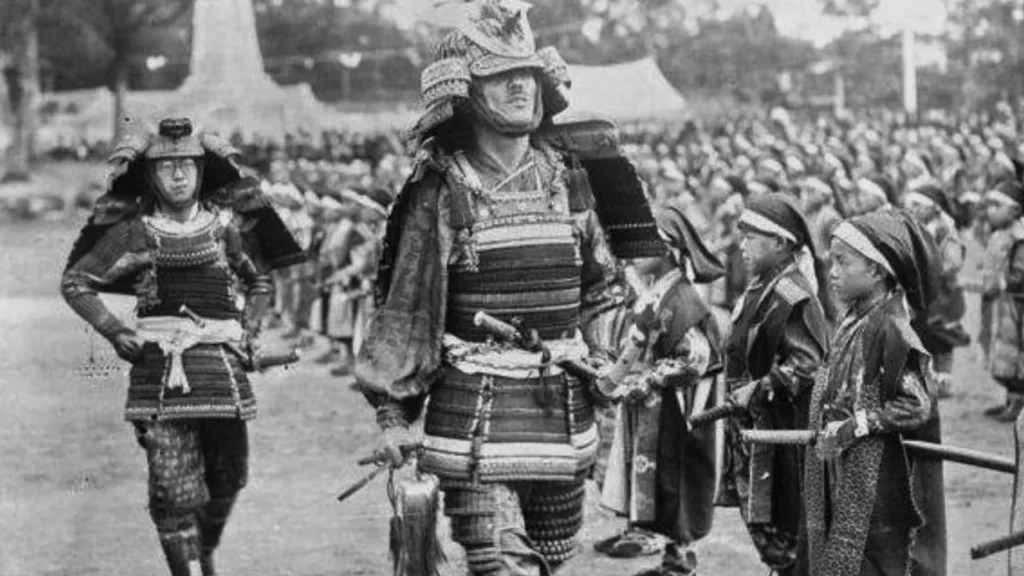
The lesson explores the transformative journey of Japan during the Meiji era through the experiences of Ido Homi, who witnessed the country’s shift from a feudal society to a modern nation. It highlights the internal conflict between isolationist and modernization advocates, the dangers faced by those pushing for change, and the eventual fall of the Tokugawa shogunate, leading to the Meiji Restoration. Ido’s efforts, alongside his companions, were pivotal in advocating for the restoration of imperial power and the modernization necessary for Japan to compete globally.
5 “Disturbing” Events that Destroyed Ancient Egypt
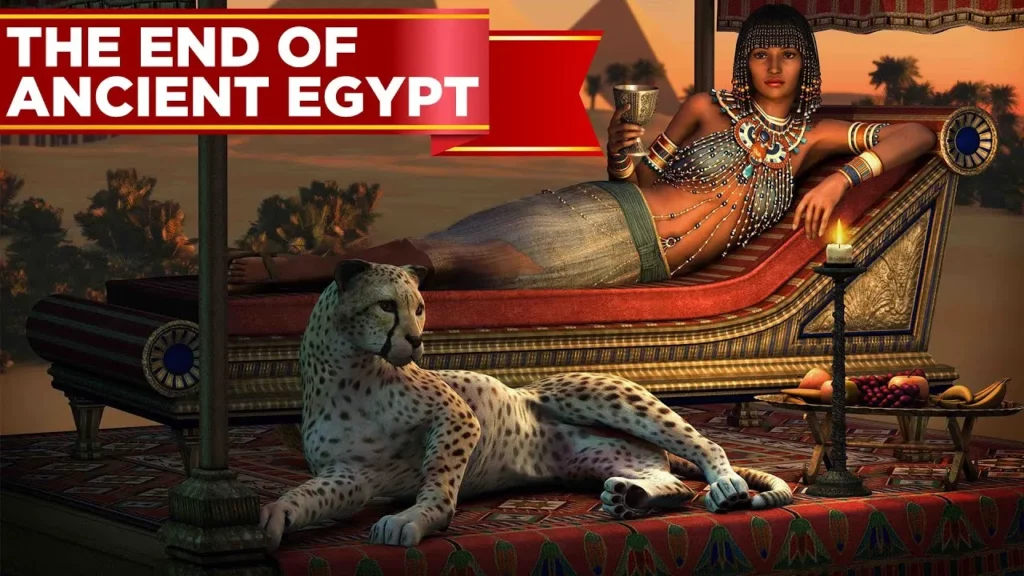
The lesson explores five pivotal events that shaped ancient Egypt’s history, highlighting the civilization’s resilience in the face of foreign invasions and internal strife. Key moments include the Libyan takeover, the rise of Alexandria under Alexander the Great, the Roman invasion and Cleopatra’s tragic end, as well as the challenges faced during the Old and Middle Kingdoms. Ultimately, the New Kingdom emerged as a period of prosperity, showcasing Egypt’s ability to endure and thrive despite numerous adversities.
Creepy Mysteries Throughout History
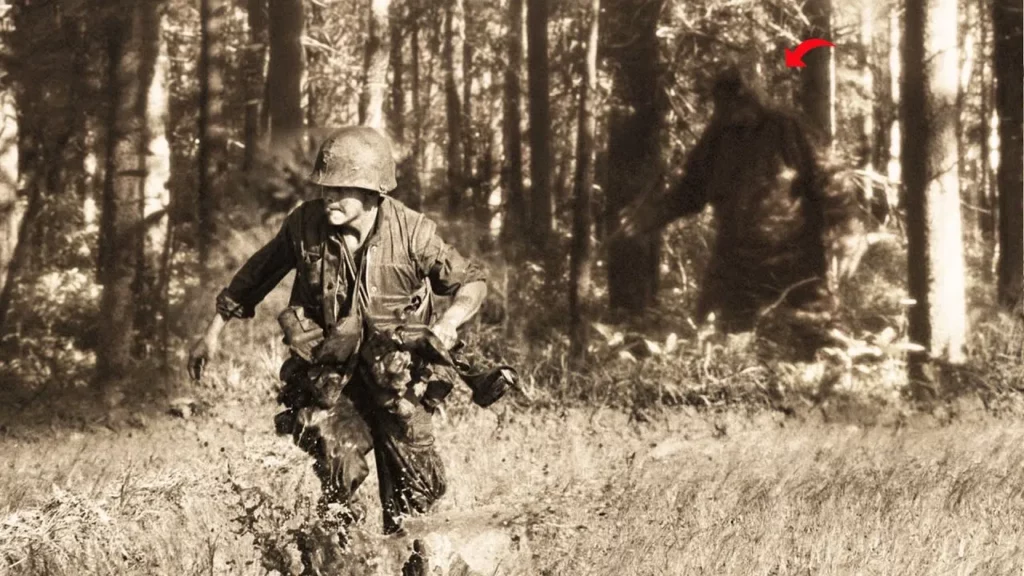
The lesson explores a variety of intriguing historical mysteries that blend fact and fiction, captivating our imaginations and challenging our understanding of the past. Notable cases include the disappearance of the Roanoke Colony, the abandoned ship Mary Celeste, the bizarre Dancing Plague of 1518, the undecipherable Voynich Manuscript, and the enigmatic Somerton Man. These stories highlight the enduring questions surrounding these events and the complexities of history that continue to intrigue both amateur sleuths and professional investigators.
The Beautiful Life of Queen Elizabeth II

The lesson highlights the life and legacy of Queen Elizabeth II, who reigned for over 70 years, becoming a beloved figure known for her empathy, wit, and dedication to her people. It covers her early life during World War II, her love for corgis, her extensive travels, and her interactions with world leaders, illustrating her unique personality and approach to monarchy. The lesson concludes by emphasizing her role as a devoted grandmother and her lasting impact on the British monarchy and society.