
Creepy Things About The Scary Countess of Hungary
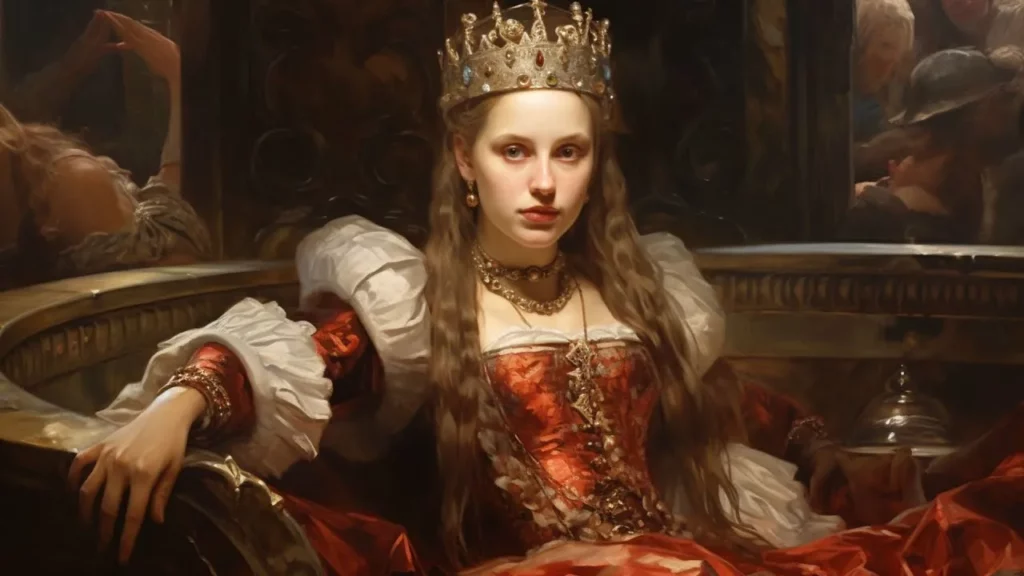
The lesson explores the chilling story of Elizabeth Bathory, a historical figure from Hungary whose life may have inspired vampire legends like Dracula. It details the investigation into her castle in 1610, where numerous young women were reported missing, leading to dark accusations of torture and blood rituals. Despite being arrested, Bathory was never tried, leaving her legacy shrouded in mystery and raising questions about her guilt and the truth behind the horrific tales.
CREEPY Things That Were "Normal" in Ottoman Empire
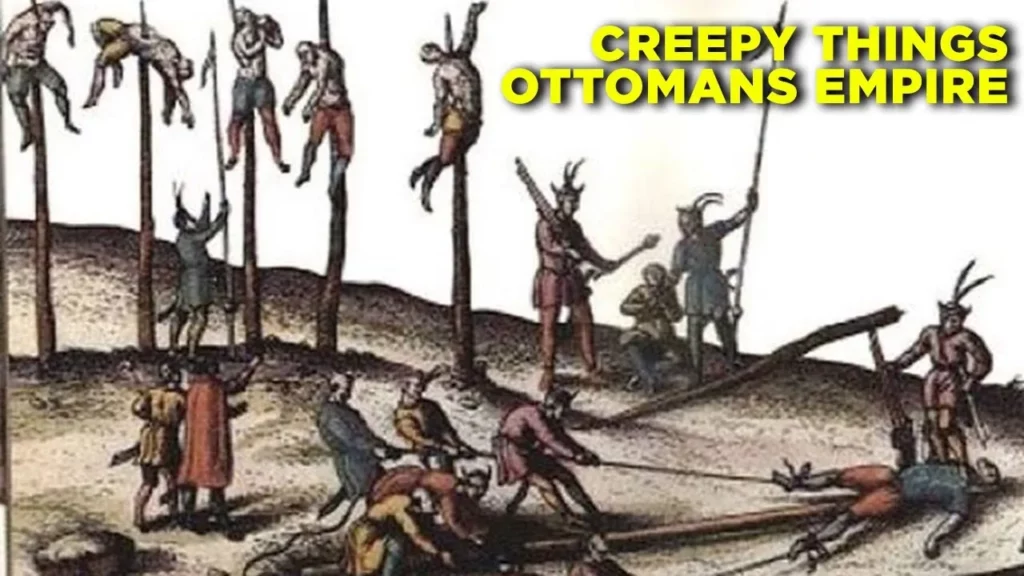
The lesson explores unsettling practices within the Ottoman Empire that contrasted with its grand historical image, highlighting the deadly sibling rivalries among princes, the confinement of potential heirs in “cages,” and the oppressive life of sultans. It also discusses the significant influence of the harem, the harsh justice system, and the controversial devshirme system, which involved forcibly recruiting boys from Christian communities. These practices contributed to the empire’s complexities and eventual decline, prompting reflection on the true nature of its legacy.
Why was this The Worst Time to be Alive?
The lesson explores the catastrophic events of 536 AD, a year marked by a mysterious volcanic haze that plunged the Earth into darkness, leading to severe agricultural failures, widespread famine, and the outbreak of the Bubonic plague. This period significantly impacted civilizations, particularly the Byzantine Empire, as Emperor Justinian’s ambitions were thwarted by these disasters, resulting in societal collapse and loss of life on a massive scale. Ultimately, the lesson serves as a reminder of the fragility of human civilization in the face of environmental upheaval and the importance of understanding our relationship with nature.
Scariest Things that were "Normal" in History
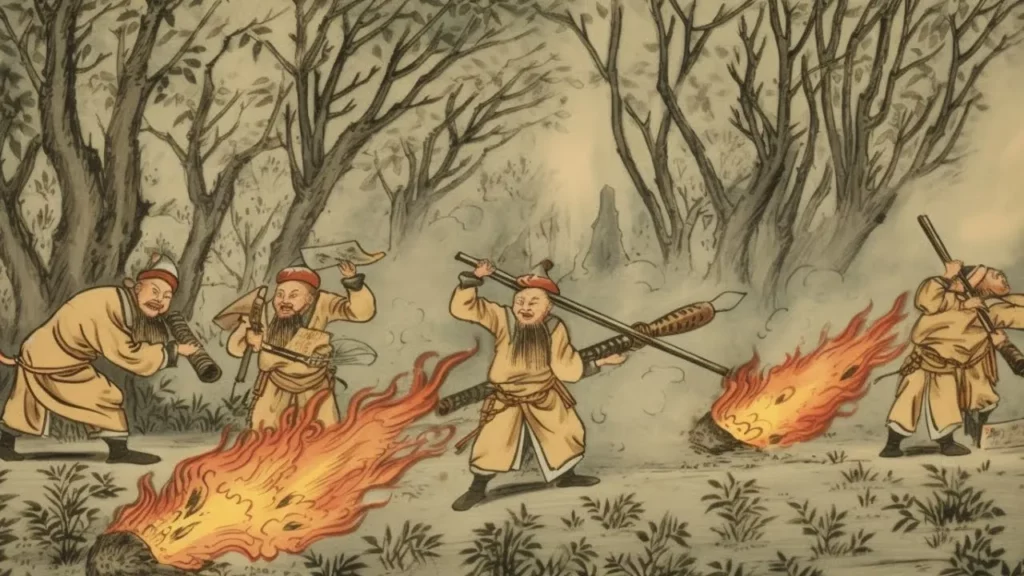
The lesson explores some of the most alarming and inventive weapons used throughout history, highlighting how humans have employed creativity in warfare. Examples include the use of flaming pigs to disrupt enemy elephants, the Claw of Archimedes for sinking ships, and the horrifying Brazen Bull for punishment. Additionally, it discusses the development of flamethrowers in China and the strategic use of war elephants, illustrating the lengths to which civilizations have gone in their pursuit of military advantage.
What Hygiene Was Like in the Civil War
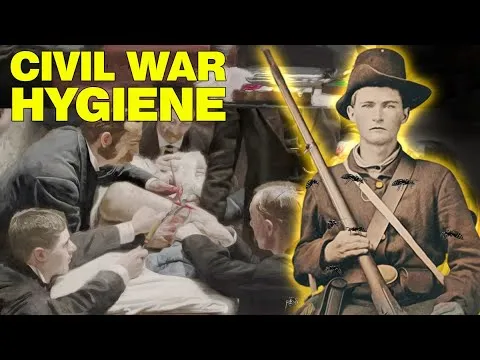
The lesson explores the poor hygiene conditions faced by soldiers during the American Civil War, highlighting issues such as contaminated water supplies, inadequate medical care, and unsanitary living environments. Soldiers often dealt with diseases like dysentery due to dirty camps and insufficient medical training led to the rapid spread of infections from unclean surgical practices. Despite these challenges, soldiers found ways to cope with their harsh realities, illustrating the grim circumstances of wartime life.
What It Was Like To Be a Marine at Iwo Jima during WW2
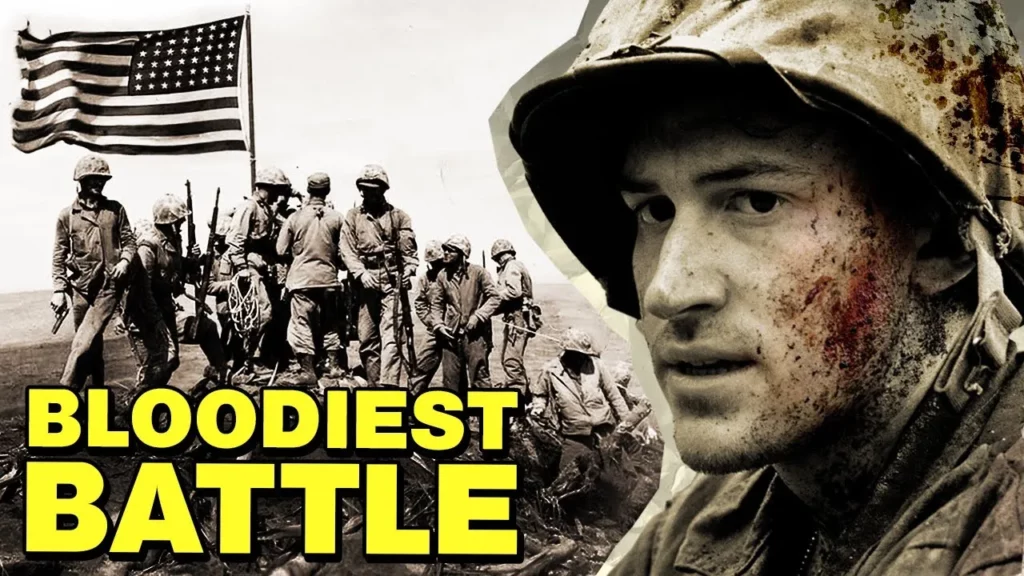
The Battle of Iwo Jima, fought from February 19 to March 26, 1945, was one of the most intense confrontations in Marine Corps history, marked by extraordinary bravery and significant casualties on both sides. U.S. forces, despite their numerical advantage and air superiority, faced formidable challenges from well-fortified Japanese defenders utilizing an extensive tunnel system and aggressive tactics. The battle resulted in nearly 7,000 U.S. Marine deaths and the awarding of 27 Medals of Honor, highlighting the heroism displayed, particularly through the use of flamethrowers and the crucial role of Navajo Code Talkers in secure communications.
What Drugs were like in World War 2
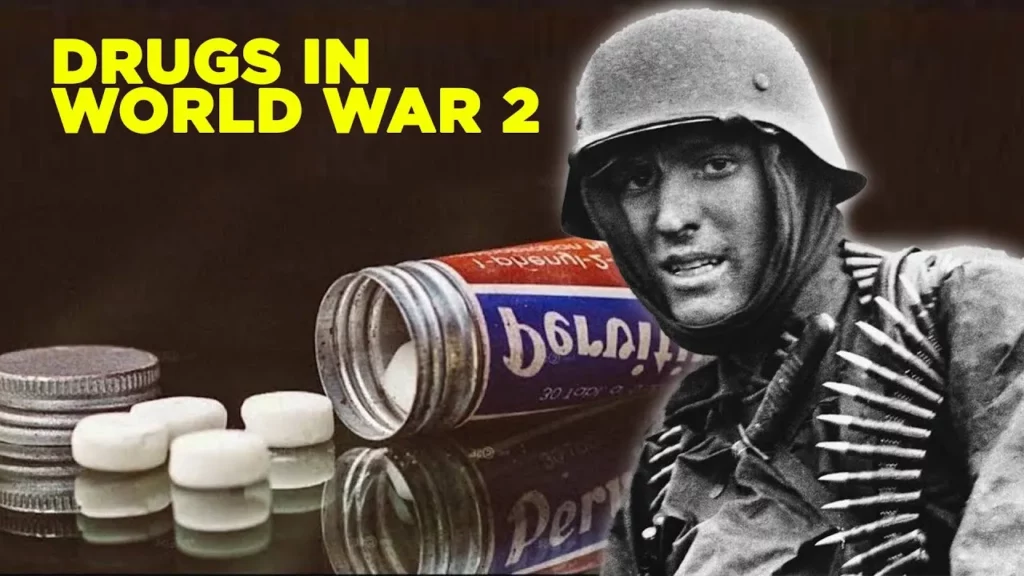
The lesson explores the significant role of drugs during World War II, highlighting how both the Allies and Axis powers utilized substances like amphetamines to enhance soldier performance and manage stress. While these drugs provided temporary benefits in terms of endurance and mental health, they also led to issues of dependency and raised ethical concerns, ultimately influencing post-war society and pharmacological research. The complexities of drug use in this context underscore the ongoing relationship between military operations and pharmacology.
Why You Wouldn't Survive Life In Ancient Greece
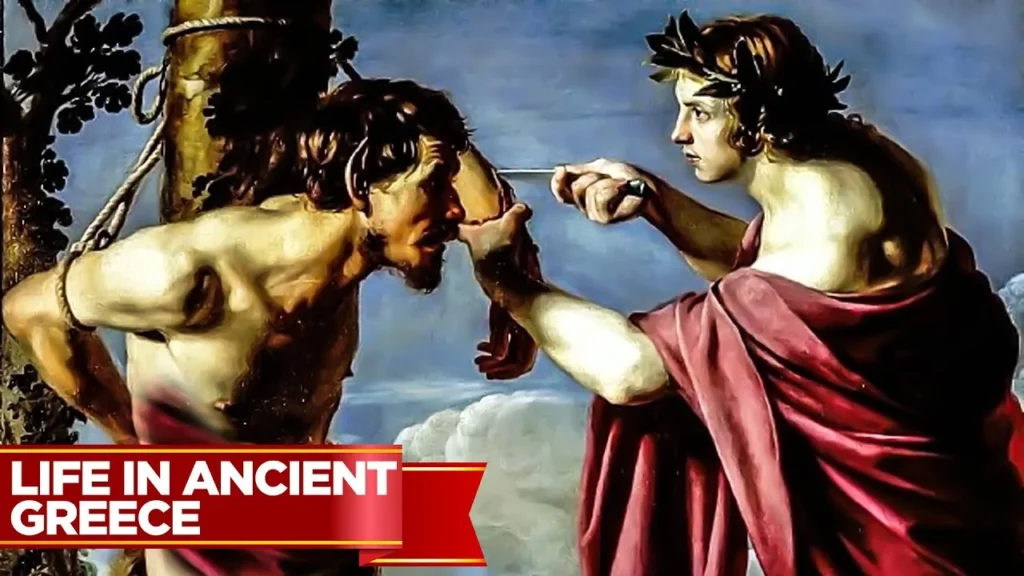
The lesson highlights the stark realities of life in ancient Greece, contrasting its celebrated achievements in democracy, art, and philosophy with the harsh conditions faced by many of its inhabitants. Warfare, strict laws, widespread slavery, and health risks created a challenging environment, making survival difficult for ordinary citizens. Despite its historical significance, the daily struggles of the population reveal a more complex and often grim picture of ancient Greek society.
Filthy Secrets of Brothels of the Victorian Era
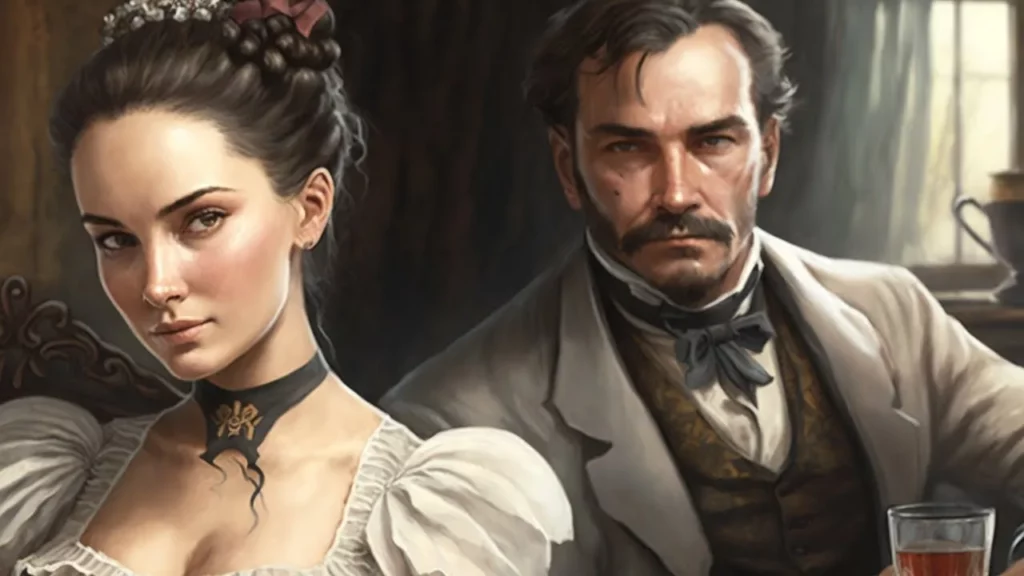
The lesson explores the complexities of the brothel industry during the Victorian era, revealing how it provided women with opportunities for financial independence despite societal stigma. While many women faced challenges such as health risks and limited freedom, brothels offered better pay and working conditions compared to traditional jobs, particularly for those with few options. The era’s contradictions are highlighted, showcasing how brothels catered to male desires while women navigated societal constraints in pursuit of autonomy and security.
Weird Food People Ate That’ll RUIN Your Appetite
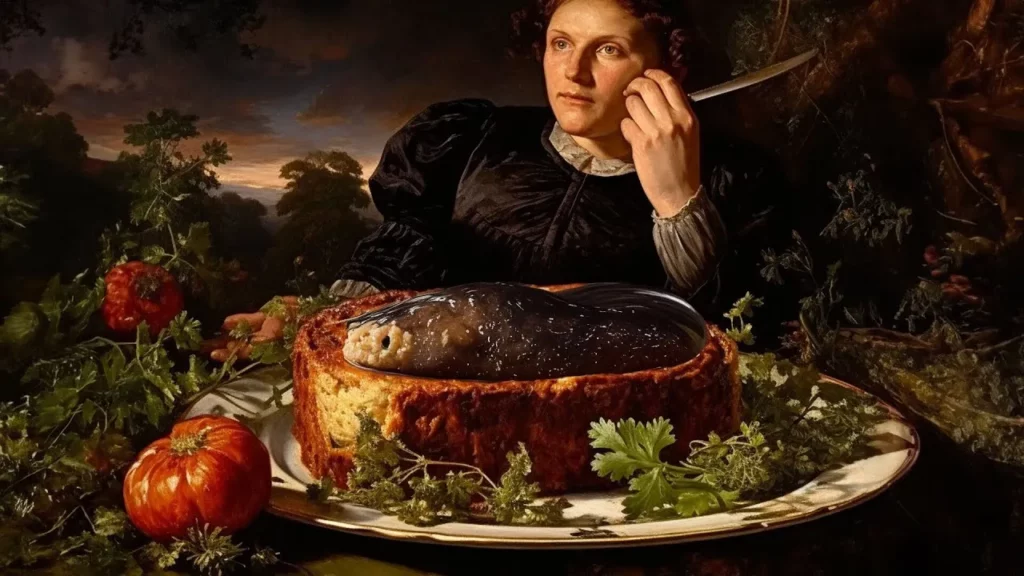
This lesson explores the intriguing relationship between food and culture, highlighting unusual dishes from various regions and their historical significance. From century eggs in China to the toxic delicacy fugu in Japan, each food item reflects unique culinary traditions and practices that have shaped local and global histories. The lesson invites curiosity about other bizarre food customs and their fascinating backstories.