
Crazy Addictions During The Victorian Era
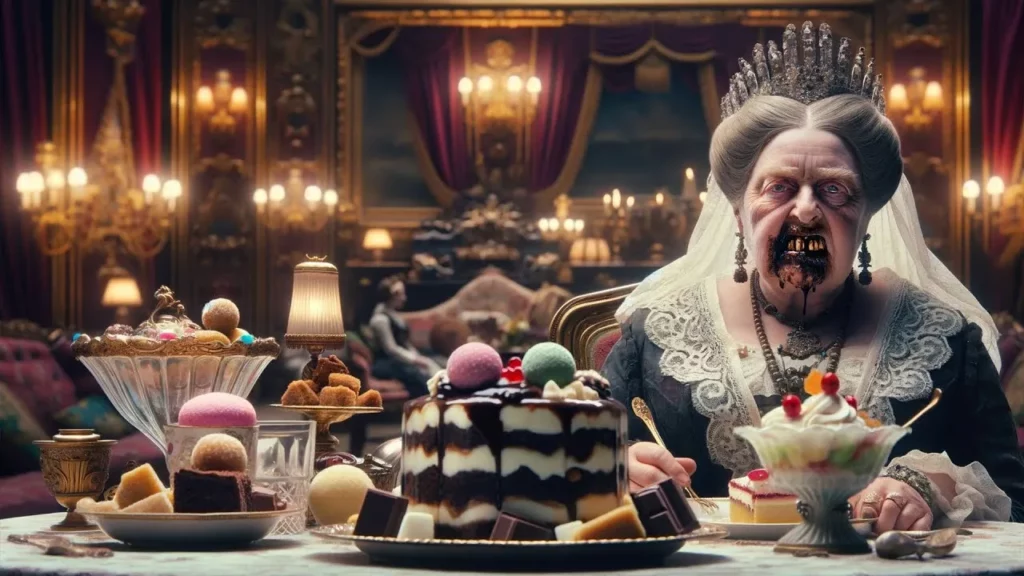
The lesson explores the paradoxes of the Victorian era, highlighting the surprising addictions and obsessions that existed beneath its strict social norms. It discusses the rise of sugar consumption, the bizarre trend of mummy unwrapping parties, the dangerous use of arsenic in cosmetics, and the complex relationship with intimacy, revealing a society that was both morally rigid and secretly indulgent. Through these examples, the lesson illustrates the contradictions that characterized this fascinating period in history.
When Did People Start Drinking Alcohol?
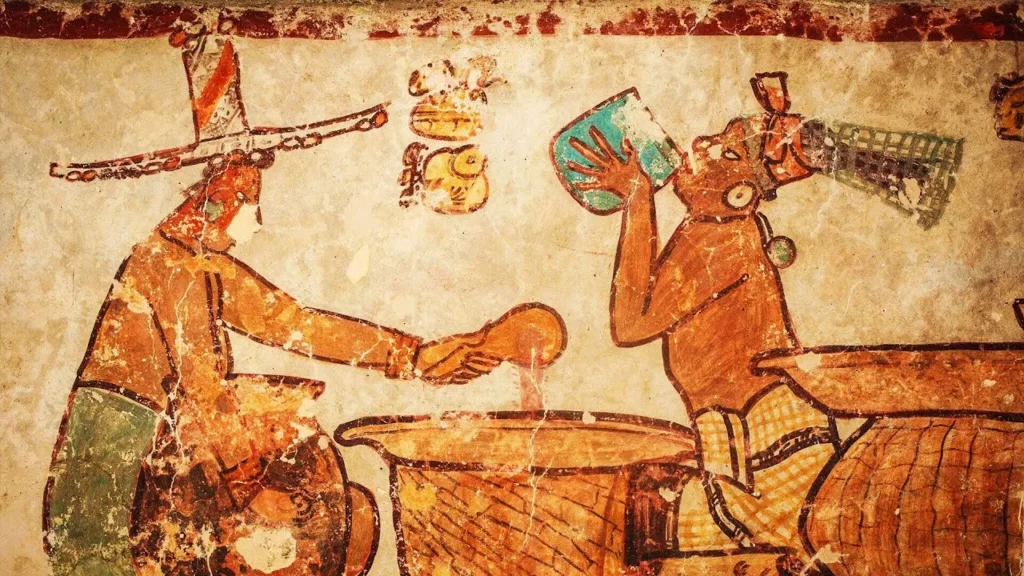
The lesson explores the origins and evolution of alcohol consumption, tracing its beginnings back to early humans who discovered fermentation through observing animals. It highlights the Natufians as some of the first brewers, the cultural significance of alcohol in ancient societies, and the development of various alcoholic beverages over time, including beer and wine. The lesson also discusses the impact of alcohol on human civilization, from ancient rituals to modern social practices, emphasizing its enduring influence throughout history.
Dumb Addictions of Royalty
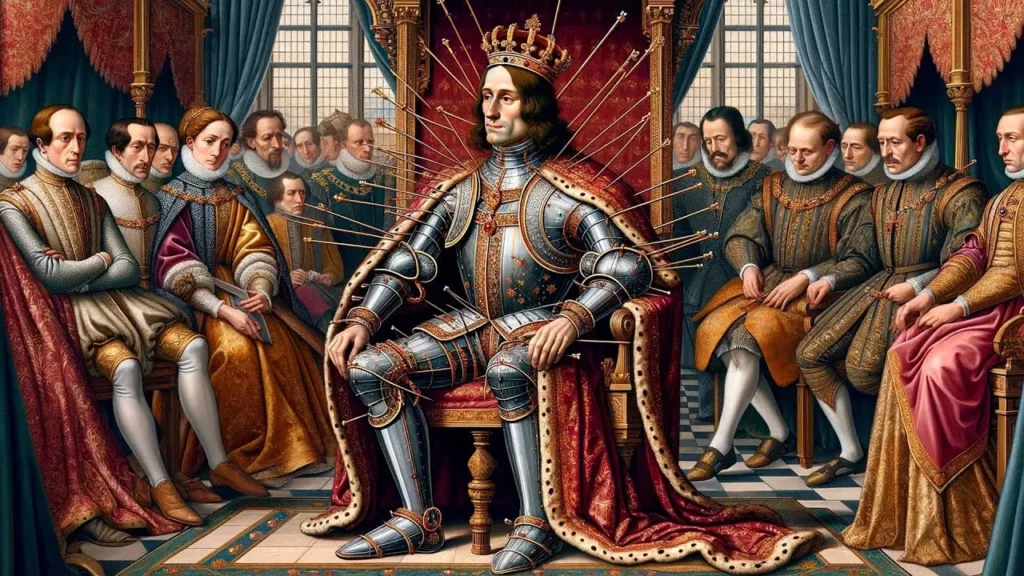
The lesson “Dumb Addictions of Royalty” explores the quirky and unusual obsessions of historical figures, highlighting how their intense interests sometimes crossed the line from hobby to obsession. Examples include Dwight Eisenhower’s struggle with squirrels disrupting his golf green, Peter III’s fascination with toy soldiers, and Joanna of Castile’s extreme grief over her husband’s death. The lesson illustrates that even royalty can have peculiar pastimes that reflect their personalities and circumstances.
What Food was like for Native Americans on American Frontier
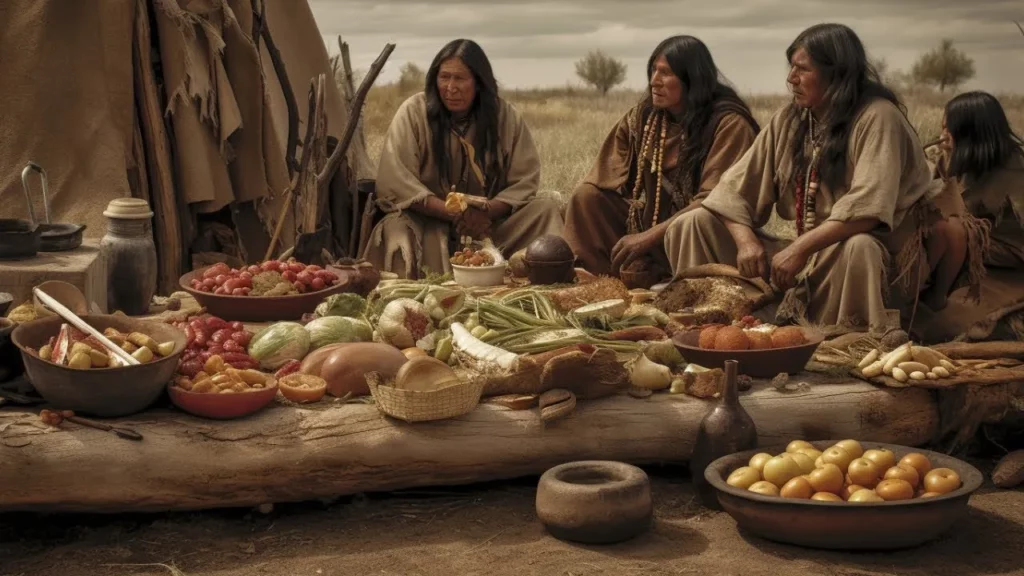
The lesson explores the diverse and culturally significant food practices of Native Americans on the American Frontier, highlighting how their diets extend beyond common perceptions of Thanksgiving staples. It discusses various traditional foods and practices, such as the Seminole tribe’s alligator wrestling, the Apache’s tiswin beer, and the origins of Navajo fry bread, while also touching on the impact of European contact and the rediscovery of native fruits like pawpaw. Overall, the lesson emphasizes the deep connection between food, culture, and history among Native American communities.
What Secrets were Lost During The Nanjing Nightmare
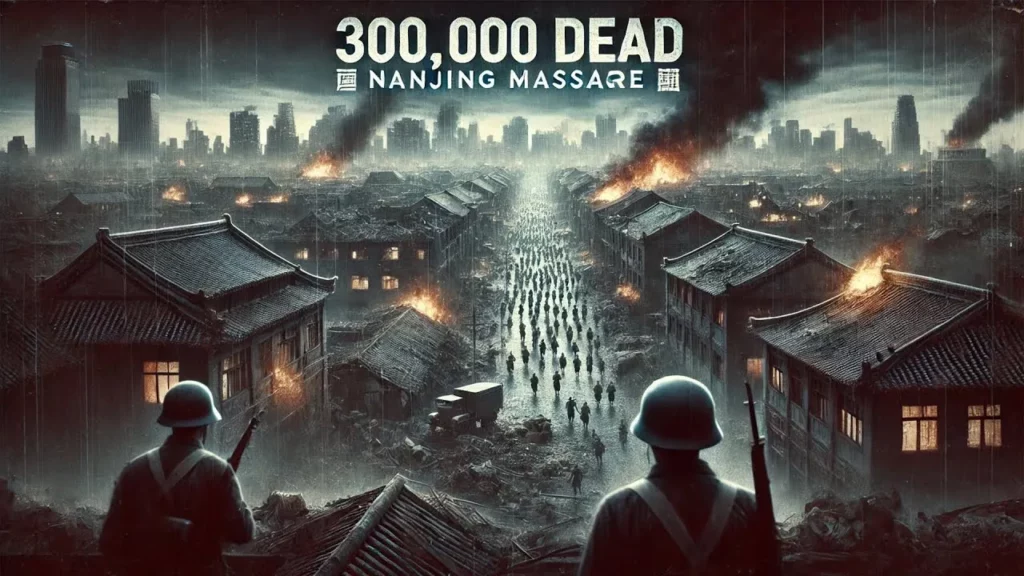
The lesson explores the harrowing events of the Nanjing Massacre during the Second Sino-Japanese War, highlighting the brutal invasion by Japanese forces in 1937 and the subsequent atrocities committed against civilians. It details the chaos that ensued after Nanjing’s fall, including widespread violence, cultural destruction, and the impact on the city’s social and economic structures. Amidst the devastation, acts of humanity emerged, such as John Rabe’s establishment of the Nanjing Safety Zone, which provided refuge for many fleeing the violence, underscoring the complex human responses to such a horrific crisis.
What Drugs were Like in World War 1
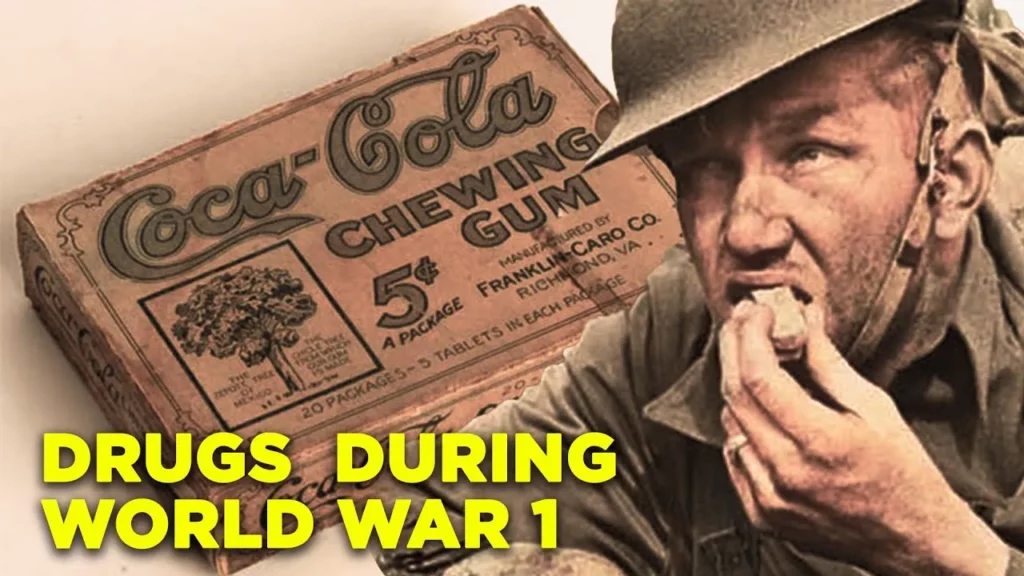
The lesson explores the use of drugs during World War I, highlighting their roles in both medical treatment and as performance enhancers for soldiers. Morphine was the primary pain relief medication, despite concerns about addiction and dosage errors, while other substances like stimulants were also utilized to boost morale and stamina. The widespread use of these drugs during the war led to increased awareness and eventual regulation of psychoactive substances in military settings.
Creepy Foods People Ate Throughout history
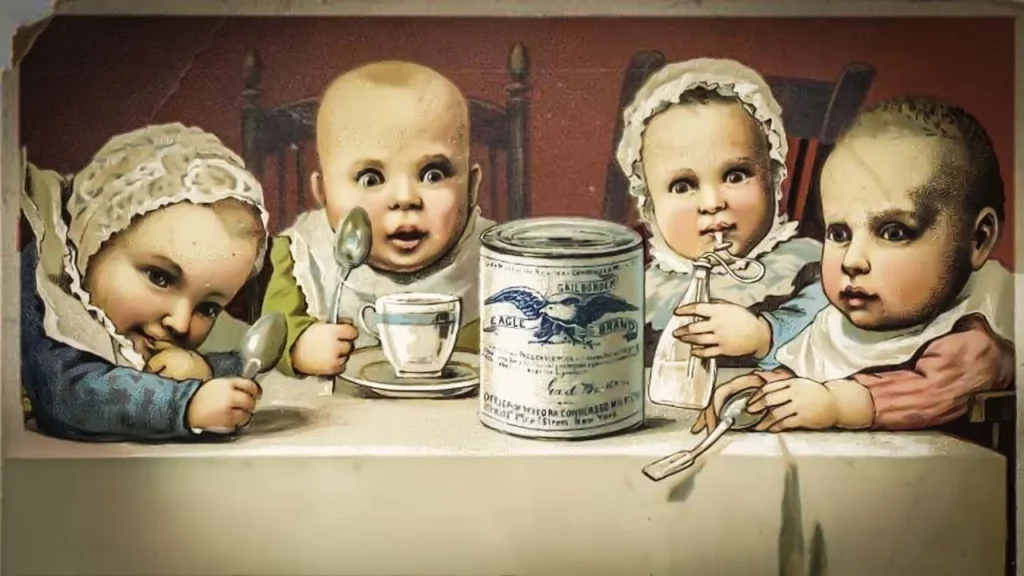
The lesson explores the diverse and often unusual foods consumed by various cultures throughout history, highlighting how these culinary choices reflect the environmental and survival needs of different societies. From ancient Roman garum and Aztec water boatmen eggs to medieval lamprey pie and modern delicacies like balut and mopane worms, these foods illustrate the adaptability and resourcefulness of humans in their quest for sustenance. Ultimately, the lesson emphasizes the importance of understanding these unique culinary traditions as a window into historical lifestyles and cultural practices.
A “Normal” Day as Crazy Horse on The American Frontier
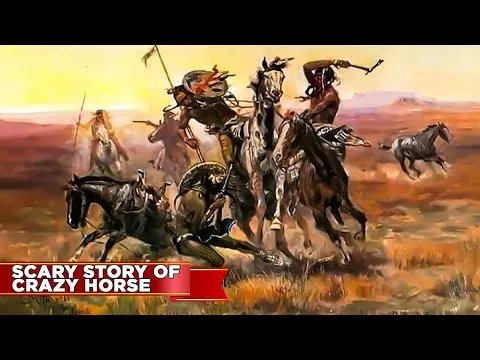
The lesson explores the life and legacy of Crazy Horse, a legendary Sioux warrior who fought against U.S. expansion and colonization in the late 19th century. It details his early life, his unification of various Plains tribes against the colonizers, and his pivotal role in significant battles, including the Battle of Little Bighorn. Ultimately, despite his bravery and efforts to protect his people, Crazy Horse’s journey ended in tragedy with his surrender and subsequent death, leaving behind a complex legacy marked by both resistance and the struggle for peace.
Did Hitler Escape Death after WW2 | Part III
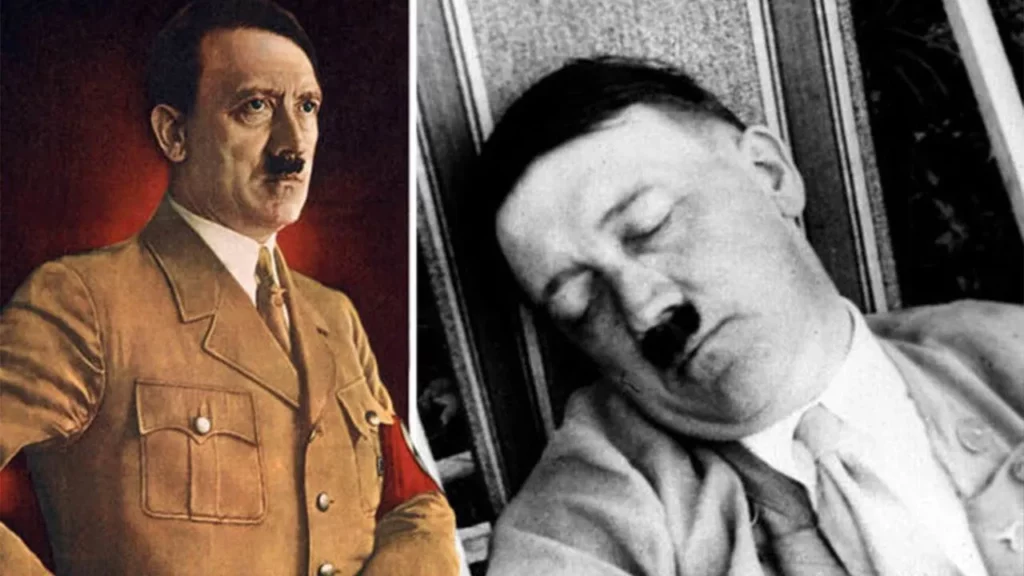
In the lesson “Did Hitler Escape Death after WW2 | Part III,” the narrative examines the theories surrounding Adolf Hitler’s potential escape from death at the end of World War II, particularly the notion that he fled to South America. However, the lesson concludes that substantial evidence, including eyewitness accounts, investigations by Nazi hunters, and forensic analysis, overwhelmingly supports the fact that Hitler died by suicide in Berlin on April 30, 1945, rather than escaping to live a quiet life elsewhere.
What Hygiene was like for Native Americans

The lesson explores the contrasting hygiene practices of Native Americans and European colonists during the early 1600s, particularly highlighting the Wampanoag people’s emphasis on regular bathing and cleanliness, which stood in stark contrast to the Europeans’ beliefs about bathing being unhealthy. While Native Americans utilized natural herbs and plants for hygiene and had innovative medical practices, they faced devastating diseases brought by the Europeans, which they had no immunity against. The lesson also touches on the broader implications of the Columbian Exchange, where the exchange of ideas and goods led to significant cultural and health impacts on both sides.