
Why You Wouldn’t Survive Life in the Wild West
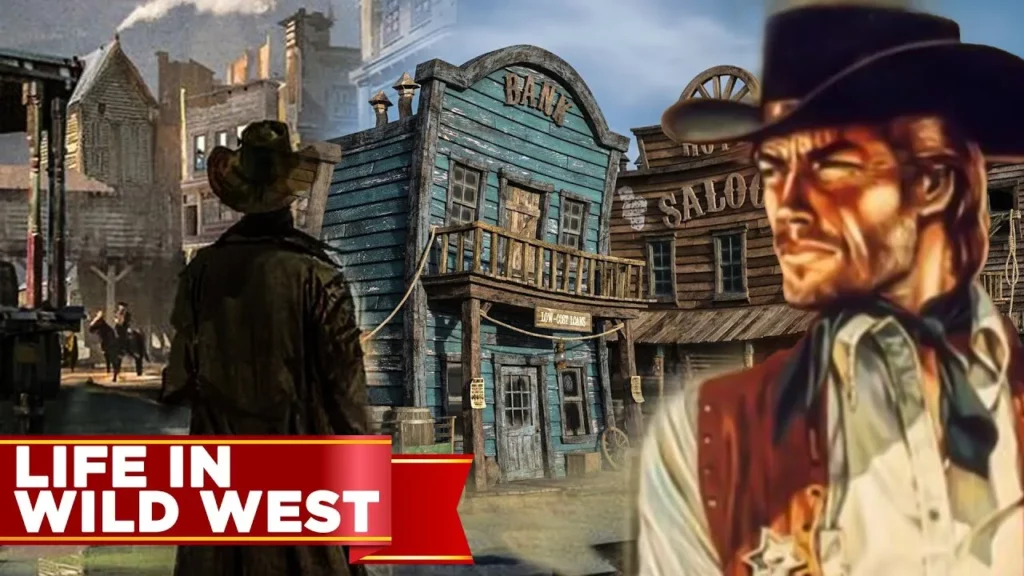
The lesson highlights the stark contrast between the romanticized portrayal of the American Wild West in films and the harsh realities of life during that era. It emphasizes the dangers of the treacherous journey westward, the prevalence of firearm accidents, lawlessness in towns like Dodge City, and the struggles faced by women and Native Americans. Ultimately, the lesson underscores the chaos and hardship that defined the Wild West, challenging the adventurous narrative often depicted in popular culture.
Filthy Brothels of The Wild West

The lesson explores the significant role women played in transforming the Wild West, particularly through their involvement in brothels, which provided companionship to lonely men and helped establish a sense of community in previously desolate areas. As these women gained financial independence and influence, they contributed to the development of towns and even political advancements, such as Wyoming granting women the right to vote in 1869. Despite facing numerous challenges, including violence and health risks, many women found ways to thrive and even transitioned into other careers after the era of the Wild West.
Filthy Secrets of Ancient Egypt
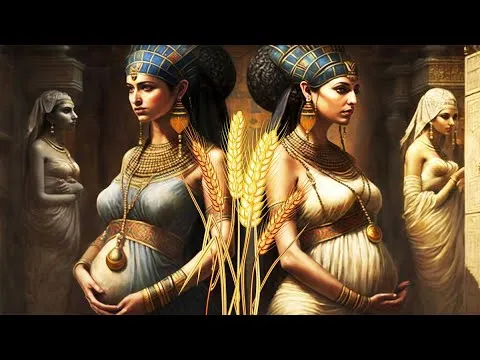
In this lesson, we explored the intriguing and often surprising aspects of ancient Egyptian civilization, highlighting their unique practices related to hygiene, health, and beauty, as well as their beliefs about pregnancy and the afterlife. We also examined the roles of magic and the legal system, along with the complexities of gender in their mythology. Overall, the lesson reveals how ancient Egyptians balanced advanced medical knowledge with cultural beliefs, shaping their society in fascinating ways.
"Creepy" Things You Did not know about Rasputin
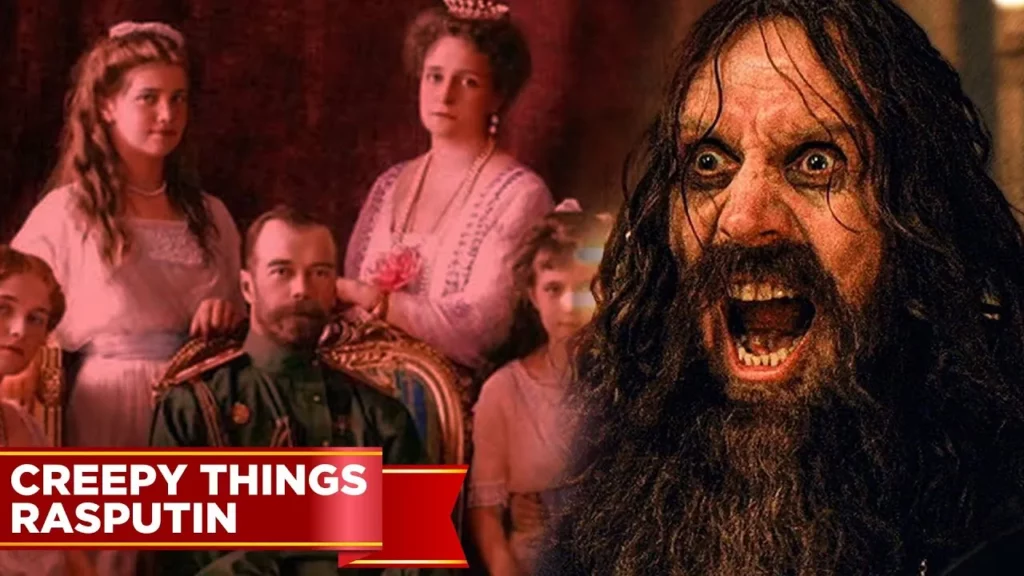
The lesson explores the intriguing and controversial life of Gregory Rasputin, a Russian mystic who rose to influence during the turbulent times of early 20th-century Russia. Despite his dubious claims of healing powers and a scandalous reputation, Rasputin became a close advisor to the royal family, ultimately becoming a scapegoat for the monarchy’s failures. His dramatic assassination in 1916, marked by bizarre circumstances, foreshadowed the impending Russian Revolution and the downfall of the Romanov dynasty.
Disturbing Discoveries of the Victorian Era
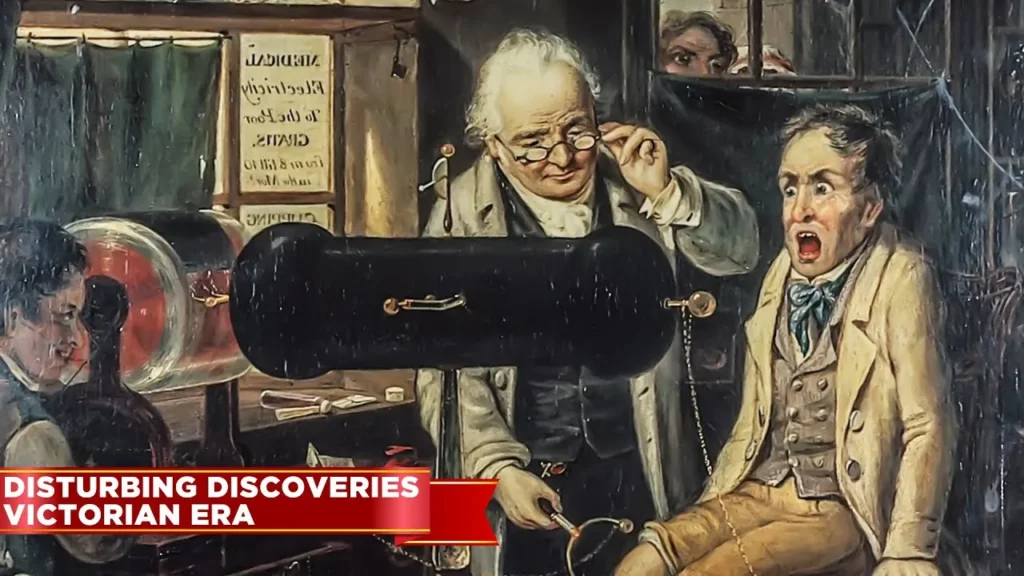
The Victorian era was a time of remarkable creativity and scientific exploration, yielding both groundbreaking inventions and some peculiar discoveries. While figures like Charles Emilia Blanchard and George Vashar de la Puja captivated the public with theories about Atlantis and giant skeletons, many of these ideas were later deemed questionable or unfounded. This period highlights the dual nature of curiosity, leading to both significant advancements and intriguing, yet bizarre, claims in the realm of science.
"Creepy" Mysteries of Vietnam
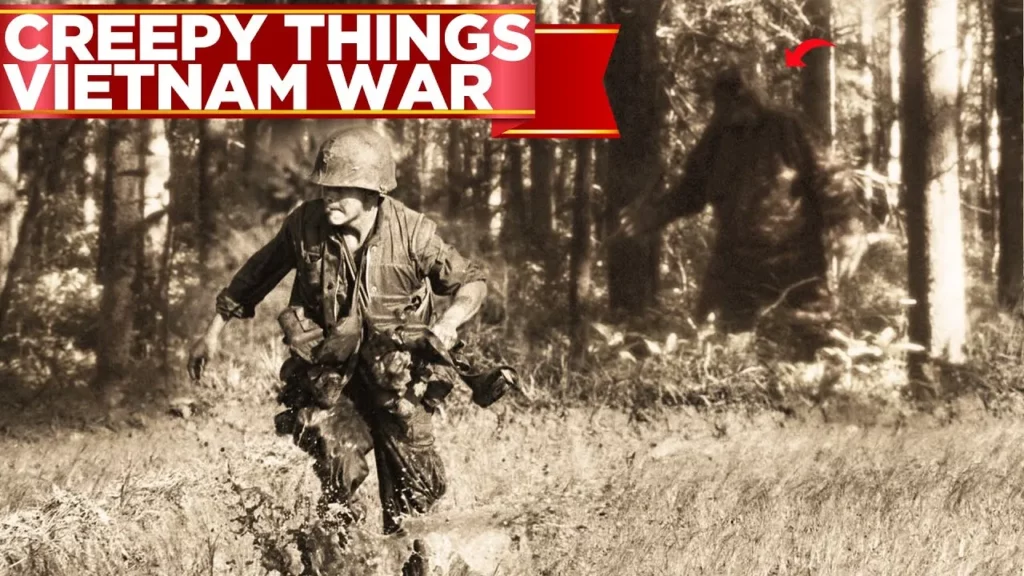
The lesson on the “Creepy Mysteries of Vietnam” explores the unique challenges faced by American soldiers during the Vietnam War, highlighting the intense combat experience, unfamiliar terrain, and psychological struggles they endured. It delves into mysterious incidents, such as the disappearance of Flight 739 and the enigmatic circumstances surrounding historical figures like Trần Minh Tế, while also examining the use of psychological warfare tactics. Ultimately, these elements underscore the complexities of the war and its enduring impact on those involved.
What Happened to the Vikings After Battling The Native Americans
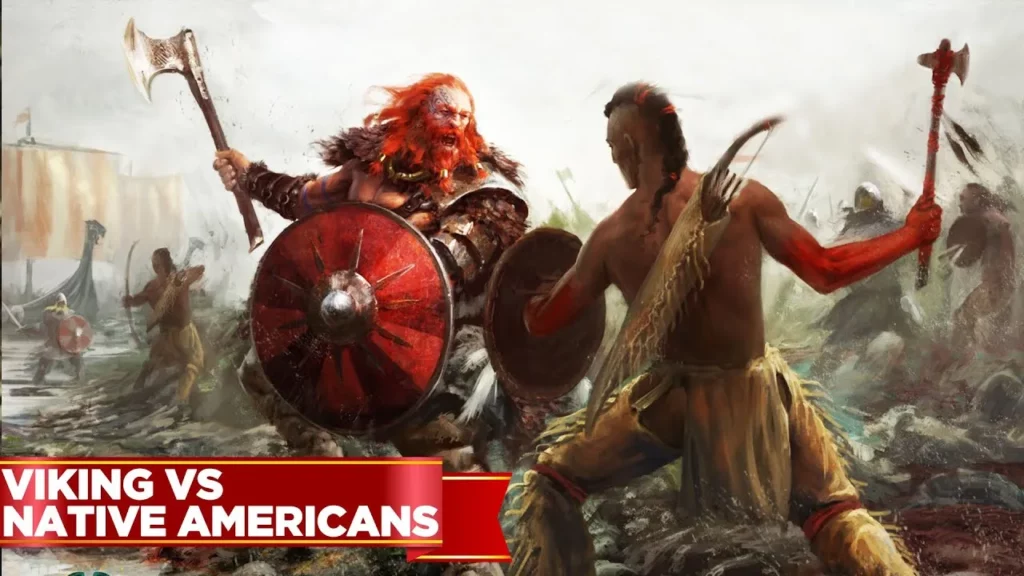
The lesson explores the brief encounters between the Vikings and Native Americans around 1000 A.D., highlighting key figures like Leif Erikson and Thorvald Erikson, who faced conflicts during their explorations in North America, known as Vinland. Despite initial peaceful interactions, tensions escalated, leading to battles that ultimately forced the Vikings to abandon their settlements. Evidence of their presence, such as the archaeological site at L’Anse aux Meadows, and accounts from sagas provide insight into this fascinating yet short-lived chapter of history.
How the Rosetta Stone Changed the World
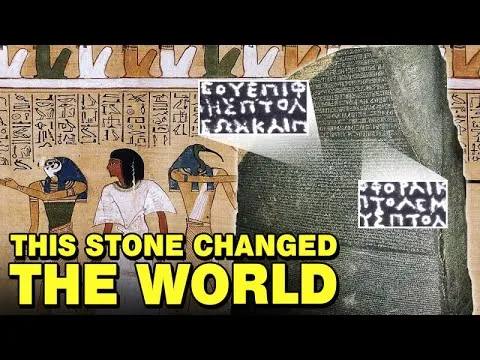
The Rosetta Stone, discovered in 1799 during Napoleon’s campaign in Egypt, was pivotal in deciphering ancient Egyptian languages, particularly hieroglyphs. Its inscriptions in Greek, Demotic, and hieroglyphic scripts enabled scholars like Thomas Young and Jean-François Champollion to unlock the mysteries of ancient Egyptian culture and history, significantly enhancing our understanding of this civilization. Today, the stone resides in the British Museum, symbolizing both the fascination with Egyptian history and the ongoing debate over its rightful ownership.
Most Bizarre Deaths Throughout History

This lesson delves into some of the most bizarre and unexpected deaths throughout history, highlighting how mortality can be both shocking and absurd. From tragic love stories to ironic accidents, the lesson presents a collection of unusual tales, such as a young man’s suffocation in a closet and a mayor’s fatal trip over his own beard, illustrating the unpredictable nature of life and death. Through these anecdotes, the lesson invites reflection on the strange circumstances that can lead to one’s demise, reminding us that history is filled with surprising narratives.
"Creepy" Mysteries of the Wild West
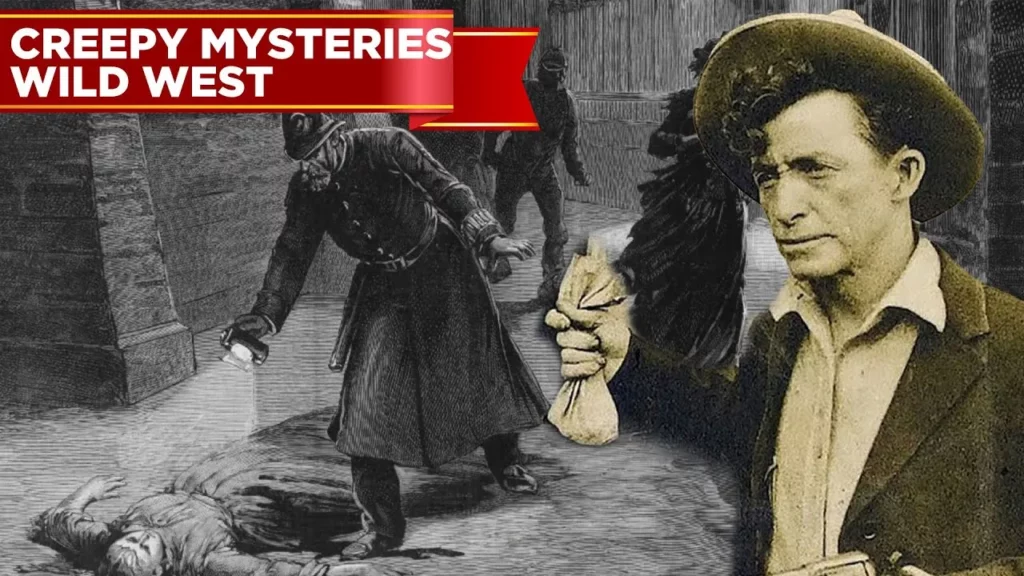
The lesson explores the intriguing and unsolved mysteries of the Wild West, highlighting notable cases such as the “Servant Girl Annihilator,” the ambiguous fate of outlaws Butch Cassidy and the Sundance Kid, the mysterious disappearance of Albert Jennings Fountain, and the adventurous life of Pearl Hart, a female stagecoach robber. Each story reflects the era’s blend of legend and reality, showcasing how these mysteries continue to captivate our imagination and remain unresolved. The lesson invites further exploration into the many fascinating tales from this adventurous period in American history.