
What Drugs were Like in the Incan Empire
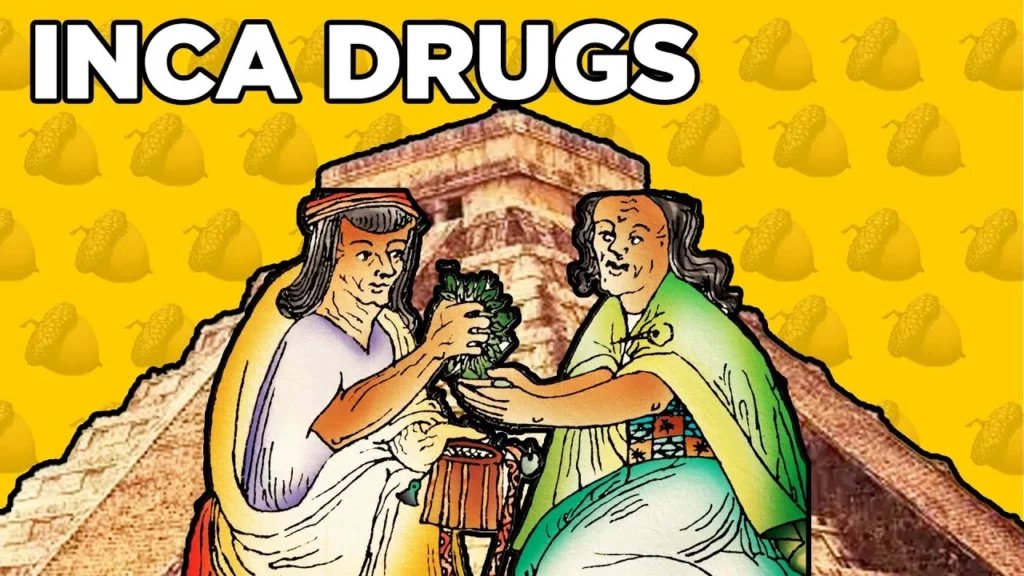
The lesson explores the use of psychoactive substances in the Incan Empire, highlighting the significance of ayahuasca, coca leaves, and other plants in their cultural and medicinal practices. Ayahuasca, known for its hallucinogenic properties, was used by shamans for self-discovery and healing, while coca leaves served practical purposes like alleviating hunger and fatigue. The lesson also touches on other substances, such as angel’s trumpet and San Pedro cactus, emphasizing their roles in rituals and the complex relationship the Incas had with these plants.
Beer Made With Wasp Guts!!
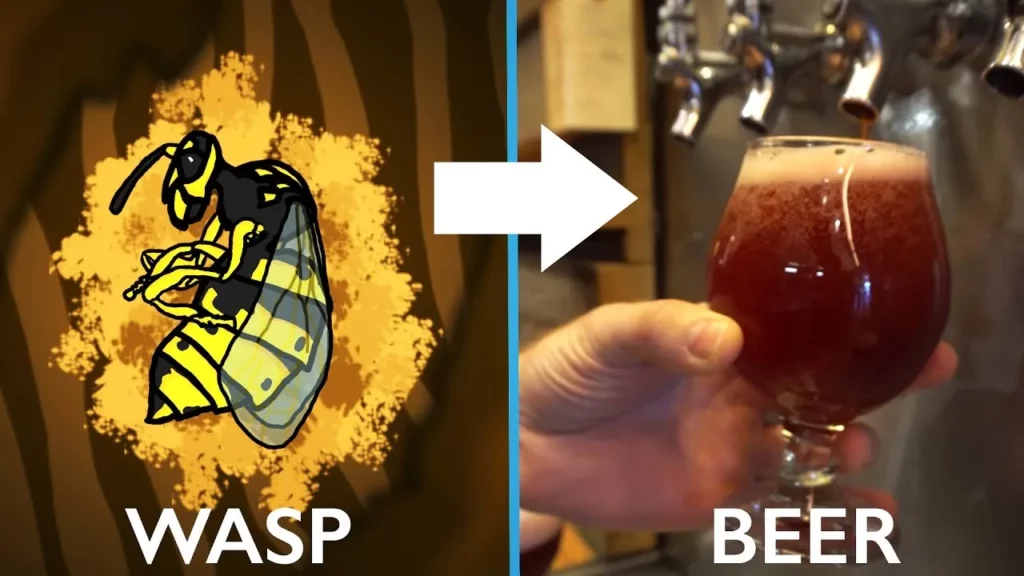
The lesson explores the unconventional use of yeast sourced from wasp guts in brewing beer, highlighting its essential role in fermentation and flavor development. Researchers have discovered that wasps provide a unique environment for yeast survival and transmission, leading to the identification of a related yeast species, *Lachancea thermotolerans*, in British Columbia. The lesson emphasizes the importance of yeast not only in producing alcohol but also in contributing to the complex flavors of beer, showcasing the innovative practices at Brassneck Brewery.
Why is it called a SQUARE root?

The lesson explains the concepts of squaring and square roots, highlighting that squaring a number involves multiplying it by itself, which visually forms a square. It clarifies that the square root of a number represents the length of one side of a square with a given area, and discusses perfect squares, the existence of both positive and negative roots, and the limitations regarding negative numbers. Additionally, it touches on the terminology’s origins, noting that “root” comes from the Latin word “radix,” linking it to the broader context of mathematical operations like cubing and cube roots.
The Map of Physics
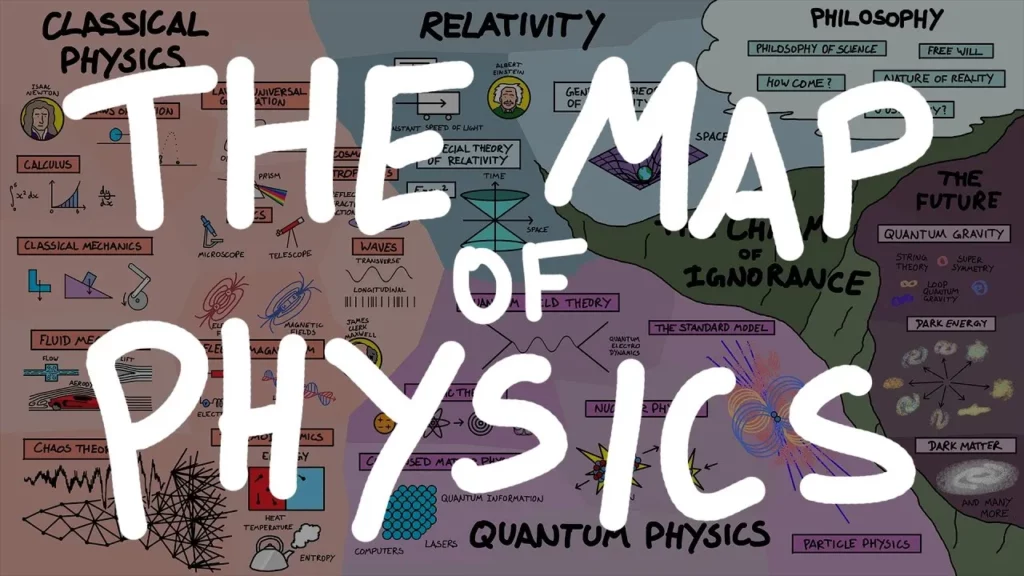
The lesson on “The Map of Physics” provides an overview of the various branches of physics, illustrating their interconnections from classical physics to modern theories like relativity and quantum physics. It emphasizes the foundational contributions of figures like Isaac Newton and Albert Einstein, while also addressing the ongoing mysteries of the universe, such as dark matter and the quest for a unified theory of quantum gravity. Ultimately, the lesson encourages curiosity and exploration in understanding the fundamental nature of reality and the universe.
Gravitational Waves Are Awesome
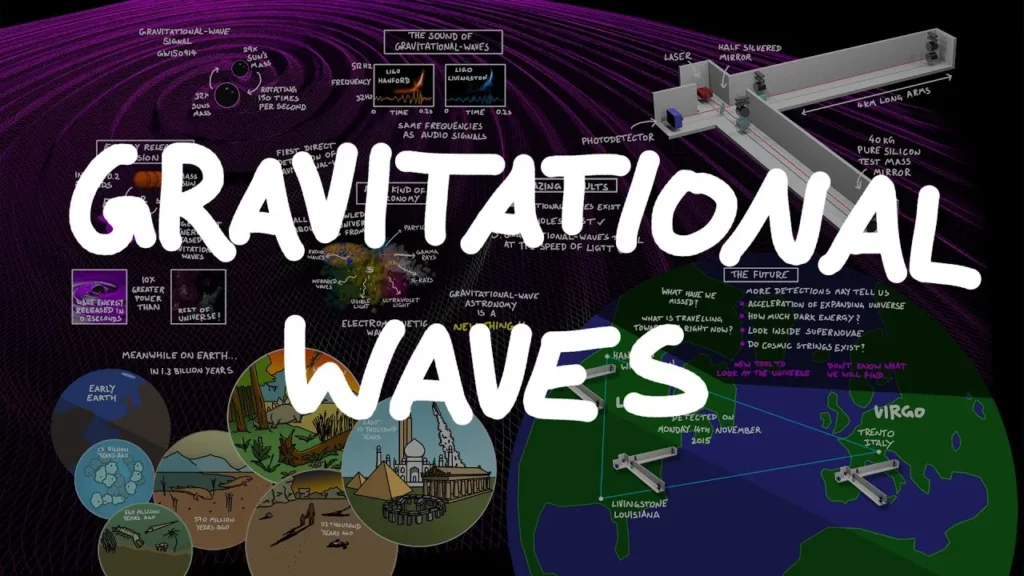
The lesson on gravitational waves explores their nature as ripples in spacetime, predicted by Einstein’s theory of general relativity, and highlights the monumental achievement of their first detection by LIGO in 2015. This groundbreaking event confirmed the existence of black holes and opened a new field of astronomy that allows scientists to study cosmic phenomena beyond the capabilities of traditional telescopes. The lesson emphasizes the significance of this discovery and the exciting potential for future research in understanding the universe.
The Map of Mathematics
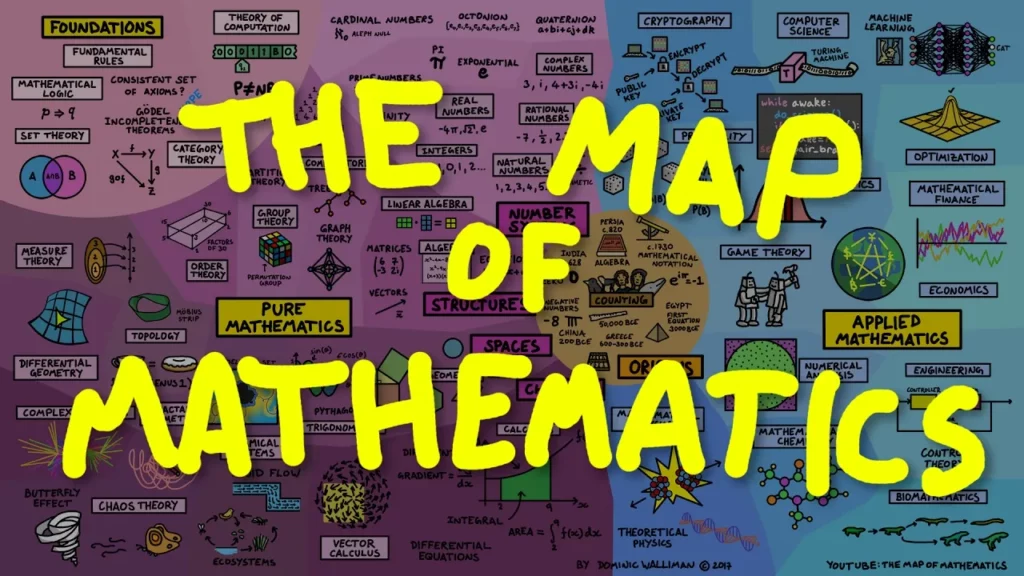
The lesson “The Map of Mathematics” delves into the expansive nature of mathematics, tracing its origins from basic counting to its development across various cultures and eras. It distinguishes between pure mathematics, which explores abstract concepts, and applied mathematics, which addresses real-world problems, while highlighting their interconnections. The lesson also touches on the foundations of mathematics, questioning its underlying principles and the nature of its axioms, ultimately celebrating the complexity and beauty of the mathematical world.
You Use Quantum Physics to Smell
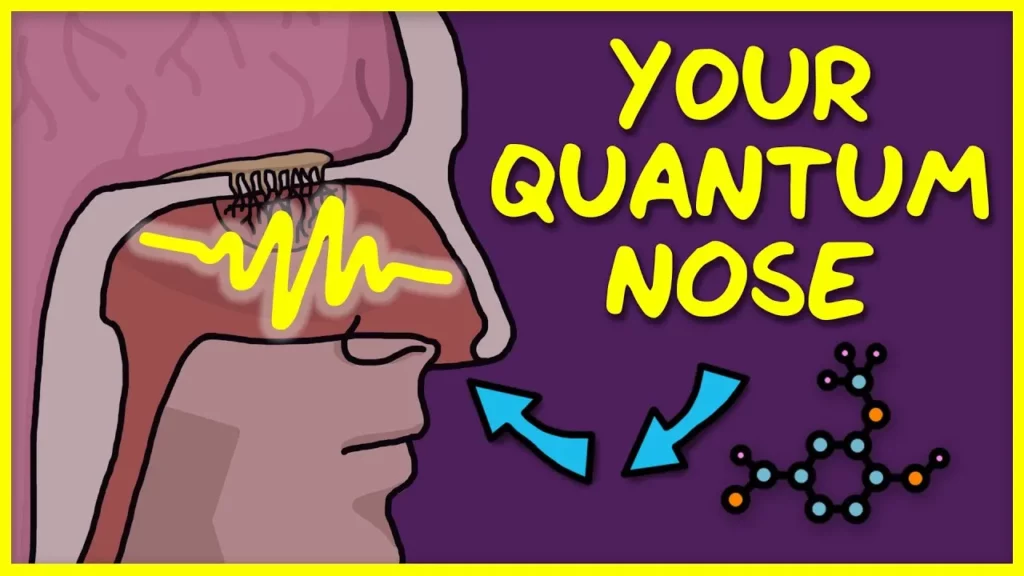
The lesson explores the intriguing connection between quantum physics and our sense of smell, highlighting how odor molecules interact with specialized receptors in the nasal cavity. It discusses two primary theories of smell—shape theory and vibration theory—while emphasizing the role of quantum tunneling in detecting vibrational frequencies of molecules. Ultimately, the lesson suggests that a comprehensive understanding of smell may require integrating both theories, revealing the complex mechanisms that underpin our everyday sensory experiences.
The Map of Chemistry
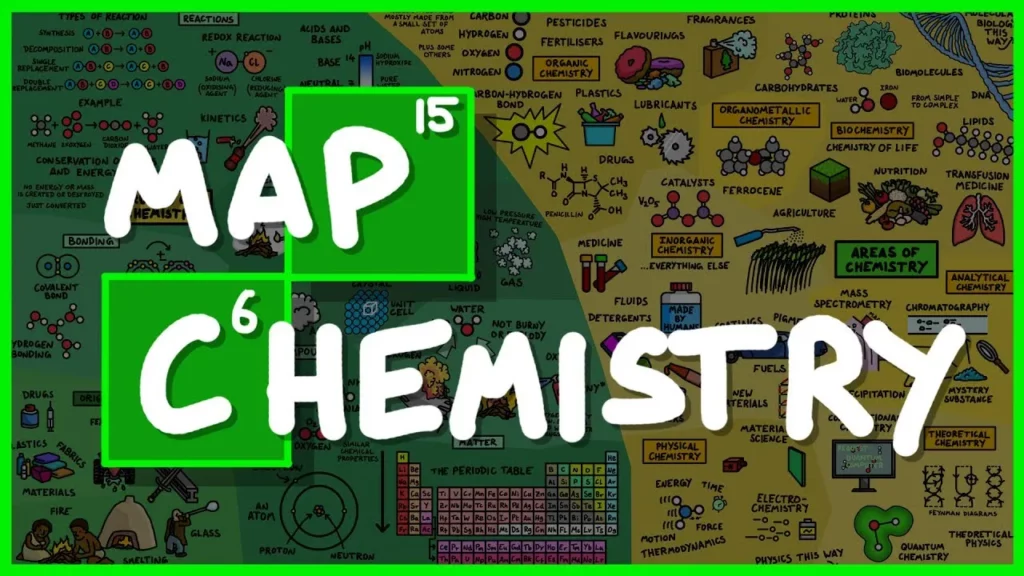
The lesson “The Map of Chemistry” explores the fundamental concepts of chemistry, emphasizing that the universe is primarily composed of hydrogen and helium, which formed the basis for all other elements through stellar fusion. It highlights the importance of understanding matter, chemical reactions, and the various branches of chemistry, including organic, inorganic, and biochemistry, which have significant implications for advancements in medicine, agriculture, and technology. Overall, chemistry is presented as a dynamic field that underpins many aspects of life and continues to drive innovation and discovery.
The Quantum Technology in Your Pocket
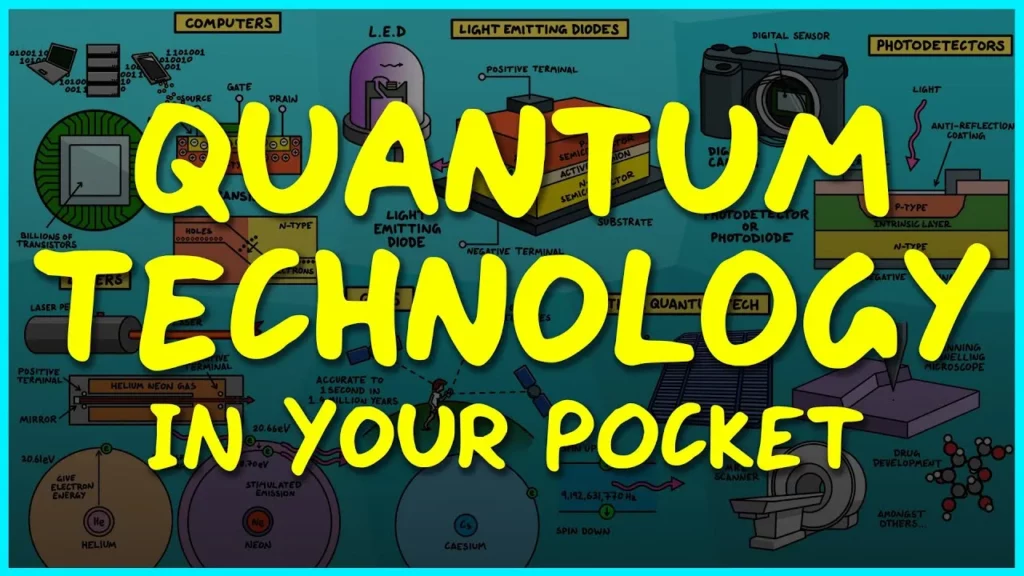
The lesson “The Quantum Technology in Your Pocket” highlights the pervasive influence of quantum physics in everyday technology, illustrating how it underpins essential devices like computers, screens, cameras, lasers, and GPS systems. By explaining the role of quantum principles in the functioning of transistors, LEDs, photodetectors, and atomic clocks, the lesson emphasizes that quantum physics is not merely an abstract concept but a practical force that shapes our modern world. As we advance in quantum technologies, the potential for future innovations continues to grow.
Map of Computer Science
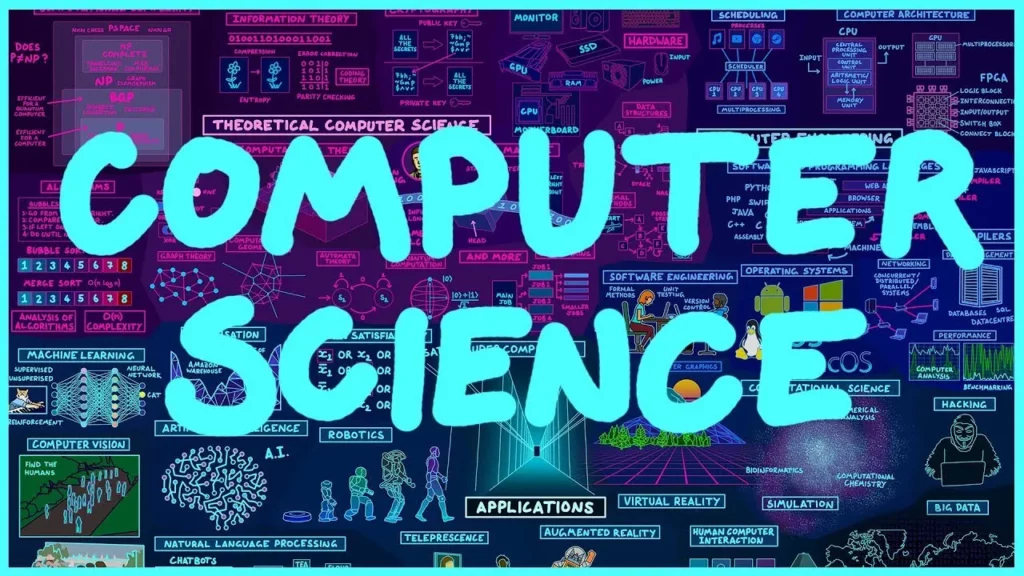
The lesson on the “Map of Computer Science” highlights the transformative impact of computers, which have evolved from simple arithmetic machines to powerful tools driving the internet, artificial intelligence, and complex simulations. It outlines the three main areas of computer science: theoretical foundations, computer engineering, and practical applications, emphasizing key concepts such as algorithms, computational complexity, and the role of programming languages. Additionally, it explores emerging technologies like artificial intelligence, big data, and robotics, illustrating the field’s rapid evolution and its potential to shape the future.