
Every Animal In Your DNA
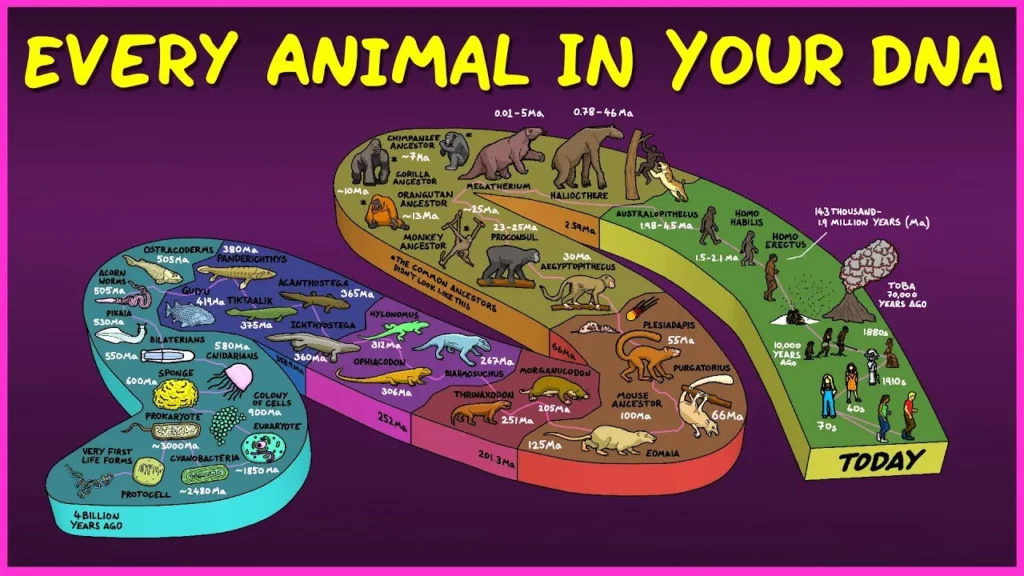
The lesson “Every Animal In Your DNA” explores the profound connection between humans and all forms of life on Earth, tracing our ancestry back through billions of years of evolution. It emphasizes that every living organism shares a lineage that began with the earliest life forms, highlighting the importance of biodiversity and the survival of countless species throughout history. Ultimately, it encourages reflection on our place in this vast chain of life and the need to preserve the rich diversity of life on our planet.
Map of Biology
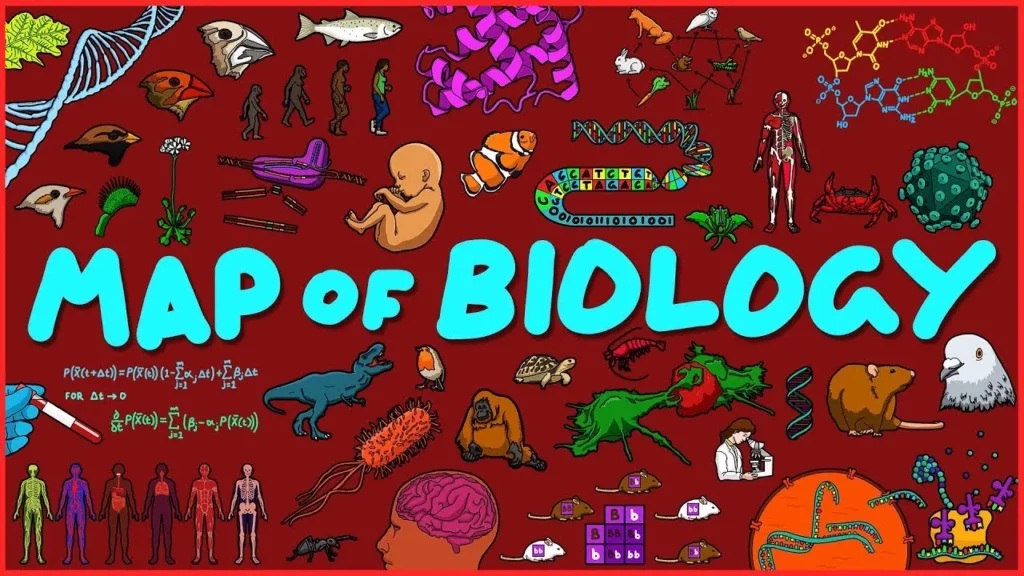
The lesson on the “Map of Biology” explores the intricate study of life, emphasizing the cell as the fundamental unit of life and the various subfields that contribute to our understanding of biological processes. It covers topics such as molecular biology, genetics, biochemistry, and ecology, highlighting the interconnectedness of these disciplines and their roles in unraveling the complexities of life, from cellular functions to the search for extraterrestrial life. Ultimately, the lesson underscores the ongoing journey of discovery in biology and the vast potential for future research.
How to Read Math
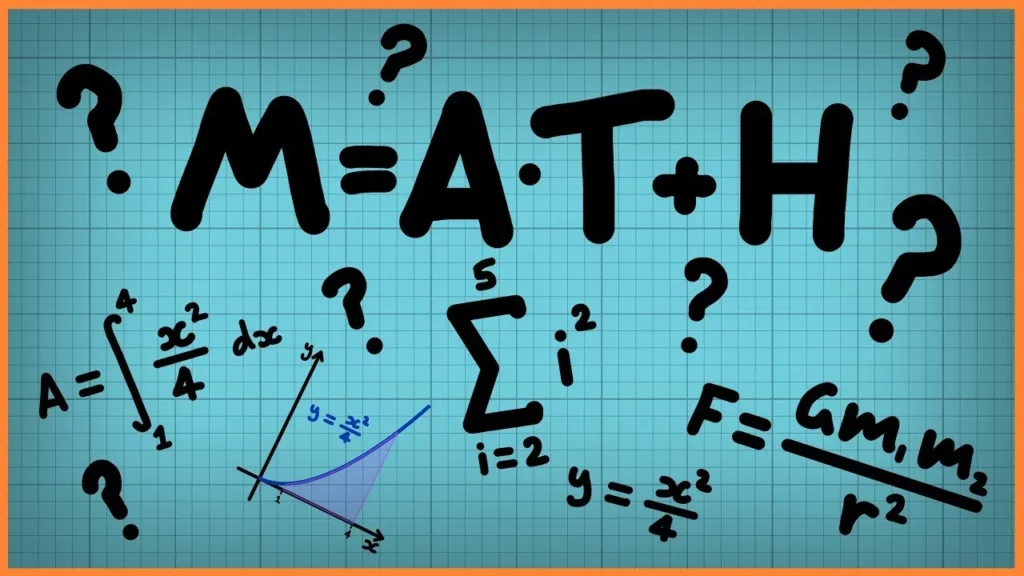
The lesson “How to Read Math” emphasizes that mathematical equations can be understood as a language describing relationships between variables and constants. It covers key concepts such as identifying variables, visualizing equations through graphs, solving for unknowns, and following the order of operations. Additionally, it introduces advanced operations like summation and integration, providing tips to enhance comprehension and encourage further exploration of mathematics.
Quantum Supremacy Explained
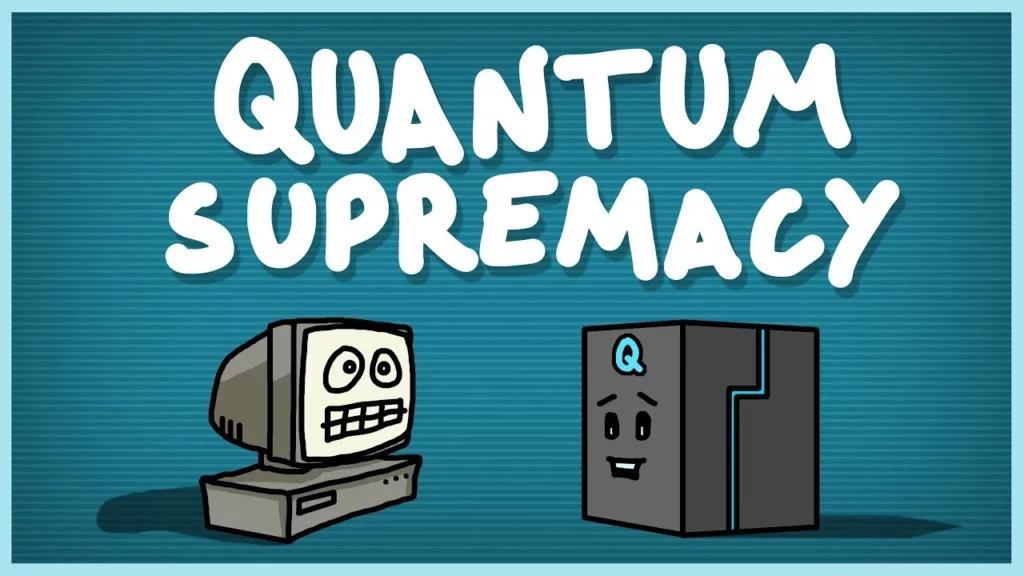
Quantum supremacy is a significant milestone in quantum computing, indicating the point at which a quantum computer can solve problems faster than classical supercomputers. This achievement hinges on the unique properties of quantum bits (qubits), such as superposition and entanglement, which allow quantum computers to explore multiple possibilities simultaneously. As companies like Google and IBM advance their quantum technologies, the implications for innovation and problem-solving are vast, highlighting the transformative potential of quantum computing.
Calculus, what is it good for?
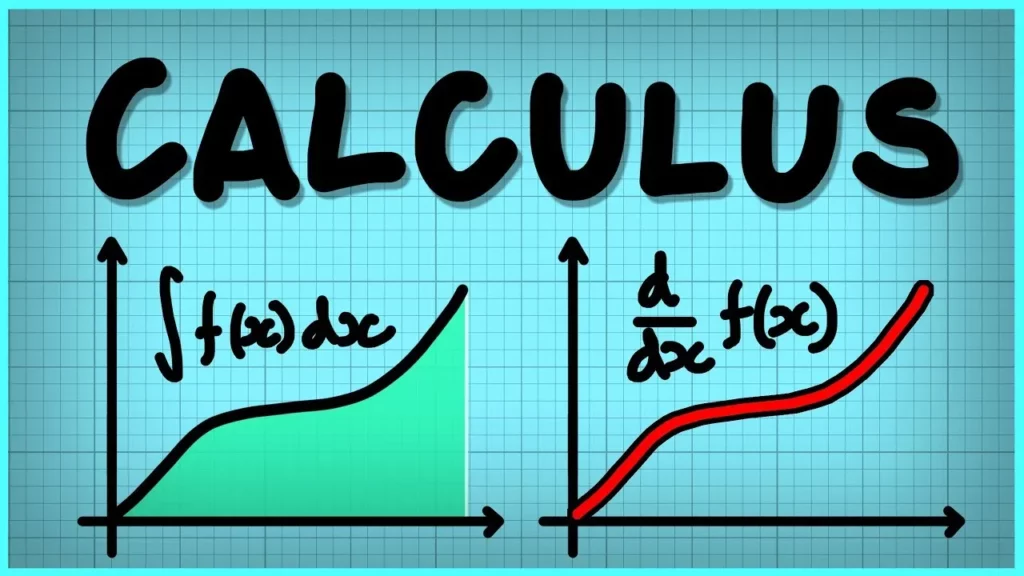
The lesson emphasizes the significance of calculus in understanding physics, particularly through the concept of momentum and its relationship to kinetic energy. It illustrates how derivations, which combine algebra and calculus, enable physicists to derive new insights and equations, such as the connection between momentum and kinetic energy. The lesson advocates for a deeper understanding of calculus, highlighting its essential role in analyzing changing quantities and solving complex problems in physics.
Movie Night With a Physicist | Movie Physics #1
In this lesson, physicist Dominic Walliman explores the intersection of physics and popular movies, highlighting both accurate and exaggerated portrayals of scientific concepts. He discusses topics such as neutrinos, spacesuit survival, and the physics of falling, while emphasizing the importance of collaborative problem-solving in science. Ultimately, Walliman encourages viewers to appreciate the creative liberties taken in films while fostering a deeper understanding of the underlying physics.
Five Quantum Computing Misconceptions
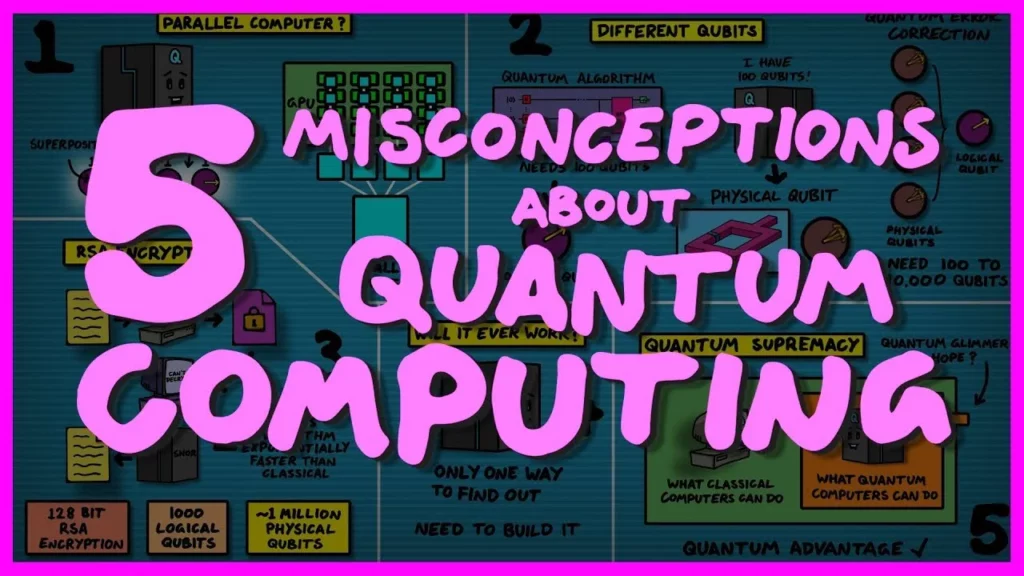
The lesson addresses five common misconceptions about quantum computing, emphasizing the complexity and nuances of the technology. It clarifies that quantum computers are not infinitely parallel machines, highlights the distinction between logical and physical qubits, and discusses the challenges of quantum error correction and the feasibility of large-scale quantum computing. Additionally, it reassures that current quantum capabilities do not yet threaten internet encryption and differentiates between “quantum supremacy” and “quantum advantage,” while also noting the potential applications of quantum computing in fields like material science and chemistry.
Map of Science (and everything else)
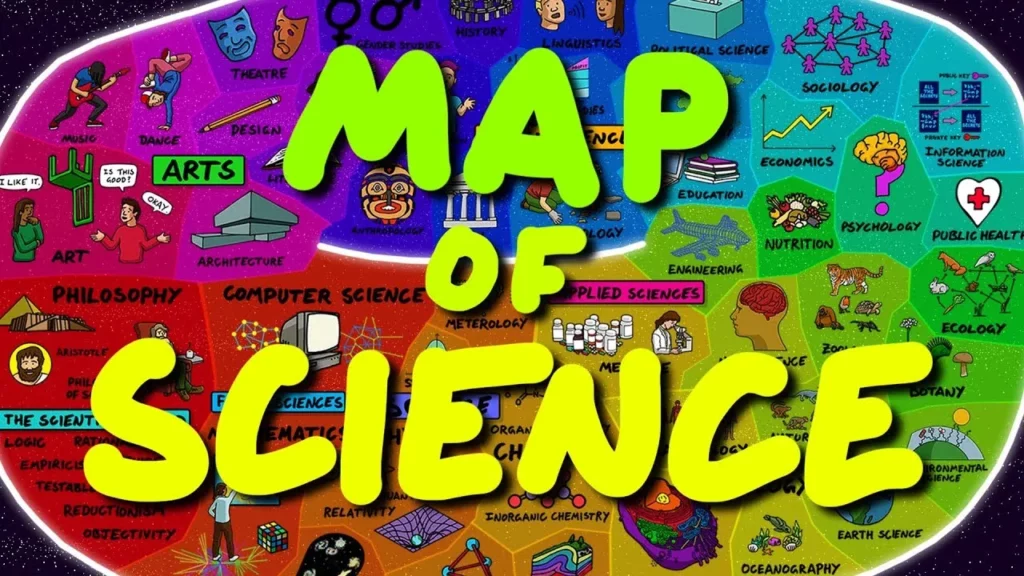
The lesson explores the evolution and challenges of scientific inquiry, emphasizing its ultimate goal of understanding the Universe and human existence. It highlights the foundational role of philosophy and the scientific method, the importance of mathematics and computer science, and the complexities faced in various scientific fields, particularly biology and social sciences. Additionally, it acknowledges the interplay between science and art, suggesting that both domains contribute to our understanding of existence and the human experience.
The Year In Science 2018
The lesson highlights the significant scientific advancements made in 2018, showcasing progress in robotics, gene editing, space exploration, physics, biology, and medicine. Notable achievements include the development of smarter robots, breakthroughs in CRISPR technology, successful space missions, and new medical tests, while also addressing ethical concerns and health risks associated with innovations like vaping. The year concluded with a mixed outlook on climate change, emphasizing the importance of continued action for a sustainable future.
If You Don’t Understand Quantum Physics, Try This!
This lesson demystifies quantum physics, highlighting its significance in understanding the universe and its technological applications. Key concepts such as particle-wave duality, superposition, entanglement, and the Heisenberg uncertainty principle illustrate the unique behaviors of subatomic particles, emphasizing the probabilistic nature of this field. Ultimately, the lesson encourages further exploration of quantum physics, suggesting that while it may seem complex, its foundational principles can be grasped and appreciated.