
How To Silence an iPhone
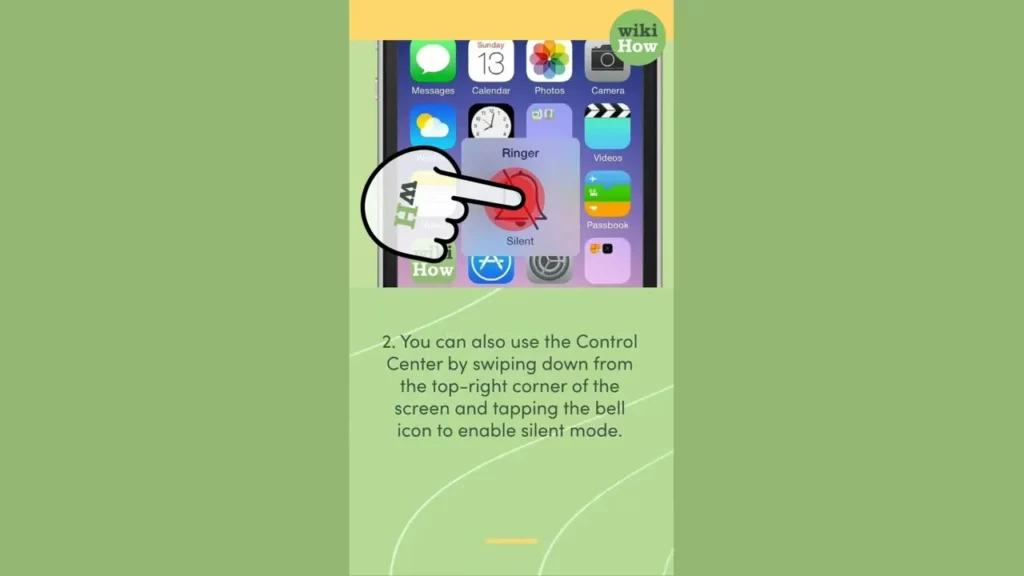
This lesson provides simple methods to silence your iPhone, including using the physical silent switch, accessing the Control Center to toggle silent mode, and adjusting sound settings in the Settings app. Additionally, it introduces the “Do Not Disturb” mode, which helps minimize interruptions during important times. These techniques offer users various options to manage their phone’s sound effectively.
How To Sleep with Neck Pain
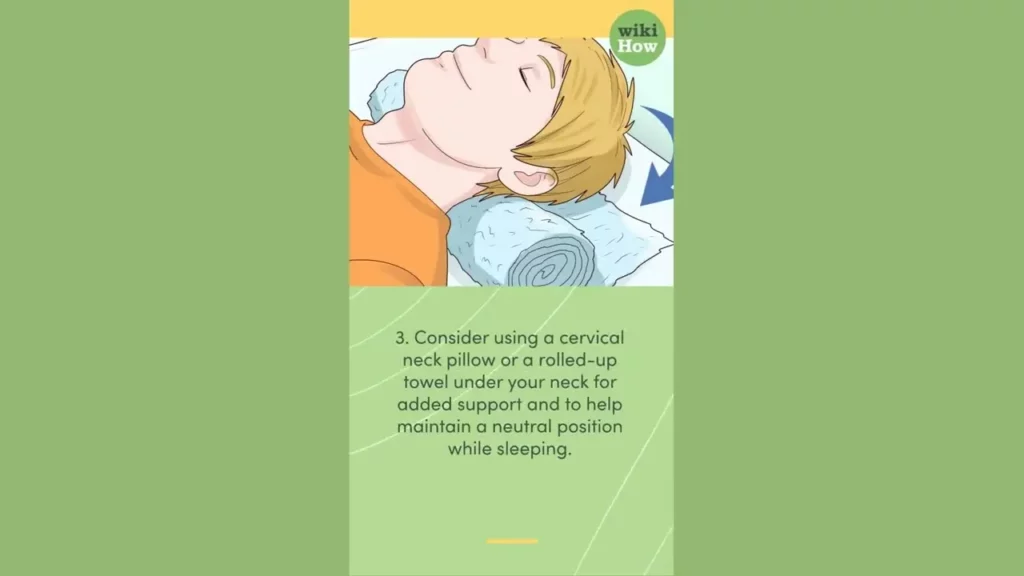
This lesson provides practical tips for sleeping comfortably despite neck pain, emphasizing the importance of choosing the right pillow and sleeping position. It suggests sleeping on your back or side, using additional support like a cervical pillow or rolled towel, and maintaining a comfortable sleep environment. By implementing these strategies, individuals can improve their sleep quality and wake up feeling refreshed.
How To Sleep with UTI Discomfort
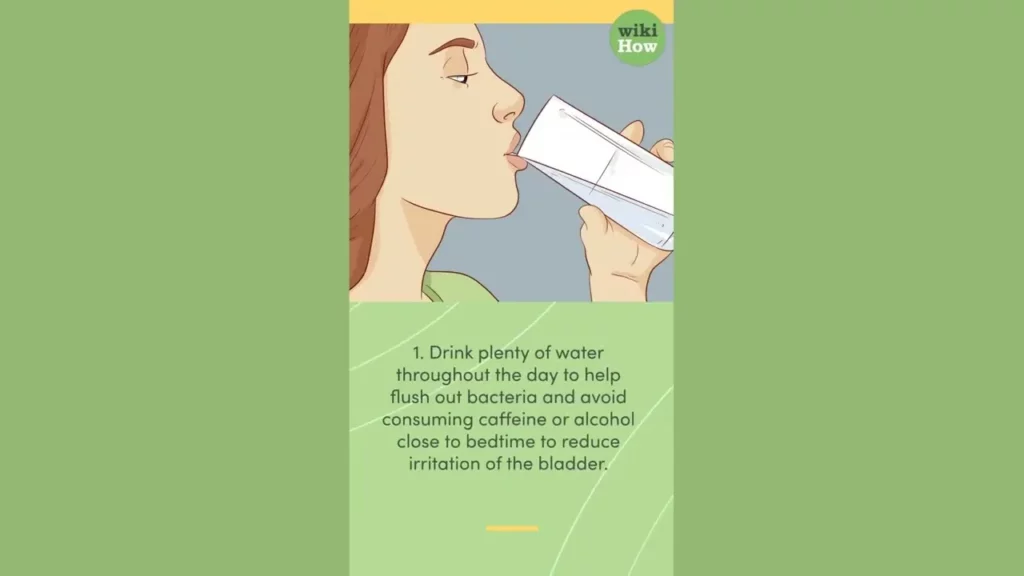
This lesson provides practical tips for managing urinary tract infection (UTI) discomfort to improve sleep quality. Key strategies include staying hydrated while avoiding irritants like caffeine and alcohol, using heat for muscle relaxation, considering over-the-counter pain relief, and maintaining a consistent sleep schedule with a calming bedtime routine. If symptoms persist, seeking medical advice is recommended.
How To Soak Beans
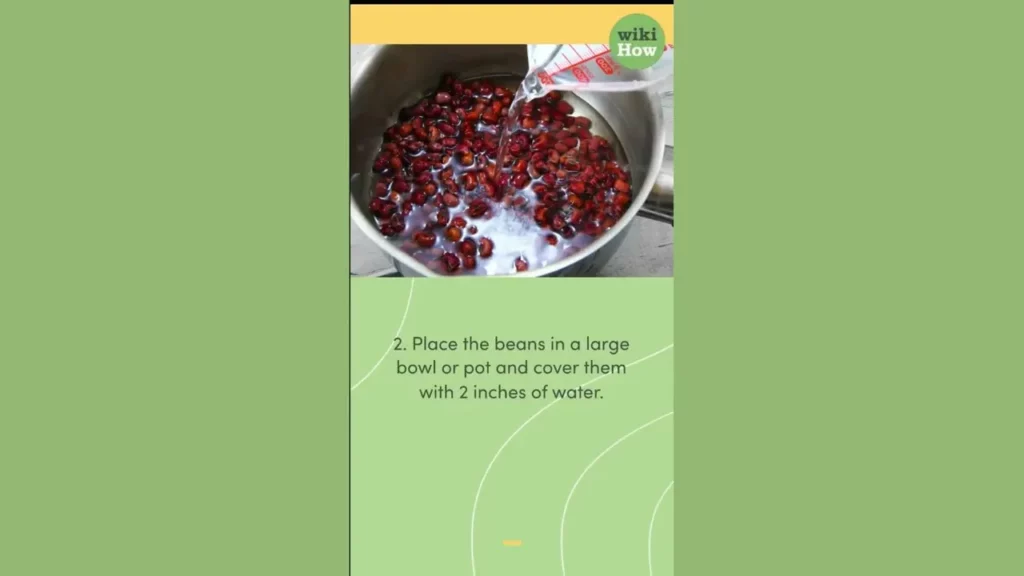
This lesson explains the process of soaking beans to ensure they become soft and ready for cooking. It outlines three simple steps: rinsing the beans, preparing a soaking container with enough water, and allowing the beans to soak for at least 8 hours. Soaking not only softens the beans but also helps them cook faster and can make them easier to digest, while also reducing gas-causing substances.
How To Smoke Cheese
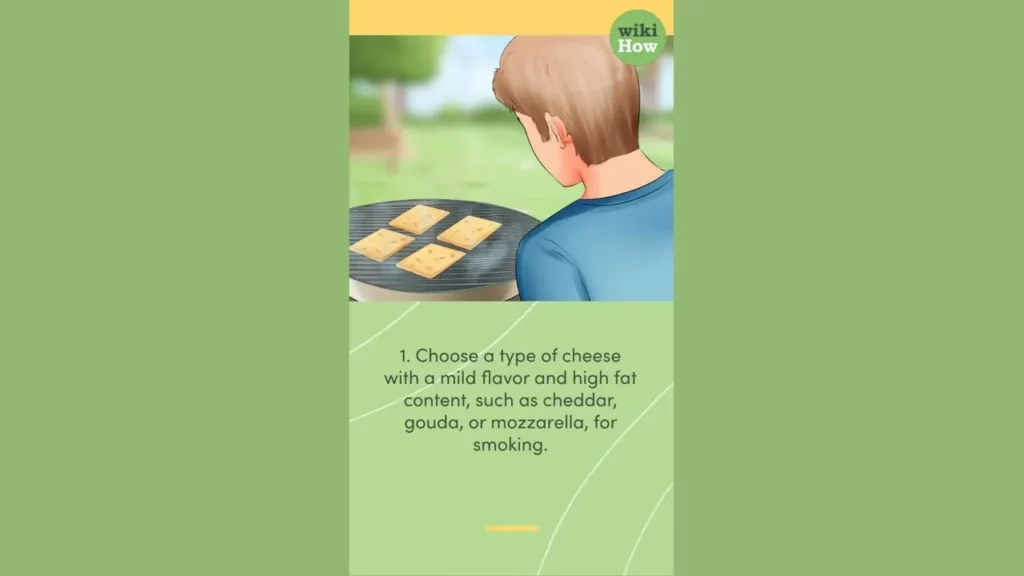
This lesson provides a comprehensive guide on how to smoke cheese, emphasizing the importance of selecting the right cheese, such as cheddar, gouda, or mozzarella, which absorb smoky flavors well. It outlines the cold smoking process, which requires maintaining a temperature below 90°F for 2 to 4 hours, and highlights the necessity of letting the smoked cheese rest in the refrigerator for at least two weeks to enhance its flavor. Additional tips include using a dedicated smoking device, experimenting with different wood chips for unique flavors, and proper storage techniques to preserve the cheese’s quality.
How To Smoke Chicken
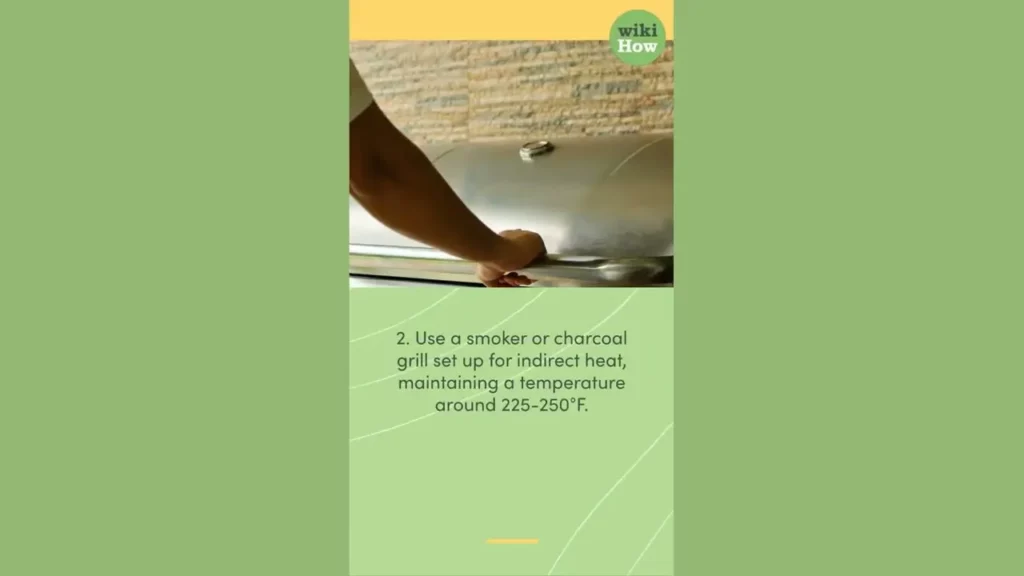
This lesson outlines the essential steps for smoking chicken, emphasizing the importance of brining to enhance moisture and flavor. It details the preparation of the smoker, the smoking process at a consistent low temperature, and offers tips for flavor enhancement through wood chips and seasoning. By following these guidelines, you can achieve juicy, flavorful smoked chicken that impresses at any meal.
How To Smoke Turkey
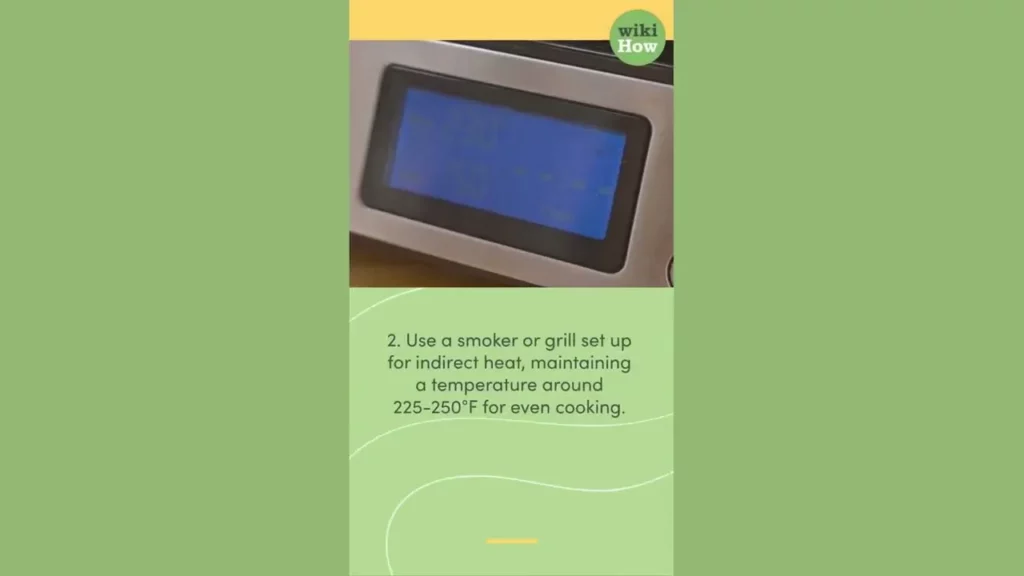
This lesson provides a step-by-step guide on how to smoke a turkey, emphasizing the importance of brining for moisture and flavor, setting up a smoker or grill for indirect heat, and achieving the right internal temperature for safe cooking. Additional tips include using a meat thermometer, allowing the turkey to rest after smoking, and experimenting with various spices for enhanced flavor. Following these instructions will help ensure a delicious and impressive smoked turkey for family and friends.
How To Snorkel
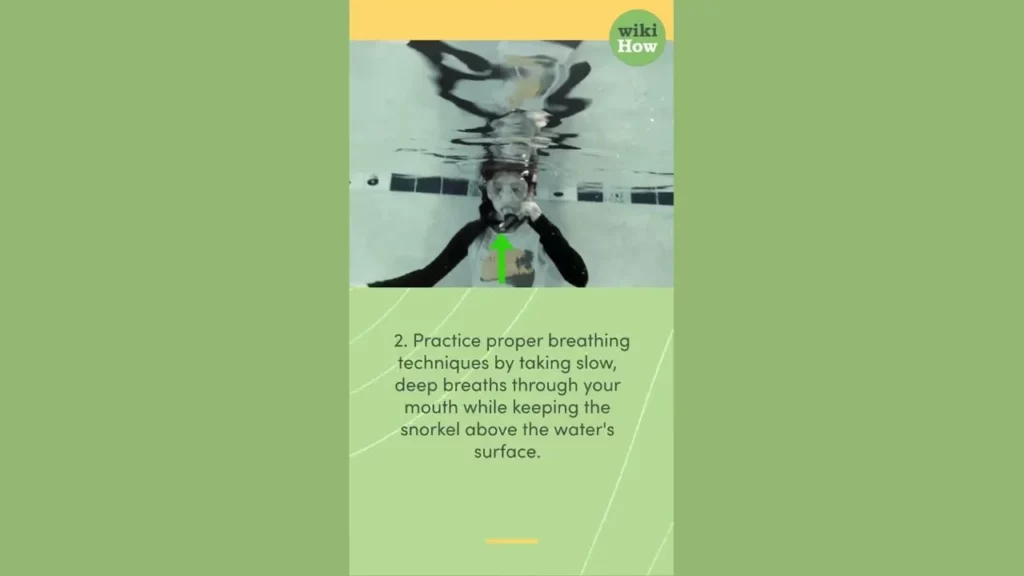
This lesson provides an introduction to snorkeling, emphasizing the importance of having the right gear, mastering breathing techniques, and staying calm while floating in the water. It also includes essential tips for a safe and enjoyable experience, such as snorkeling with a buddy, respecting marine life, and monitoring weather conditions. With these guidelines, learners can confidently explore the underwater world and appreciate its beauty.
How To Tell if Contact Lens Is Still in Eye
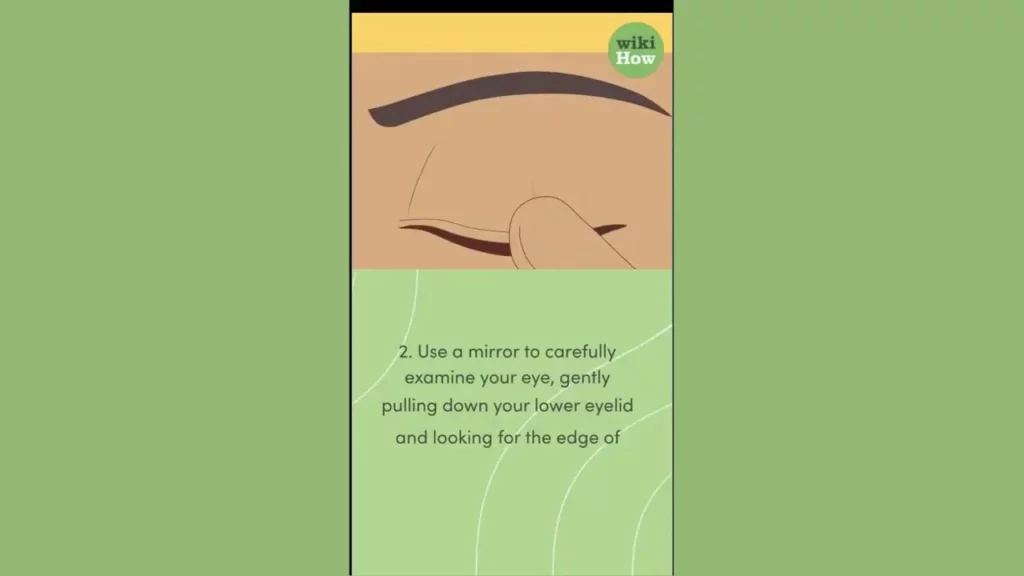
This lesson provides a straightforward guide on how to determine if a contact lens is still in your eye. It emphasizes the importance of relaxation, careful observation using a mirror, and rinsing the eye with saline solution if needed. Additionally, it highlights the necessity of maintaining hand hygiene and seeking professional help if difficulties persist.
How To Tell if Dog Has Fever Without Thermometer
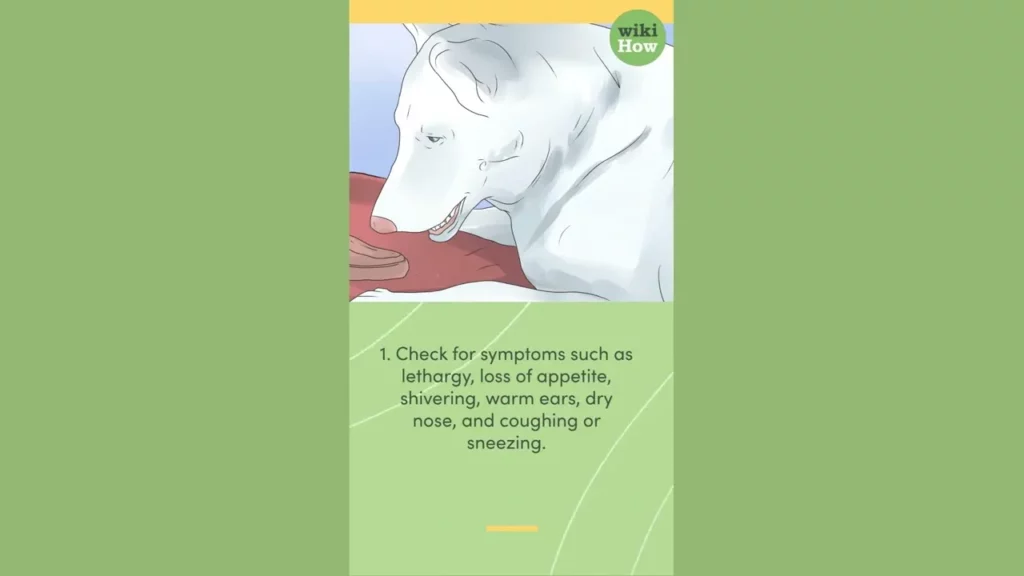
This lesson provides guidance on how to determine if your dog has a fever without using a thermometer. Key indicators include observing changes in behavior, such as increased tiredness or lack of appetite, as well as checking for warmth in areas like the ears and paws. If any concerning symptoms arise, it’s important to consult a veterinarian for a proper evaluation and care.