
The Interpretations of Quantum Mechanics
The lesson explores various interpretations of quantum mechanics, highlighting the complexities and philosophical implications of understanding particle behavior at atomic and subatomic levels. Key interpretations discussed include the Copenhagen interpretation, which emphasizes wave function collapse upon measurement, and the Many Worlds Interpretation, which posits that all possible outcomes occur in separate universes. The lesson concludes by acknowledging the diversity of interpretations and the potential need to revisit foundational principles to deepen our understanding of quantum physics.
Black Hole Super Zoom!
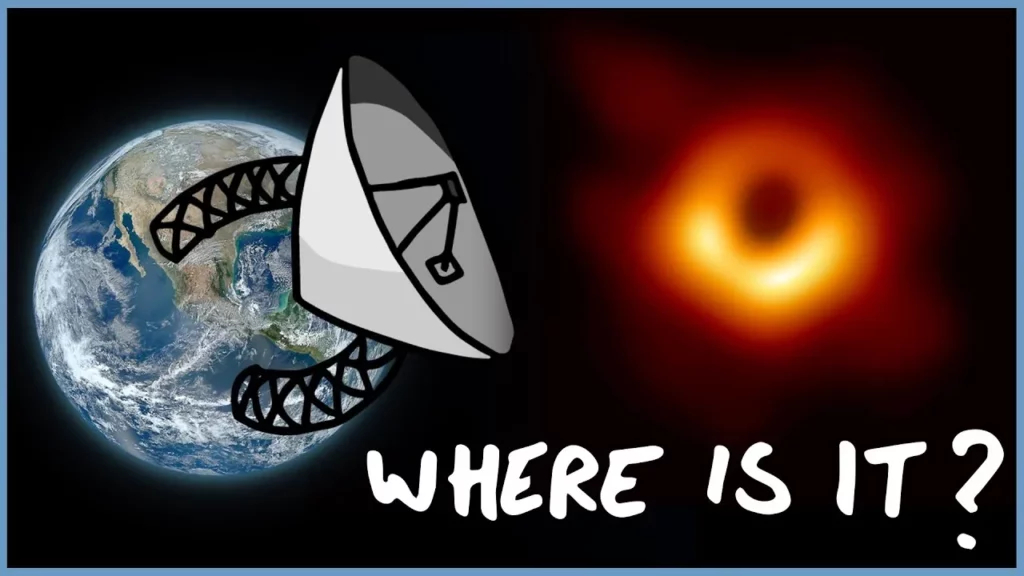
The lesson “Black Hole Super Zoom!” explores the significance of the first-ever image of a black hole, specifically located in the Virgo cluster, 53.5 million light-years away. It highlights the impressive technology used to capture this image, which combines radio dishes worldwide to create a virtual telescope, and discusses the intriguing mystery of light absorption by black holes. Additionally, the lesson emphasizes the vastness of space, encouraging students to appreciate the scale of the universe beyond our solar system.
The Incredible Science of CERN
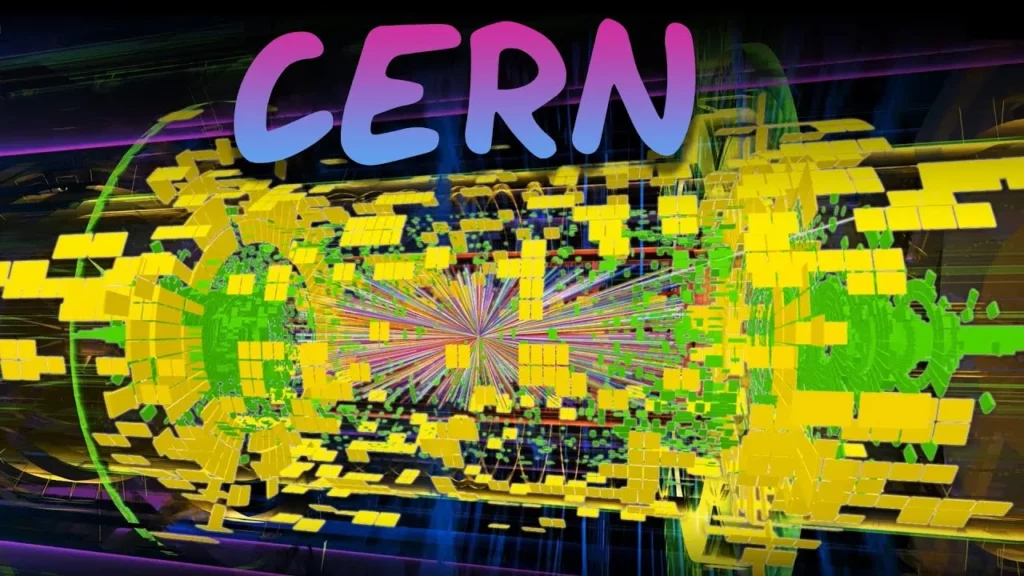
In this lesson, the author shares their fascinating experience visiting CERN, one of the world’s leading scientific facilities, where they explored key areas such as the Large Hadron Collider (LHC), its detectors, the control center, and the data center. They highlight the engineering marvels behind the LHC, the massive data processing involved in particle collisions, and the ongoing research into the Higgs boson and other fundamental physics questions. The visit underscores the importance of CERN in advancing our understanding of the universe and encourages curiosity about scientific exploration.
LISA | The Biggest Space Mission Ever
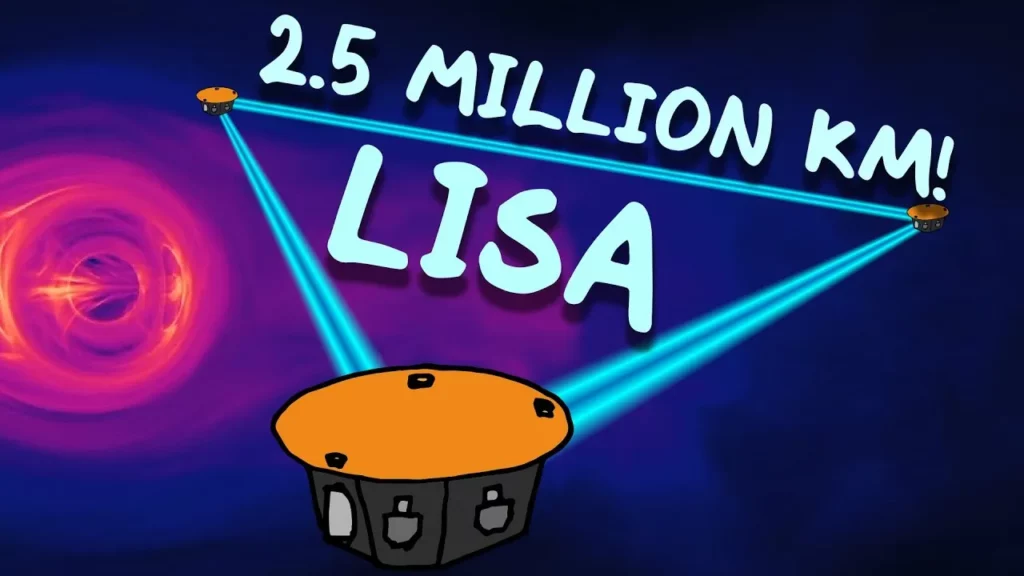
The lesson discusses the upcoming LISA (Laser Interferometric Space Antenna) mission, set to launch in 2034, which aims to detect gravitational waves generated by cosmic events such as black hole mergers. Unlike ground-based detectors, LISA will operate in space, allowing it to observe signals in different frequency ranges and providing insights into the universe’s formation and expansion. This mission is expected to revolutionize our understanding of astrophysics, similar to the impact of the Hubble Space Telescope.
Every Thing in Space
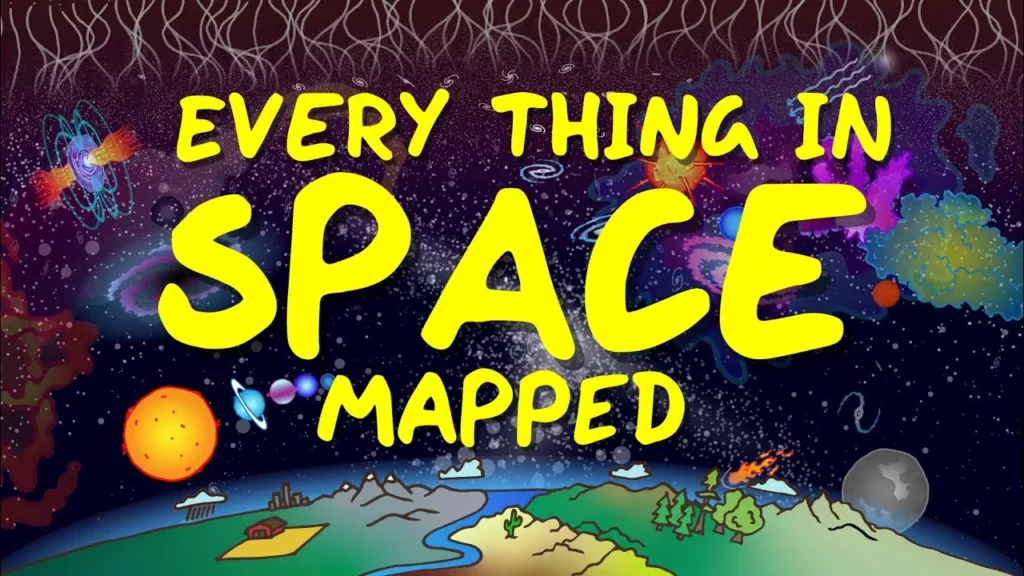
The lesson “Exploring the Wonders of Space” delves into the vastness of the universe, highlighting the diverse celestial objects within our solar system and beyond. It covers the structure of the solar system, the formation and life cycles of stars, the characteristics of galaxies, and the mysteries of dark matter and energy, emphasizing the ongoing quest to understand the cosmos and its complexities. Ultimately, the lesson encourages a deeper appreciation for the beauty and intricacies of the universe as we continue to explore its secrets.
The Big Bang is Probably Not What You Think It Is
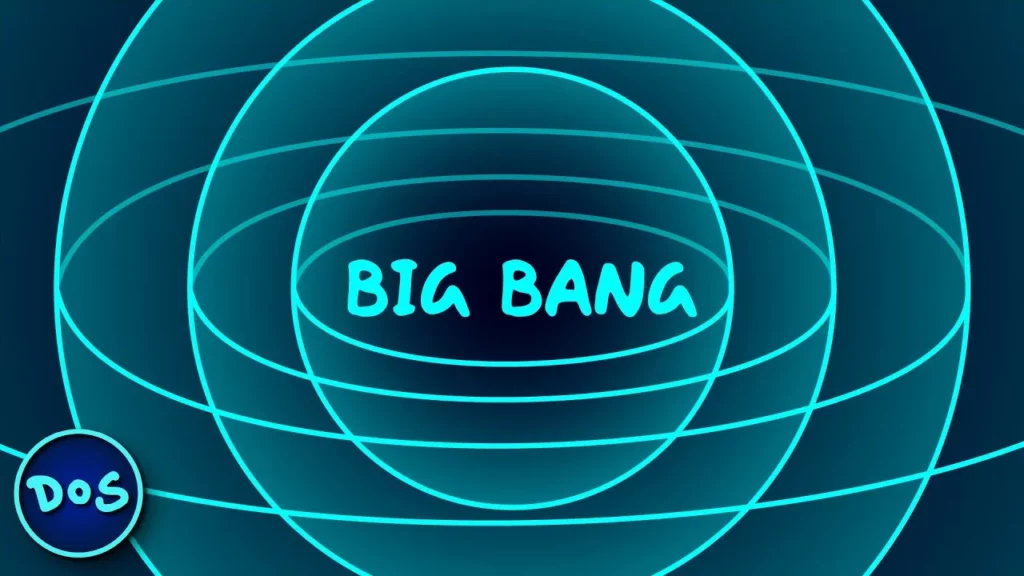
The lesson “The Big Bang: A New Perspective” clarifies misconceptions about the Big Bang, emphasizing that it was not an explosion from a singular point but rather a rapid expansion of space following a period of inflation. It discusses the formation of matter and the Cosmic Microwave Background (CMB) as evidence of the universe’s early conditions, and highlights the ongoing mysteries surrounding the universe’s origins and the nature of dark energy. Ultimately, the lesson underscores the importance of continued exploration in cosmology to address unanswered questions about the universe’s beginnings.
The Easiest Way To Make Delicious Bread

This lesson provides a simple and effective method for making delicious homemade bread using a no-knead technique that requires minimal effort. By combining basic ingredients and allowing the dough to rest for an extended period, you can achieve a flavorful loaf with a sourdough-like taste, all while using a Dutch oven for baking. With just ten minutes of active preparation time, this recipe is perfect for anyone looking to create fresh bread from scratch.
97% of Galaxies Are Moving Faster Than Light, HOW IS THIS POSSIBLE?
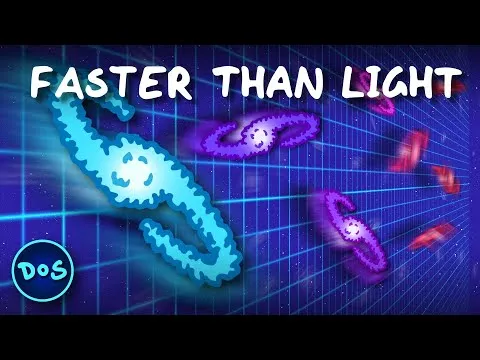
The lesson explains how 97% of galaxies appear to be moving faster than the speed of light due to the expansion of space, rather than their actual movement through space. Using analogies like expanding balloons and rising dough, it illustrates that as the universe expands, galaxies become increasingly distant from each other, leading to the perception of superluminal speeds. Additionally, it highlights the concept of a “sphere of inaccessibility,” where most galaxies are moving away from us so quickly that their light will never reach us, emphasizing the dynamic nature of the universe and our observational limitations.
How Many Galaxies Are Moving Away From Us Faster Than Light?
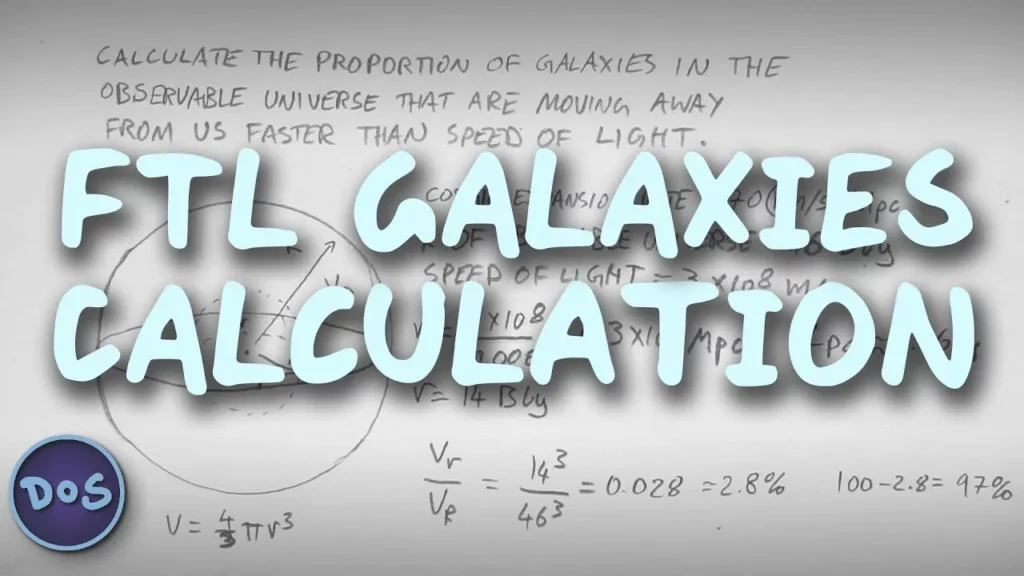
In this lesson, we explored the question of how many galaxies in the observable universe are moving away from us faster than the speed of light. By examining the expansion of the universe and calculating a critical radius of approximately 14 billion light-years, we found that about 97% of galaxies are receding faster than light, illustrating the vast and dynamic nature of the cosmos. This understanding challenges our perceptions of motion and distance on a cosmic scale.
Find the Volume of Any Shape Using Calculus
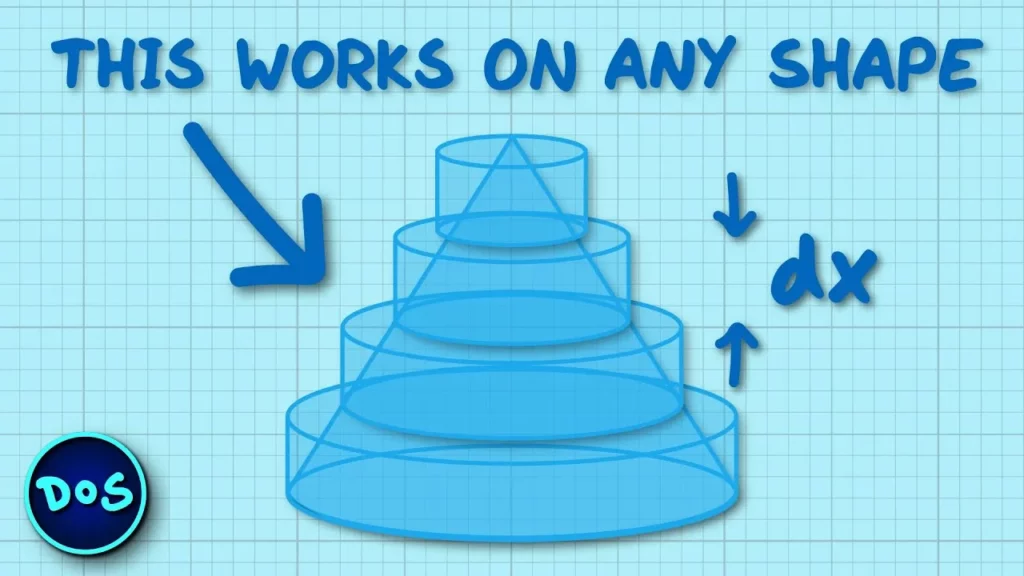
In this lesson, we explore how to calculate the volume of various shapes, specifically focusing on cones, using calculus. By approximating the cone’s volume through the summation of infinitely thin disks and applying integration, we derive the formula for the volume of a cone as \( V = \frac{1}{3} \pi R^2 H \). This method can also be extended to other shapes, demonstrating the power of calculus in deriving mathematical formulas rather than relying on memorization.