
How To Be Productive
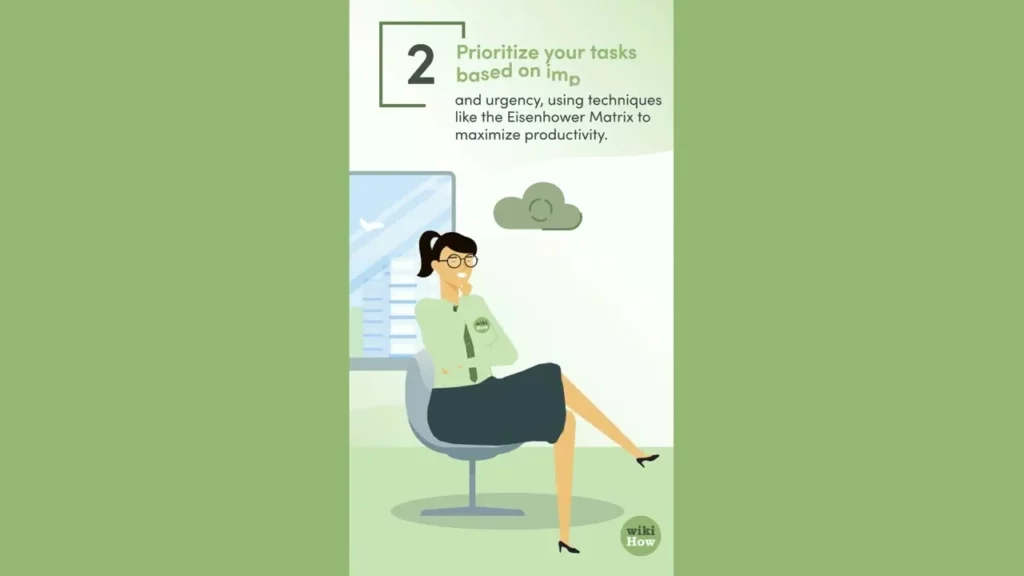
This lesson outlines essential strategies for enhancing productivity, including setting clear and achievable goals, prioritizing tasks using the Eisenhower Matrix, and eliminating distractions. It emphasizes the importance of time management techniques, taking regular breaks, and reflecting on progress to continuously improve efficiency. By adopting these practices, individuals can work more effectively towards their goals and develop their productivity skills over time.
How To Be Patient
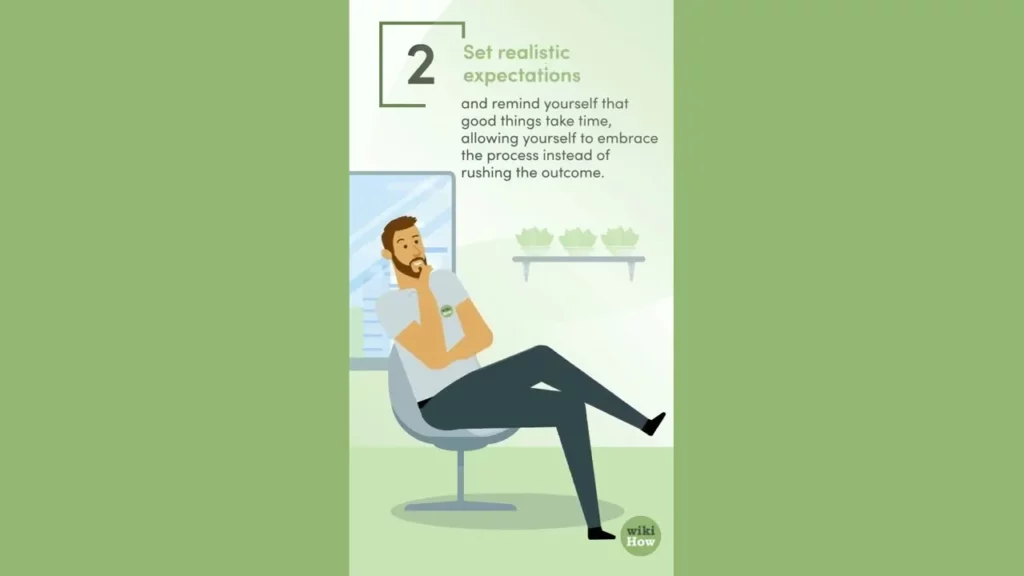
The lesson on “How To Be Patient” provides practical strategies to cultivate patience in everyday life. It emphasizes the importance of mindfulness and meditation to stay present, setting realistic expectations to appreciate the journey, and developing healthy coping mechanisms to manage feelings of impatience. By incorporating these techniques, individuals can enhance their patience and overall enjoyment of life.
How To Be Nice
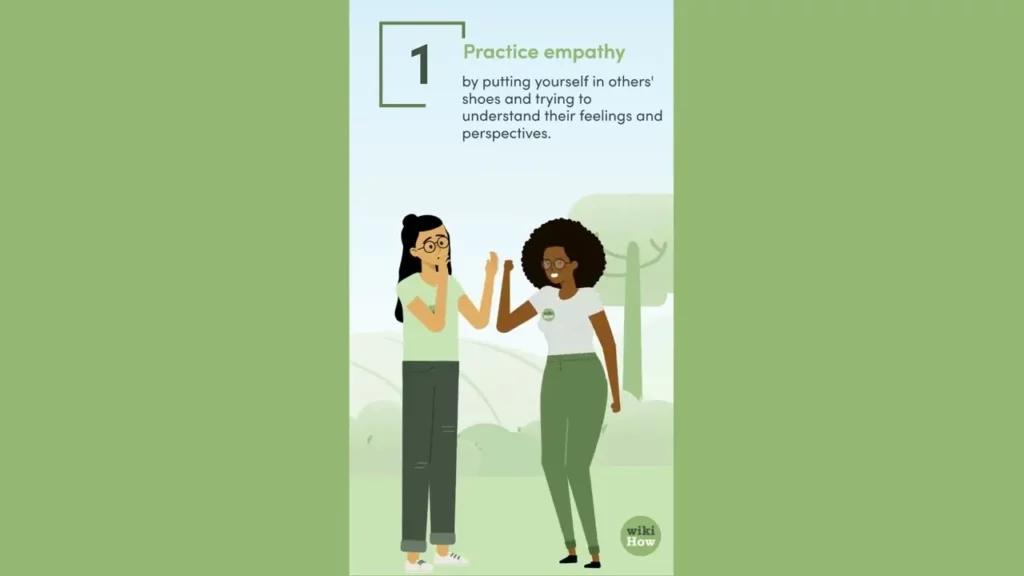
The lesson “How to Be Nice” emphasizes the importance of kindness and empathy in our interactions with others. It provides simple tips such as practicing empathy by understanding others’ feelings, showing kindness through polite words and compliments, and maintaining patience and tolerance in challenging situations. Additionally, it encourages spreading positivity through smiles, highlighting that small acts of kindness can significantly improve the world around us.
How To Be More Positive
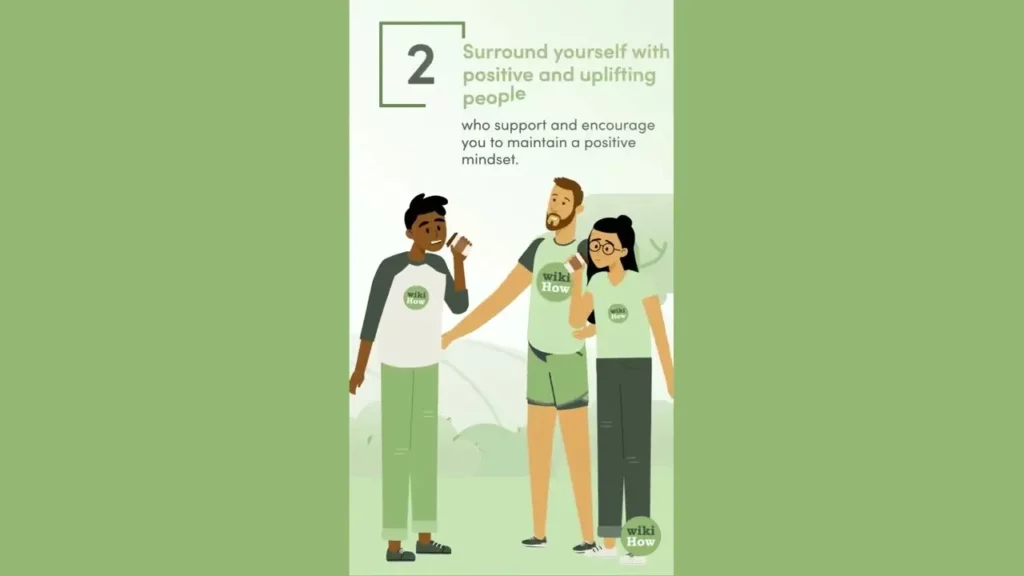
The lesson on “How to Be More Positive” offers practical tips to enhance daily happiness and positivity. Key strategies include practicing gratitude, surrounding yourself with supportive people, engaging in enjoyable activities, staying active, helping others, and taking necessary breaks. By incorporating these habits into your routine, you can cultivate a more positive outlook on life.
The Difference Between “I Love You” and “Love You” #shots
The lesson explores the nuanced differences between the phrases “I love you” and “love you,” highlighting that the former typically signifies a deeper emotional connection often found in serious relationships, while the latter is more casual and friendly. It emphasizes the importance of being honest and true to one’s feelings when expressing affection, whether reciprocating or initiating these phrases, to strengthen relationships and communicate effectively.
How To Eat a Peach
In this lesson, we learn how to enjoy a peach by first washing it to remove any dirt, then taking a careful bite while avoiding the pit, and finally savoring its sweet and juicy flavor. Additionally, we discover fun facts about peaches, such as their color variations and health benefits, encouraging us to incorporate more fruits into our diets for energy and nutrition.
How To Eat a Fig
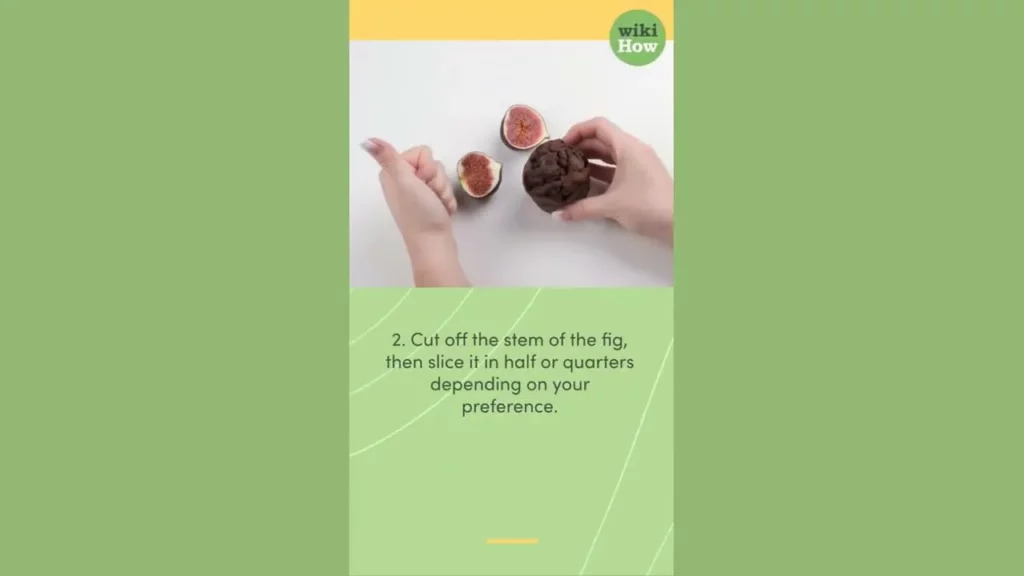
In this lesson, you learn how to enjoy figs by following three simple steps: washing them to remove dirt, cutting them to your preference, and exploring various ways to eat them, such as adding them to salads, oatmeal, or yogurt. Additionally, the lesson highlights the health benefits of figs, including their rich vitamin and fiber content, making them a nutritious choice. Enjoy experimenting with this ancient fruit in different dishes!
How To Eat a Grapefruit
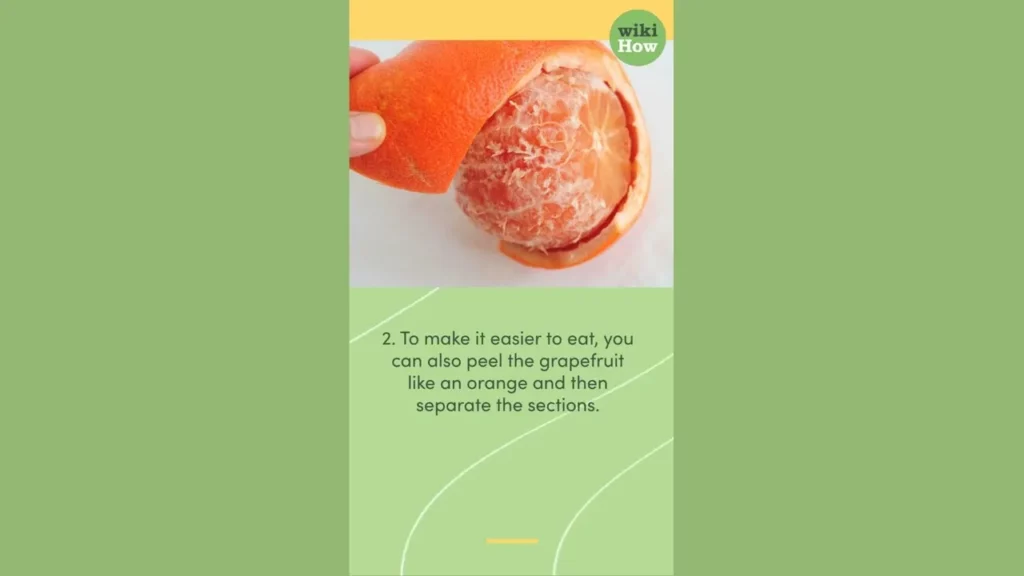
In this lesson, you learn how to enjoy a grapefruit by cutting it in half, peeling it like an orange, or eating it directly from the skin. You can enhance its flavor with a sprinkle of sugar or incorporate it into salads, smoothies, or yogurt for a nutritious treat. Additionally, the lesson highlights the health benefits of grapefruits, including their high vitamin C content and the variety of flavors found in different colored grapefruits.
How To Eat a Crawfish
This lesson teaches you how to eat a crawfish in three simple steps: first, twist and pull to separate the head from the tail; second, pinch and peel the tail to access the meat; and finally, enjoy the tasty crawfish meat while discarding the shell. Additionally, it shares a fun fact about crawfish being related to lobsters and their alternative names.
How To Cut Hair with Layers
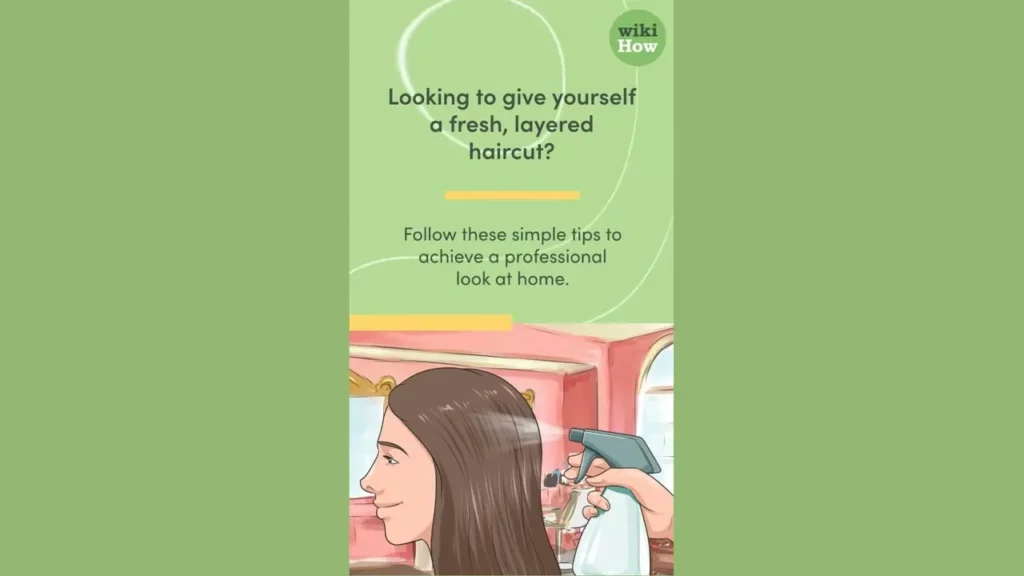
This lesson provides a step-by-step guide on how to achieve a stylish layered haircut at home. It emphasizes the importance of preparing your hair, using sharp scissors for precise trimming, and blending layers with techniques like point cutting and thinning shears. With patience and practice, you can create a professional-looking layered hairstyle without the need for a salon visit.